
Mecca city guide
10 things to do in Mecca
A guide for legally admitted Muslim visitors, centred on the Grand Mosque and the historical geography of pilgrimage, with clear limits on optional outings.
Plan your visit
Mecca, also called Makkah, is a sacred city, not an ordinary sightseeing destination. Non-Muslims are prohibited from entering the city at any time. This guide is for Muslim visitors who meet current visa, permit and seasonal entry requirements. Hajj has its own authorised arrangements; an ordinary tourist or Umrah booking does not replace them. The suggestions below provide orientation, not religious rulings or a substitute for an authorised pilgrimage programme. Worship, crowd instructions and rest take priority over completing a list.
Begin with orientation at the Grand Mosque
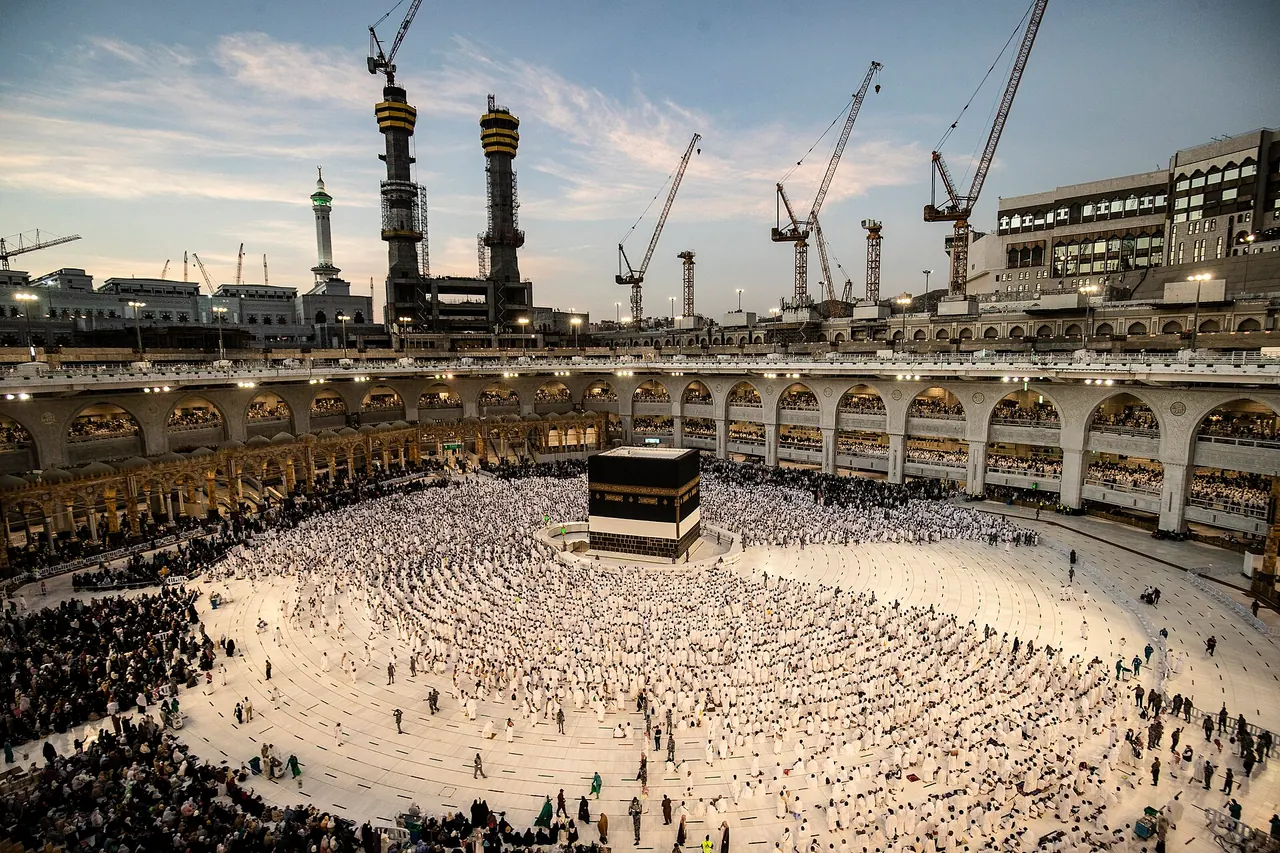
The Grand Mosque is the centre of a Mecca visit, with the Kaaba at its heart and extensive prayer areas around it. For a first arrival, understanding your approach, entrance and return route matters more than finding a particular photographic angle. Notice the name or number of the gate you use and agree on a meeting place that does not obstruct circulation. The scale of the complex can make a familiar-looking route confusing when crowds build.
Access patterns, designated areas and movement controls can change with prayers, construction and seasonal demand. Follow staff instructions rather than an old floor plan, and ask about the appropriate accessible route if your group needs it. Carry only what you can manage under current rules and plan rests outside your main worship commitments. The mosque is not a sightseeing hall where photography takes precedence: keep passages clear and respect people concentrating on prayer.
Plan it well: Record your entrance and a suitable meeting point before the group separates; follow the route staff currently direct you to use.
Saudipedia Grand Mosque overviewUnderstand the Kaaba and the space around it
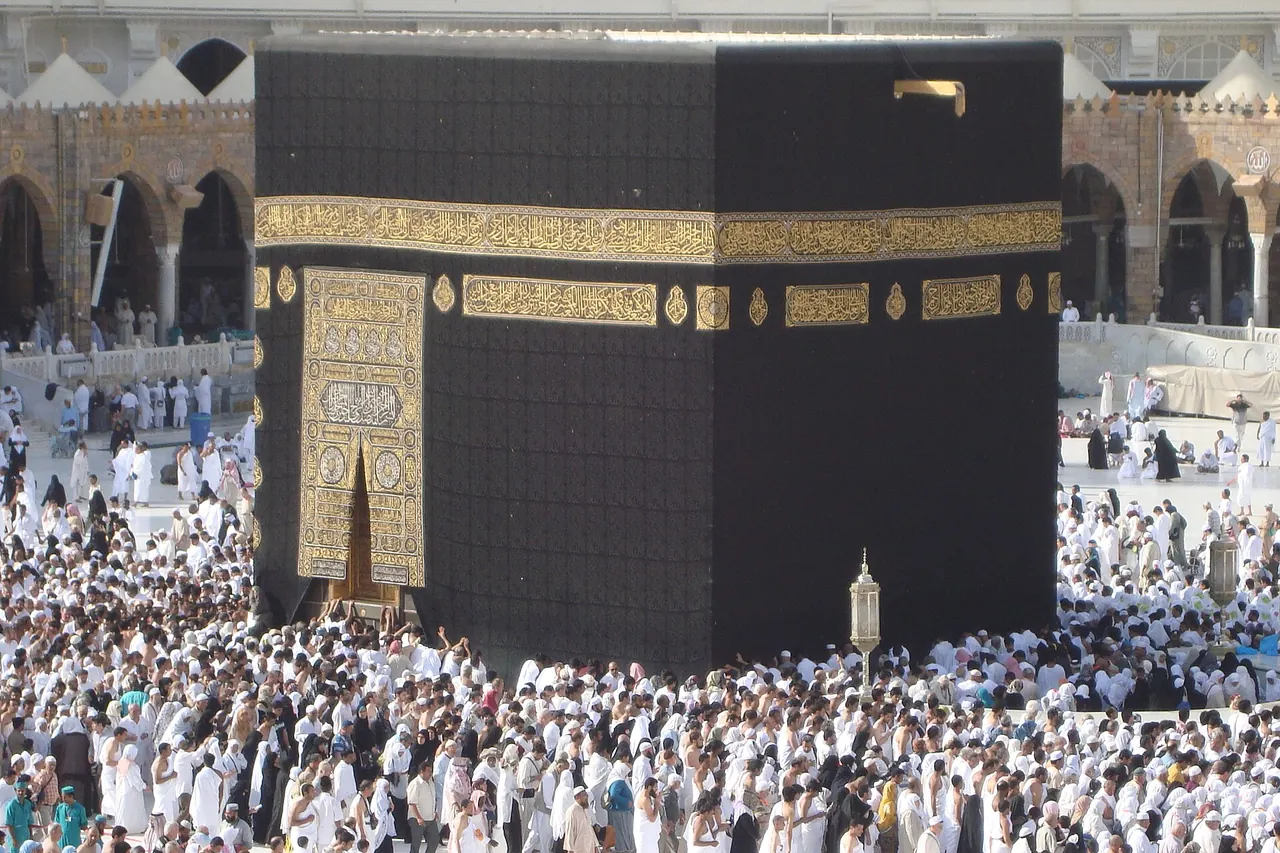
The Kaaba is the focal point towards which Muslims pray, not a separate visitor attraction with an ordinary interior tour. Seeing it in the surrounding mosque helps explain the difference between the building itself and the much larger worship complex. Give yourself time to understand that setting without trying to reach the closest possible position. A clear view from an authorised area can be meaningful without pushing towards the centre of a crowd.
Tawaf belongs to religious practice, with preparation and guidance that this travel overview cannot replace. Ask your qualified guide about your circumstances before beginning, and follow the designated circulation and access arrangements. Do not stop abruptly in moving lines for photographs or attempt to force a way towards the Black Stone. Members of a group may have different physical limits; agree how to regroup without assuming everyone must maintain the same pace or reach the same place.
Plan it well: Seek qualified ritual guidance and prioritise unobstructed movement over close-up photographs or reaching a particular corner.
Saudipedia explanation of the qibla and KaabaLocate Safa and Marwa with your guide
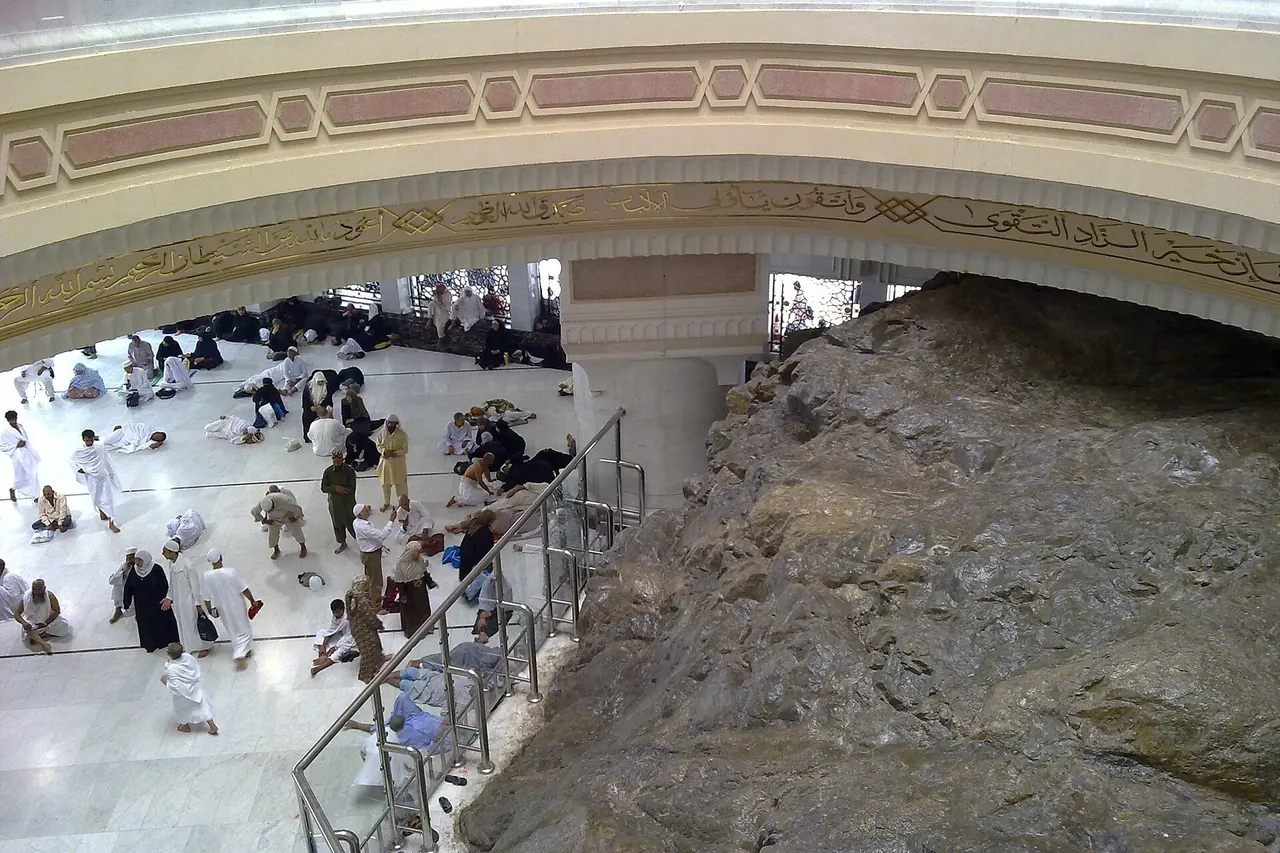
Safa and Marwa are the two hillocks associated with sa'i, now approached within the mosque complex rather than as an outdoor mountain excursion. Their setting helps visitors connect the contemporary covered route with the religious history it commemorates. Locate the relevant entrance with your guide instead of assuming a map pin identifies the correct level or approach. The physical remains and the movement space around them are different parts of the same visit.
Sa'i involves repeated walking between the two ends, so discuss stamina, mobility and any assistance needs before you begin. Use the current authorised arrangements for wheelchairs or other support rather than relying on an old advertisement. This is not a shortcut between sightseeing stops, and people performing their rites need uninterrupted space. Rest, regrouping and your return to accommodation deserve a place in the plan, particularly when the visit follows other demanding activity.
Plan it well: Check the correct level, entrance and assistance arrangements before starting rather than using a coordinate as walking directions.
Saudipedia Safa and MarwaUnderstand the significance of Jabal al-Nour
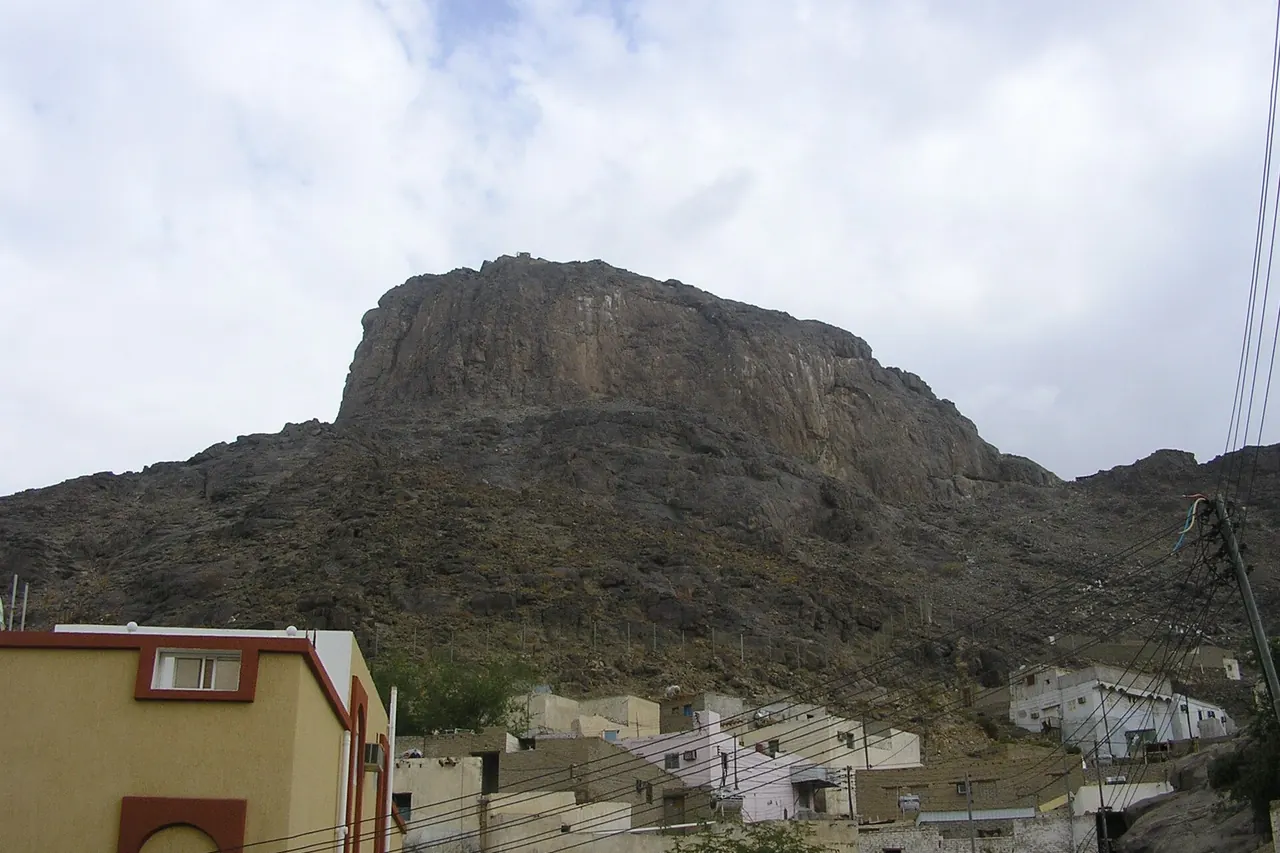
Jabal al-Nour is associated with the Cave of Hira and the beginning of revelation to the Prophet Muhammad. Learning that history gives the mountain significance without turning a summit photograph into the purpose of a visit. From the surrounding area, its rocky shape also reveals how different the terrain of Mecca is from the level spaces of the central mosque. An explanation from a knowledgeable guide can be valuable even when you do not ascend.
Climbing is not a required part of Hajj or Umrah. A mountain outing introduces steep ground, exposure and fatigue that can affect the worship you came to undertake. Check current access, weather and your own physical limits with a qualified local operator before considering a route, and do not assume the cave will be available to enter. The coordinate identifies the mountain, not a verified trailhead, so it should not be used as a self-guided walking instruction.
Plan it well: Choose a ground-level historical visit when a climb would compromise health, rest or your pilgrimage schedule.
Saudipedia Jabal al-Nour historyPlace Jabal Thawr in the migration story
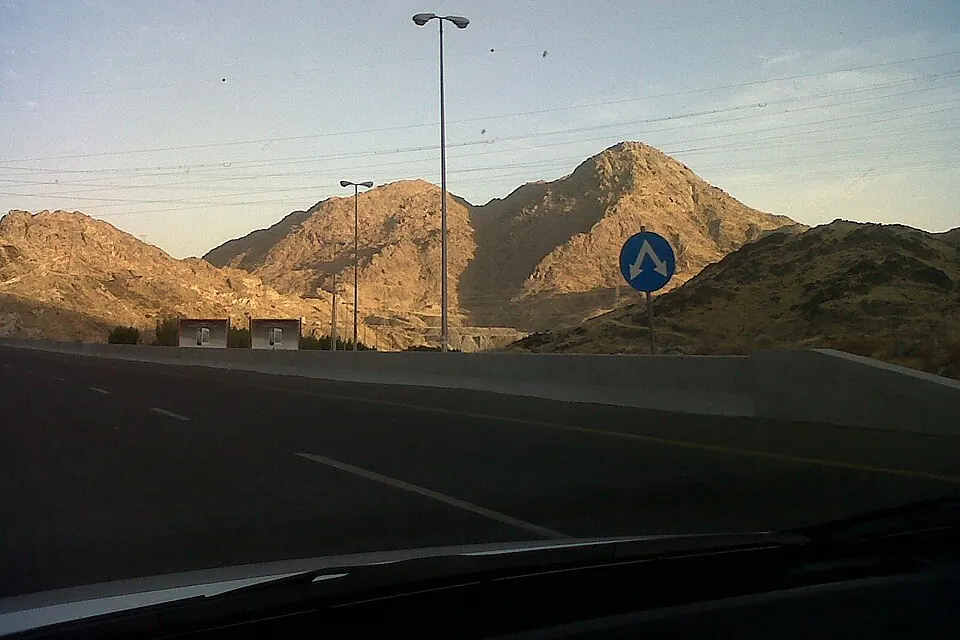
Jabal Thawr is connected with the migration to Medina and the refuge of the Prophet Muhammad and Abu Bakr in its cave. It offers a different historical focus from Jabal al-Nour, rather than another mountain to collect on a checklist. Discuss the story with your guide and consider how the terrain shaped the journey. A view from an appropriate accessible location can provide context without an ascent to the cave.
The official Makkah destination page describes development at this site, so verify what is actually accessible before arranging a visit. Do not interpret a tour advertisement as confirmation of an open route or guaranteed cave entry. A climb is optional, not a Hajj or Umrah rite, and requires its own judgement about conditions and physical ability. The Wikidata point is a broad mountain location with coarse precision; arrange a recognised meeting place with an operator rather than navigating directly to it.
Plan it well: Ask what access is currently permitted and keep any mountain visit optional, with no promise of cave entry.
Discover Makkah Mount and Cave Thawr informationUnderstand Arafat beyond the hilltop image
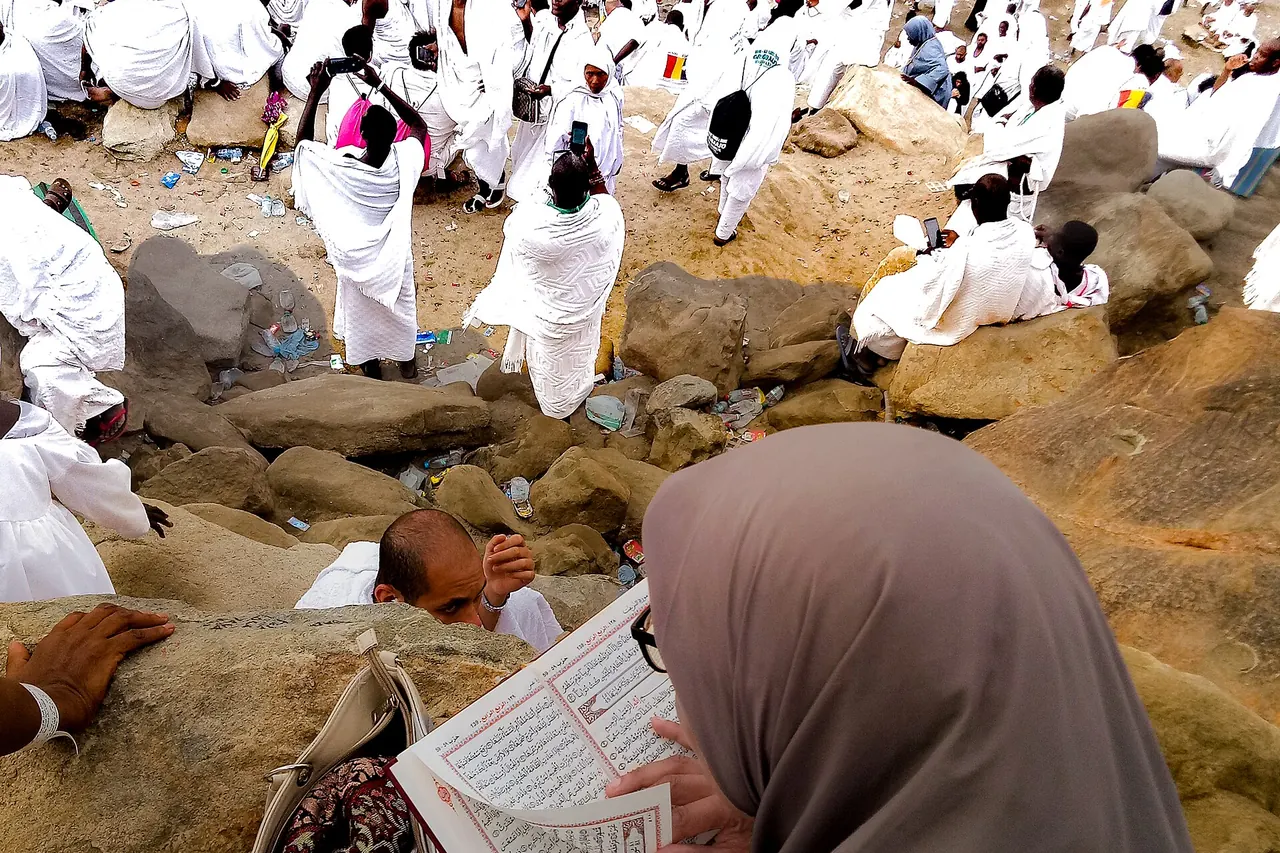
Arafat is central to Hajj, while the familiar rocky hill called Jabal al-Rahmah is only one landmark within its wider landscape. Learning that distinction is more useful than equating the pilgrimage with climbing to a monument. Outside Hajj, a permitted historical visit can help explain the geography of the sacred sites and the movement between them. It does not reproduce or replace the prescribed pilgrimage observance.
During Hajj, follow your authorised programme, transport and instructions rather than arranging an independent sightseeing detour. At other times, confirm that your intended route and stop are permitted before booking a driver. There is no need to climb the hill for the purpose of this guide, and exposed stone, sun and crowds may make that option inappropriate. Take water, leave room for rest and do not let a photo stop dictate a rushed return to the city.
Plan it well: Ask your guide to explain the plain as well as the hill, and follow authorised Hajj arrangements when travelling in that season.
Discover Makkah Jabal al-Rahmah overviewRead the pilgrimage landscape of Mina
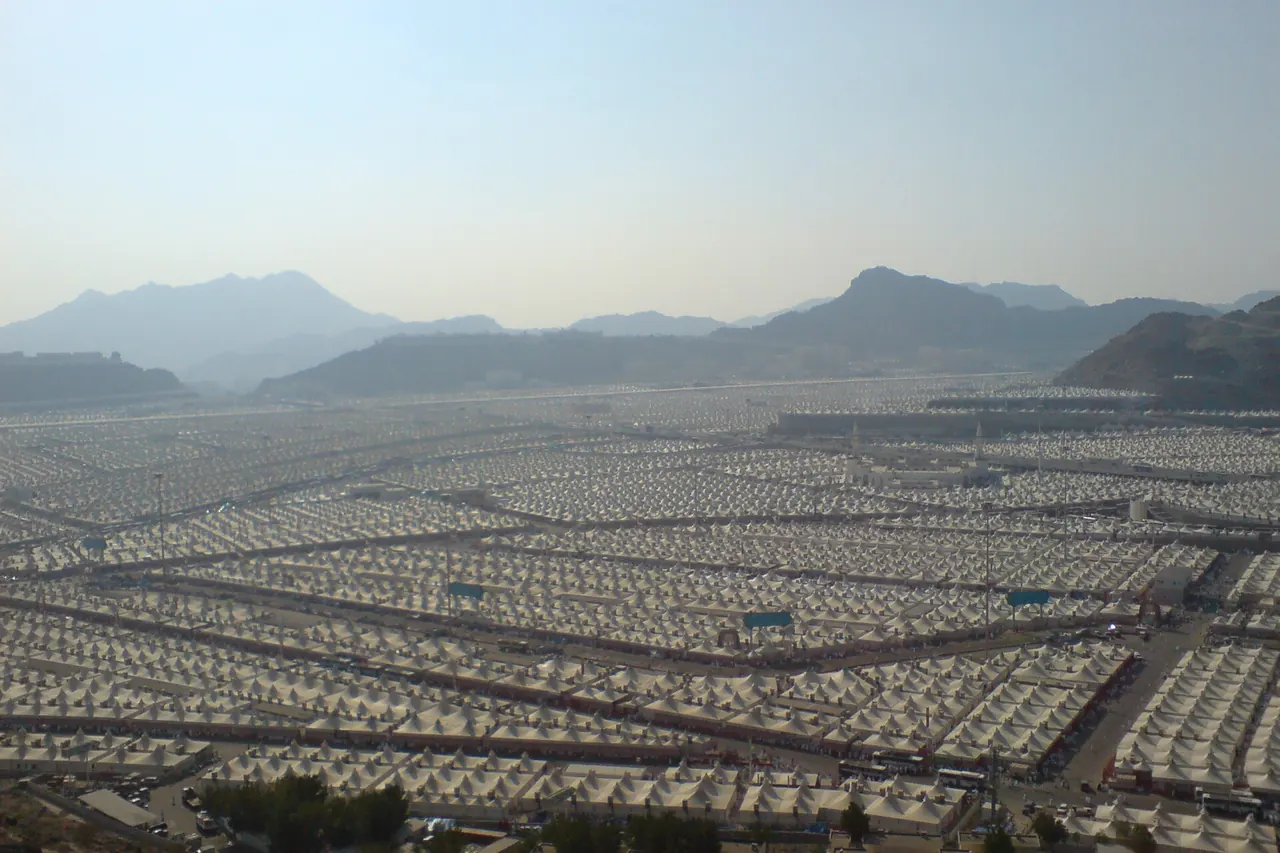
Mina is a pilgrimage valley whose tented landscape is designed around the needs of Hajj, not a neighbourhood of ordinary visitor accommodation. Seeing its scale, when a visit is permitted, helps explain how large numbers of pilgrims stay and move through the sacred sites. Ask a knowledgeable guide about the relationship between the valley, the tents and the Jamarat area rather than assuming every visible structure is open to casual exploration.
Mina has a defined role in an authorised Hajj programme, and independent movement during the season can conflict with access and crowd-management rules. Outside the season, confirm permitted routes and stops; a driver offering a circuit does not guarantee entry to buildings or tent areas. Never walk into restricted accommodation or operations spaces for a photograph. This is a contextual visit to a working pilgrimage landscape, not an invitation to perform rites outside their proper circumstances.
Plan it well: Confirm exactly where an operator may stop and do not assume access to tents or Jamarat facilities is included.
Saudipedia Holy Site of MinaLocate Muzdalifah between the sacred sites
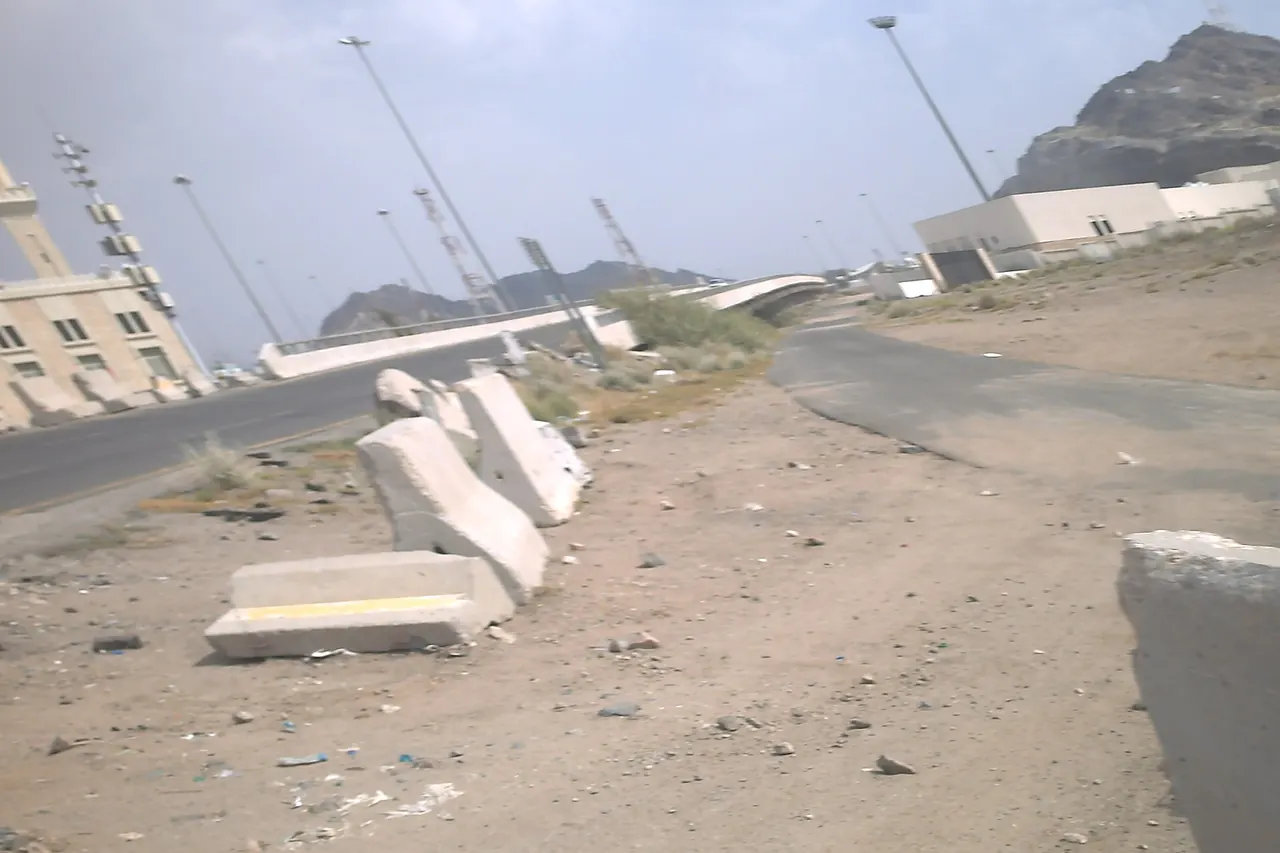
Muzdalifah sits within the sequence of sacred sites between Arafat and Mina. Its open landscape makes more sense when explained through the movements and overnight observance of Hajj than when presented as a conventional attraction. A permitted visit outside the season can help orient you within that geography. Do not expect a compact museum-style entrance, a single monument that explains everything or facilities equivalent to a central-city visitor attraction.
For Hajj, the timing and movement belong to your authorised arrangements and religious guidance, not the two-day itinerary in this article. At other times, verify whether an operator can make a lawful stop and agree on a specific collection point before leaving the vehicle. Open ground can be exposed, with long distances that are not obvious in a photograph. The accompanying image is archival; it should not be read as a statement about current construction, pedestrian routes or available services.
Plan it well: Treat the visit as geographical orientation and confirm a lawful stop rather than planning an independent overnight stay.
Saudipedia Muzdalifah Holy SiteUnderstand the role of Al-Taneem Mosque
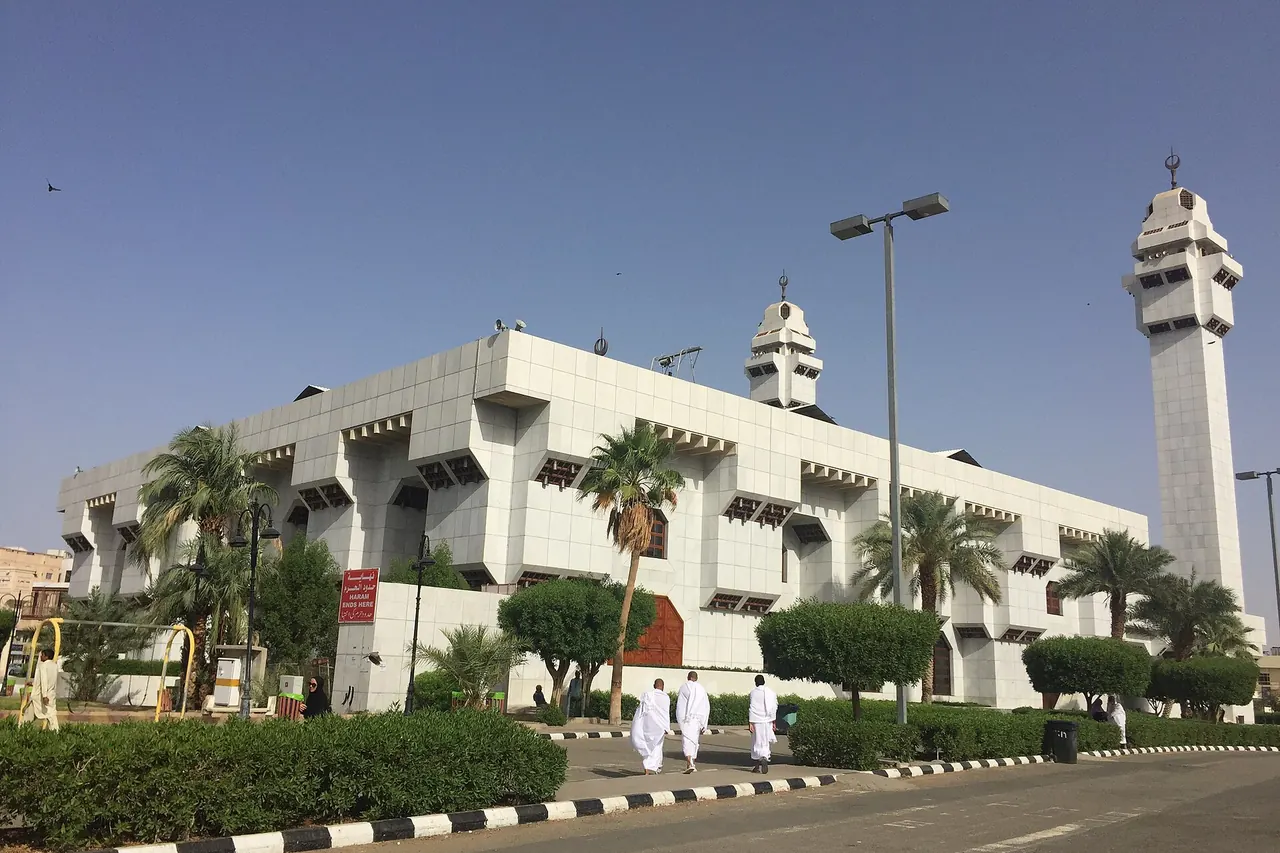
Al-Taneem Mosque, also known as Aisha Mosque, has a practical religious role connected with entering ihram for Umrah from outside the Haram boundary. Understanding that purpose matters more than adding another mosque photograph to your trip. Ask your qualified guide how the location relates to your own arrival and intended observance. It should not be described as a universal substitute for the miqat that applies to a traveller arriving from elsewhere.
If a visit is appropriate for your circumstances, arrange the outward and return transport together and allow time for the religious preparation you need. Keep personal belongings manageable and identify where your vehicle will wait without blocking other users. Do not assume that travelling here obliges or entitles you to repeat Umrah, or that a transport package includes qualified religious advice. A short historical visit and a journey undertaken for ihram are different plans, even when they use the same building.
Plan it well: Confirm the applicable ihram guidance before booking transport; do not use this travel description as a ruling about your miqat.
Discover Makkah Al-Taneem MosqueUse the Clock Towers as a city landmark
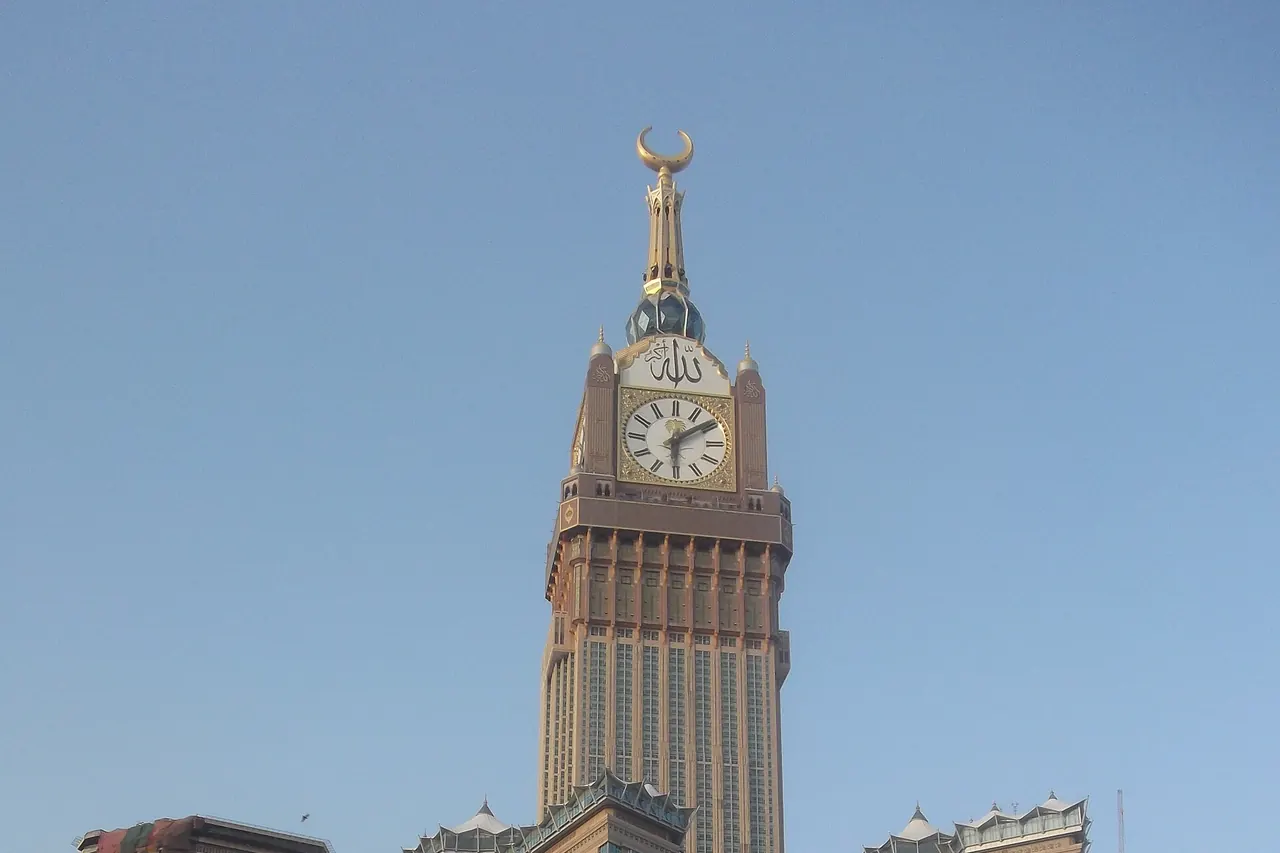
The Clock Towers, or Abraj Al Bait, form a prominent modern landmark beside the Grand Mosque. Their hotels and commercial spaces belong to the contemporary city that supports the pilgrimage, offering a contrast with the historical sites farther out. Use the tower as a broad orientation aid, but name an actual entrance when meeting someone: a visible landmark is not a precise meeting point in a large multi-building complex.
A visit to the Clock Tower Museum is a separate choice from seeing the exterior or entering publicly accessible commercial areas. Check current admission, entrance instructions and opening arrangements before making the museum your indoor alternative. A hotel booking should not be assumed to include it, and a mosque view from a private property is not public viewpoint access. Keep the outing secondary to worship and rest, with extra time for lifts and circulation around busy prayer periods.
Plan it well: Confirm the museum booking and exact entrance independently of any hotel or shopping visit.
Discover Makkah Clock Tower MuseumA two-day orientation outside Hajj
Day one: worship and orientation
For legally admitted Muslim visitors outside Hajj, centre the day on the Grand Mosque and the observance appropriate to your visit, with qualified guidance. Locate the Kaaba and Safa-Marwa through authorised routes, then rest. The Clock Towers are an optional nearby outing, not an extra worship requirement.
Day two: one permitted historical outing
Choose a short, confirmed ziyarat route with an appropriate local operator: the Arafat, Muzdalifah and Mina geography is one option where access permits; a mountain history visit is another. Do not combine all sites or assume climbs are required. Hajj pilgrims must follow their authorised programme instead of this outline.
Before you go
Mecca is restricted to Muslims
Non-Muslims are prohibited from entering Mecca at any time. A Saudi tourism visa does not remove that restriction. Muslim visitors must also meet the current entry, visa and seasonal permit requirements.
US Department of State Saudi Arabia guidanceCheck the correct pilgrimage authorisation
Hajj requires its own approved arrangements and authorisation. Verify Umrah bookings and any applicable permits through official Nusuk channels, and recheck seasonal restrictions before travel.
Official Nusuk Hajj questionsPrepare for health and crowd conditions
Consult current official health and vaccination requirements, obtain appropriate medical advice and plan rest and assistance for your circumstances. Heat, crowds and mountain terrain should not be underestimated.
UK government pilgrimage guidanceRespect instructions at sacred sites
Keep worship and circulation ahead of photography. Mountain climbs and historical circuits are optional and are not required Hajj or Umrah rites. Never use a map coordinate as evidence that a route or restricted site is open.
Check the actual route between hotel and mosque
For an authorised visit, compare the real route from the hotel entrance to the relevant mosque access point, including slopes, lifts and possible crowd controls. A straight-line distance or a claimed view does not establish convenient access. Confirm any shuttle arrangements, room occupancy and cancellation terms for your dates. Hajj accommodation must fit your approved programme rather than an independent hotel plan.
Explore Mecca hotels