
Stockholm city guide
Where to stay in Stockholm
Compare the old-town islands, central rail hub, cafe-filled Sodermalm and greener waterfront bases, with the bridge and ferry trade-offs that shape a Stockholm stay.
Plan your visit
Stockholm rewards choosing the right side of the water. A hotel beside Central Station simplifies arrivals, but it offers a different evening from a room among Gamla Stan lanes or beside a Djurgarden park. These six bases suit different priorities; bridges, station entrances and ferry landings matter more than a straight-line distance on a map.
Choose your base
Choose Gamla Stan for the historic setting, Norrmalm for rail arrivals and mixed sightseeing, or Sodermalm for independent shops and evenings out. Kungsholmen suits a more residential waterside stay; Djurgarden puts family attractions nearby. Skeppsholmen is a small, accommodation-limited island option for art and a retreat from shopping streets.
Gamla Stan: historic lanes and a first city break
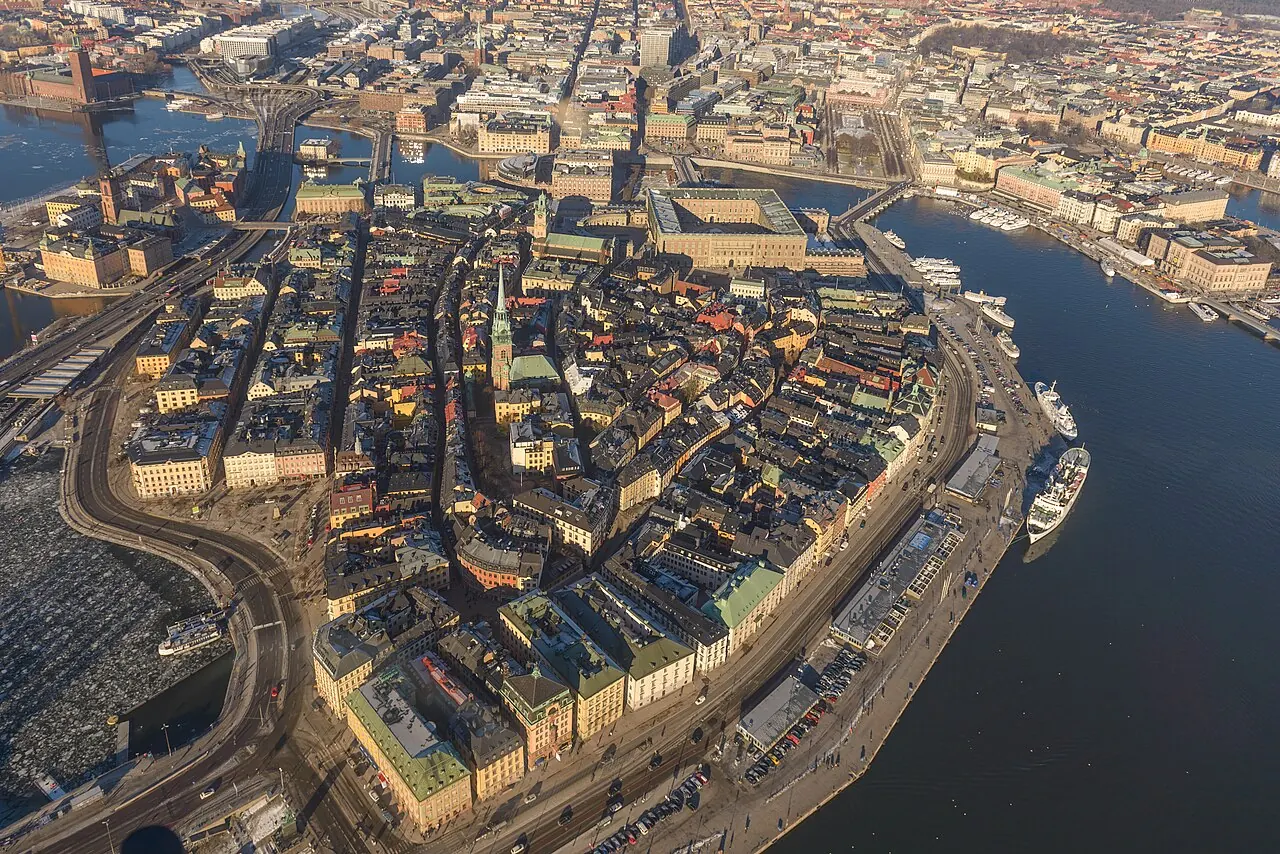
Stay here when stepping outside into the old town is part of the holiday, not merely a sightseeing stop. Stortorget, the Royal Palace and the lanes around Vasterlanggatan supply a dense concentration of historic buildings, small shops and places to eat. Waterfront walks reveal why Stockholm grew around these islands. A room on a side lane offers a different experience from one overlooking a busy restaurant street; the address matters even within this compact base.
Gamla Stan metro station gives access to SL rail services, while Slussen across the southern bridge is useful for the Djurgarden ferry. Arlanda Express arrives at Stockholm Central, so allow for the onward metro journey or walk rather than treating this as a station hotel. Cobbles, narrow approaches and older buildings can complicate luggage and step-free access. Choose Norrmalm instead for a brief train-led stop, or Sodermalm if the evening priority is contemporary cafes rather than the main historic visitor circuit.
Plan it well: Gamla Stan is the settlement pin; the hotel approach may be a narrow lane rather than the waterfront shown in the photograph.
Visit Stockholm: Gamla StanNorrmalm and Blasieholmen: easy arrivals and varied central sightseeing
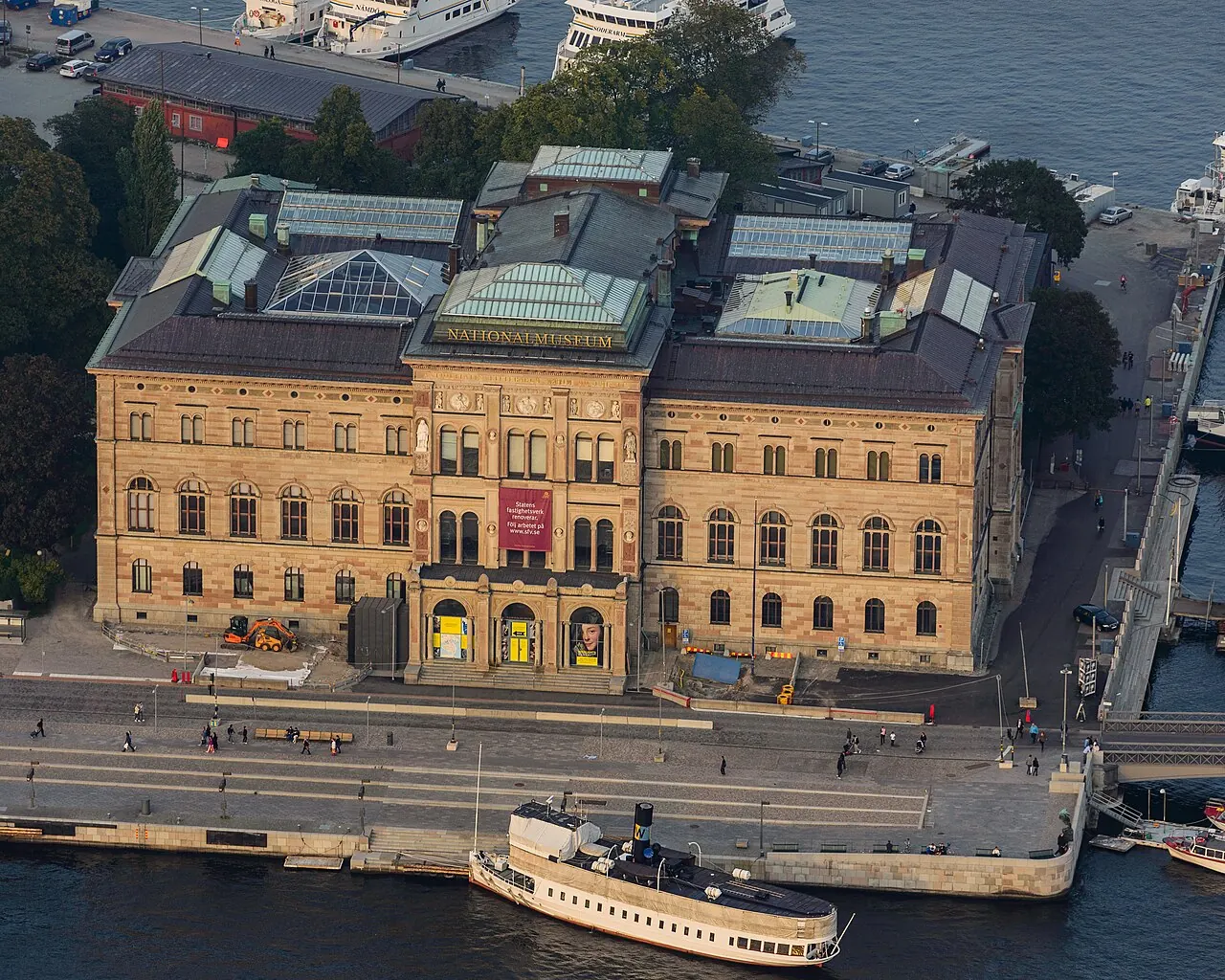
Norrmalm works well when Stockholm is one stop in a wider rail trip or you want several districts within reach. Around Central Station and T-Centralen, the emphasis is practical: hotels, shops and places to eat between journeys. Farther east, Kungstradgarden and Blasieholmen put parks, waterfront walks and Nationalmuseum into the same central base. Those eastern addresses feel less station-oriented, but they are not interchangeable with a hotel beside the airport-train platforms.
T-Centralen is the useful SL interchange, and Arlanda Express ends at Stockholm Central. Djurgarden outings can use tram 7 from the central city rather than requiring a hotel on the attraction island. Restaurants around the station include Luzette; shopping and cultural stops around Sergels torg add options when weather interrupts outdoor plans. The trade-off is a commercial, traffic-facing setting on some streets, with less old-town character at the doorstep. Choose Gamla Stan for historic lanes or Kungsholmen for a more residential waterfront, not solely because both appear close on a map.
Plan it well: Nationalmuseum marks Blasieholmen, east of the station hub. Compare that final arrival leg with a hotel beside Central.
Visit Stockholm: Norrmalm and BlasieholmenSodermalm: cafes, independent shops and evenings out
Sodermalm suits travellers who want their hotel neighbourhood to remain interesting after the museums close. Around Nytorget and the streets often grouped as SoFo, cafes and independent shops encourage a slower morning; Hornsgatan and the approaches to Slussen offer a different, more through-traffic urban feel. Fotografiska on the northern waterfront and the views from Monteliusvagen give this island sightseeing reasons of its own. Pick the particular pocket that fits your evenings rather than assuming the whole district has one atmosphere.
SL stations including Slussen and Medborgarplatsen make the island workable without a car; Stockholm Sodra is useful when a commuter-rail connection fits your itinerary. For Arlanda Express, travel onward from Central rather than expecting the airport train to stop here. The hilly routes down to the water can be awkward with luggage, and proximity to bars is a drawback for light sleepers. Choose Norrmalm for the simplest station arrival, or Kungsholmen if a residential waterside routine matters more than a large choice of evening venues.
Plan it well: The pin marks Sodermalm island. Choose the Nytorget, Hornsgatan or Slussen pocket according to your evening plans.
Visit Stockholm: SodermalmKungsholmen: a residential waterfront stay
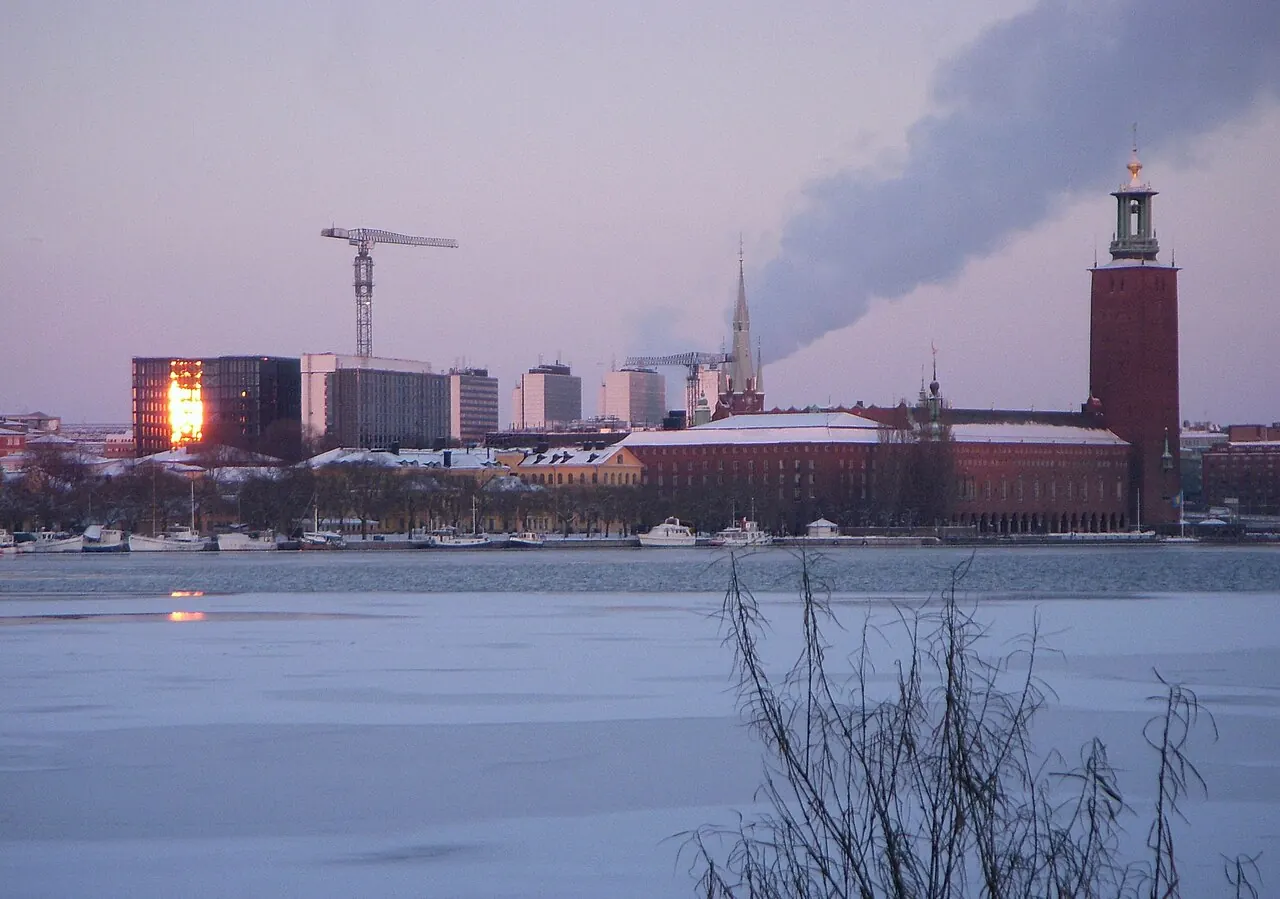
Kungsholmen is a good counterweight to Stockholm itineraries built around busy museum entrances. City Hall anchors the eastern end, while waterside paths and neighbourhood cafes make it possible to spend part of a day close to the hotel. This is primarily a lived-in district, so the appeal is everyday city life rather than an unbroken row of major attractions. Eastern addresses suit central sightseeing better than treating every hotel on the island as equally close to the historic centre.
Use the nearest SL station, such as Radhuset or Fridhemsplan, to judge an address; the latter is a different base from the streets beside City Hall. Airport arrivals on Arlanda Express reach Central on the other side of the water, with a final walk or local connection still to plan. The compromise is extra travel for Djurgarden museums and a less concentrated evening visitor scene than Sodermalm. Choose Norrmalm if frequent train departures dominate the trip, or Gamla Stan if you want the palace and medieval lanes immediately outside.
Plan it well: City Hall marks eastern Kungsholmen, not the Fridhemsplan end of the island.
Visit Stockholm: KungsholmenDjurgarden: family attractions and park time
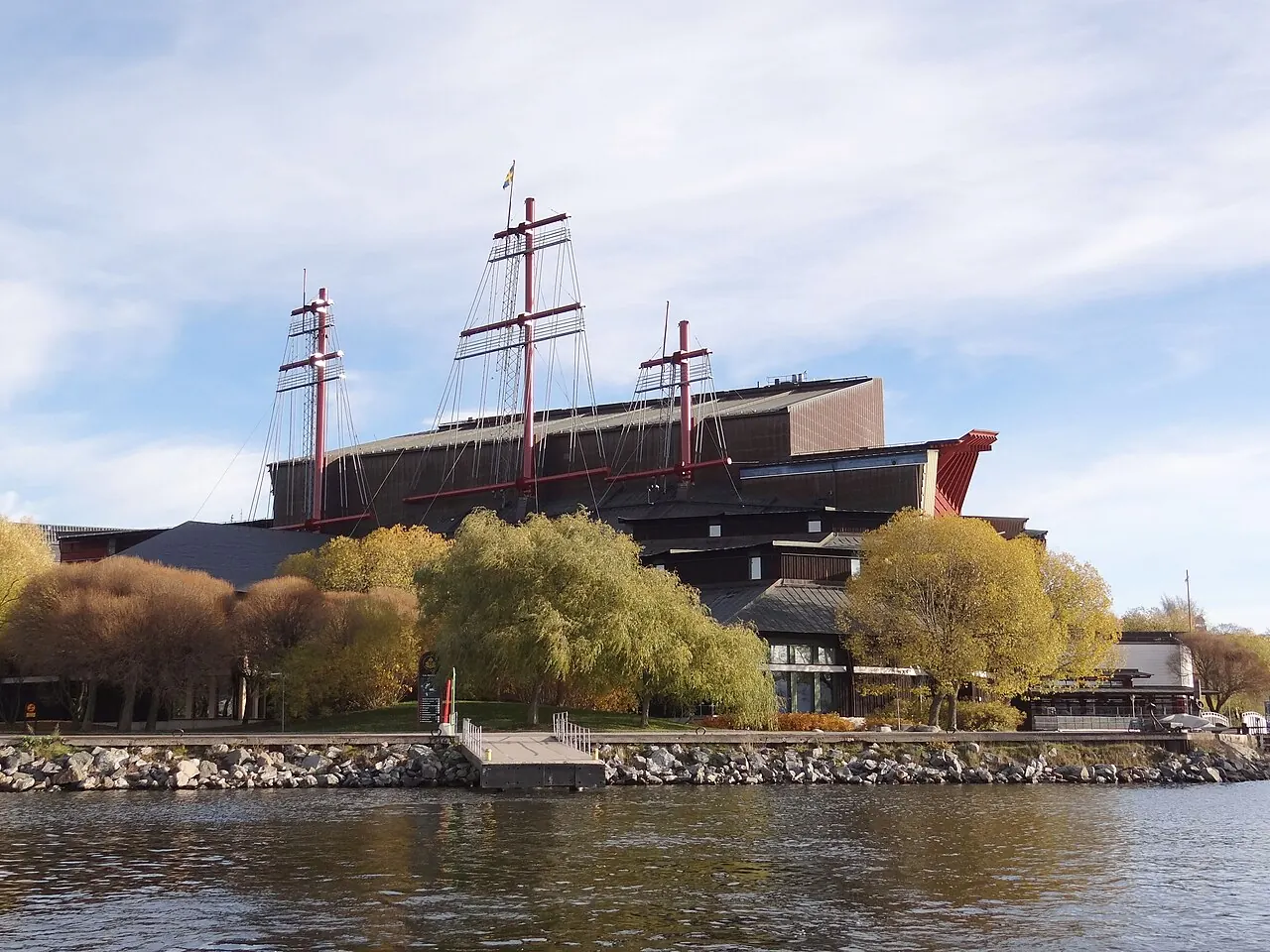
Djurgarden makes sense when the Vasa Museum, Skansen and the ABBA Museum form the core of your trip. Staying on the island keeps those outings within the same green, waterside setting, with walks in the Royal National City Park offering a change from indoor visits. Food stops cluster around the visitor attractions rather than replicating the range of a large shopping district. Confirm the actual hotel address: a city hotel described as near Djurgarden may still be across the bridge.
SL tram 7 connects the island with the central city, and ferry 82 links the Allmanna grand landing with Slussen, with Skeppsholmen served on some departures. For an Arlanda arrival, first reach Central and then make the island connection. Attraction days and tram journeys can be busy, while the limited lodging choice means this is not a universal family default. Choose Norrmalm for broader transport flexibility, especially with early departures, or Sodermalm if dinners and shops beyond the attraction circuit matter more than having museums close by.
Plan it well: Vasa Museum marks the attraction cluster. Confirm whether the accommodation is actually on Djurgarden or across the bridge.
Visit Stockholm: DjurgardenSkeppsholmen: an art-focused island retreat
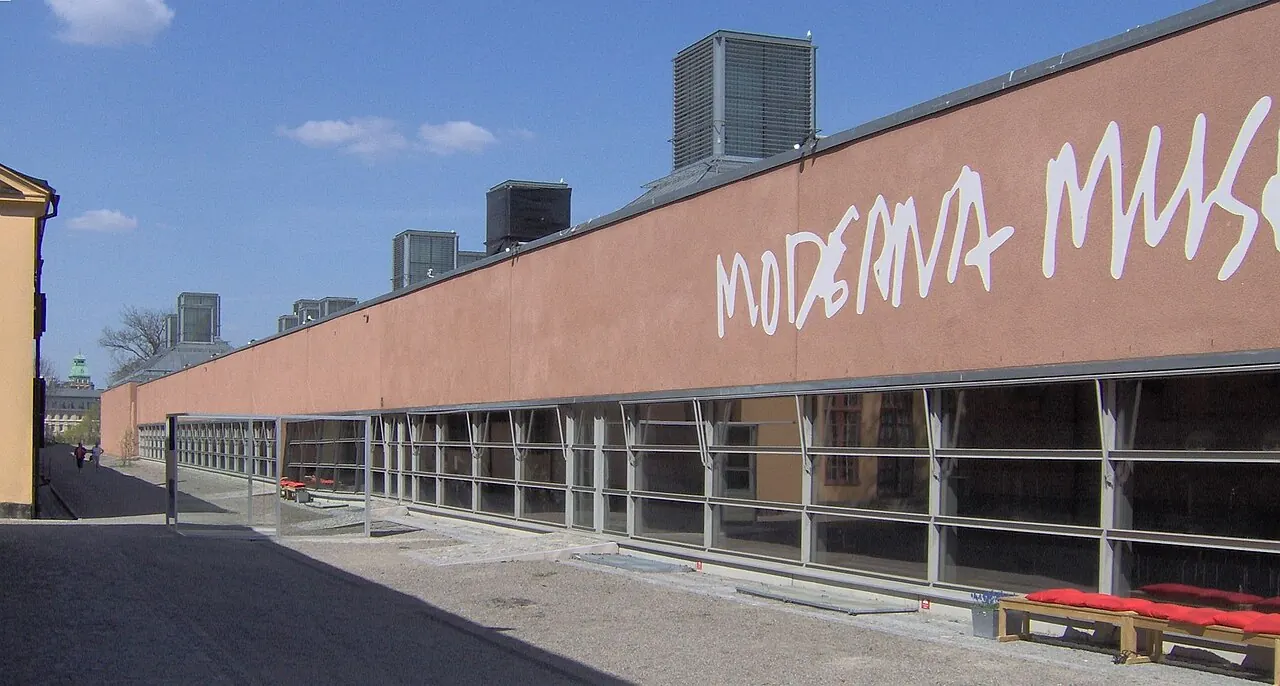
Skeppsholmen is a deliberate niche choice, not a large hotel district. Moderna Museet and the island walks make it attractive to visitors who prefer art, waterfront views and a smaller-scale evening setting to shopping streets. The official tourism listing for Hotel Skeppsholmen and its Langa Raden restaurant confirms that staying and dining on the island are real options. However, a small pool of accommodation is precisely the reason to compare availability before building the trip around this base.
The road bridge gives a land route towards Blasieholmen, while SL ferry 82 offers an alternative water connection. Not every sailing serves Skeppsholmen; follow SL instructions for requesting the stop rather than planning from a route line alone. Airport arrivals via Central still require the final local journey, and the island has no metro station of its own. The downside is fewer spontaneous dining and transport choices than Norrmalm. Choose central Norrmalm for repeated rail outings, or Djurgarden if the main purpose is several family attractions rather than the art museums here.
Plan it well: Moderna Museet marks the museum island. Check the Skeppsholmen ferry call before relying on it for your return.
Visit Stockholm: SkeppsholmenArriving and moving between islands
Separate the airport train from the last local leg
Arlanda Express links Arlanda with Stockholm Central. Norrmalm addresses near the station simplify that arrival; for the other islands, plan the onward SL connection or actual walking route with luggage.
Arlanda Express: airport and Central stationsUse the tram stops, not just the island name
SL lists tram 7 stops from T-Centralen via Kungstradgarden and Nybroplan to Djurgarden attractions. Check current traffic notices for works before relying on the same route for a late return.
SL: Sparvag City line 7 and stopsCheck which ferry calls at Skeppsholmen
SL ferry 82 connects Slussen and Djurgarden. Some departures do not call at Skeppsholmen; SL explains when to tell the crew or request boarding at the jetty. It is not a guaranteed stop on every sailing.
SL: travelling by public transport and ferryPlan from the nearest station entrance
SL lists specific station entrances and lift limitations: Medborgarplatsen, Slussen and Fridhemsplan are not interchangeable with every entrance being step-free. Match the usable entrance to your hotel, especially with luggage or limited mobility.
SL: metro stations and entrance accessibilityFind hotels in Stockholm
Compare Stockholm hotels by the island, nearby station and room access that fit your trip. A view across the water is not the same as being on the island you plan to explore.
Explore Stockholm hotels