
Bangkok city guide
10 things to do in Bangkok
Explore Bangkok through royal courtyards, riverside temples, contemporary art and market lanes, with practical choices for a rewarding first visit.
Plan your visit
Bangkok rewards a little geographical discipline. Keep the river and old-city temples together, give Siam's museums their own outing, and reserve a separate morning for Chatuchak if your dates include a weekend. These ten stops offer different ways into the city, not a challenge to finish them all.
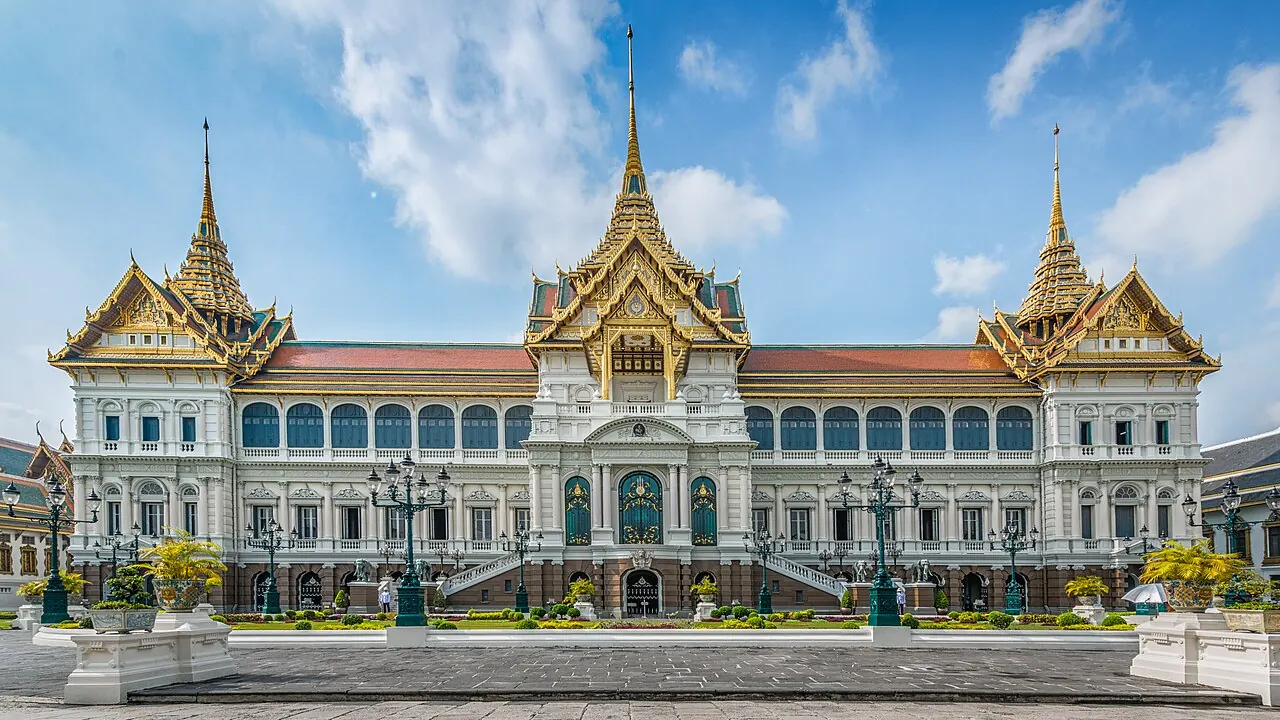
Begin with the Grand Palace's royal courtyards
The Grand Palace makes an absorbing introduction to Bangkok's ceremonial heart, but it is a complex rather than a single building. Look for the changes between palace courtyards and the sacred precinct of Wat Phra Kaew, where the Emerald Buddha is enshrined. Choose a few architectural details to follow, such as tiled roofs or guardians, instead of rushing from one photograph to the next.
Arrange this visit for a morning when you can give it your attention, with water and a proper clothing plan. The royal household publishes specific restrictions, including sleeveless tops, shorts and tight or torn clothing; a shawl is not a universal solution. Follow the official entrance directions and closure notices, then decide whether nearby Wat Pho still suits your energy rather than treating both admissions as compulsory.
Plan it well: Wear proper sleeves and long trousers or a long skirt; the palace's rules are stricter than a casual temple cover-up.
Grand Palace visitor informationLook beyond the reclining Buddha at Wat Pho
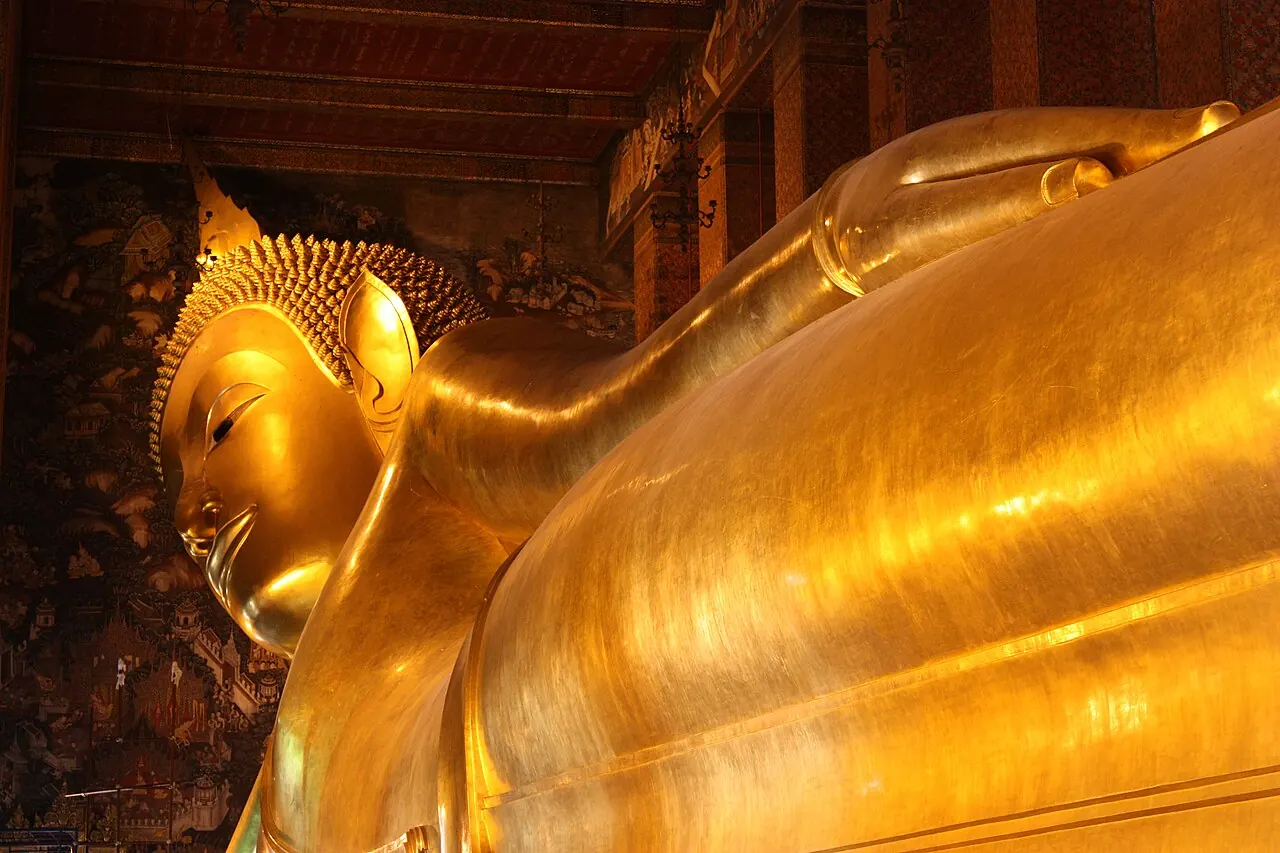
Wat Pho's reclining Buddha is the obvious focus, yet the temple is most rewarding when that great figure is the beginning of the visit rather than its whole purpose. Step back from the busy hall into courtyards, smaller shrines and rows of chedis. The different scales make a useful contrast: a monumental image in one room, intricate patterns and quiet corners elsewhere in the compound.
The temple lies beside the Grand Palace area, which makes the two a sensible pairing if you want a temple-focused day. They remain separate places with their own admission and visitor rules. Traditional massage is also associated with Wat Pho, but a treatment is a separate choice, not something an entrance ticket promises. Leave enough room in the afternoon to walk to the river or stop for lunch without watching a countdown.
Plan it well: Keep shoes easy to remove and put them back on for outdoor walking; treat prayer areas as active religious spaces.
Wat Pho visit planningCross the river for Wat Arun
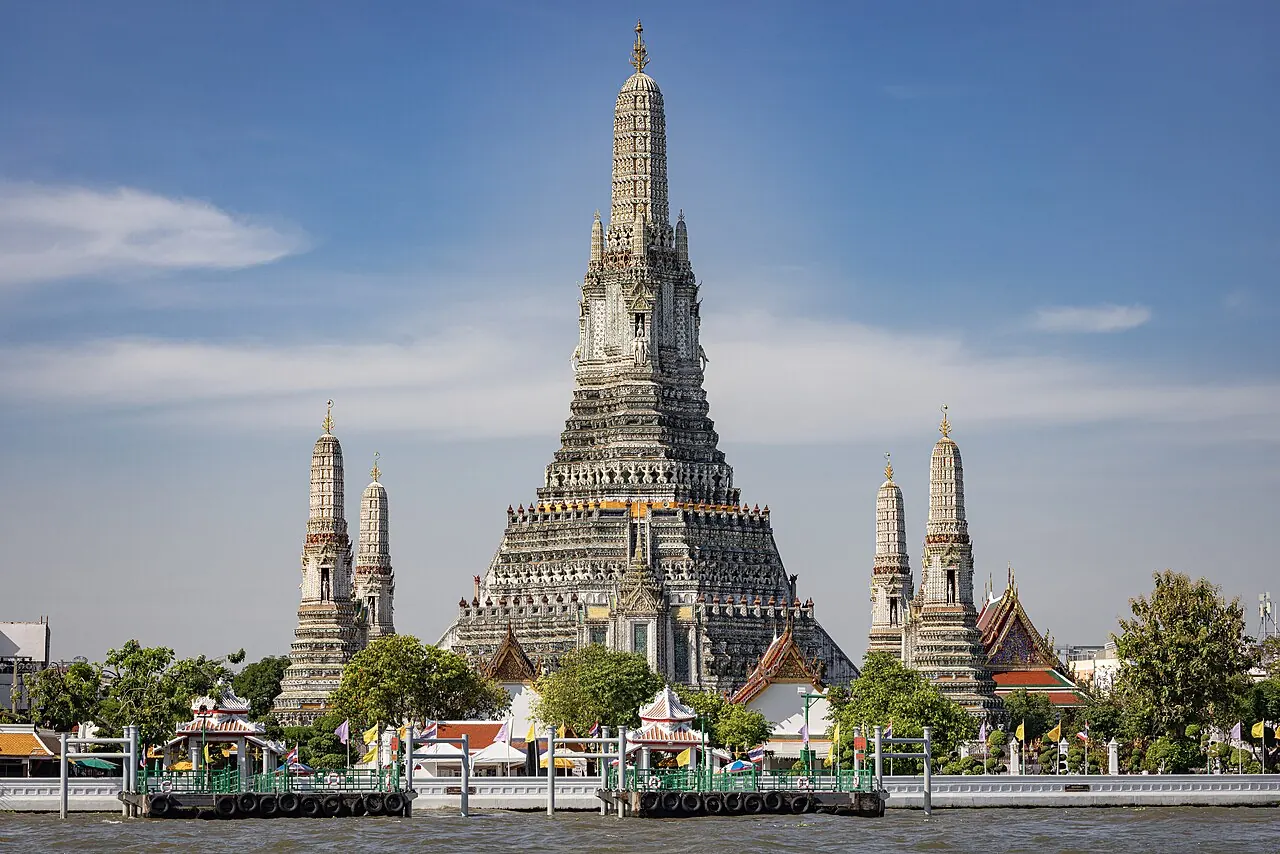
Wat Arun changes the perspective of an old-city day. Its central prang rises on the west bank of the Chao Phraya, opposite the historic core, and its surface invites close inspection rather than just a distant skyline photograph. Porcelain decoration and repeated figures give the tower texture; look from several angles at ground level before deciding whether any open steps suit you.
Use the crossing as transport, not as an assumed sightseeing cruise. River services and cross-river ferries serve different landings, so confirm your pier and return option on the day. The surrounding riverside can provide a pause after the temple, while looking back across the water helps connect the places you have visited. Wear shoes with a secure grip, observe the temple's clothing rules and avoid planning your entire visit around climbing areas that may be restricted.
Plan it well: A river crossing and temple admission are separate purchases; check the boat's actual destination before boarding.
Tourism Authority of Thailand: Wat ArunExplore a house-sized art collection
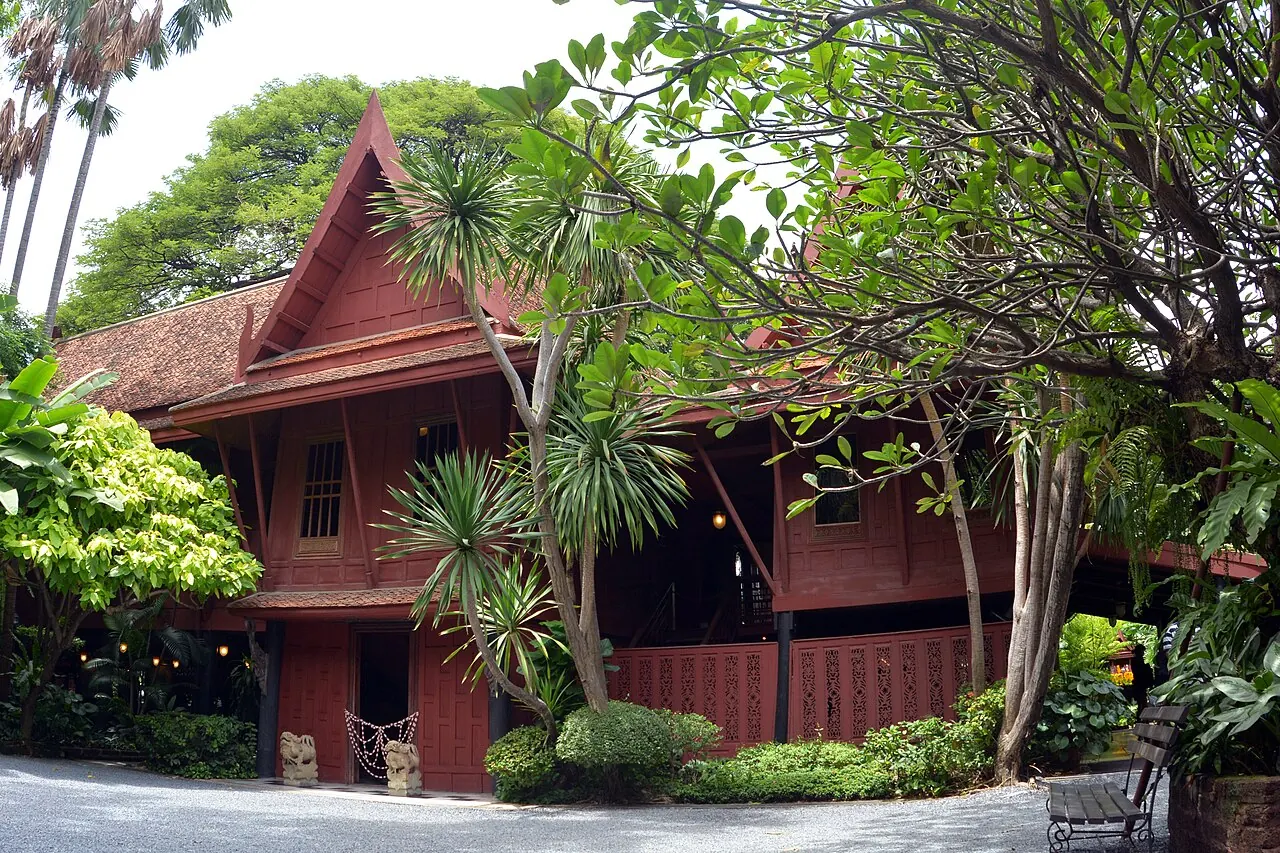
The Jim Thompson House offers a different scale after the palace and temple compounds. Traditional timber houses, garden planting and an Asian art collection turn the focus toward interiors and how objects were brought together. Thompson's association with Thai silk supplies context, but the museum visit is not simply a shopping stop: pay attention to the relationship between the architecture, furniture and selected artworks.
The official museum says visitors cannot enter the main house without a guide, so let the available guided visit determine your timing. Its booking arrangements have recently changed; use the museum's admission information rather than an old guidebook rule about walk-ins. Combine the house with the Bangkok Art and Culture Centre nearby to compare a historic collection with current exhibitions, leaving lunch between them instead of scheduling two tours without a break.
Plan it well: The main house requires a museum guide; the nearby art centre has its own programme.
Jim Thompson House MuseumBrowse Chatuchak with a small shopping plan
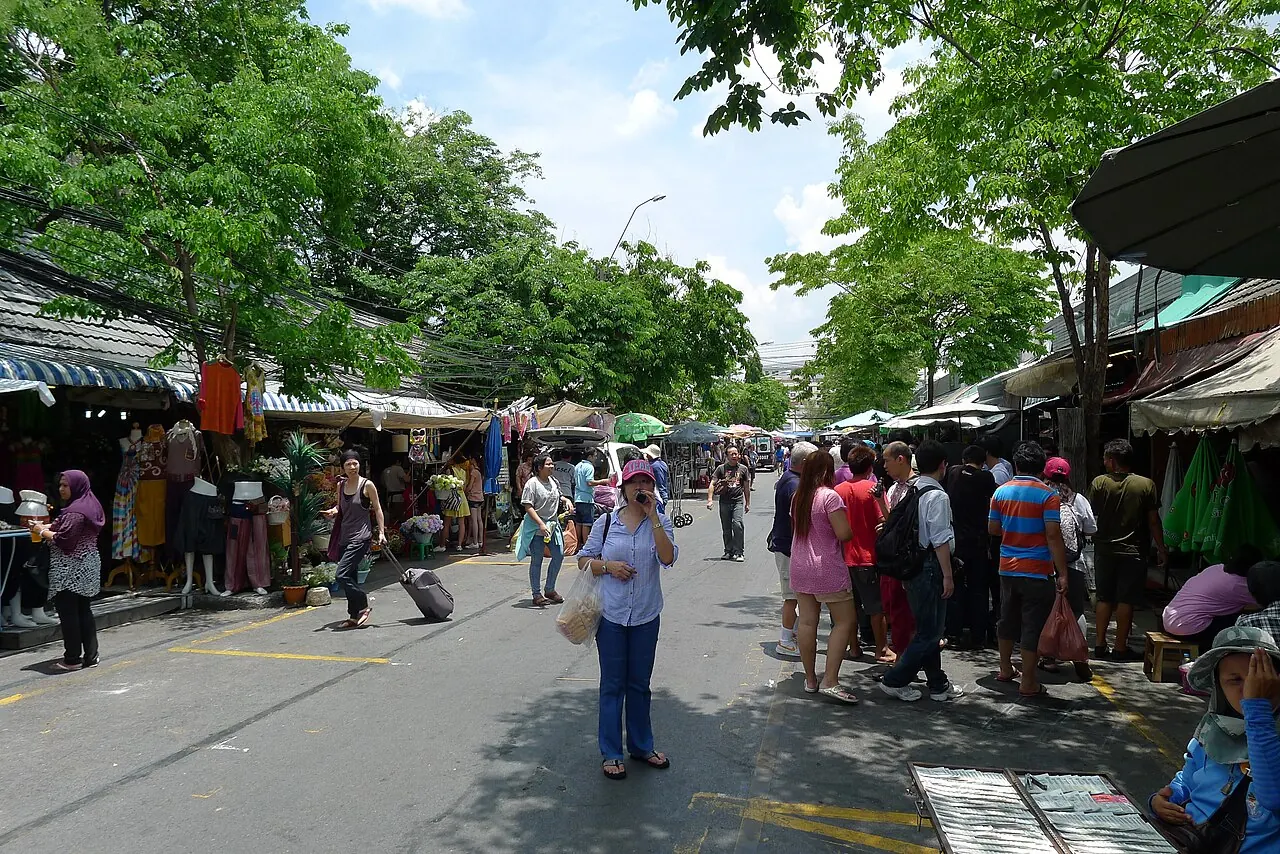
Chatuchak is best approached as a set of market lanes to explore rather than a shopping centre to complete. Choose a modest aim, perhaps ceramics, textiles or a few small gifts, and let that guide which aisles deserve your time. Browsing without buying is perfectly reasonable, and stopping for a drink can be more valuable than pressing on through another hot row of stalls.
Make the large weekend market the reason for a separate northern-city outing, not a quick detour between riverside temples. Parts of the wider market area have different trading days, so a weekday visit does not promise the same experience. Carry small money, keep purchases manageable and agree a clear rendezvous if travelling in a group. Avoid buying wildlife products or questionable antiques; attractive souvenirs are not worth uncertain export rules or an animal-welfare problem.
Plan it well: Save a photo of the entrance and a meeting point before splitting up; the repeated aisles are easy to confuse.
Tourism Authority of Thailand: BangkokFind breathing space in Lumphini Park
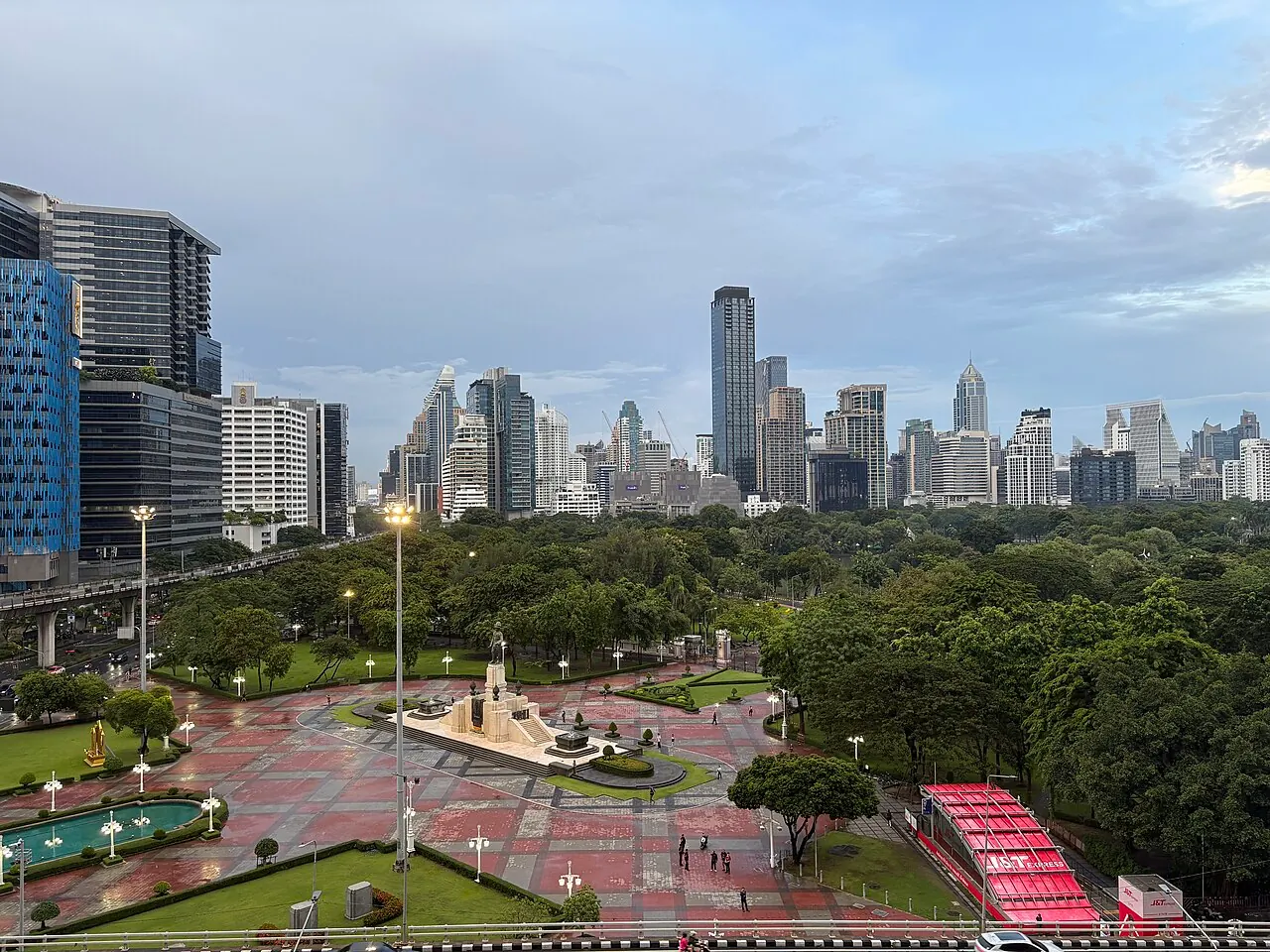
Lumphini Park offers a useful pause from Bangkok's dense streets. The lake, broad paths and mature trees provide a setting for a shorter walk that does not have to become another major sightseeing task. Pick one waterside stretch, sit in the shade and watch the park's ordinary rhythms rather than trying to follow every path or identify every building beyond the trees.
This works especially well on a day based around Silom or the central shopping districts, when another temple transfer would add more travelling than enjoyment. Early or late daylight is a sensible choice for comfort, with a shorter stay in strong midday heat. Check entrances on your map before setting out, since a park's centre pin is not an entry gate. Bring drinking water and leave room for walkers and runners sharing the paths.
Plan it well: Give wildlife space and keep food packed away; a city park is not a place to feed or approach animals.
Thailand government: Bangkok parksSee Bangkok's contemporary side at BACC
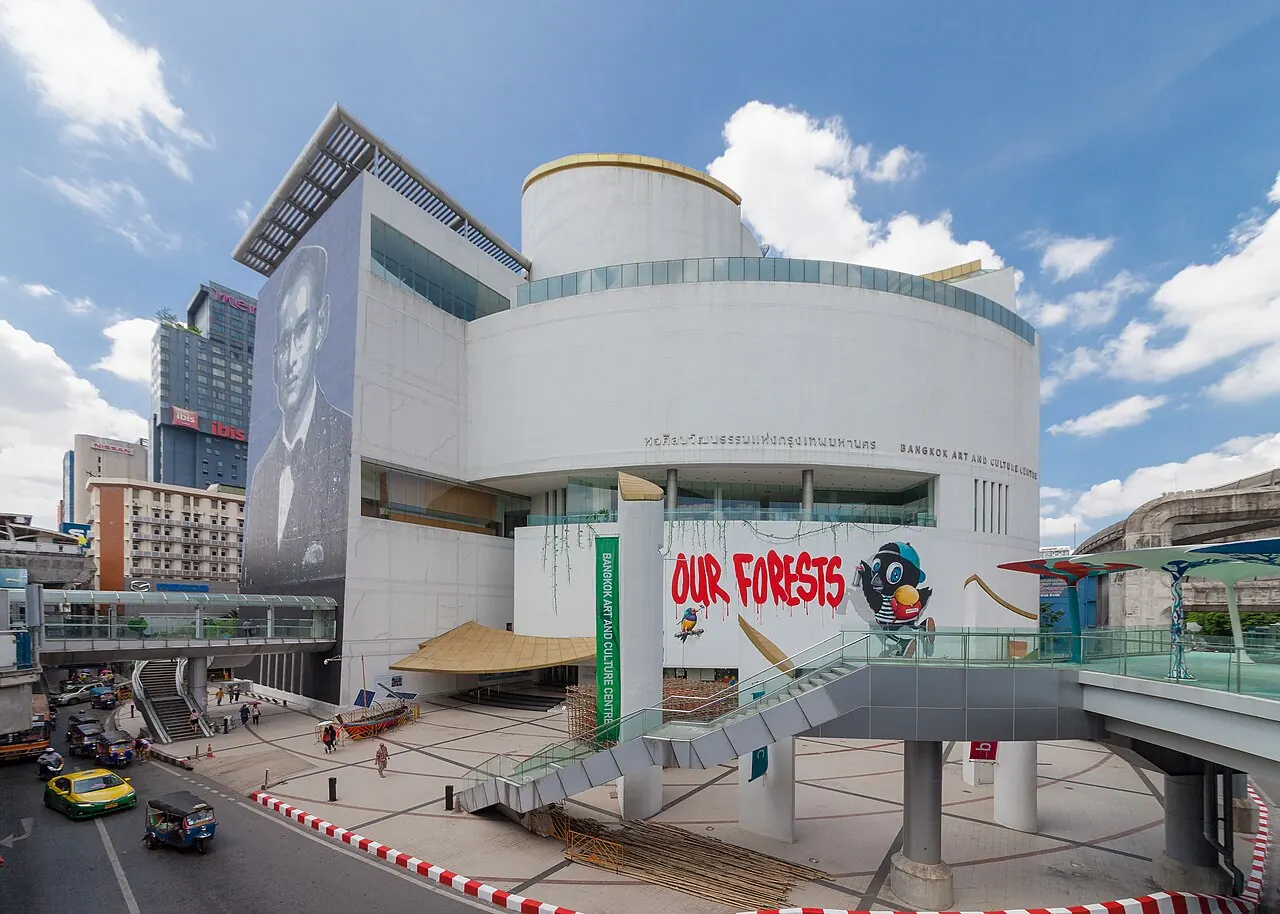
The Bangkok Art and Culture Centre is a strong counterpoint to a trip dominated by temples. Its changing exhibitions make room for contemporary voices, photography and other forms of creative work, so choose it for what is showing rather than expecting a fixed collection of famous masterpieces. The building's curved circulation also lets you browse at a different pace from a formal guided house tour.
Check the programme before crossing town. BACC's visitor page lists Monday closure, and special events can have separate charges even when ordinary exhibition entry is free. It also sets bag-storage and photography rules for the main galleries. Pair it with Jim Thompson House around National Stadium, or use it as the indoor anchor of a humid afternoon in Siam; either approach keeps the visit tied to an actual exhibition rather than filling time in a mall.
Plan it well: The National Stadium BTS connection reaches the third floor; exhibition and event access can differ.
BACC visitor informationTake the stepped route up the Golden Mount
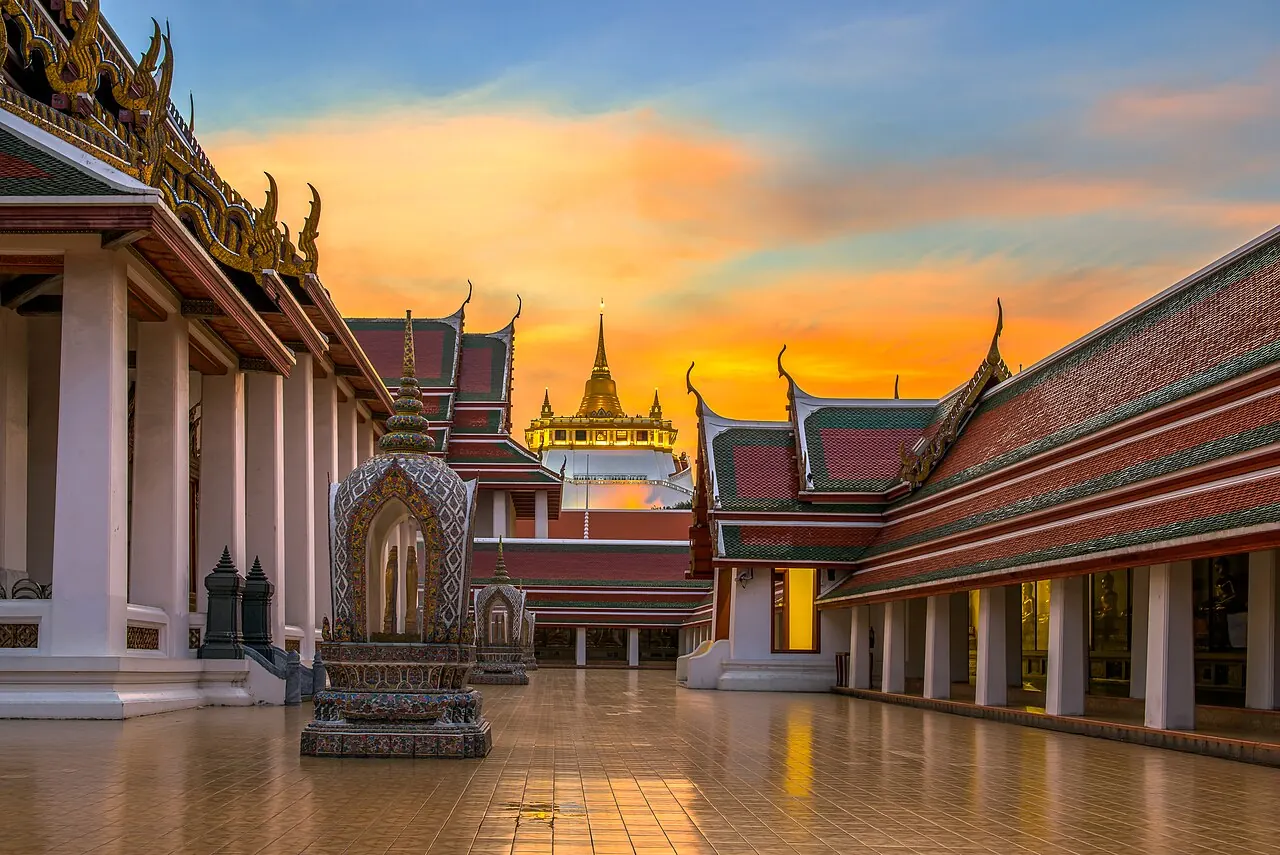
Wat Saket's Golden Mount offers a different kind of temple visit: the route upward matters as much as the view at the top. The elevated chedi lets you look over the lower buildings of the old city, a useful contrast with Bangkok's distant high-rise skyline. Bells, planting and landings give the ascent a rhythm; stop where appropriate instead of making it a fitness test.
Choose this when a climb sounds appealing, with water, sun protection and shoes suitable for steps. It belongs near an old-city itinerary but should not be squeezed between two appointments that leave no recovery time. Religious ceremonies or maintenance may affect the route, so follow signs and staff instructions. Afterward, return to street level for a meal or a neighbourhood walk, keeping the rest of the outing modest if the heat has made the ascent demanding.
Plan it well: This is a stepped climb, not a guaranteed step-free viewpoint; check current access if stairs are a concern.
Tourism Authority of Thailand: Golden MountMake Wat Traimit a thoughtful Chinatown stop
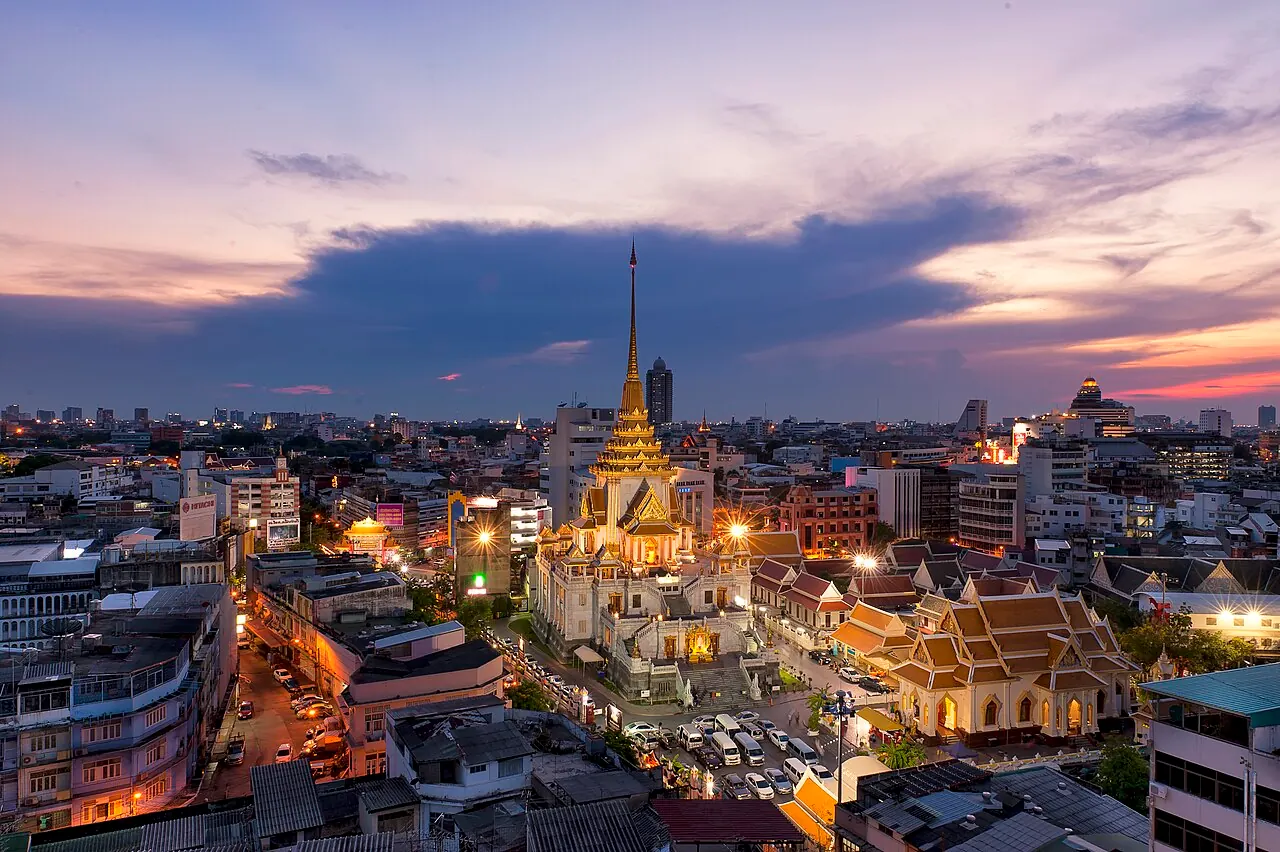
Wat Traimit gives a Chinatown outing a clear cultural anchor. Its celebrated gold Buddha is the reason many visitors arrive, but the temple also encourages a distinction between the busy commercial streets outside and the deliberate quiet of a shrine. Look at the setting and the way worshippers use it, keeping clear of people praying rather than turning the room into a photographic queue.
The Tourism Authority of Thailand identifies the Buddha's elevated setting in the temple building, which makes stairs and actual visitor access worth checking before arrival. Allow time for the visit before a wider Chinatown food walk rather than trying to fit the shrine into an evening when religious areas may no longer be accessible. Choose food venues individually, and ask about ingredients or allergens directly instead of assuming every stall can accommodate dietary needs.
Plan it well: Arrive dressed for a temple before continuing into Chinatown; a food walk does not remove shrine etiquette.
Tourism Authority of Thailand: Wat TraimitPut the city's royal history in context
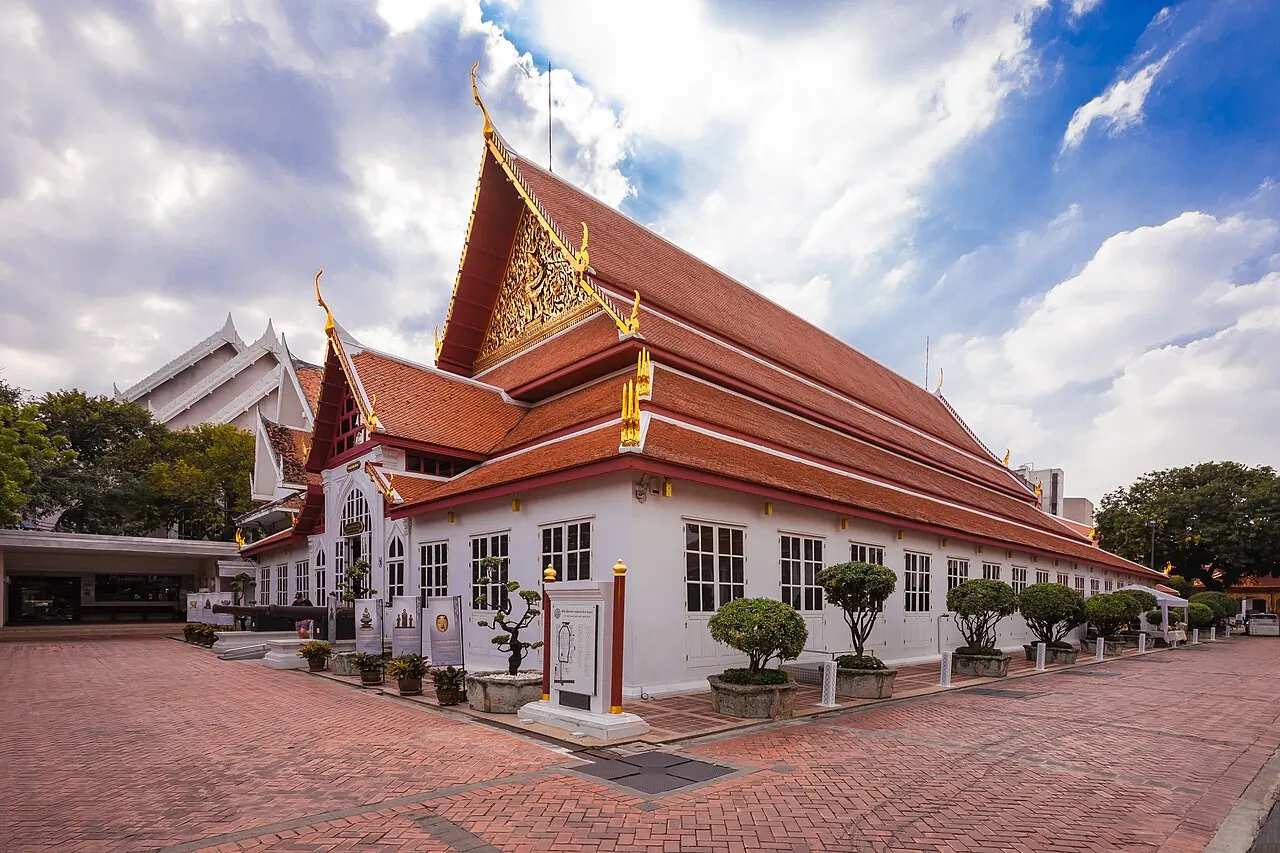
The Bangkok National Museum is a useful choice when palace roofs and temple images have raised questions you want to pursue indoors. Its former Front Palace setting brings royal architecture into the visit, while Thai art and historical collections help place individual objects in a wider story. A focused route through a few galleries is likely to be more rewarding than a hurried attempt to absorb every period.
Plan this as the principal museum visit of an old-city day, checking the Fine Arts Department's current notices for visiting arrangements and gallery access. The buildings and courtyards mean the experience is not entirely an air-conditioned escape, so retain your water and weather plan. Sanam Luang and the Grand Palace district are nearby, but combining the museum with every major temple would leave little attention for the collections you came to understand.
Plan it well: Choose a few collection themes before starting; the museum is a substantial visit, not a palace-day afterthought.
Fine Arts Department: Bangkok National MuseumHow to spend two days in Bangkok
Day one: the river and royal city
Begin with the Grand Palace after checking entrance notices and dress rules. Add Wat Pho, then cross to Wat Arun if you still want another temple. Keep lunch and the crossing flexible; the National Museum or Golden Mount is an alternative main stop, not an extra obligation.
Day two: houses, current art and a park
Join the guided visit at Jim Thompson House, then see the current BACC exhibitions if it is not Monday. Finish with a shorter walk in Lumphini Park. On a weekend, swap the morning for Chatuchak and reduce the afternoon; Chinatown and Wat Traimit suit another outing.
Before you go
Plan around Bangkok's distances
Use rail for the central districts and confirm river piers for temple trips. A short distance on a map can still mean a slow road transfer; leave generous space before timed visits.
Dress for religious places
Pack clothes that cover shoulders and legs, and follow each site's requirements. The Grand Palace publishes stricter rules than many temples, so do not rely on a borrowed shawl.
Grand Palace dress rulesMake heat and rain part of the schedule
Carry water and a compact umbrella, use indoor museum stops during heavy rain and avoid stacking outdoor climbs in the hottest part of the day. Check venue-specific access for mobility needs.
Choose a base for your main outings
Choose a riverside or old-city base if temples and the National Museum are your main priorities, or stay near a convenient BTS or MRT station for Siam, Silom and market trips. Compare the actual walk to the station, room layout and transfer requirements rather than choosing solely by skyline views.
Explore Bangkok hotels