
Phuket city guide
Phuket Beach Escape: Bays, Viewpoints and Island Culture
Choose the right Phuket beach, read seasonal sea conditions, follow southern viewpoints, explore local culture and shape a balanced three-day island break.
Plan your visit
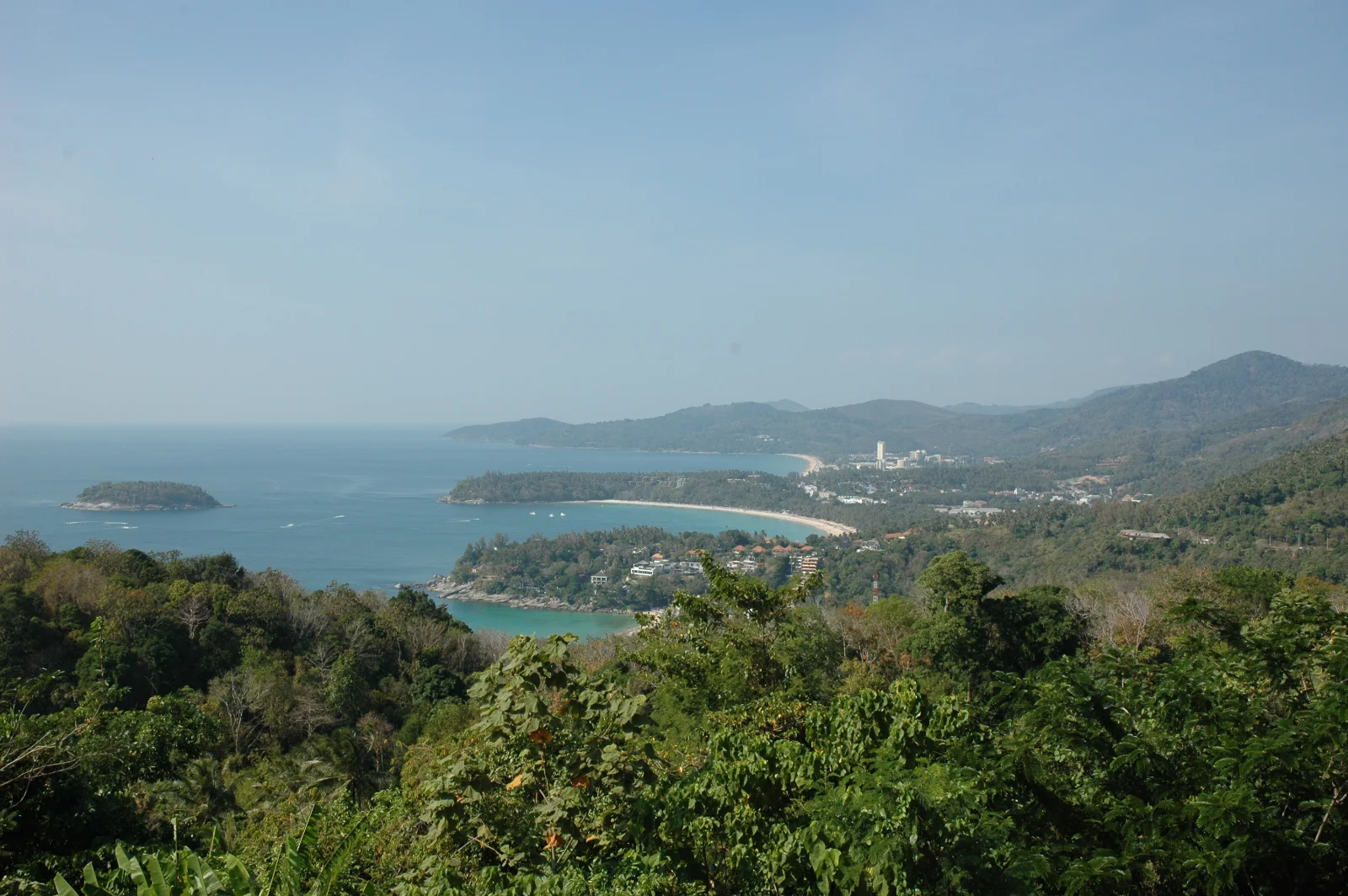
Phuket is not one beach but a chain of bays with different wind exposure, access and atmosphere. Nai Harn and Kata suit travellers who want a scenic southern base, Karon offers a broad shoreline, and the quieter north rewards those prepared for longer transfers. The southwest monsoon can transform water conditions, so beach choice should follow the day’s flags and local advice rather than a fixed checklist. A rewarding short stay combines one well-chosen swimming beach, the southern viewpoint route and time for local food, temples or the old town. This guide keeps the island manageable, with practical decisions about safety, transport and seasonality built into each day.
Choosing a Phuket beach
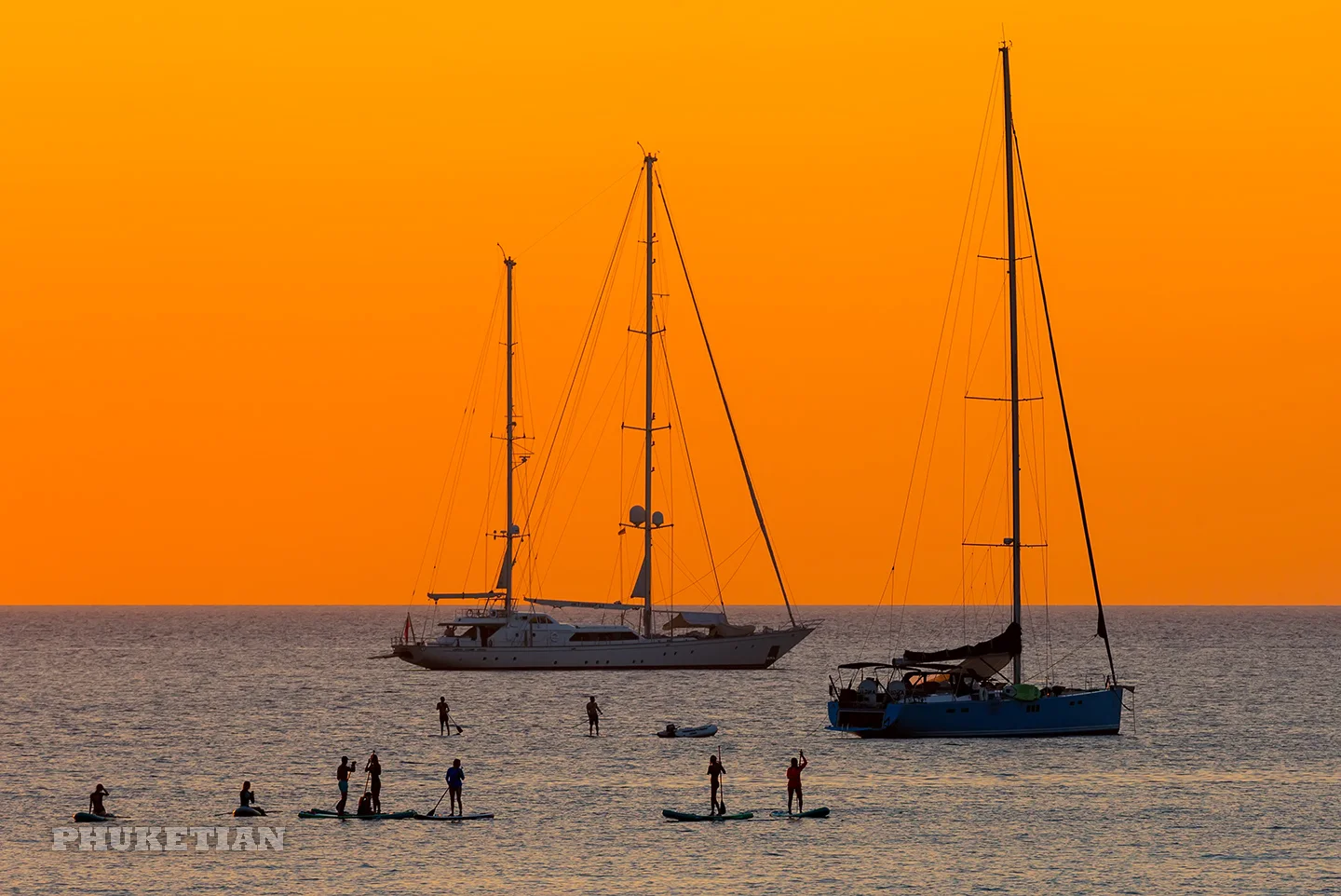
Nai Harn is a strong choice for a scenic beach day in the south, with a compact bay and useful access to nearby viewpoints. Kata balances swimming, restaurants and a lively resort setting, while Karon provides a longer, more open stretch of sand. Patong suits travellers prioritising nightlife and services rather than a quiet shore. Beaches in the north can feel calmer but require more travel. Decide by sea conditions, transfer time and desired atmosphere. Do not assume that a sheltered-looking bay is safe: check flags and ask lifeguards or local staff before entering the water.
Plan it well: Choose one beach well instead of spending the day transferring between bays.
Tourism Authority of Thailand: PhuketWater safety and seasonality
Phuket’s west coast is strongly affected by the southwest monsoon, when waves and rip currents can intensify even on bright days. Obey red flags, use guarded swimming areas and never enter simply because other visitors are in the water. During calmer months, conditions can still change with wind and tide. Protect against heat and strong UV, drink regularly and schedule exposed beach time outside the hottest hours. For snorkelling, avoid standing on coral, touching marine life or feeding fish. If a beach is unsafe, switch to a viewpoint, museum, temple or food-focused day rather than forcing a swim.
Plan it well: Treat every red flag as a firm stop and choose a land-based alternative.
Thai Meteorological Department climate dataThe southern viewpoint route
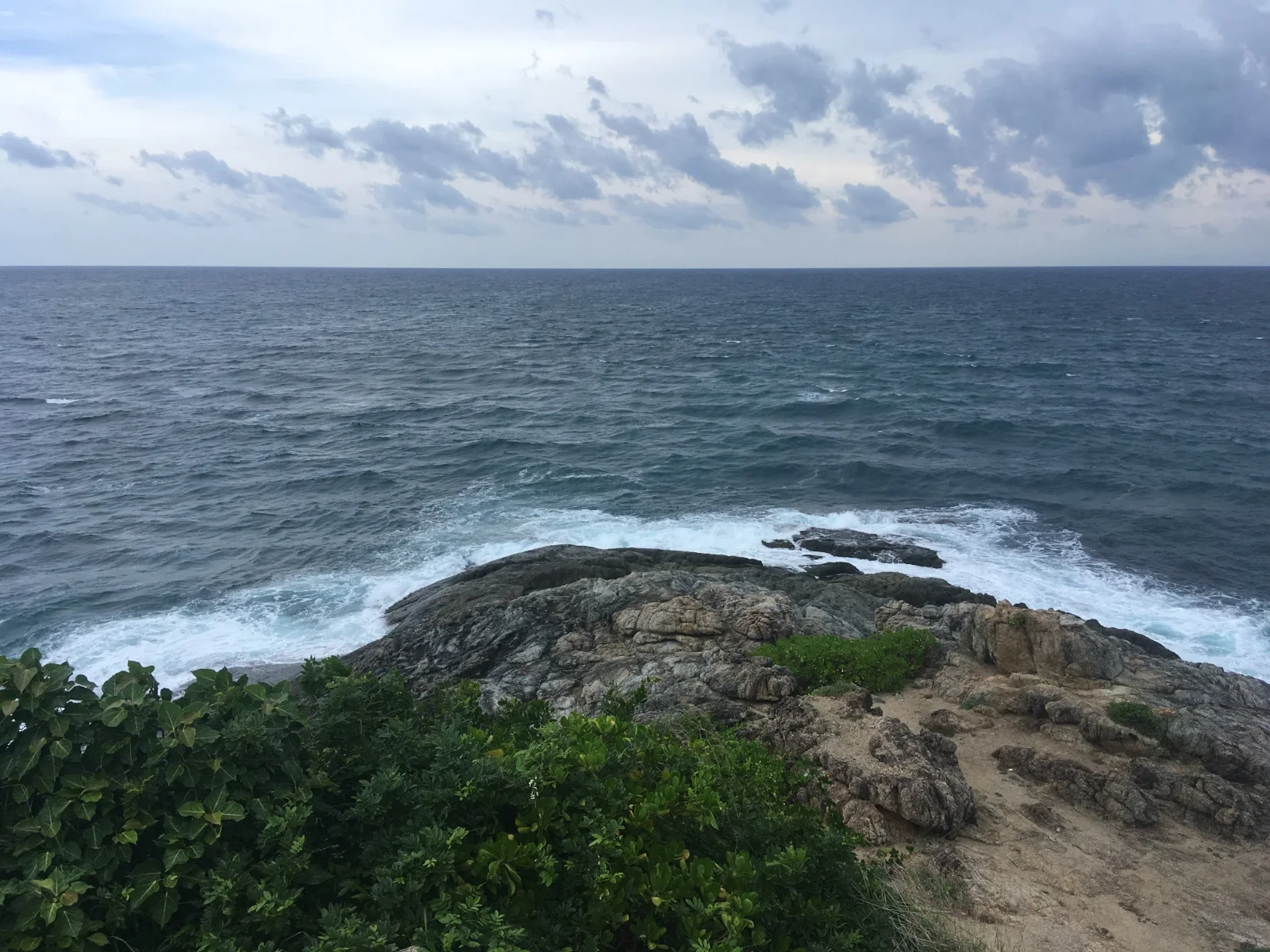
The southern coast is best understood as a measured route rather than a race between photo stops. Begin around Karon Viewpoint for the layered view across Kata Noi, Kata and Karon, then continue toward Nai Harn and Promthep Cape. Use designated terraces and remain behind barriers, especially where slopes are exposed. Traffic and heat make walking the entire sequence impractical, so use a licensed taxi, local transport or a carefully planned rental. Visit early or later in the day, allow time at each stop and keep the road itself secondary to the coastline you came to see.
Plan it well: Plan the return transport before sunset crowds build at Promthep Cape.
Tourism Authority of Thailand: things to do in PhuketCulture and food responsibly
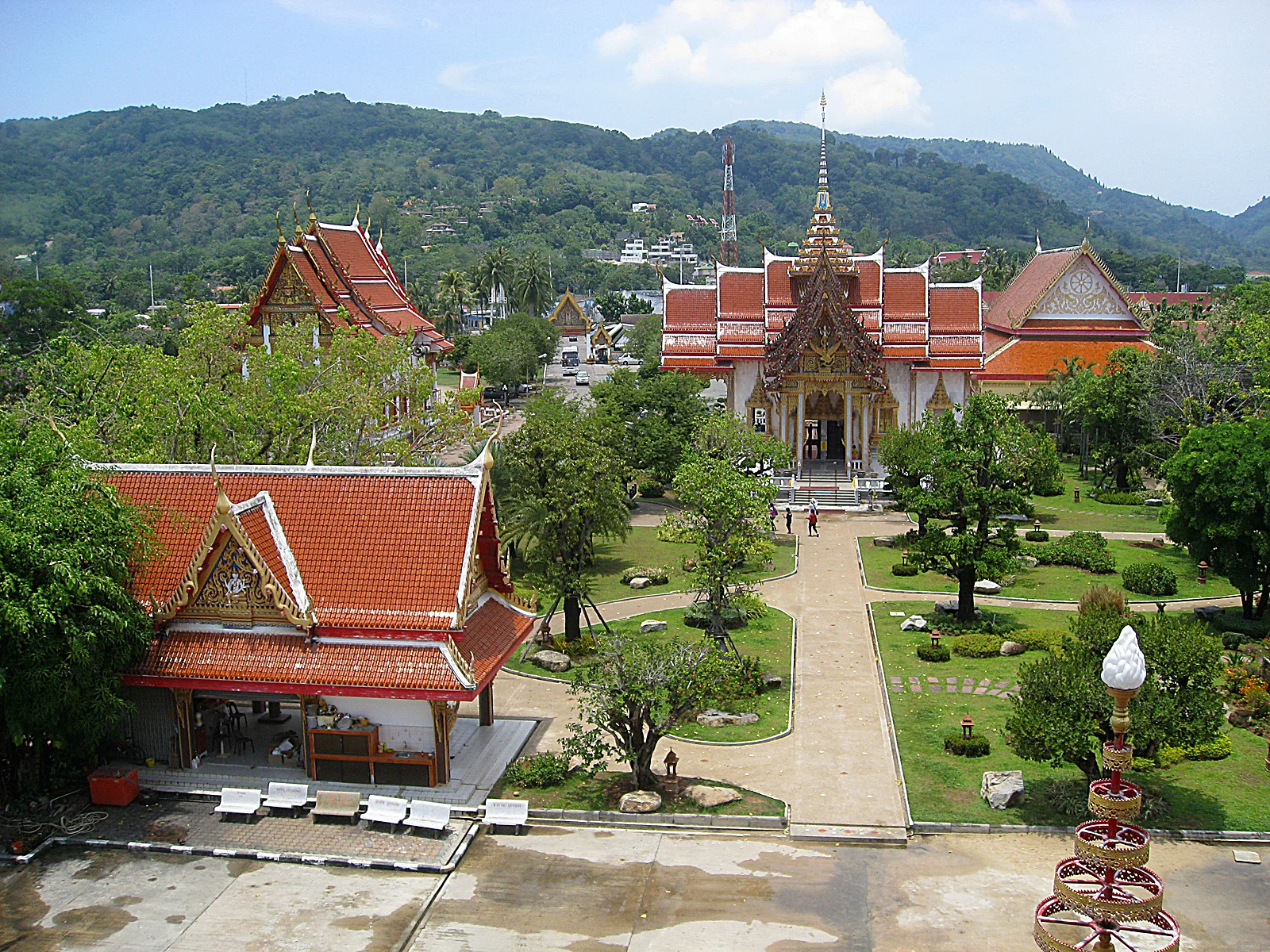
Wat Chalong and Phuket Old Town add context beyond the resort coast. At temples, cover shoulders and knees, remove shoes where requested and keep voices low. In the old town, explore Sino-Portuguese streets without treating homes or working businesses as photo sets. Phuket’s food reflects Thai, Chinese, Malay and Peranakan influences; look for local dishes at established markets and small restaurants, ask what is seasonal and order gradually to reduce waste. Avoid wildlife attractions that encourage touching, performances or close handling, and never buy coral, shells or products made from protected animals.
Plan it well: Dress respectfully at temples and choose food or craft experiences over wildlife handling.
Department of Marine and Coastal ResourcesAccess, bases and island logistics
Kata or Karon work well for travellers seeking repeat beach access and a broad choice of restaurants. Nai Harn offers a quieter southern base, while Phuket Old Town suits culture and food but requires a transfer to the west-coast beaches. Patong is the most service-heavy option and can be noisy. Distances on the island are deceptive because traffic slows road journeys, so group activities by area. Agree taxi fares or confirm the meter before departure, use licensed operators and avoid stacking distant beaches into one day. Travellers with mobility needs should verify the precise route from road to sand.
Plan it well: Group each day by one part of the island and allow extra road time.
Sirinart National ParkA balanced three-day island plan
Day one can pair a morning at Nai Harn or Kata with Karon Viewpoint and a later visit to Promthep Cape. On day two, choose one beach according to the flags and sea state, then spend the afternoon in Phuket Old Town for food and architecture. Use day three for Wat Chalong and either a calmer northern coast or a second beach close to your base. If conditions are rough, replace water time with cultural stops, markets and viewpoints. This structure gives the island room to breathe and limits traffic without reducing the contrast between beaches, hills and local culture.
Plan it well: Let the daily flags decide which beach day happens first.
Tourism Authority of Thailand: Phuket