
Dushanbe city guide
10 things to do in Dushanbe
A thoughtful introduction to Dushanbe: archaeological treasures, gardens, national monuments and craft-filled halls, with Hisor as an optional half-day excursion.
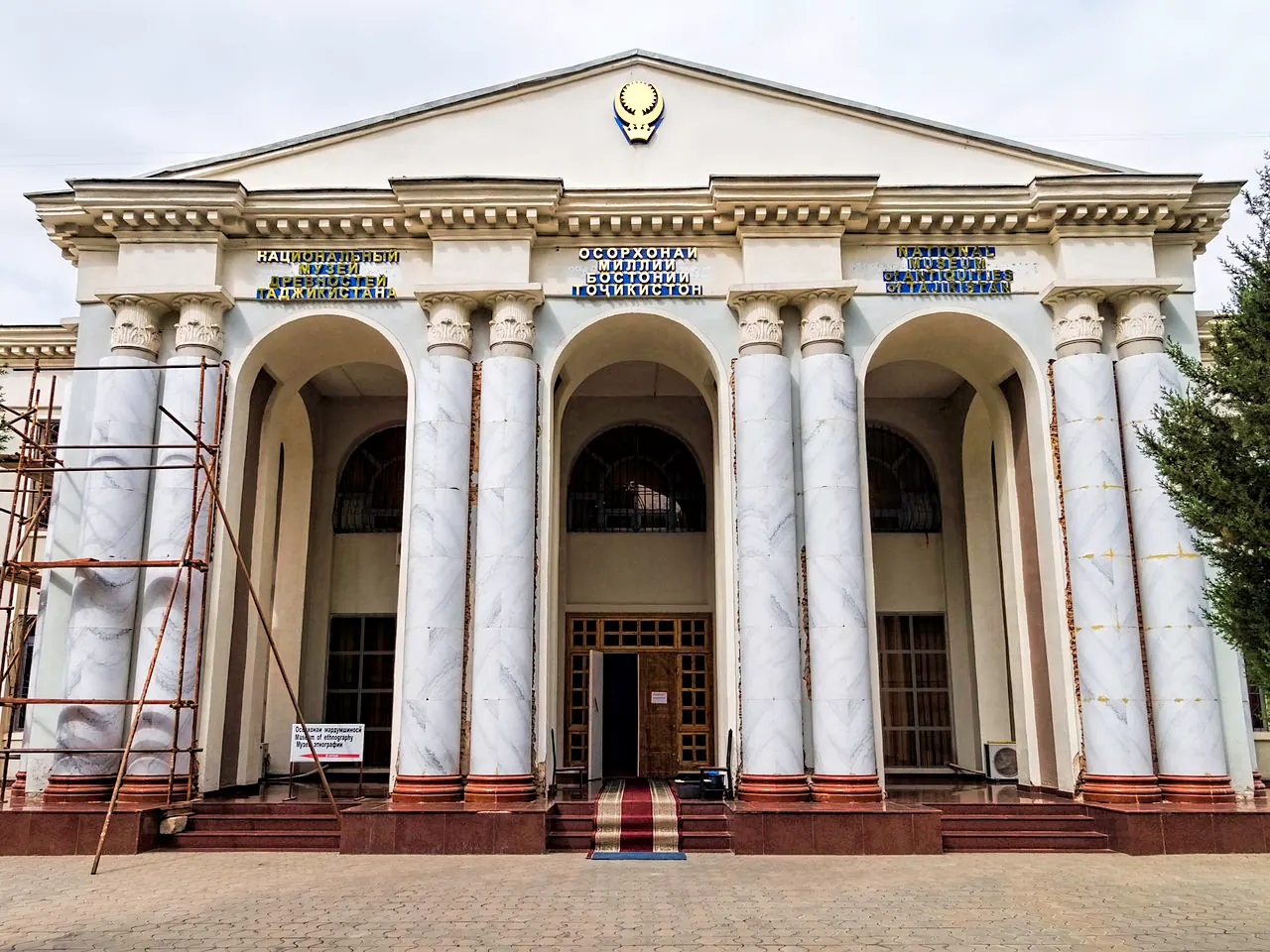
Plan your visit
Give Dushanbe time beyond the drive to the Pamirs. Archaeology, Persian-Tajik literature and modern nation-building meet in the capital, while its parks provide welcome space between indoor visits. The two major museums are different institutions, and Hisor is a separate trip outside the city. Pick the subject you want to understand first, then build the day around nearby places instead of trying to complete all ten.
Meet the older worlds behind modern Tajikistan
The Museum of Antiquities is the most focused introduction to the ancient cultures behind modern Tajikistan. Its archaeological collections bring together objects from very different religious and artistic traditions, including the celebrated reclining Buddha from Ajinateppa. Look for how materials, figures and decorative details change between displays; that is more rewarding than trying to attach a single identity to everything you see in the building.
Make this a deliberate museum visit, with enough time to look closely and ask questions about provenance. It is not the newer National Museum near Flagpole Park, despite similar names on tour listings. Ask staff about current visitor arrangements, footwear rules and available interpretation when you arrive. If you plan a later trip to an archaeological site, note which objects came from that area rather than expecting the city museum to substitute for the landscape itself.
Plan it well: Use the full museum name and address to avoid being taken to the other national museum.
National Museum of Antiquities official collection informationChoose a broader national story at the National Museum
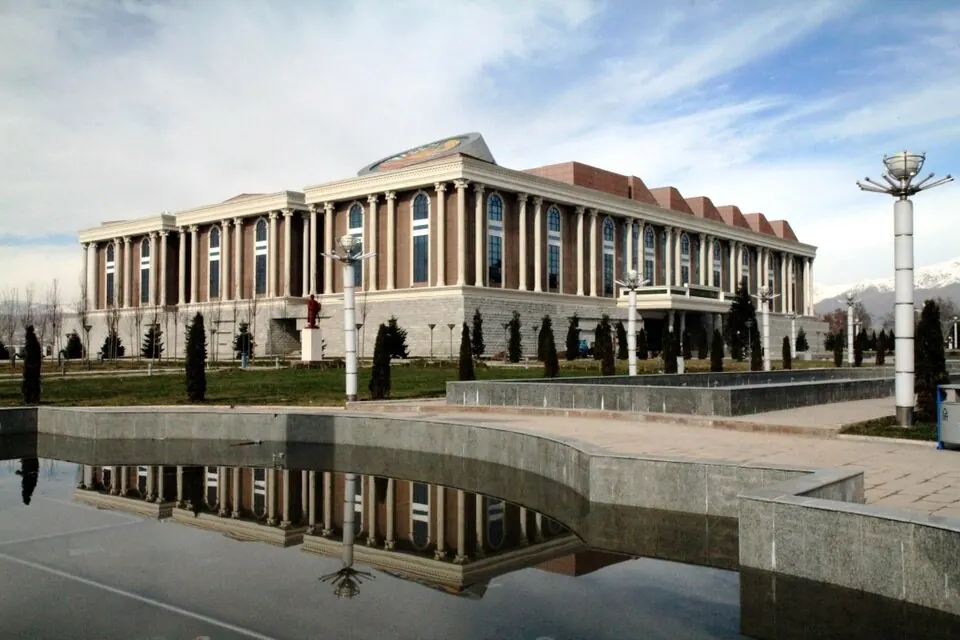
The newer National Museum provides a wider survey than the archaeology-focused Museum of Antiquities. Its departments cover nature, historical periods and fine or applied arts, so it suits visitors who want to compare the country as a physical landscape with the way its history is presented. Decide which department matters most to you before entering instead of trying to make every floor an equally detailed visit.
The building lies near the monumental parks of central Dushanbe, which makes an indoor visit and an outdoor walk a useful combination. Ask which sections are open and how long your chosen visit is likely to take; a large building does not mean you should devote the entire day to it. If you have time for only one museum, choose between this broad survey and the antiquities collection rather than hurrying through both.
Plan it well: Keep the afternoon park walk flexible around the galleries you actually choose.
Tajik government directory: National Museum departmentsFind literature and breathing space in Rudaki Park
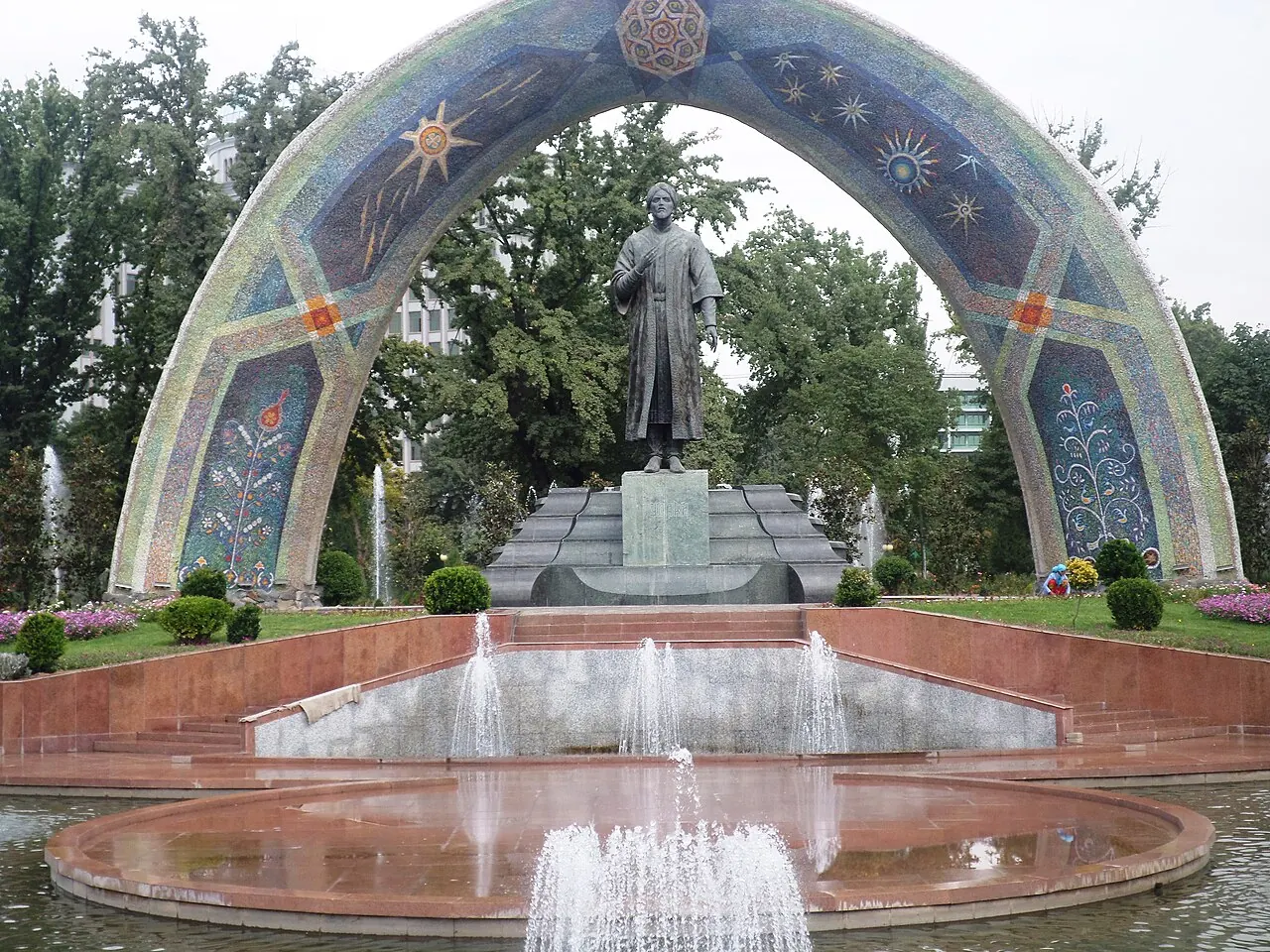
Rudaki Park offers a quieter way into the capital than a sequence of museum rooms. The monument to the Persian-Tajik poet provides a focal point, but the planted paths and open spaces are just as useful for understanding how residents use the centre. Walk slowly enough to notice the relationship between a literary figure, a carefully designed landscape and the surrounding modern institutions.
Include the park between the Somoni monument and Flagpole Park rather than treating all three as one indistinguishable attraction. Each presents a different aspect of national identity, and a pause on a bench helps separate them. In strong sun, choose a shorter shaded route and carry water. Fountain operation and event preparations vary; the park remains worth considering without planning your visit around a guaranteed display or a particular evening illumination.
Plan it well: Use the park as a break, not just a shortcut between monuments.
Tajik Tourism Committee: Abuabdullo Rudaki ParkRead the symbolism of the Somoni monument
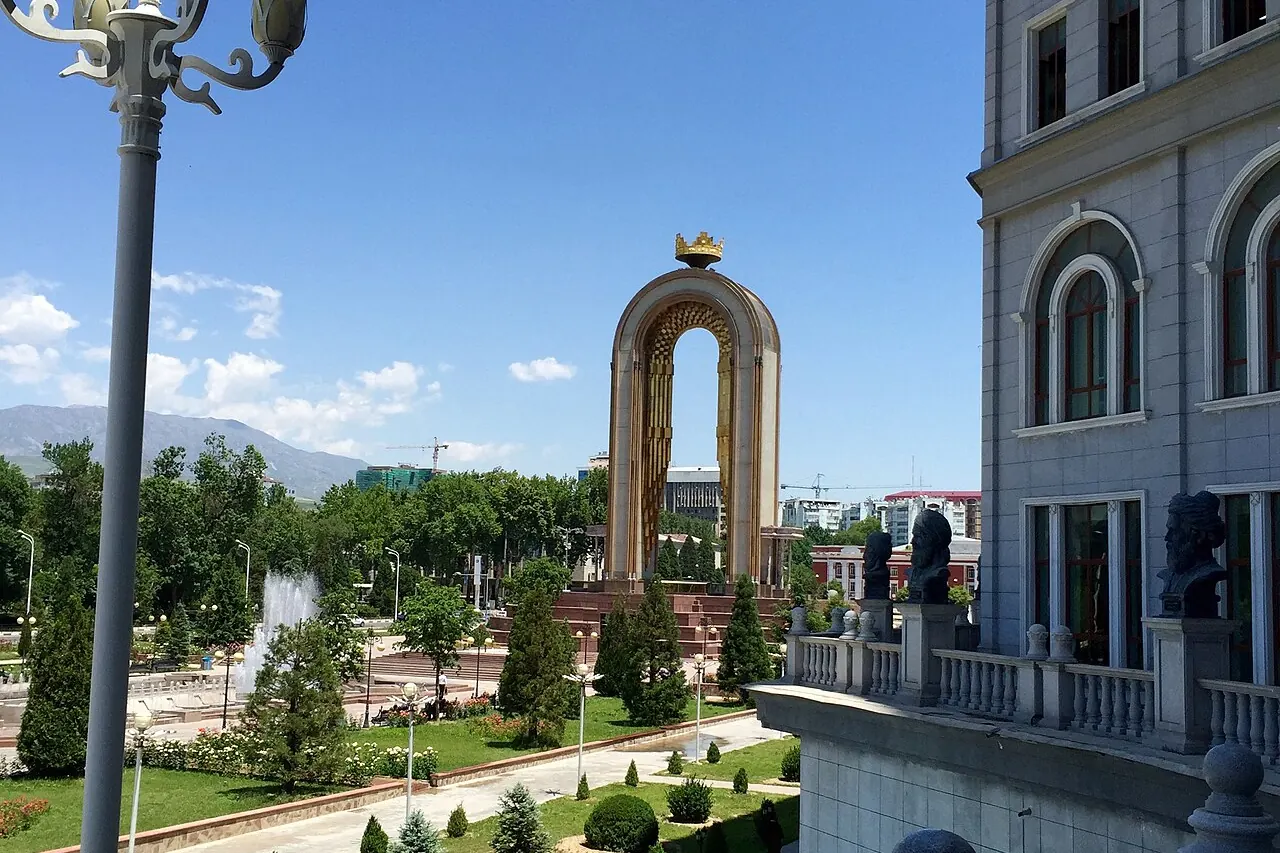
The Ismoil Somoni monument is a useful place to consider how Dushanbe connects a modern national capital with the Samanid past. Look at the complete composition, not only the central figure: the arch, crown and flanking forms give the statue its ceremonial setting. The monument makes more sense after a museum visit has supplied a little historical context, rather than as an unexplained photograph on a hurried city tour.
Keep the stop modest in length and leave room for the nearby park. Dusti Square is a public and ceremonial space, so an unobstructed view can change when events or security arrangements are in place. The tourism authority describes additional elements associated with the monument, but do not assume every interior space is open to casual visitors. Start with the permitted exterior and ask locally before trying to enter or arrange a more specialised visit.
Plan it well: Combine the exterior with Rudaki Park and respect any ceremonial barriers.
Tajik Tourism Committee: Ismoil Somoni monumentSee the flagpole within its park setting
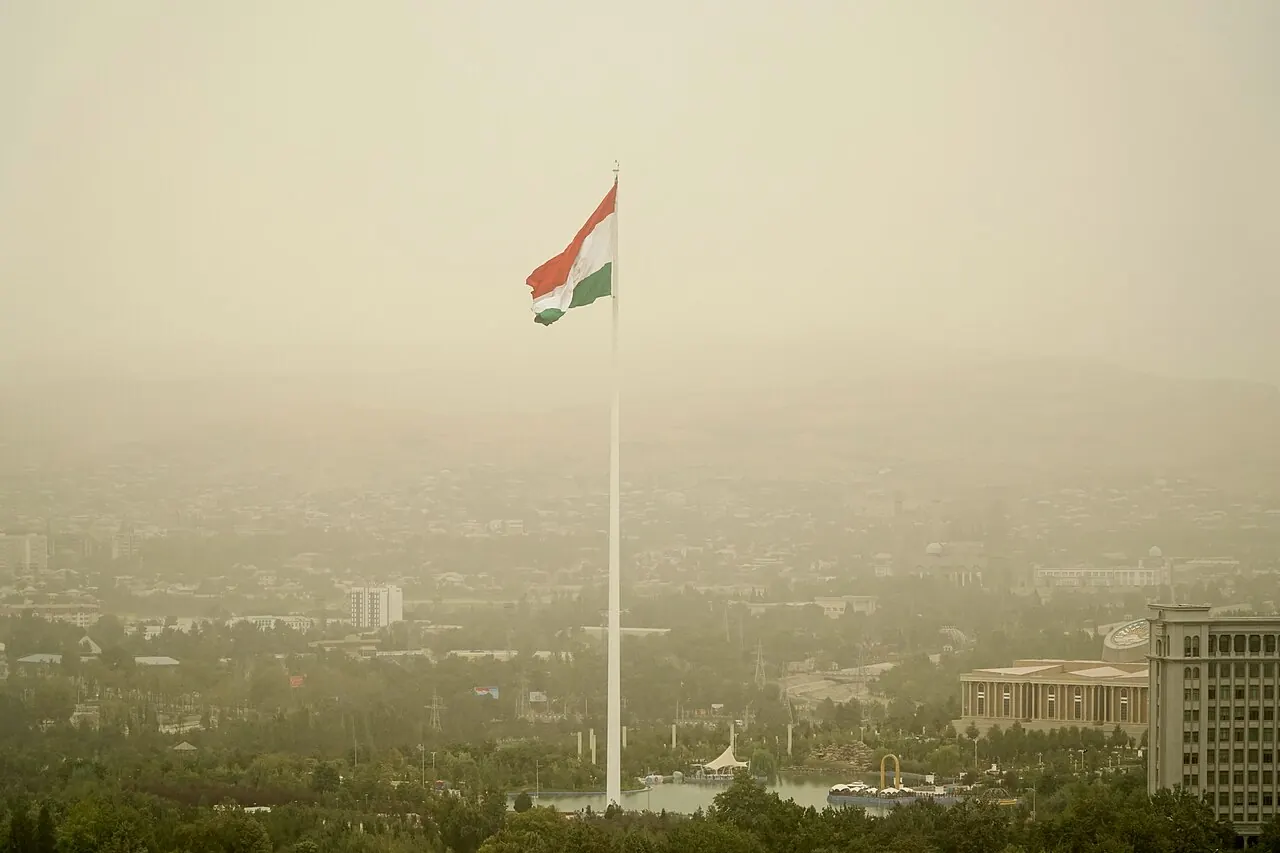
Dushanbe Flagpole is impressive partly because of the open space around it. Rather than walking straight to the base and leaving, find a viewpoint that includes the park and surrounding buildings. The scene shows the scale of the capital's ambitious ceremonial landscape, and it makes a useful contrast with the older objects and smaller details you have seen inside the museums.
The pole once held a world height record, but calling it the tallest today would be misleading. Treat it as a distinctive local landmark rather than a competition to collect superlatives. Our suggested stop is the public park, not a climb, an observation platform or access to nearby government grounds. Bring sun protection for exposed stretches and keep your route on clearly accessible paths if preparations for an official event change the usual approaches.
Plan it well: The park is the visitor experience; the pin does not imply access to the pole or government grounds.
Tajik Tourism Committee: National Flag ParkLook for the craft inside Navruz Palace
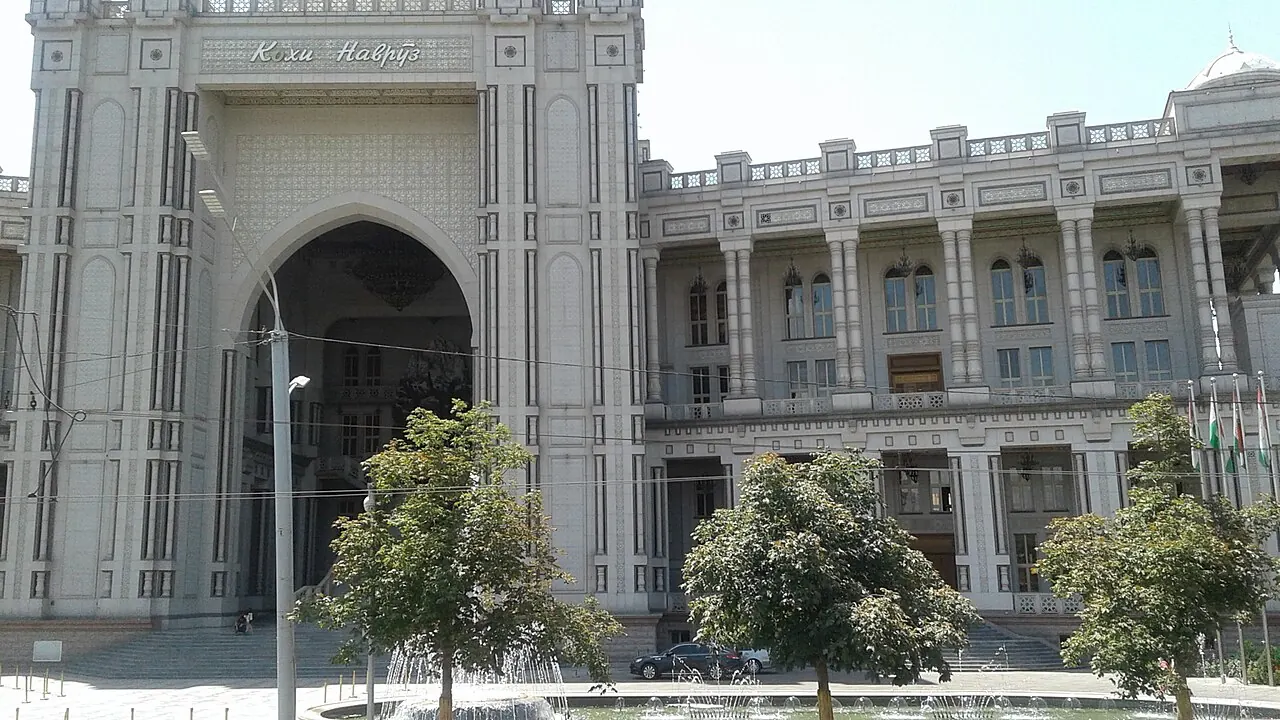
Navruz Palace is the place to look at the scale of contemporary Tajik decorative craft. Its richly worked halls bring carving, painted surfaces and architectural ornament into a modern ceremonial building. If a visitor tour is available, focus on how different materials are combined rather than simply counting decorated rooms. A guide who can explain the techniques adds more value than a rapid succession of photographs.
The palace is not an ordinary neighbourhood teahouse where a meal automatically includes access to every hall. Ask a recognised operator or the venue what can be visited on your date, and reconfirm when official functions are scheduled. An exterior stop is the fallback, not a failed visit. Keep enough time to reach the next appointment and do not assume a photograph of a particular room means that room will be included in your own tour.
Plan it well: Confirm the halls included and whether an official event affects the planned visit.
Tajik Tourism Committee: Kokhi Navruz visitor overviewChange pace among the trees of the Botanical Garden
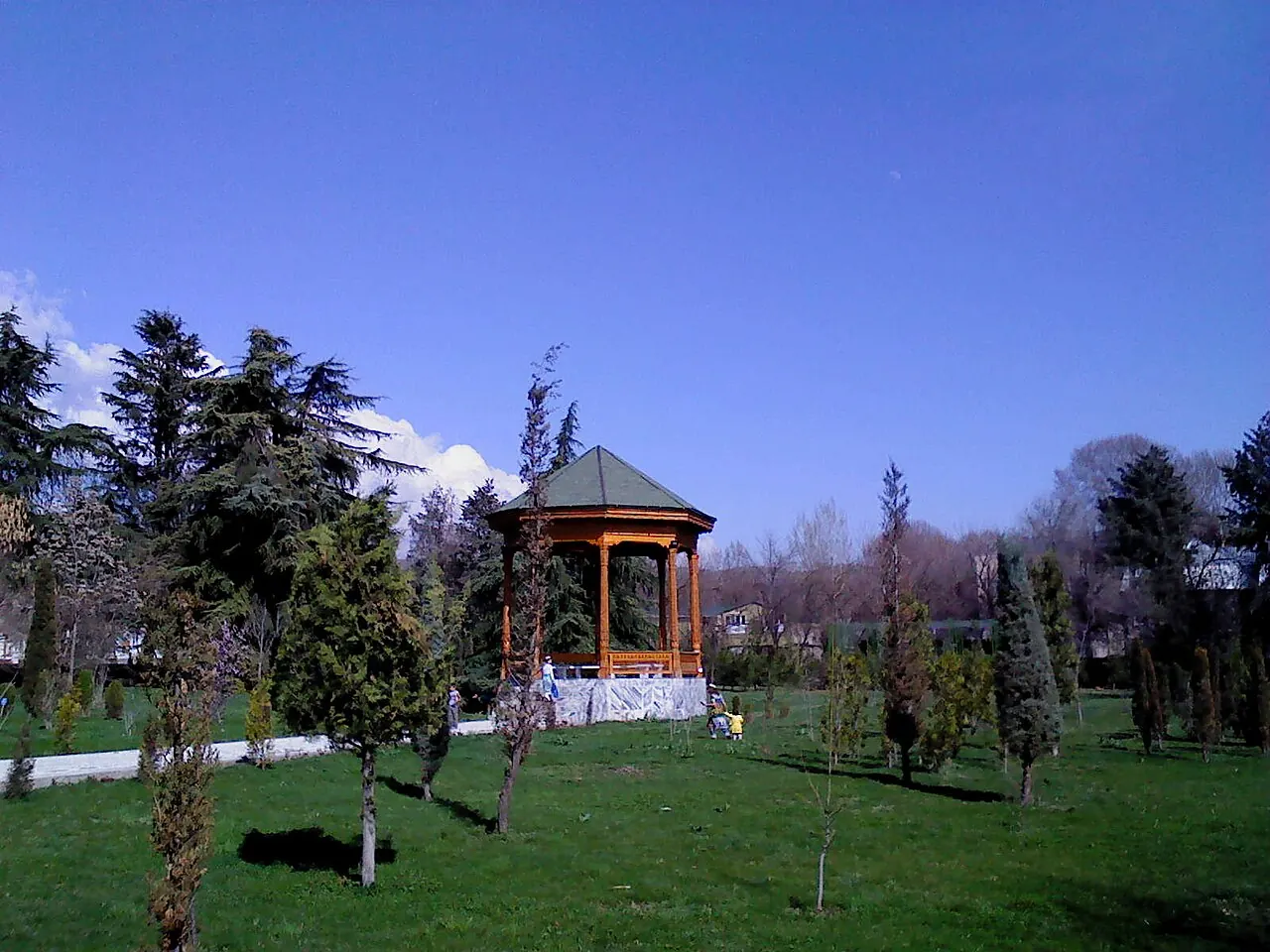
The Botanical Garden gives you a less monumental green space after the formal centre. Its botanical role and long-established plantings offer a different reason to walk: compare leaf shapes, shade and the arrangement of trees instead of looking for another grand statue. This is a good choice when you want fresh air but do not want to turn a short city stay into a demanding excursion.
Check the current visitor entrance and which parts of the grounds are accessible before travelling north. A botanical institution can contain research or service areas that are not public paths, and seasonal planting changes what is worth seeing. Leave the garden as an optional extension after Navruz Palace, or give it its own unhurried morning. Carry water and avoid stepping into planted beds for photographs, even when there is no obvious barrier.
Plan it well: Stay on visitor paths; planted and research areas are not picnic grounds.
Tajik Ministry of Internal Affairs: botanical garden heritage overviewLook at the capital through its National Library
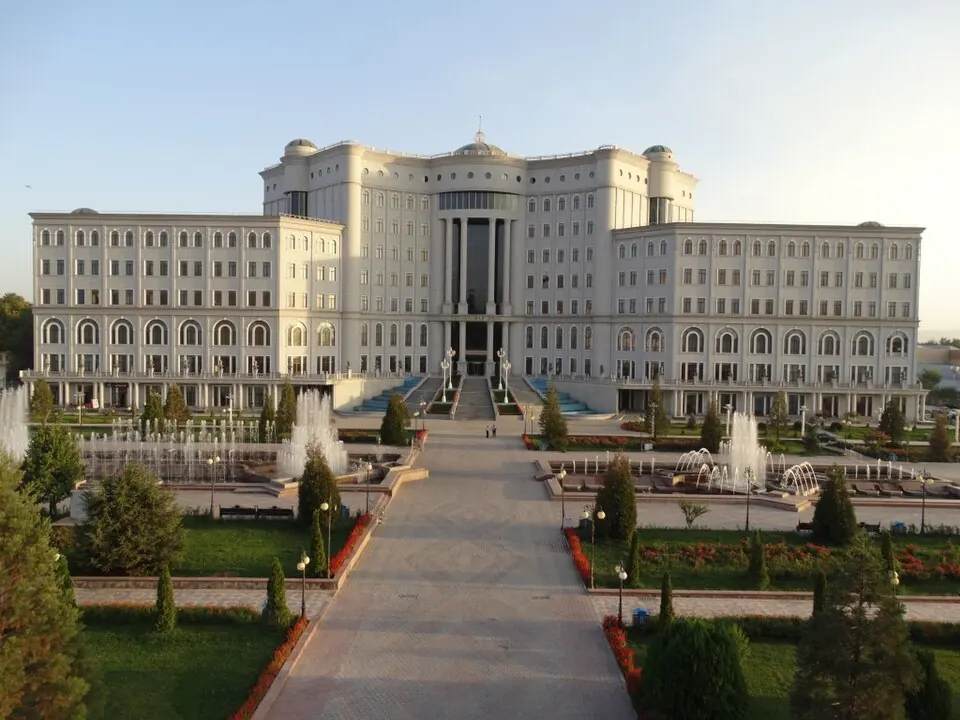
The National Library is a worthwhile architectural stop for travellers interested in how Dushanbe presents learning and literary heritage. Its substantial frontage belongs to the same modern civic landscape as the nearby parks, yet the purpose behind it is different: collecting and preserving written knowledge. Look at the building from the public approach and consider it alongside Rudaki Park rather than confusing it with another museum.
A working national library has registration, reading-room and collection rules, so a visitor should not expect unrestricted browsing merely because the exterior is prominent. Ask whether a public exhibition or arranged tour is available if you want more than the architectural view. Otherwise, a short exterior stop pairs well with the Somoni monument and a longer museum visit. Keep quiet around readers and staff, and seek permission before photographing any document or interior workspace.
Plan it well: Check visitor arrangements before entering; reading-room access is not automatic.
Tajik Tourism Committee: National LibraryGive Hisor a separate half-day outside Dushanbe
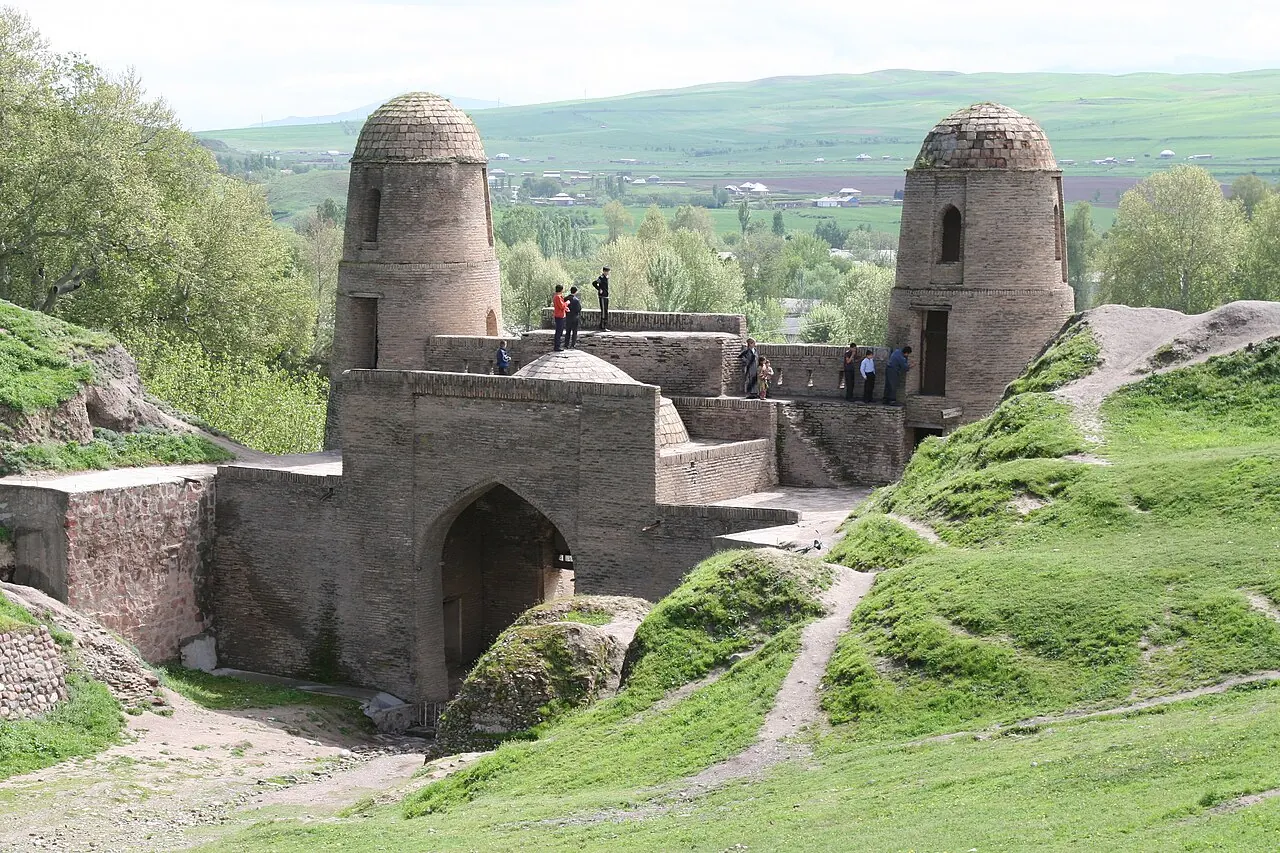
Hisor Fortress is the clearest historical excursion from this city list. Its gateway and surrounding heritage setting offer a physical change from Dushanbe's modern avenues, but the restored appearance should not be mistaken for an untouched medieval town. Look at how the gateway sits in the landscape and ask what is original, rebuilt or represented by interpretation before attaching a date to everything in a photograph.
Arrange transport to the fortress site specifically, not just to Hisor town, and agree the return journey before leaving the capital. Give the visit room for the associated heritage buildings that are actually open, without assuming every nearby museum or religious structure shares one ticket or timetable. Comfortable shoes matter on exposed or uneven surfaces. This is an alternative to a busy city afternoon, not an extra stop between two museum appointments.
Plan it well: Ask which associated buildings are open and included before paying for a tour.
Tajik Tourism Committee: Hisor FortressCombine remembrance with a city perspective at Victory Park
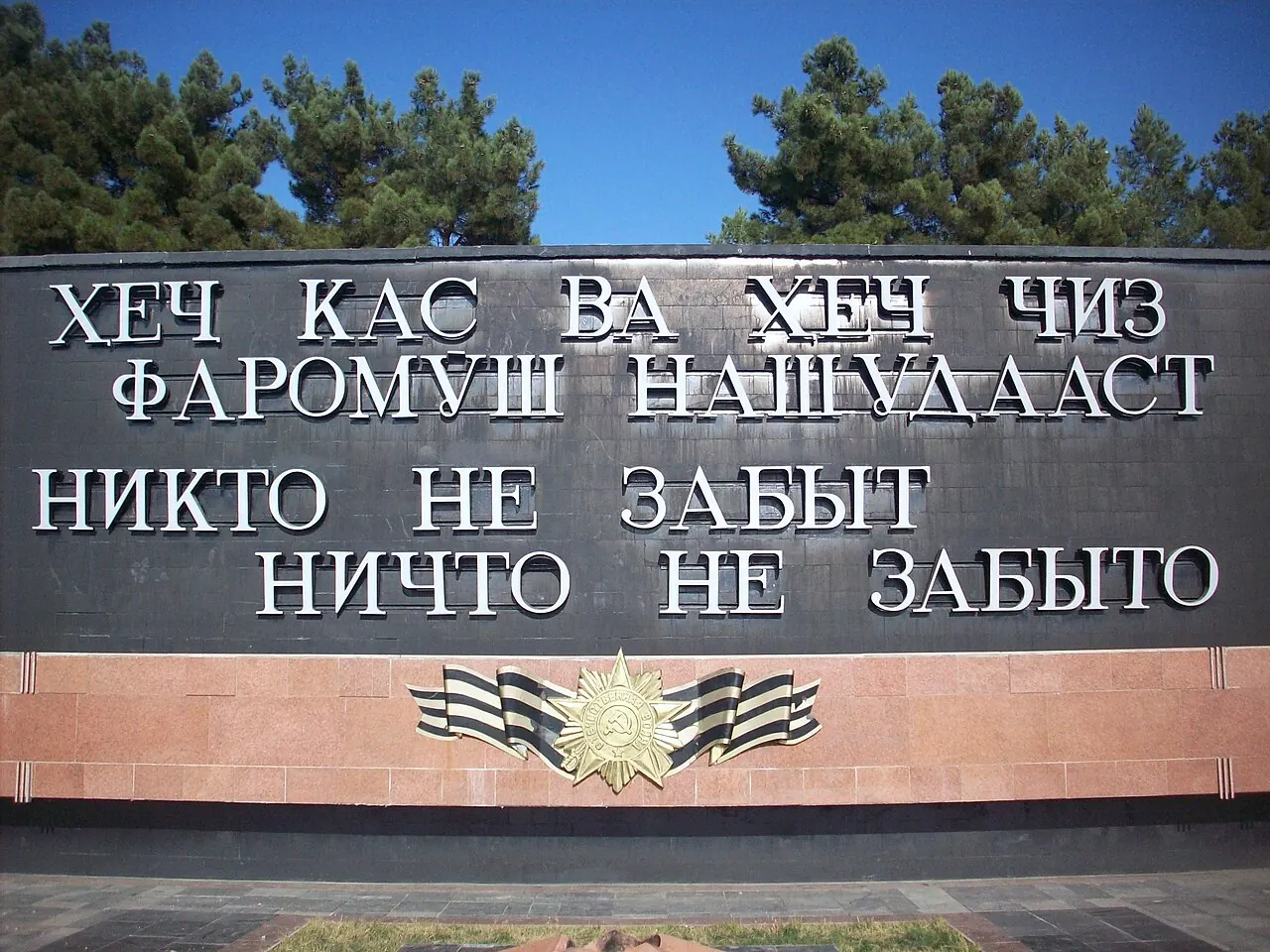
Victory Park combines a memorial purpose with a position above the capital. Begin with the commemorative structures and their meaning before treating the hillside as a viewpoint. The contrast between the formal memorial and the wider city below can be the most useful part of the visit, especially after you have spent a day among the centre carefully arranged monuments and public gardens.
The approach involves more effort than a flat central park, so discuss vehicle access and the final walking section if steps or slopes are a concern. Do not assume that every historical transport connection is still operating. Choose a daylight visit with an agreed way back and shorten the outing in poor visibility or uncomfortable weather. When people are paying respects, give them space; this should remain a considerate memorial visit rather than a backdrop for intrusive photographs.
Plan it well: Confirm the final walking approach and the way back before heading uphill.
Tajik Tourism Committee: Victory ParkHow to spend two days in Dushanbe
Day one: archaeology and the ceremonial centre
Start with the Museum of Antiquities, then allow lunch before the Somoni monument, a National Library exterior stop and Rudaki Park. Continue towards Flagpole Park only while the walk still feels comfortable.
Day two: one museum, one arranged visit
Choose the National Museum in the morning and a confirmed Navruz Palace visit later, with the Botanical Garden as an optional green break. Alternatively, give the morning or afternoon to Hisor with return transport. Victory Park is a separate daylight option, not an obligatory final climb.
Before you go
Use current entry guidance
Check visa, registration and any region-specific permits against official requirements for your nationality; a stay in Dushanbe does not authorise every onward route.
FCDO Tajikistan entry guidanceConfirm the museum name
The Museum of Antiquities and National Museum are separate buildings with different collections. Use the full name when arranging a driver.
Plan for exposed walks
Carry water and sun protection for monumental parks and Hisor. Ask about steps and vehicle access for the hillside memorial before committing to the visit.
Stay near the city programme you choose
A central base near Rudaki Avenue suits the monuments and museum visits, while a property convenient for your driver can help with a Hisor excursion or an onward journey. Compare actual entrances, room cooling, reliable luggage storage and late-arrival arrangements. Being beside a famous park is less useful if the room or transfer details do not suit your trip.
Explore Dushanbe hotels