
Ashgabat city guide
10 things to do in Ashgabat
Parthian ruins, exceptional carpets and monumental civic architecture, with an access-aware plan for a first visit to Turkmenistan's capital.
Plan your visit
Ashgabat is a city of dramatic changes in scale: archaeological fragments, hand-knotted carpets and enormous modern monuments. Arrange the visa, sponsor and approved itinerary before treating this list as a travel plan. Site access and photography permissions can change, so the suggested days depend on your operator's current confirmations.
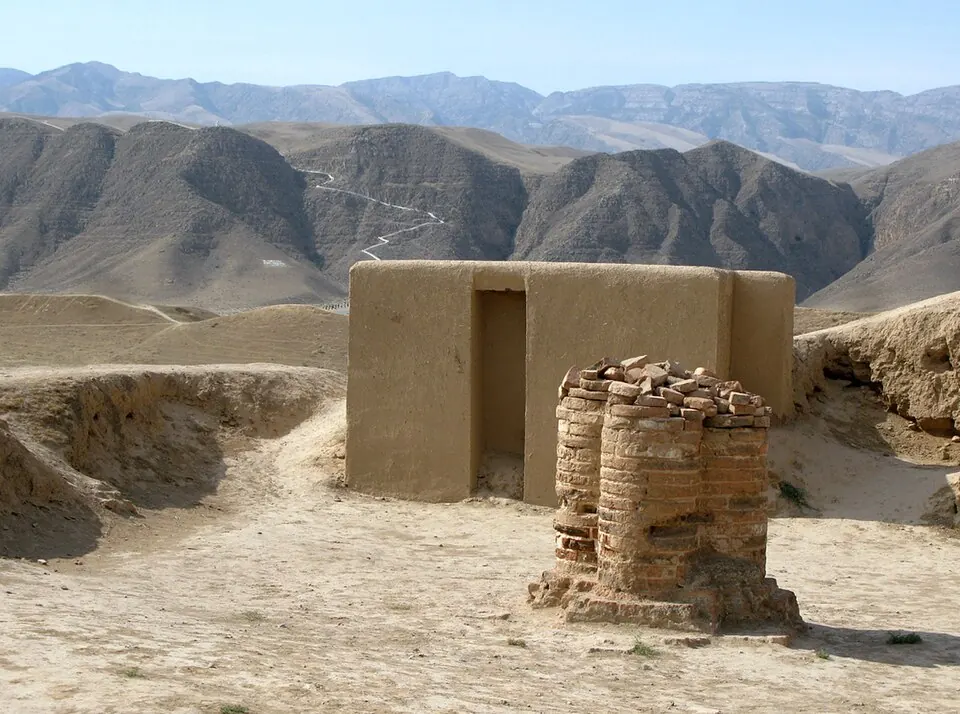
Read the Parthian landscape at Nisa
Nisa takes the capital's story beyond its modern marble skyline. UNESCO recognises the Old and New Nisa fortresses as important remains of the Parthian world; the reward here is understanding a settlement through its surviving spaces, not expecting a complete palace. Stand back from the excavated walls and look at their relationship to the mountain backdrop. A site explanation is particularly useful where low foundations do not immediately reveal a building's purpose.
Choose this excursion for a cooler part of the day and carry water, a hat and shoes that cope with dusty, uneven ground. Confirm the entrance and return collection point with your driver, since a map pin for the archaeological property is not a parking instruction. Combine the ruins with the State Museum on another part of your itinerary: objects and architectural fragments help fill the gaps that the open-air remains deliberately leave visible.
Plan it well: Arrange a guide who can distinguish excavated remains from modern conservation work.
UNESCO World Heritage Centre: Parthian Fortresses of NisaPut the country's archaeological finds in context
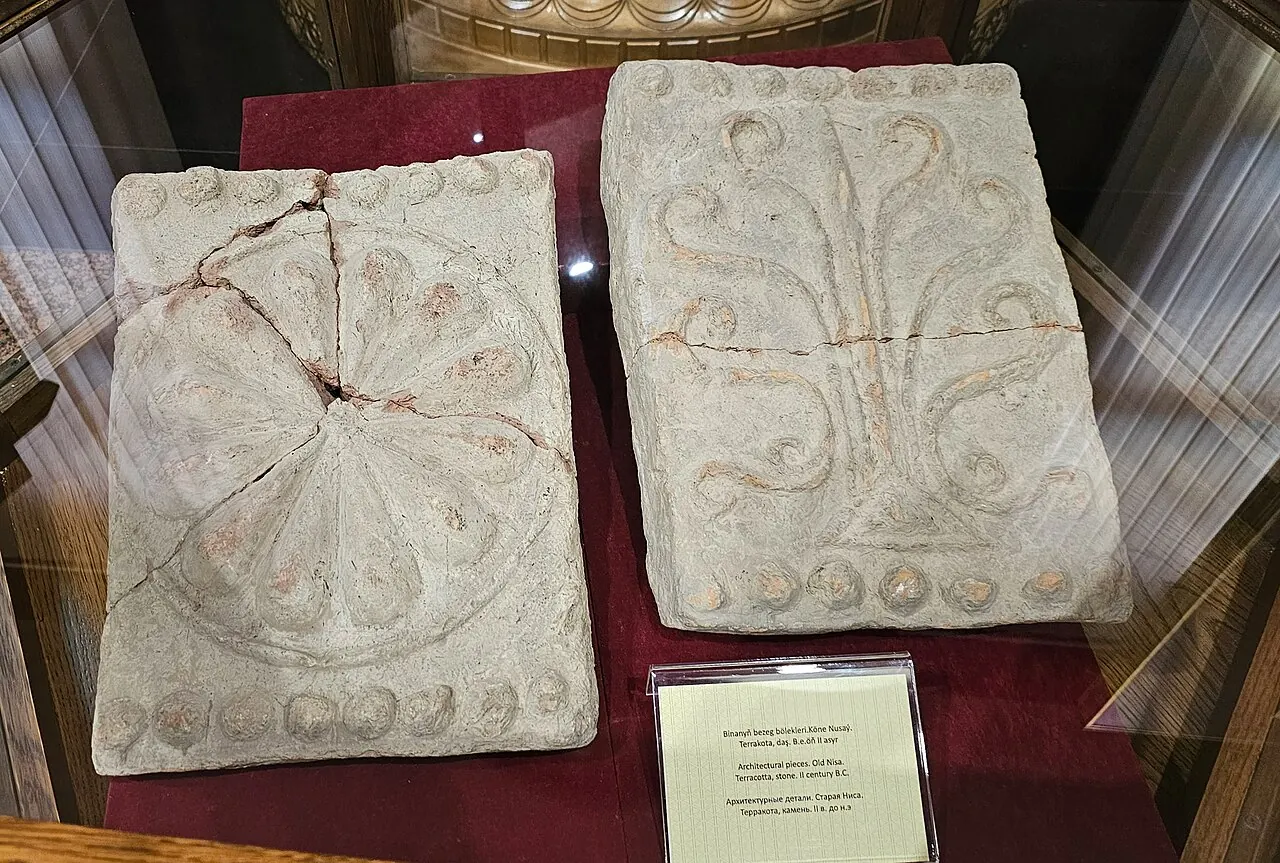
The State Museum is a useful counterweight to sightseeing by car. Its collections connect archaeological sites with portable objects, allowing you to look closely at things that cannot be understood from a distant ruin. If Nisa is on your programme, seek out the material associated with it and compare the scale of an architectural fragment with the walls you saw outdoors. The official museum website also offers a virtual excursion for preparation.
Do not approach a large collection as a race through every room. Ask which historical and ethnographic galleries are open, then choose two or three subjects that interest you and leave time for labels or interpretation. Photographing an object may require separate permission from entering the building. This indoor visit is particularly useful between exposed monument stops, but agree its timing with the museum rather than assuming it can absorb any gap in a tour schedule.
Plan it well: Check the visitor information directly and request interpretation for the archaeology collection.
State Museum of the State Cultural Centre of TurkmenistanSee the mosque complex at Gypjak respectfully
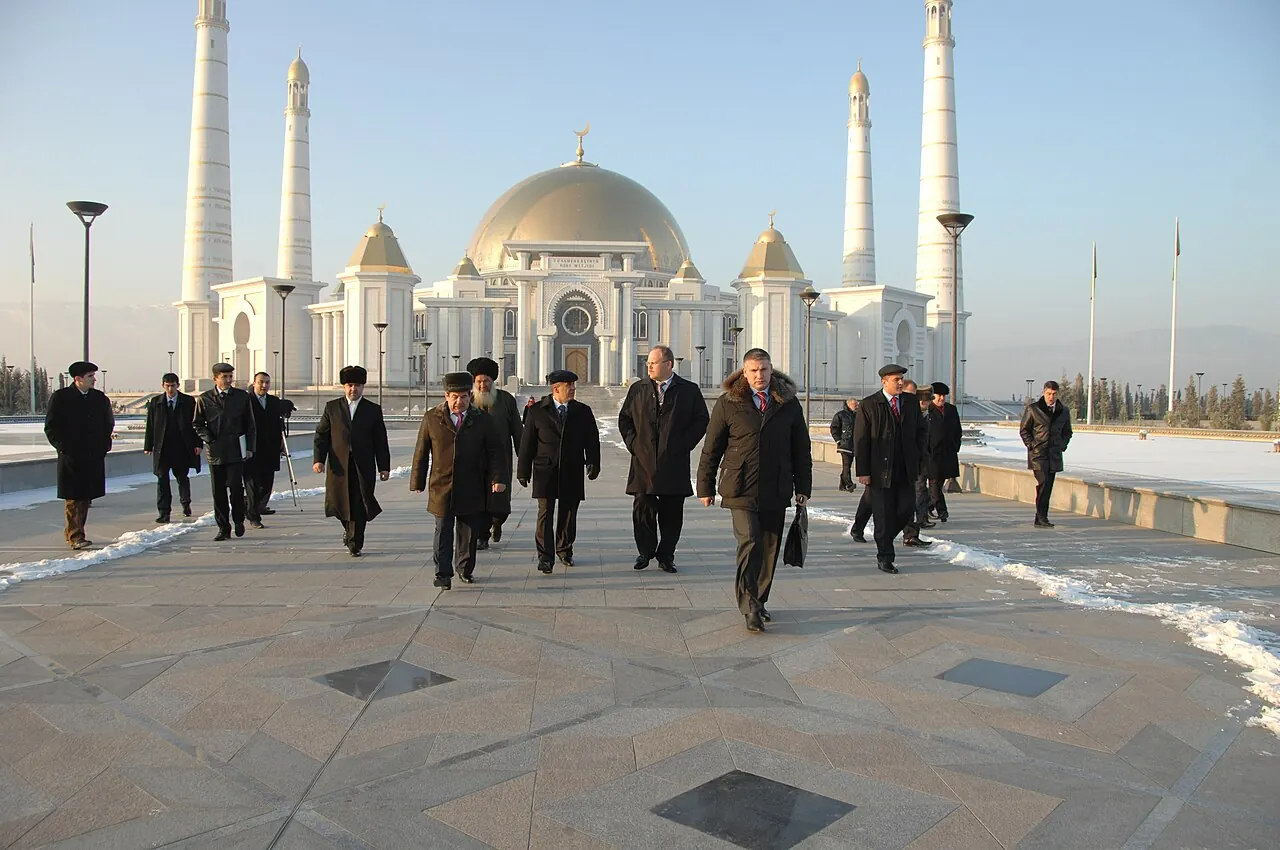
The Turkmenbashi Ruhy Mosque at Gypjak belongs on an architectural itinerary because of its expansive setting and the contrast between a gold-coloured dome, pale surfaces and tall minarets. Official reporting also documents continuing religious use, so it should not be treated simply as a photogenic empty monument. Your first question should be where visitors may stand and whether there is an appropriate visiting interval around worship or official activity.
Plan it as a western excursion with your operator, not a walk from the central museums. Clothing should be modest, and follow staff instructions about footwear and any areas closed to visitors. If only an exterior view is permitted, use that time to understand the complex's scale rather than trying another doorway. Photographs of people, ceremonies or sensitive surroundings need permission; a published tourist photograph does not establish that the same viewpoint is currently available.
Plan it well: Have your operator confirm the day's access and etiquette before departing for Gypjak.
Turkmen State News Agency: religious observance at GypjakCompare a different mosque tradition at Ertugrul Gazi
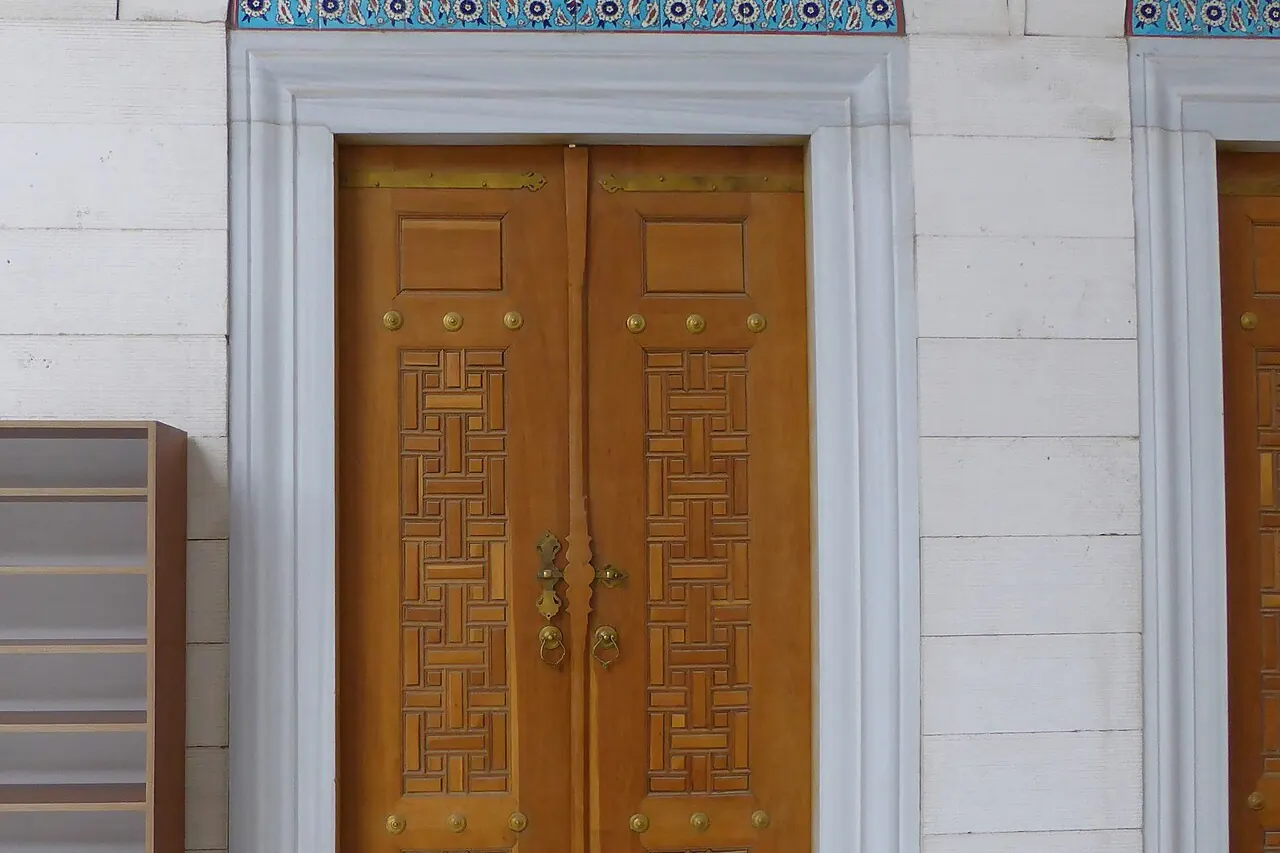
Ertugrul Gazi Mosque offers a different architectural vocabulary from the broad Gypjak complex. Look at how its domes, minarets and decorated entrance make the building legible at street level, where a doorway can be as interesting as a skyline photograph. Turkmen official tourism reporting records organised visits here, but that historical example is not a standing promise of unrestricted admission. Treat the mosque as a religious place with a visitor arrangement to confirm.
Ask your guide to explain the Turkish connection and to identify details without interrupting worshippers. An exterior visit can work well between the Carpet Museum and another central stop, while an interior visit should have its own agreed time and permissions. Keep voices low, dress respectfully and let staff decide whether photography is appropriate. Comparing this mosque with Gypjak is more rewarding than collecting two identical dome photographs: concentrate on proportions, entrances and the way each complex meets its surroundings.
Plan it well: Check whether visitors may enter; otherwise keep the stop to an authorised exterior viewpoint.
Turkmenistan State News Agency: organised visits to Ashgabat's mosquesUnderstand the ceremonial setting of the Independence Monument
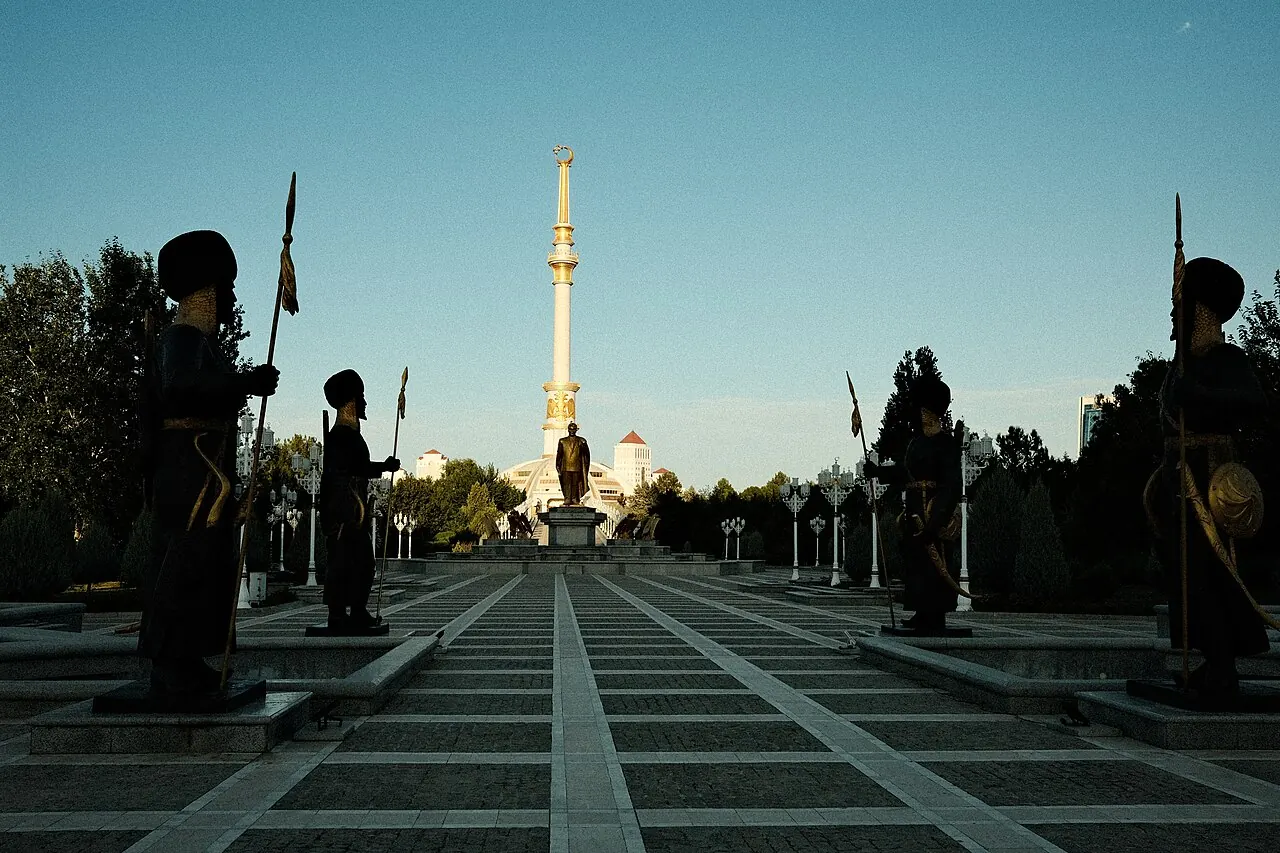
The Independence Monument is best understood with its surrounding forecourt rather than as an isolated tower. The broad approach, statues and carefully organised sightlines create a ceremonial sequence: pause at a permitted distance and notice how the central column draws the eye above the lower structures. Official Independence Day reporting confirms the site's continuing role in state ceremonies, which is a reason to expect changing visitor arrangements around major events.
A short stop can be sufficient if your guide supplies context, but allow more time when you want to examine the ensemble rather than only the headline monument. Do not confuse it with Independence Square or a different ceremonial tribune elsewhere in the city. Stay on the route your operator has cleared and check photography permission before raising a camera near security personnel. In strong sun, transport between sites is a practical necessity, not a failure to explore properly.
Plan it well: Use the Independence Monument pin, not a search result for Independence Square.
Turkmenistan State News Agency: Independence Day ceremonyVisit the Neutrality Monument at its current site
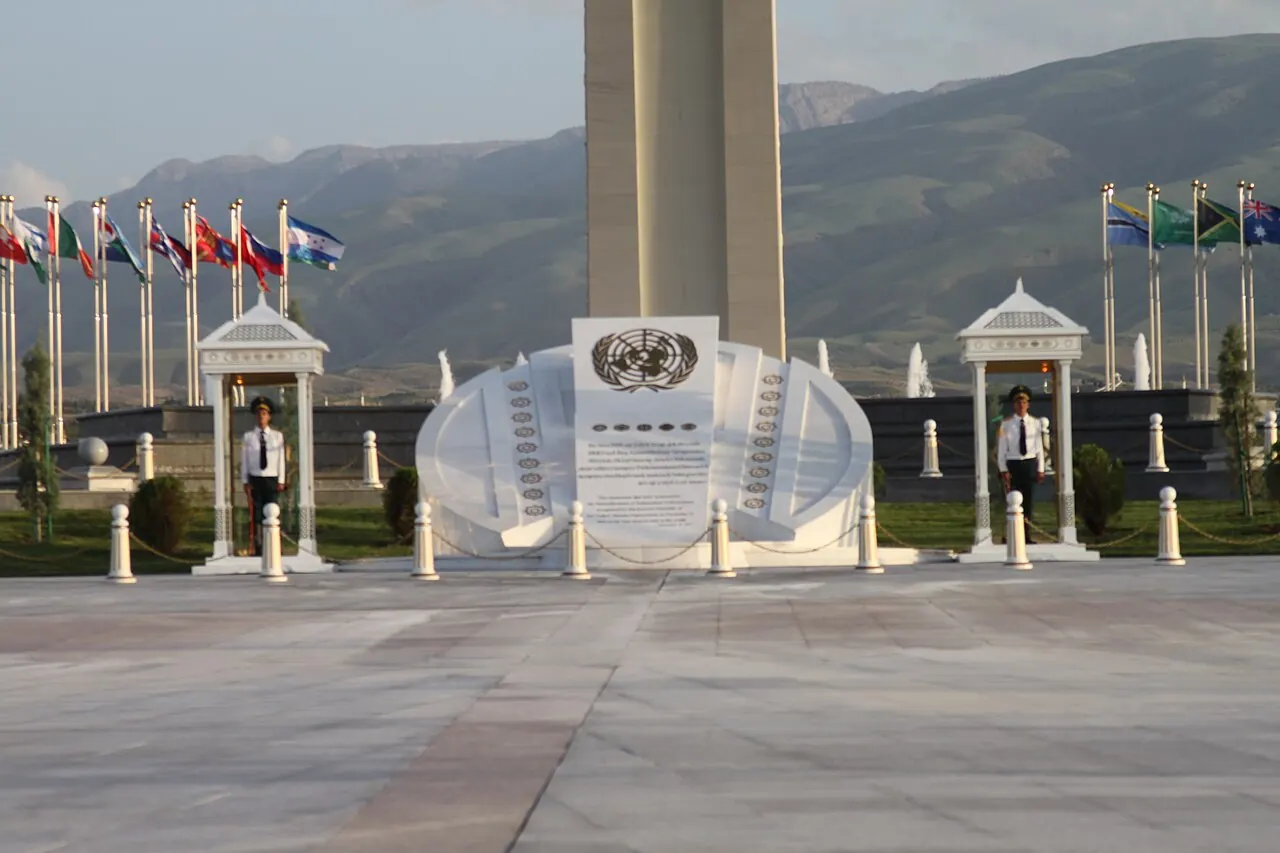
The Neutrality Monument has a distinctive three-legged profile that is easier to appreciate from a little distance than directly underneath it. Its current southern setting matters when planning: older photographs and descriptions can refer to a former central location. The coordinate used here is Wikidata's preferred current statement, not its older historical point. View the monument together with the surrounding landscape to see how it functions as a freestanding landmark.
Ask your operator whether works, ceremonies or other restrictions affect the stop on your date; official reporting has documented preparations and reconstruction associated with neutrality celebrations. Do not build the visit around an assumed lift, observation deck or unrestricted interior access. An authorised ground-level view is a worthwhile architectural experience in its own right. Pair it geographically with the State Museum or another southern monument, leaving an indoor break between long stretches of exposed pavement.
Plan it well: Confirm the current southern location with your driver and treat viewing-platform access as unconfirmed.
Turkmenistan State News Agency: preparations at the Neutrality MonumentMake time for remembrance at Halk Hakydasy
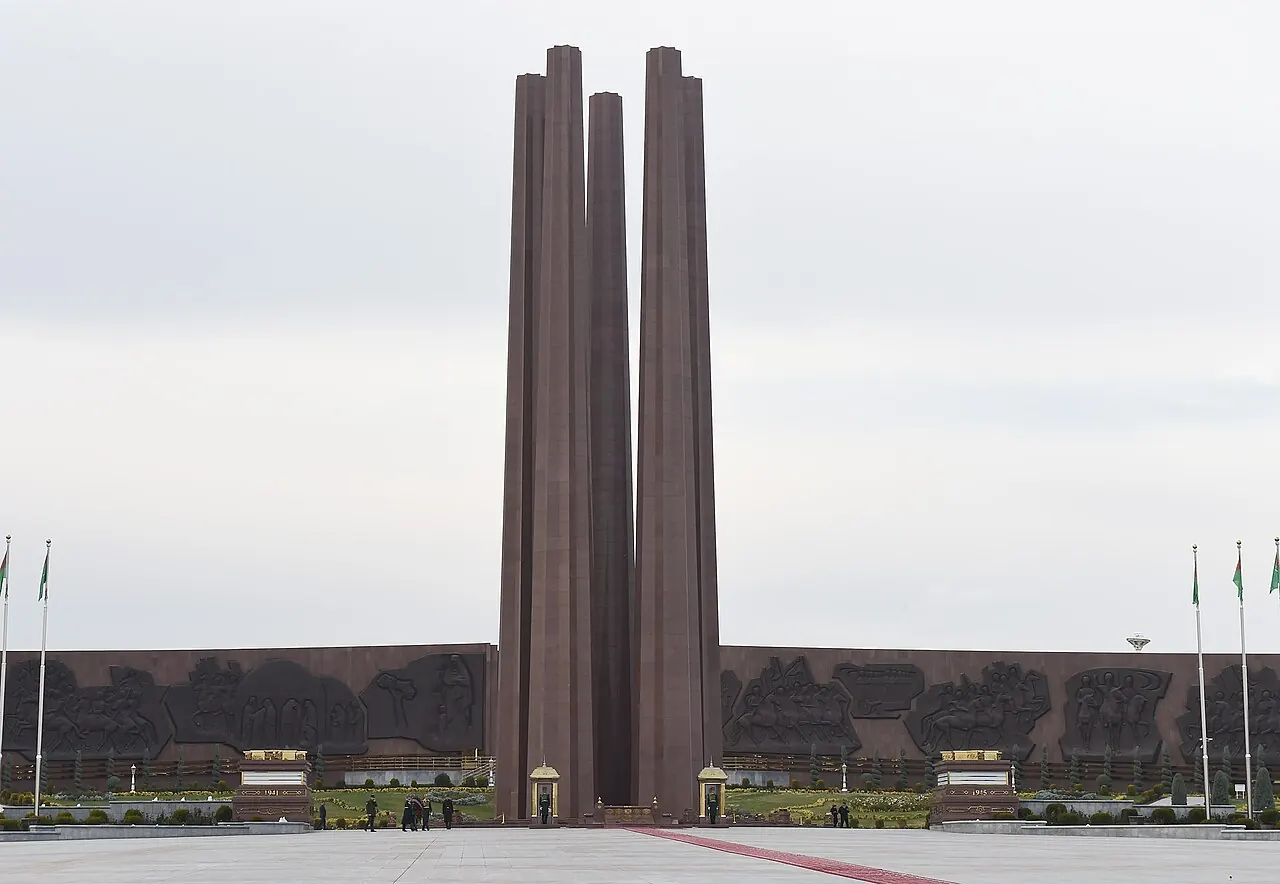
Halk Hakydasy brings a more reflective subject to an itinerary otherwise dominated by monumental celebration. The memorial complex and its museum address loss and remembrance, including war and the earthquake that devastated Ashgabat in 1948. Approach the outdoor monuments as commemorative places, not props for posed entertainment. A guide can help distinguish the different memorial elements and explain why the earthquake is essential to understanding the city's later rebuilding.
Keep enough space in the schedule to stop and read or listen, rather than using the complex as a drive-by between attractions. Ask whether the associated museum is open and whether interpretation is available in a language you understand. Respect any ceremony underway, avoid photographing mourners without consent and follow instructions around protected areas. This visit works well when you want historical perspective on the modern city, especially after a morning spent examining its polished civic architecture.
Plan it well: Ask for the earthquake history as well as the war memorial context.
Turkmenistan State News Agency: museum at Halk HakydasyBrowse Altyn Asyr for a working-market perspective
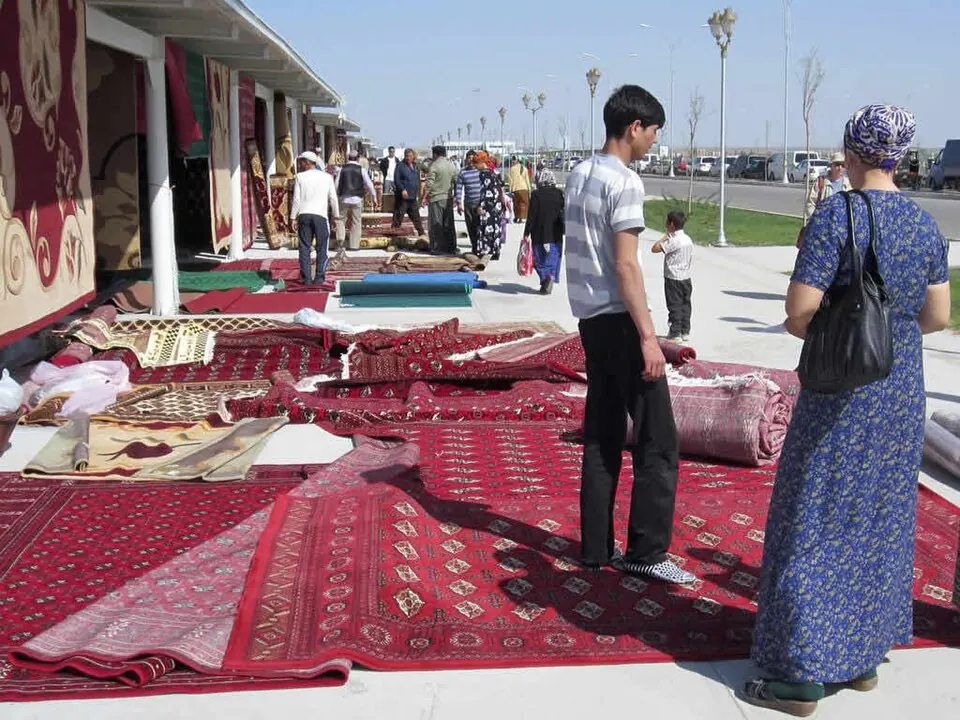
Altyn Asyr offers an encounter with trading and everyday purchases rather than another ceremonial building. Because the market lies outside the central sightseeing cluster, go with a specific purpose: textiles, practical household goods or simply an introduction to how the different trading areas work. A rug display is easier to understand after the Carpet Museum, where you can start recognising differences in pattern and construction without treating every item as an interchangeable souvenir.
Ask your operator which sections are active on your date and arrange the return journey before entering the market. Do not assume a calendar entry or an old travel account guarantees a particular livestock or carpet session. Agree prices and quantities clearly, and obtain advice on export requirements before buying a carpet or anything presented as antique. Photography deserves particular caution in markets: ask permission, and accept a refusal without trying to capture a candid substitute.
Plan it well: For a substantial textile purchase, check lawful export documentation before paying.
Turkmenistan State News Agency: Altyn Asyr market activityLook closely at the craft behind Turkmen carpets
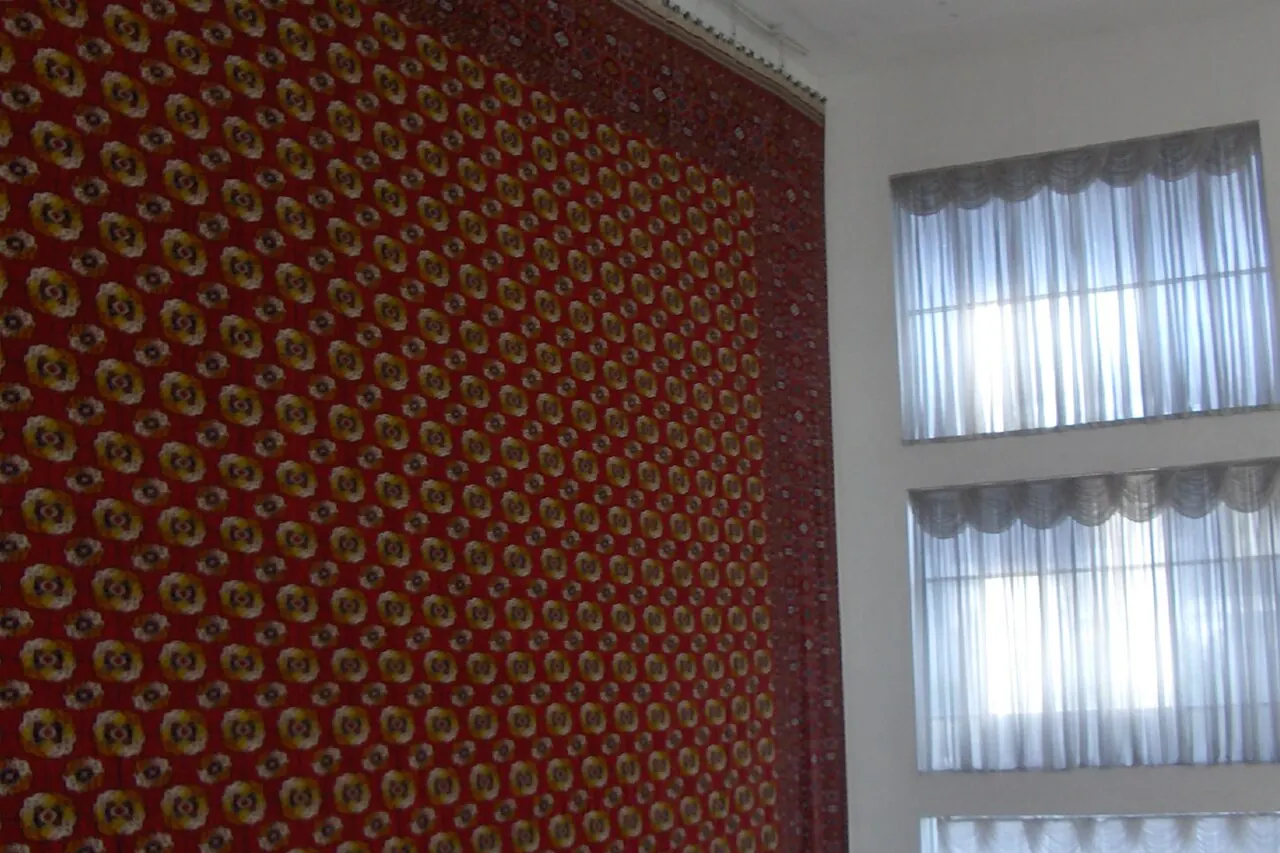
The Carpet Museum gives a familiar national symbol the attention it deserves. Instead of starting with size records, look closely at repeated motifs, borders and the density of the weave. Comparing two different examples can reveal much more than a room-wide photograph. Recent official exhibition reporting emphasises the women and labour behind carpet production, a useful reminder that a finished textile is the result of skilled work rather than merely a decorative emblem.
Ask which collection rooms are available and whether a guide can explain regional or workshop differences without assuming that every displayed pattern has one simple meaning. Keep bags away from textiles, respect barriers and check whether photographs are allowed. This is also a sensible preparation for browsing Altyn Asyr: it encourages questions about materials and workmanship instead of buying on appearance alone. Museum access and a commercial purchase are separate decisions, so leave shopping pressure outside the galleries.
Plan it well: Compare the borders and repeated motifs of two carpets before moving to the next gallery.
Turkmenistan State News Agency: National Carpet Museum exhibitionSee the civic architecture of Bagt Koshgi
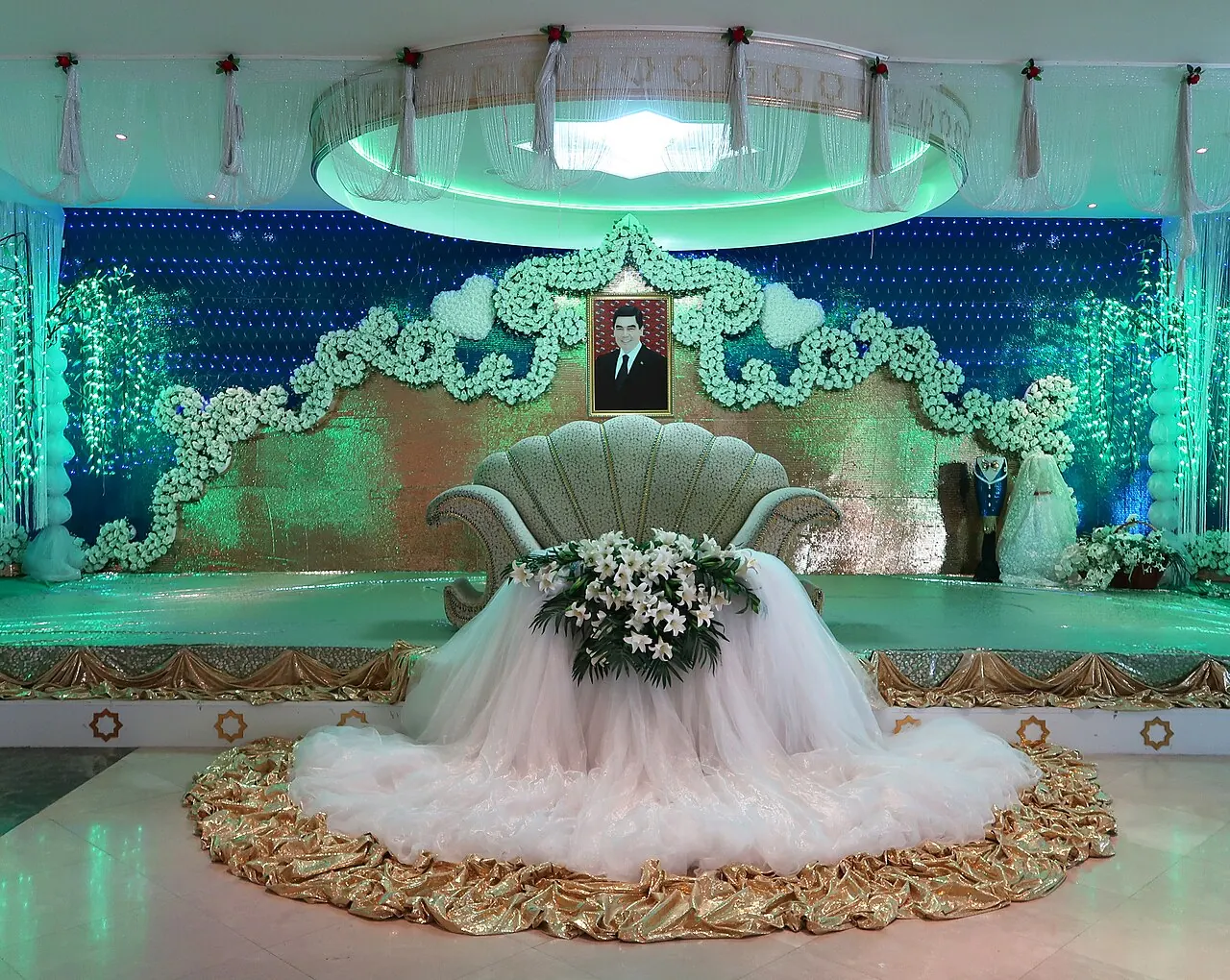
Bagt Koshgi is a working wedding and marriage-registration complex, not a royal residence or a conventional museum. Its large ceremonial spaces explain why the building looks different from an ordinary registry office. The centre's own website describes halls, wedding services and hotel accommodation, so an exterior architectural stop is a more realistic starting point than assuming tourists can wander through private celebrations or every room shown in photographs.
Ask your operator to agree a suitable viewpoint or a specific visitor appointment with the centre. If an interior is offered, establish exactly which space is included and avoid intruding on families, preparations or booked functions. A photograph of a banquet room illustrates the venue but does not promise that room will be accessible. Combine a permitted exterior view with another southwestern stop, and retain flexibility if the centre's schedule makes the visit inappropriate that day.
Plan it well: Confirm an actual visitor arrangement; a hotel or wedding booking is not general sightseeing admission.
Bagt Koshgi Wedding Ceremonies Centre: official informationHow to spend two days in Ashgabat
Day 1: archaeology and material culture
With your sponsor's approval, visit Nisa in a cooler part of the day, then the State Museum for archaeological context. After a meal and rest, choose the Carpet Museum and a permitted Ertugrul Gazi Mosque stop. Adjust the order to confirmed venue access, not an assumed daily timetable.
Day 2: monuments or a trading morning
Choose a confirmed Altyn Asyr trading visit or a western route through Gypjak and Halk Hakydasy. Later, group the Independence and Neutrality monuments geographically, adding a Bagt Koshgi viewpoint only if cleared. This is a menu of approved combinations, not a promise to enter every site in two days.
Before you go
Arrange entry before booking a sightseeing programme
Check requirements for your nationality with the Turkmen embassy. Current UK guidance requires a visa and invitation letter, normally arranged through an authorised tourist sponsor. Confirm arrival procedures and who handles required migration registration before committing to transport.
FCDO: Turkmenistan entry requirementsAsk before photographing
Some buildings and secure areas cannot be photographed. Check each viewpoint with your guide, including markets, and ask people for consent. A publicly available photograph is not evidence of current permission.
FCDO: Turkmenistan safety and securityPrepare for restricted communications
Download your agreed itinerary and contact details before arrival. Internet and access to many familiar services can be restricted. Make a meeting plan that does not depend on live messaging.
FCDO: Turkmenistan communications advicePlan payments with your sponsor
Confirm accepted currencies and official exchange arrangements. Do not rely solely on cards or an ATM withdrawal to fund the trip; ask for current instructions and a clear breakdown of agreed costs.
FCDO: Turkmenistan money and entry guidanceBuild in heat and distance
Use arranged transport between dispersed monuments and keep water with you. Protect a midday break, especially when Nisa or long outdoor approaches are on the programme.
Where to stay in Ashgabat
Choose accommodation together with your authorised sponsor, confirming that it fits the approved itinerary and registration arrangements. Compare transfer times to the central museums and southern monument cluster, not just a hotel's skyline view. Ask directly about payment, airport collection and usable communications before booking; accommodation availability does not by itself establish permission to travel.
Explore Ashgabat hotels