
Istanbul city guide
Istanbul Spa & Wellness Guide: Inside the City's Historic Hamams
Istanbul's historic hamams turn bathing into a carefully paced ritual of warmth, marble, water, exfoliation and rest. The best visits pair an active Ottoman-era bathhouse with an understanding of its domes, gender arrangements and etiquette.
Plan your visit
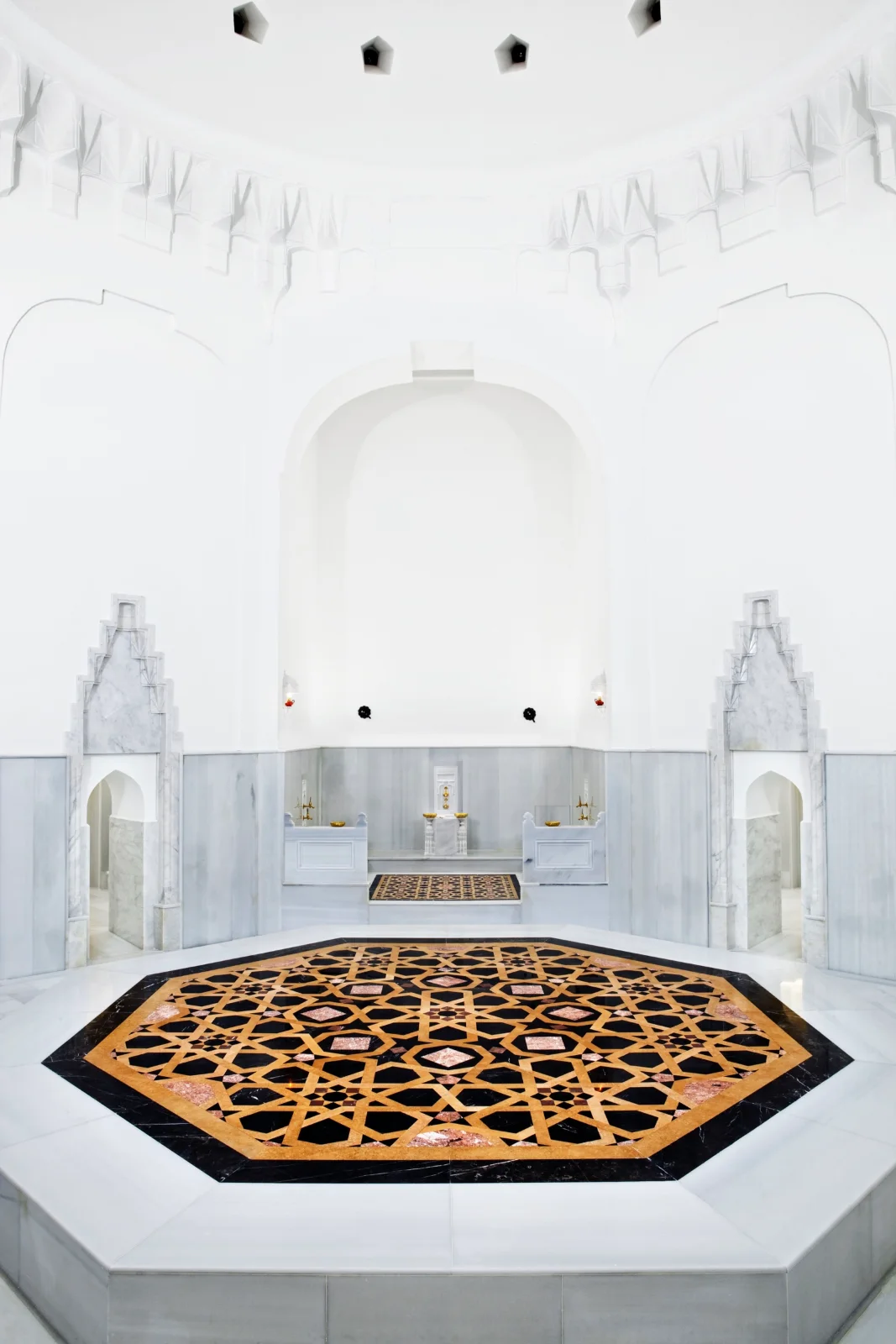
A historic Istanbul hamam is not simply a steam room with old walls. It is a sequence designed around changing temperature, privacy and pace. Guests move from a cool changing and resting area towards warmer marble rooms, settle on a heated central stone, rinse at individual basins and, if booked, receive a traditional kese scrub and foam wash. The dome, star-like skylights, kurnas and göbektaşı are functional parts of the ritual as well as some of the city's most memorable interiors. Istanbul offers several ways to encounter this tradition. Some celebrated Ottoman hamams still operate as baths; others add museums or exhibitions that explain restoration and social history. Services, gender schedules, clothing rules and prices differ sharply, even among famous houses. A rewarding visit therefore starts with choosing a hamam for its current operating model, not just its age, and reserving enough time to warm up and cool down without rushing.
A Living Ottoman Wellness Tradition
Bathing traditions in Istanbul draw on earlier Roman and Byzantine practices, but the Ottoman hamam developed into a distinctive civic and social institution. GoTürkiye's official wellness guide describes the hamam as a place for cleansing, relaxation and community, where architecture supported a repeated progression from cooler spaces to heat, water and rest. That social role matters as much as decorative marble or age.
The tradition remains alive because many historic buildings still function as baths. Hürrem Sultan Hamam dates its operation to 1556, while Çemberlitaş Hamamı traces its foundation to 1584 and Cağaloğlu Hamamı to 1741. Their services have adapted to modern visitors, yet the central actions of warming, rinsing, scrubbing and resting still make the experience legible across centuries.
Plan it well: Choose a working historic hamam for the ritual itself, then add a museum visit if you want deeper architectural context without extending time in the heat.
GoTürkiye - Turkish HamamUnderstand the Architecture Before You Bathe
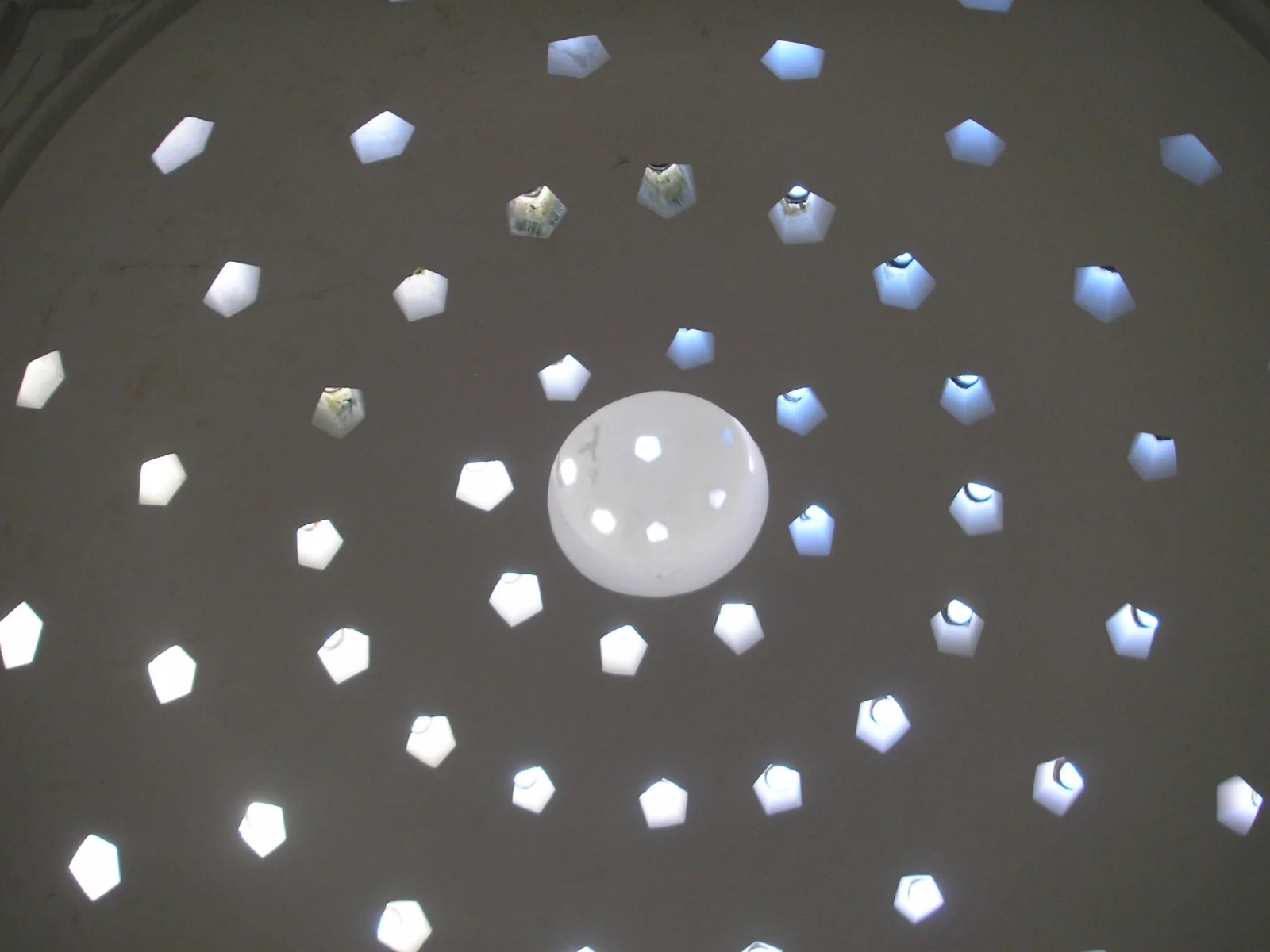
A classic hamam reveals itself in stages. The cool room, or soğukluk, is used for changing and recovery; warmer transition spaces prepare the body; and the sıcaklık is the hot room where marble, water and radiant heat define the ritual. At the centre, the raised göbektaşı provides a warm surface for reclining and treatments. Around the room, kurnas hold water that bathers pour with a tas bowl.
Above, a masonry dome traps warmth while small glazed apertures admit soft points of daylight. Some historic hamams are double buildings with separate men's and women's sections; others use a single bathing circuit at different times. Çemberlitaş is a prominent double hamam, while Kılıç Ali Paşa's official guidance explains that its single-domed plan requires separate service hours. Architecture therefore shapes present-day booking rules.
Plan it well: Look up once you enter the hot room: the pierced dome is part of the ventilation and daylight system, not merely decoration. Keep the phone stored away and enjoy it without photographing other guests.
Kılıç Ali Paşa Hamamı - FAQChoose a Historic Hamam with Its Own Character
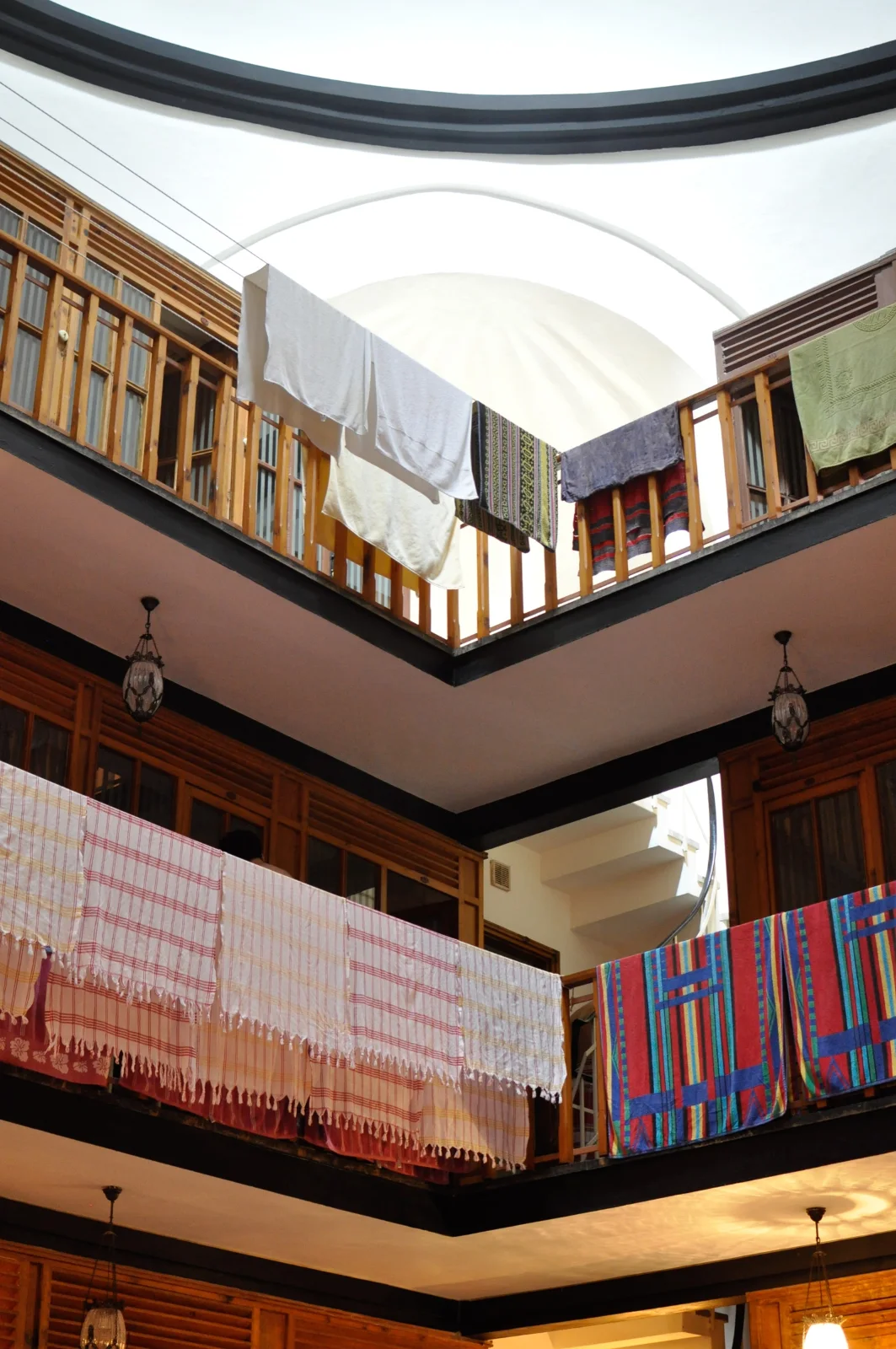
The best-known hamams offer different experiences. Hürrem Sultan Hamam stands between Hagia Sophia and the Blue Mosque and presents a highly polished ritual in a sixteenth-century complex. Çemberlitaş Hamamı, attributed on its official history page to Mimar Sinan, is a late-sixteenth-century double hamam. Cağaloğlu Hamamı dates to 1741 and describes itself as one of the last major Ottoman market hamams built before restrictions on new large baths.
Kılıç Ali Paşa Hamamı is celebrated for its single dome and operates with separate women's and men's hours rather than simultaneous mixed bathing. Zeyrek Çinili Hamam reopened in 2023 after a long restoration and now combines an operating bath with a museum that interprets its recovered tile fragments and building history. No single house represents the whole tradition, so choose between ritual polish, architectural intimacy and museum depth.
Plan it well: Shortlist two hamams, then compare current schedules, treatment inclusions, language support and location on their official sites before booking one.
Zeyrek Çinili Hamam - HistoryThe Ritual: Warmth, Kese and Foam
The ritual starts by slowing down. After changing into a peştemal or the clothing specified by the house, guests enter the warm areas and rinse at a kurna. Time on the heated göbektaşı helps the body acclimatise before treatment. Water is poured with a tas bowl rather than delivered as a continuous shower, which gives the ritual a measured rhythm.
During the kese stage, an attendant uses a textured mitt to exfoliate the skin, then rinses away the residue. A foam wash follows at many hamams, creating the billowing soap lather that has become a visual signature of the experience. Massage may be a separate or extended service. Pressure and heat should remain comfortable, and guests can ask the attendant to adjust either one.
Plan it well: Do not exfoliate aggressively in the days before a kese. Tell the attendant about sensitive skin, recent sunburn or areas to avoid, and ask for lighter pressure when needed.
GoTürkiye - Turkish HamamWomen's, Men's and Private Arrangements
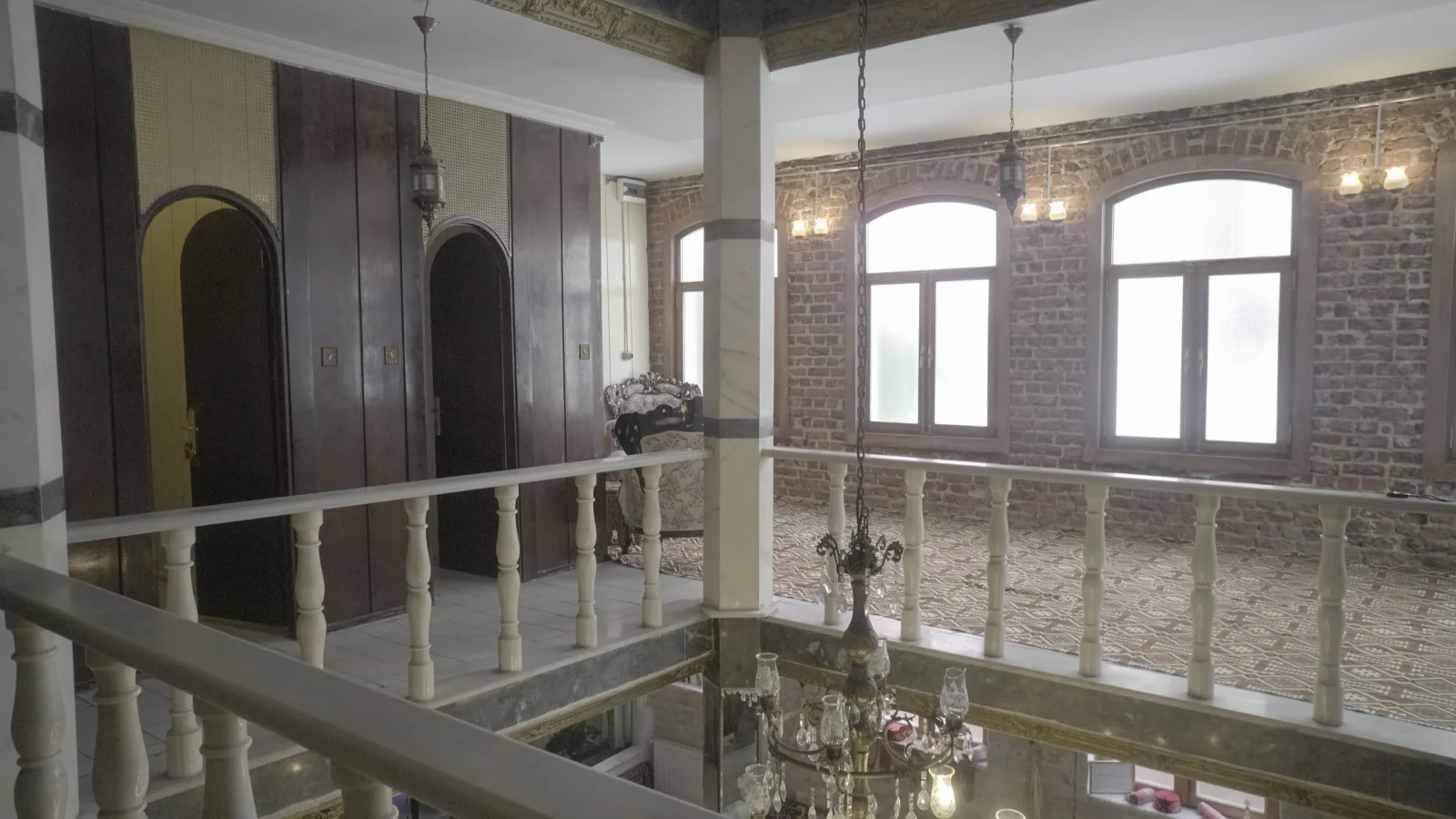
Historic hamams do not follow one universal access model. A double hamam can have separate men's and women's bathing sections, while a single circuit may alternate by time of day. Kılıç Ali Paşa Hamamı states that it cannot serve both groups simultaneously and assigns female attendants during women's hours and male attendants during men's hours. Hürrem Sultan Hamam also describes separate services for women and men.
Couples should not assume they can share the hot room, even when booking at the same time. Private treatment rooms do not automatically mean mixed bathing, and family sessions may not be available. Travellers who are transgender, non-binary or seeking a particular attendant should contact the hamam before payment to understand its current policy and decide whether the arrangement feels comfortable.
Plan it well: Confirm the bathing section, attendant gender and whether companions can share any part of the visit before booking; do not rely on a reseller's generic couples label.
Kılıç Ali Paşa Hamamı - FAQWhat to Bring and How to Behave
Many established hamams provide a peştemal, towels, slippers, soap and basic toiletries, but inclusions vary by service. Kılıç Ali Paşa advises guests to bring clean underwear and moisturiser, while listing towels, slippers and hair-drying facilities among the items available on site. Remove jewellery before entering heated rooms, and bring a bag for damp clothing.
Privacy is central to good hamam etiquette. Keep cameras and phones out of bathing areas, speak quietly and follow the attendant's direction about where to sit or rinse. Tipping practice and service charges differ, so ask reception rather than guessing. Heat exposure can be tiring; avoid alcohol beforehand, drink water and leave the hot room if you feel dizzy or unwell.
Plan it well: Pack clean underwear, moisturiser, a hair tie and a waterproof bag. Leave valuables at the hotel when possible and check exactly what the booked package supplies.
Kılıç Ali Paşa Hamamı - FAQMake the Hamam Part of Istanbul, Not an Afterthought
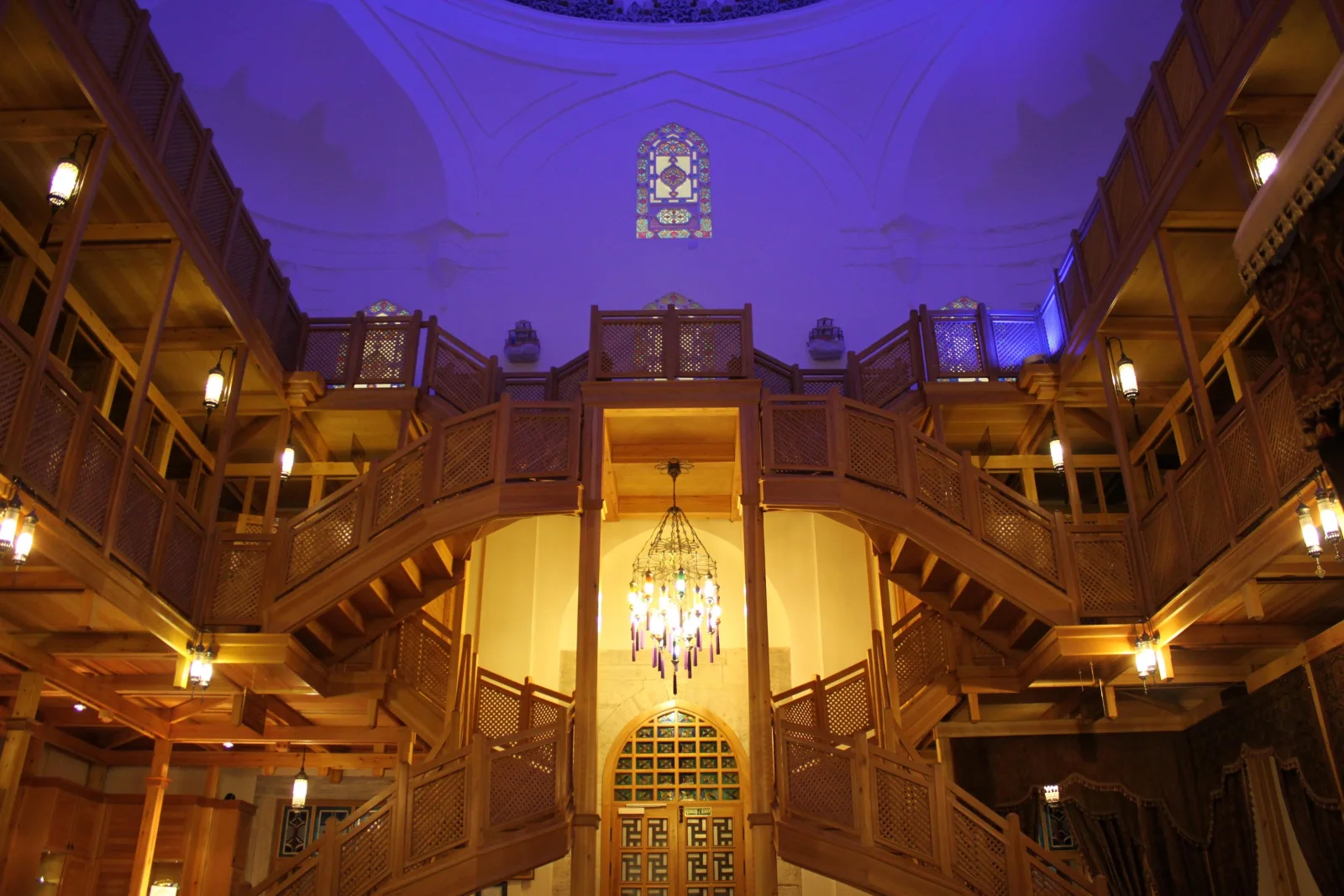
A hamam works best as the anchor of a neighbourhood itinerary. GoTürkiye's two-day hamam route connects living baths with places that explain the tradition, including the Museum of Turkish Hamam Culture and Zeyrek Çinili Hamam's museum. This makes it possible to learn how the buildings function before entering the heat, or to compare a restored monument with an active ritual afterwards.
Avoid placing the booking between a long lunch and a timed evening attraction. Arrive early enough to check in without raising your pulse, and leave room afterwards for tea, sherbet or a quiet walk. Sultanahmet hamams fit naturally with the historic peninsula, Kılıç Ali Paşa with Tophane and Karaköy, and Zeyrek Çinili with a slower exploration of the Zeyrek area. The right location turns the bath into part of the city's fabric rather than an isolated spa appointment.
Plan it well: Schedule the hamam as the final major activity of the afternoon or evening. Allow extra travel time and avoid a non-refundable reservation immediately afterwards.
GoTürkiye - Two-Day Hamam Route in Istanbul