
Kyiv city guide
10 things to do in Kyiv
Understand Kyiv through its cathedrals, civic squares and Dnipro hills, with heritage context and access checks that acknowledge the ongoing war.
Plan your visit
Kyiv's heritage deserves attention, but the ongoing war must come before sightseeing. As checked on 5 October 2026, the UK FCDO advises against all travel to Kyiv; missile and drone attacks can occur, and visitor access can change without notice. This is a cultural reference for future planning or people already there with a necessary reason, not encouragement to take a tourist trip now. Follow official local instructions, identify shelter and abandon any proposed outing when conditions require it.
Understand the layers of Saint Sophia
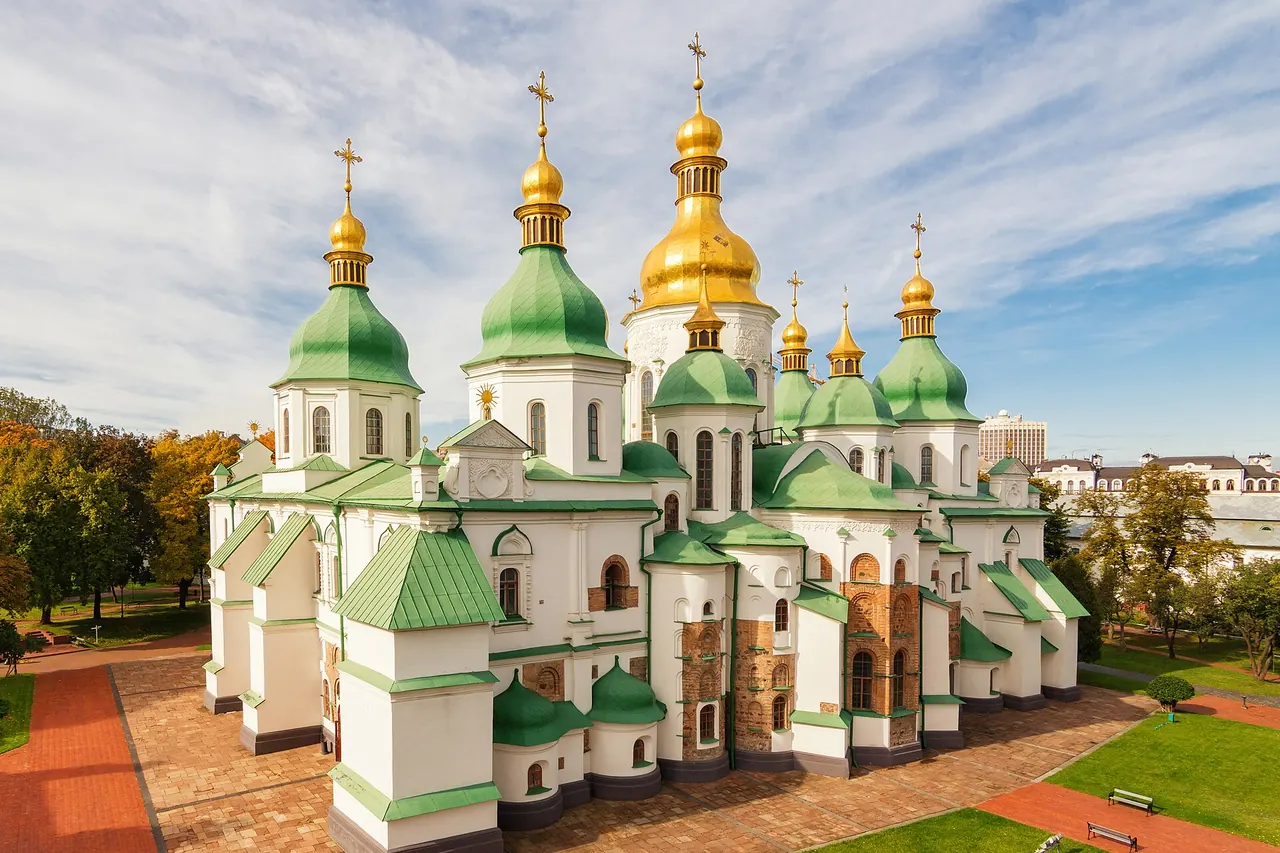
Saint Sophia is an important starting point for understanding Kyiv because its appearance contains several periods rather than a single architectural moment. The medieval cathedral and its later exterior sit within a larger historic ensemble, so spend time distinguishing the central building from the structures around it. A visit, when permitted, should be about close looking rather than collecting a panoramic photograph of the domes.
Check the national reserve's current information before attempting an outing, including which interiors and grounds can be accessed. Choose a few details to concentrate on and leave the rest for another visit; sustained attention is more useful here than a fast circuit. Saint Michael's is a separate nearby landmark with a different history. The geographic pairing is useful for understanding the old city, but does not override any closure or security instruction.
Plan it well: Ask which spaces are open; admission to the grounds, cathedral and bell tower should not be assumed to be one unrestricted visit.
Sophia of Kyiv National ReserveTreat the Pechersk Lavra as a complex, not one room
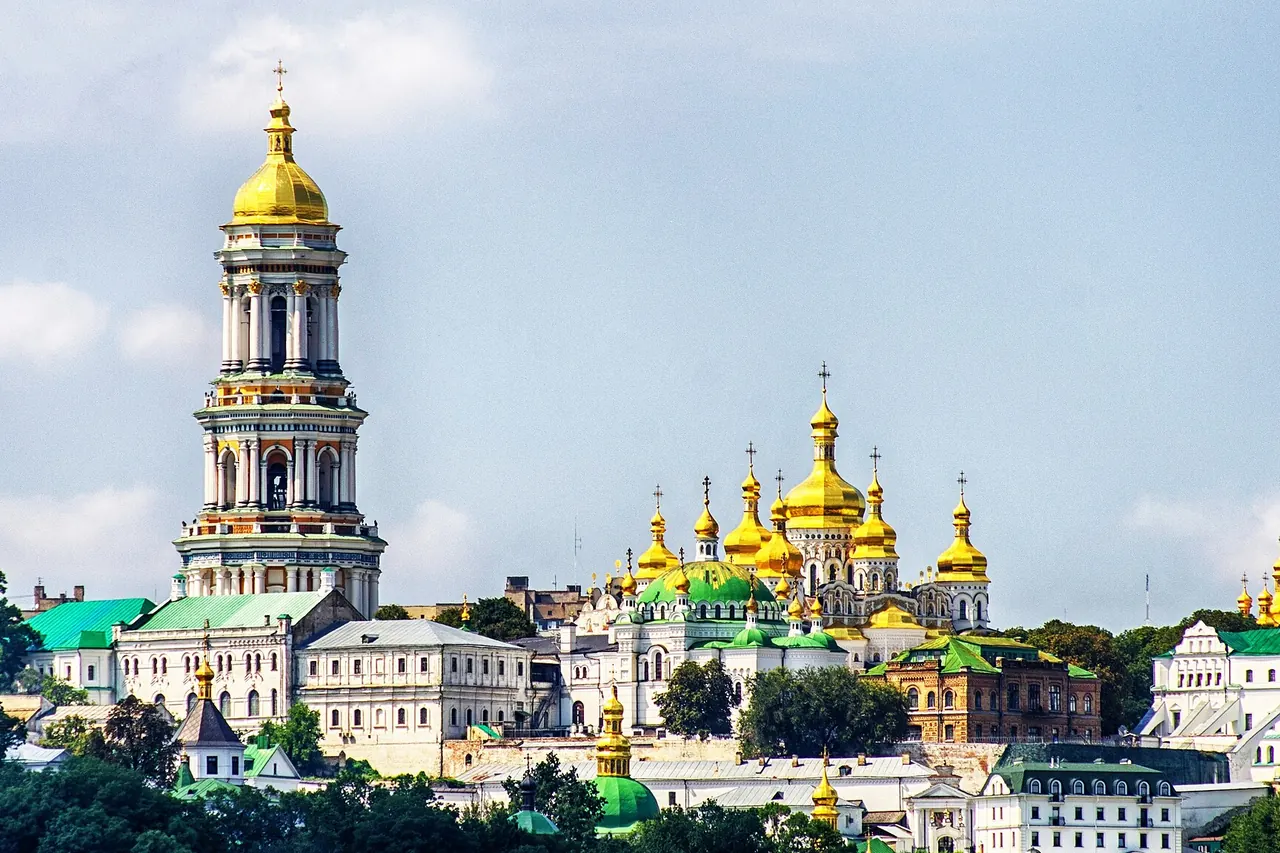
The Pechersk Lavra is a large ensemble whose churches, towers and hillside setting need to be understood together. Its familiar skyline can give the misleading impression that one entrance or one photograph covers the place. Instead, distinguish the national reserve's visitor spaces from other religious and historic areas, and decide what you specifically want to understand before considering a visit.
Use the reserve's own notices for current admission arrangements and do not infer cave access from the attraction's traditional name. A thoughtful outing would leave time for the architectural relationships and the slope of the site, not add every possible interior to a checklist. Stairs and changes in level warrant direct accessibility questions. The neighbouring war museum belongs to a different institution, so any pairing requires separate access checks and enough time between them.
Plan it well: A reserve ticket does not establish that every cave, religious area or building is accessible. Check the exact spaces admitted that day.
Kyiv Pechersk Lavra National Reserve: visitor ticketsRead the city walls at the Golden Gate
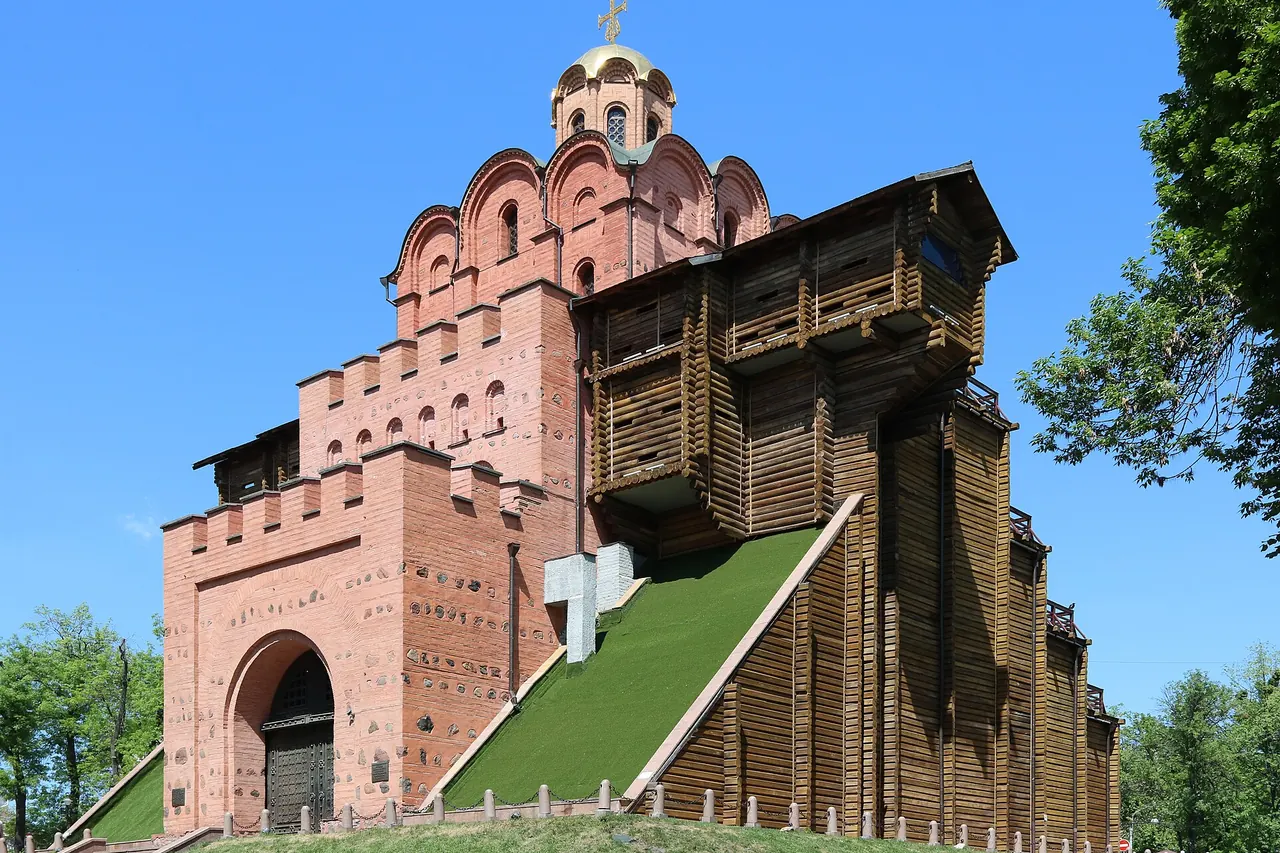
The Golden Gate invites a different question from Kyiv's churches: how did the fortified medieval city organise arrival and defence? What you see outside includes a later reconstruction around historic remains, so it is worth separating the visible architectural envelope from the surviving old material. The site is most rewarding when treated as evidence of the city's earlier boundaries rather than as an untouched medieval building.
If the museum is accessible, use its interpretation to understand what remains and what was rebuilt. If it is not, an exterior look can still establish its place in the old city's layout. Nearby streets and the metro station share the name, but they are not admission points to the monument. Keep any connection to Saint Sophia flexible and ask about stairs before assuming the interior is suitable for your needs.
Plan it well: Distinguish the preserved historic masonry from the later protective reconstruction; check museum access rather than expecting a walk-through city gate.
Sophia of Kyiv National Reserve: Golden GateLook at Saint Andrew's from the hill and street
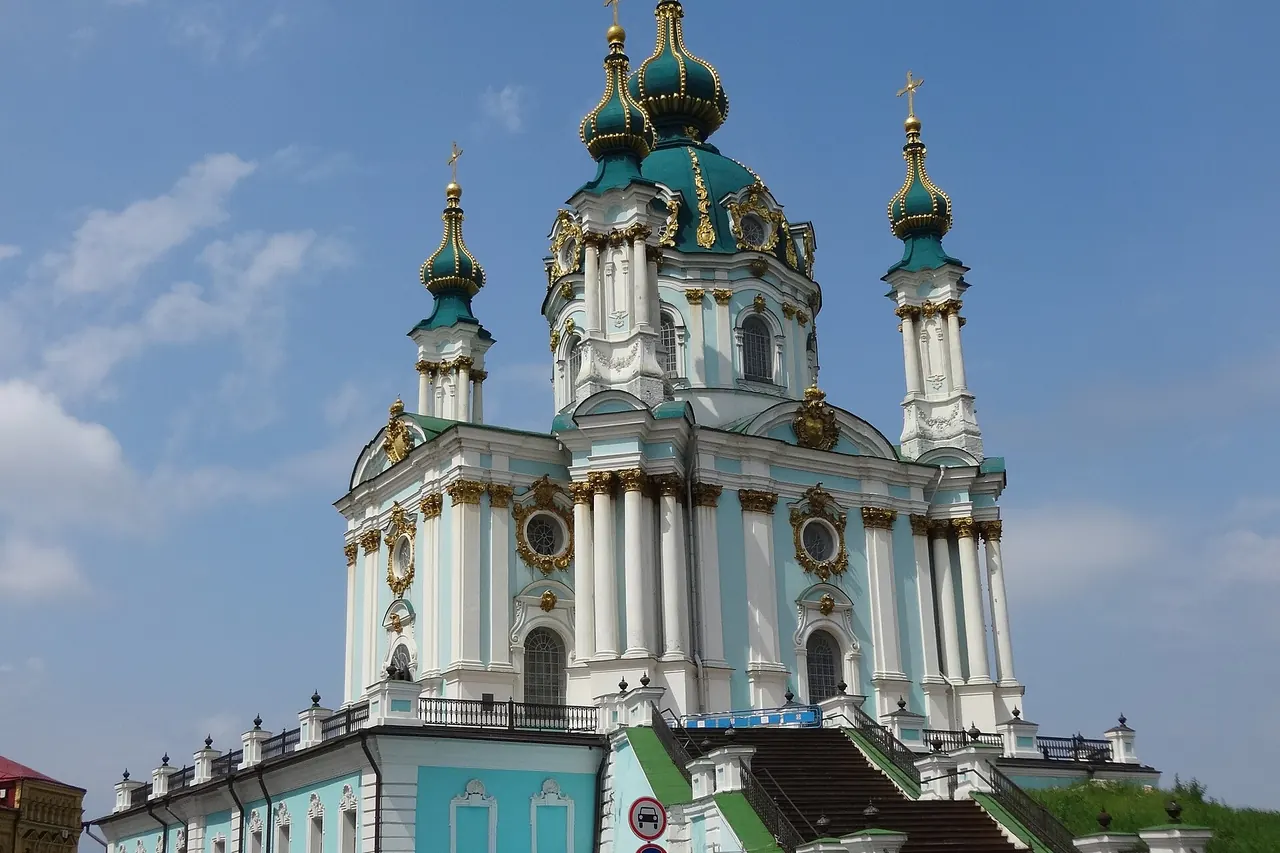
Saint Andrew's Church stands above Andriivskyi Descent, making its position as important as its decoration. The domes and elaborate facade belong to a building that can be seen in relation to a steep historic street rather than only front-on from the steps. The national reserve explains the church's Baroque design and preserved interior, which give a visit a clear architectural focus.
Consider the exterior, terrace and interior as separate parts of the outing, each subject to current access. A downhill walk towards Podil can make sense geographically, but uneven paving and gradients require care and should not be labelled universally accessible. Choose a modest section of the descent rather than assuming a full hill-to-river route is appropriate. Closed areas, services and local security instructions always take precedence over a planned viewpoint.
Plan it well: The descent is steep and surfaced differently from the central avenues. Plan the direction of travel and ask about stairs and terrace access.
Sophia of Kyiv National Reserve: Saint Andrew's ChurchNotice rebuilding and remembrance at Saint Michael's
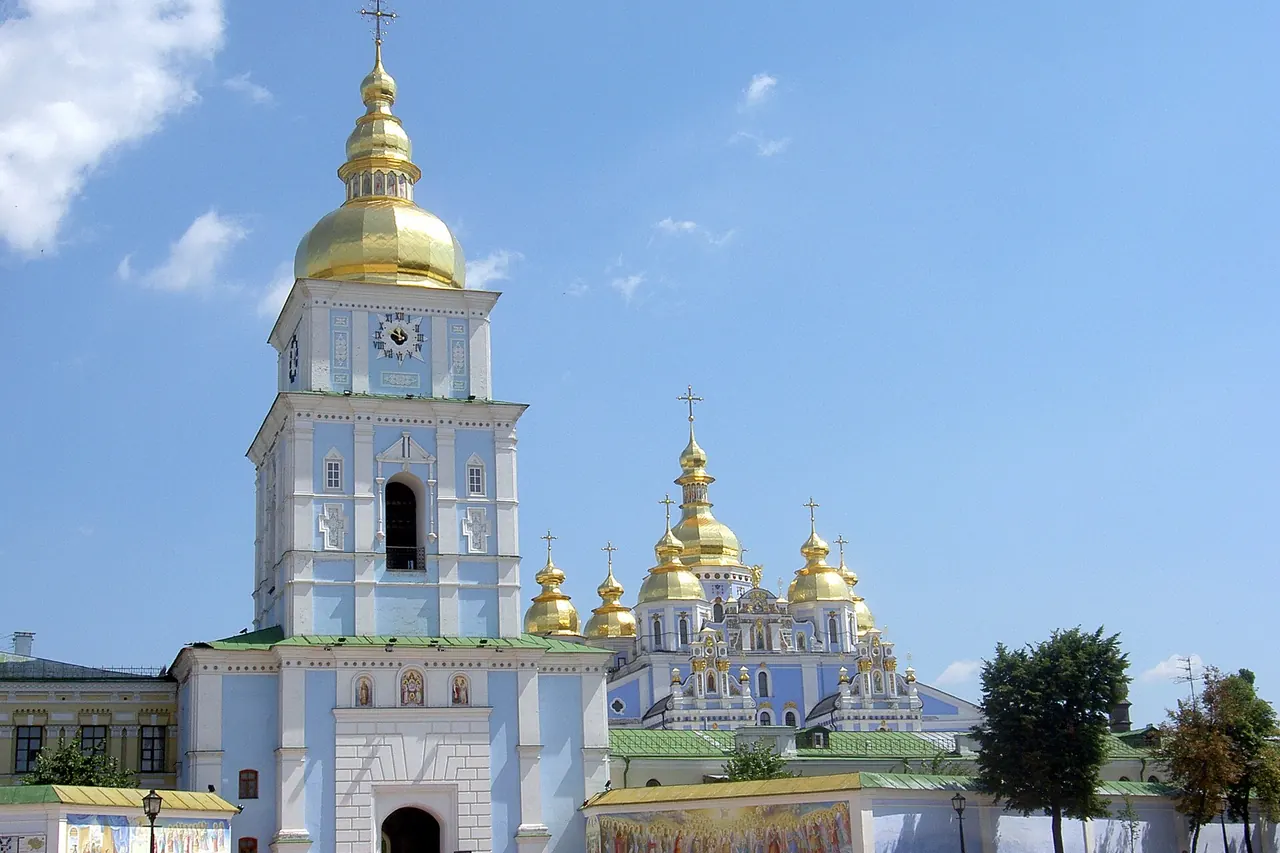
Saint Michael's Golden-Domed Monastery makes a striking contrast with Saint Sophia, but the difference is historical as well as visual. Its rebuilt cathedral is a reminder that the present skyline does not mean every building survived continuously. Look at the blue walls and gilded domes with that distinction in mind, then consider the square and surrounding memorial context as part of the place.
An attentive stop leaves room for worship and remembrance rather than turning the forecourt into a quick background for portraits. Follow posted instructions and avoid obstructing entrances or people bringing flowers. The walk between Saint Michael's and Saint Sophia is an editorial pairing of two different histories, not a promise of unrestricted access. If you are already in Kyiv, verify the day's conditions and keep this optional rather than a fixed appointment.
Plan it well: Do not treat memorials or worshippers as photographic scenery. Ask before taking pictures and give commemorations space.
Visit Kyiv: Saint Michael's Golden-Domed CathedralRead Mother Ukraine through the museum's context
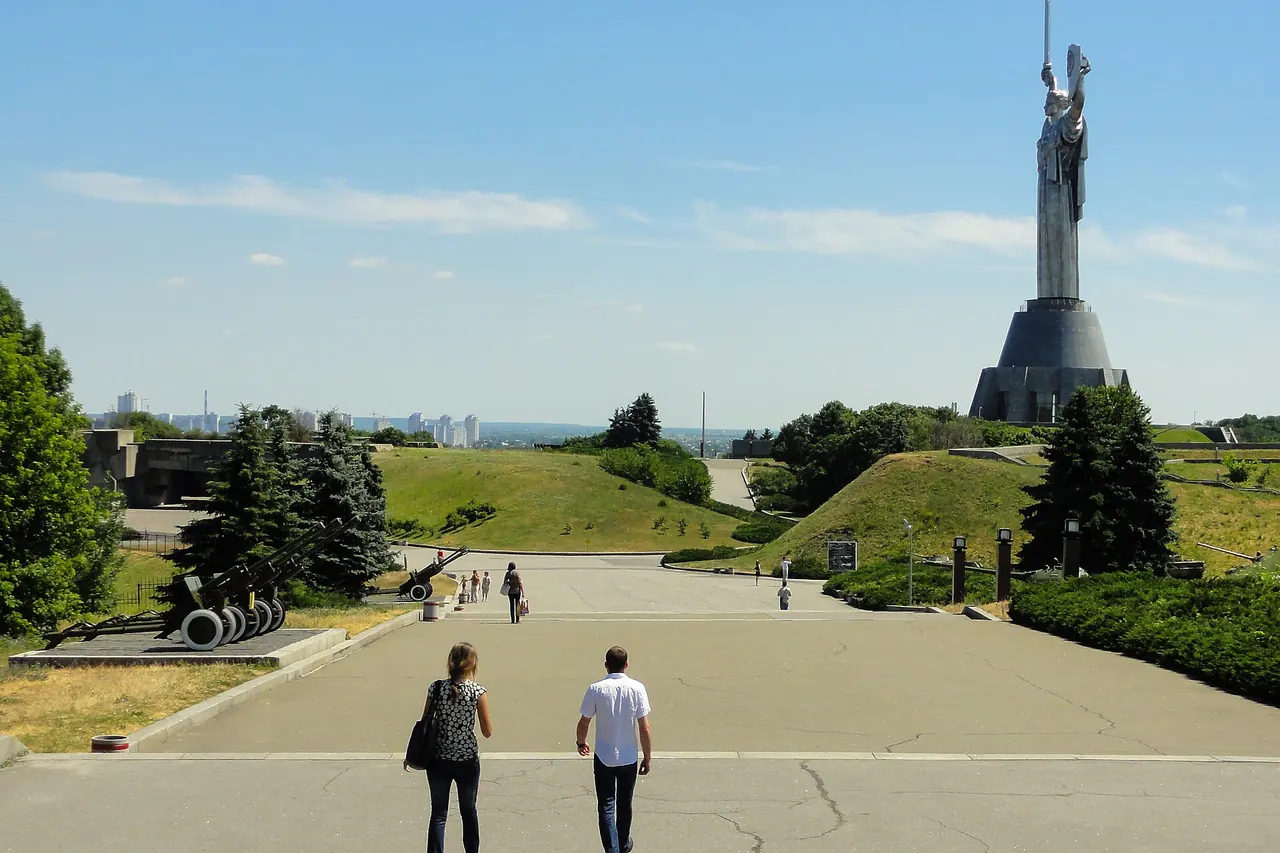
Mother Ukraine is a major skyline landmark, but its setting within the war museum complex gives it more meaning than its height alone. The monumental sculpture, surrounding displays and institution address different aspects of remembrance. The museum's current programme also engages with the ongoing war, so this is not simply a place to look at historic military objects without considering present circumstances.
Use the institution's information to decide which grounds or exhibitions, if any, are accessible. Viewing the statue from outside is different from entering the museum or using a platform, and none should be assumed from an old attraction listing. The archival photograph here documents the landmark rather than its precise present appearance. Allow a reflective pace and do not photograph sensitive activity, military positions or anything that local rules prohibit.
Plan it well: The photograph predates recent changes to the monument. Do not assume viewing platforms or climbs are operating; use the museum's current notices.
National Museum of the History of Ukraine in the Second World WarSee Mariyinsky Palace as a working official building
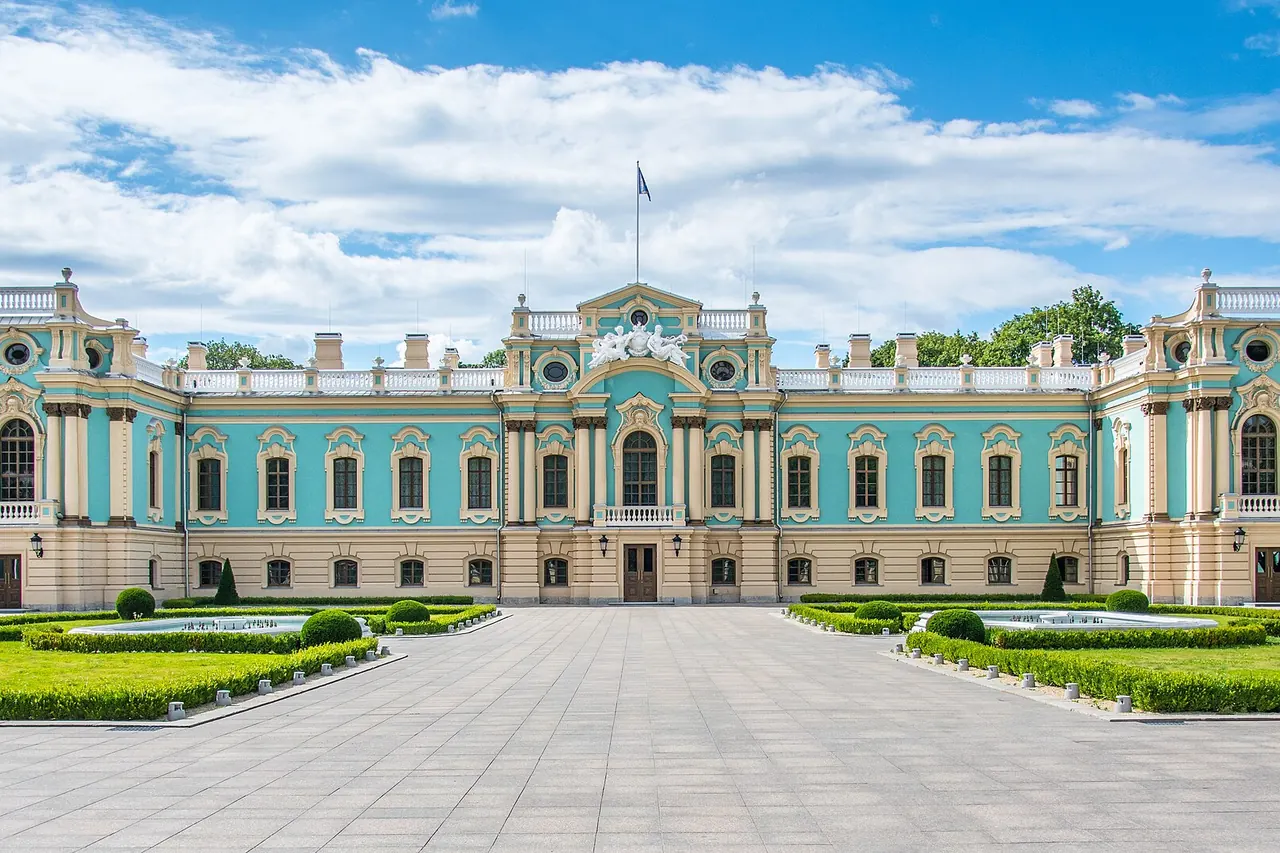
Mariyinsky Palace adds a formal ceremonial building to the Dnipro-side landscape. Its decorative facade is worth reading in relation to the adjoining open space, rather than approaching it as another general-purpose museum. The palace's official function matters when planning access: an attractive exterior does not mean the building is available for casual entry or that tours operate every day.
Consult the palace's current information for any permitted visit and keep a park-side view as a separate possibility. Official events, security arrangements and local restrictions can change what is accessible, so do not approach closed gates or seek a route around barriers. If an authorised visit is available, allow it to be the focus rather than adding an extensive walk afterwards. Any suggested link with the nearby hills remains conditional on current instructions.
Plan it well: A public-looking park or palace exterior is not permission to enter an official building. Respect barriers and verify any tour directly.
Mariyinsky Palace official visitor siteLook beyond the scale of Khreshchatyk
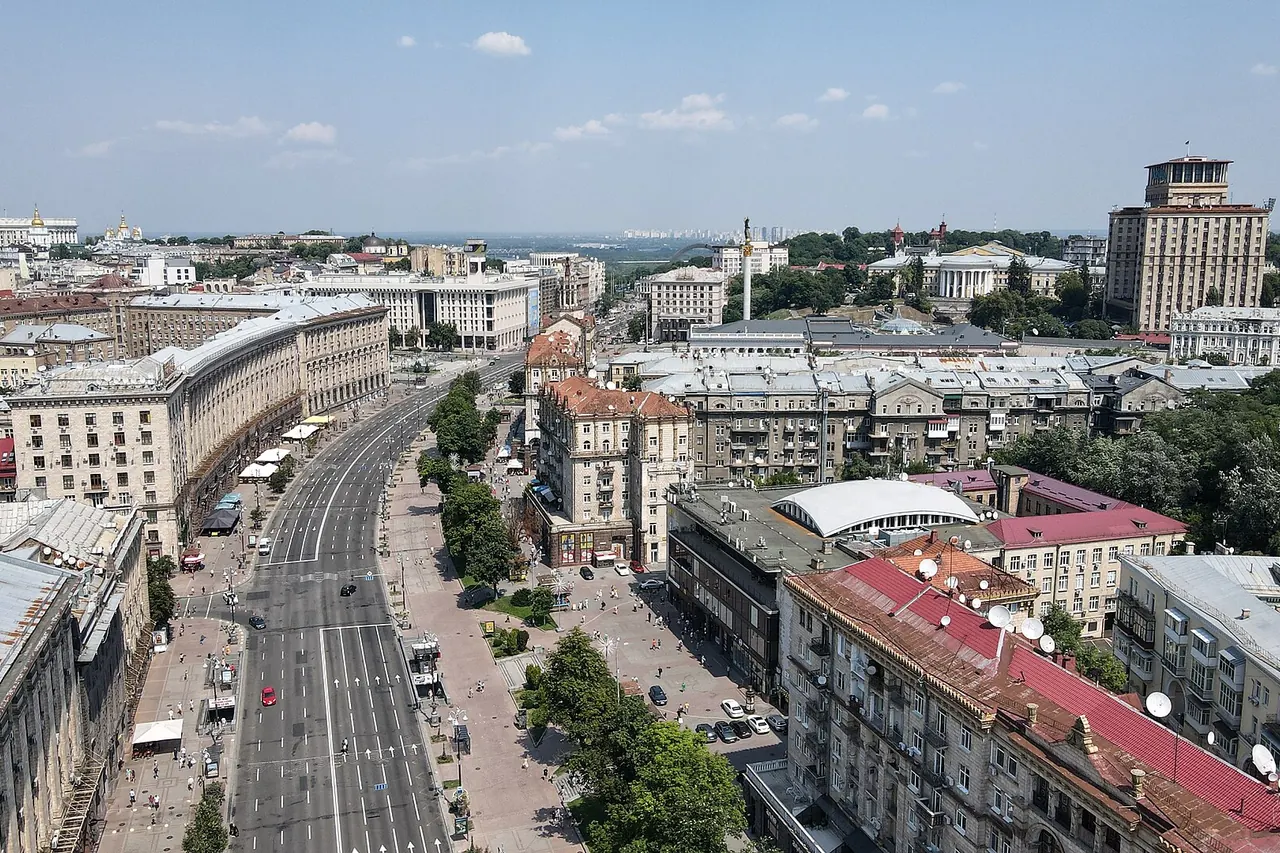
Khreshchatyk is the central avenue, but its value is not just as a shopping address or a connection between landmarks. The broad street and substantial facades show a different scale from the hill streets of Old Kyiv. Look along the building line and notice the entrances to smaller passages, rather than assuming the main carriageway is the only place with architectural interest.
A short section is enough to establish the avenue's character. Choose an authorised pedestrian route with a clear destination and leave shops or indoor stops to their own current opening arrangements. Maidan is nearby but has a distinct civic and commemorative significance, so give it separate attention rather than treating the square as the avenue's decorative endpoint. Historical photographs and previous pedestrianisation patterns are not reliable instructions for movement today.
Plan it well: Do not rely on older descriptions of weekend road closures. Follow current crossings, barriers and local instructions.
Kyiv City tourism guide: KhreshchatykGive Maidan its civic context
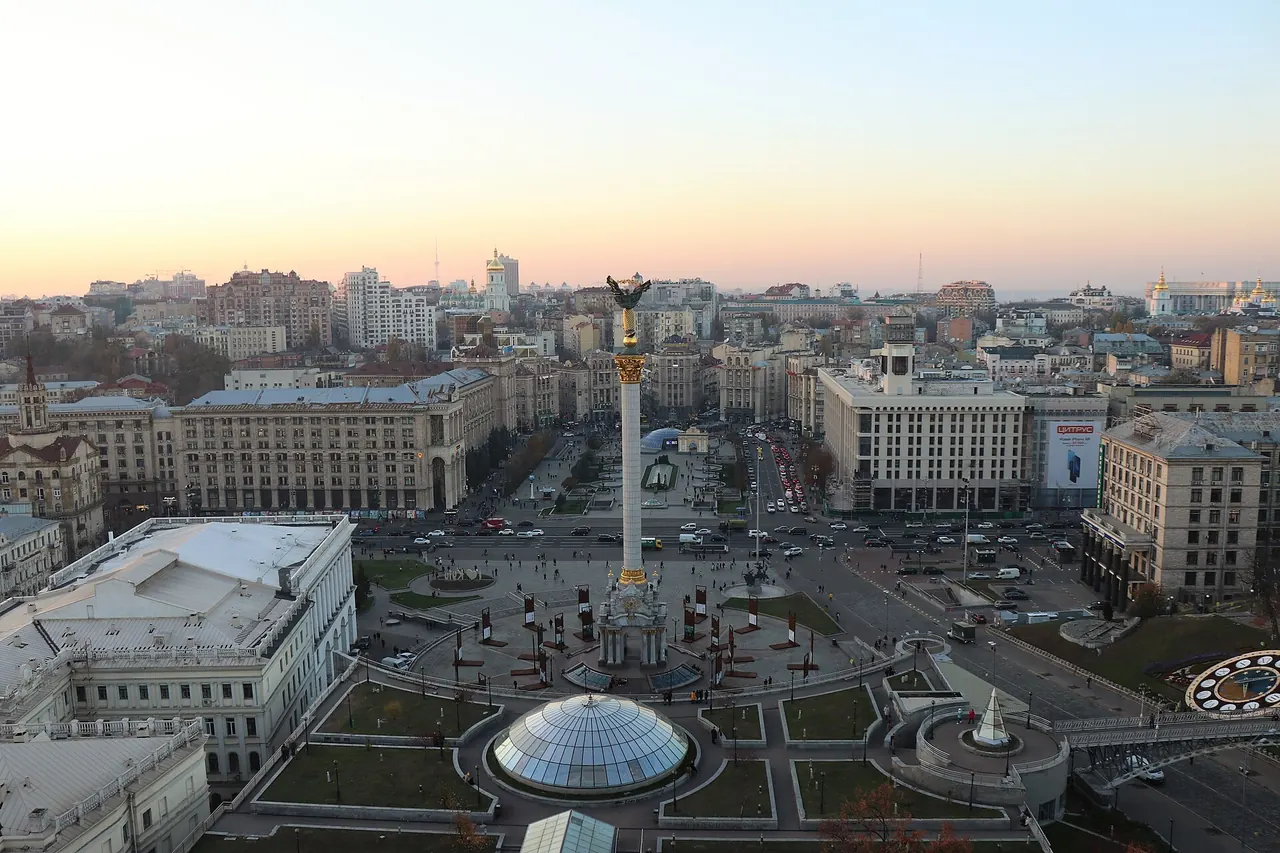
Maidan Nezalezhnosti is a civic place, not simply the largest gap between central buildings. The Independence Monument and the square's association with modern Ukrainian history mean that a visit requires context and a respectful pace. Look at how the space meets Khreshchatyk and the surrounding slopes, but do not reduce its significance to a collection of panoramic viewpoints.
If conditions permit an exterior stop for someone already in the city, keep it brief and attentive to any memorial or commemorative activity. Do not assume an old photograph shows today's layout, public gatherings or access. Reading about the square beforehand helps make a shorter encounter meaningful without seeking out every spot mentioned in a walking guide. The cultural purpose of the visit never takes priority over local instructions or the need to seek shelter.
Plan it well: Give memorials and ceremonies space, avoid crowds when official advice requires it, and do not use an itinerary as a reason to remain outdoors during an alert.
Kyiv tourism office: city landmarksUnderstand the landscape at Hryshko Botanical Garden
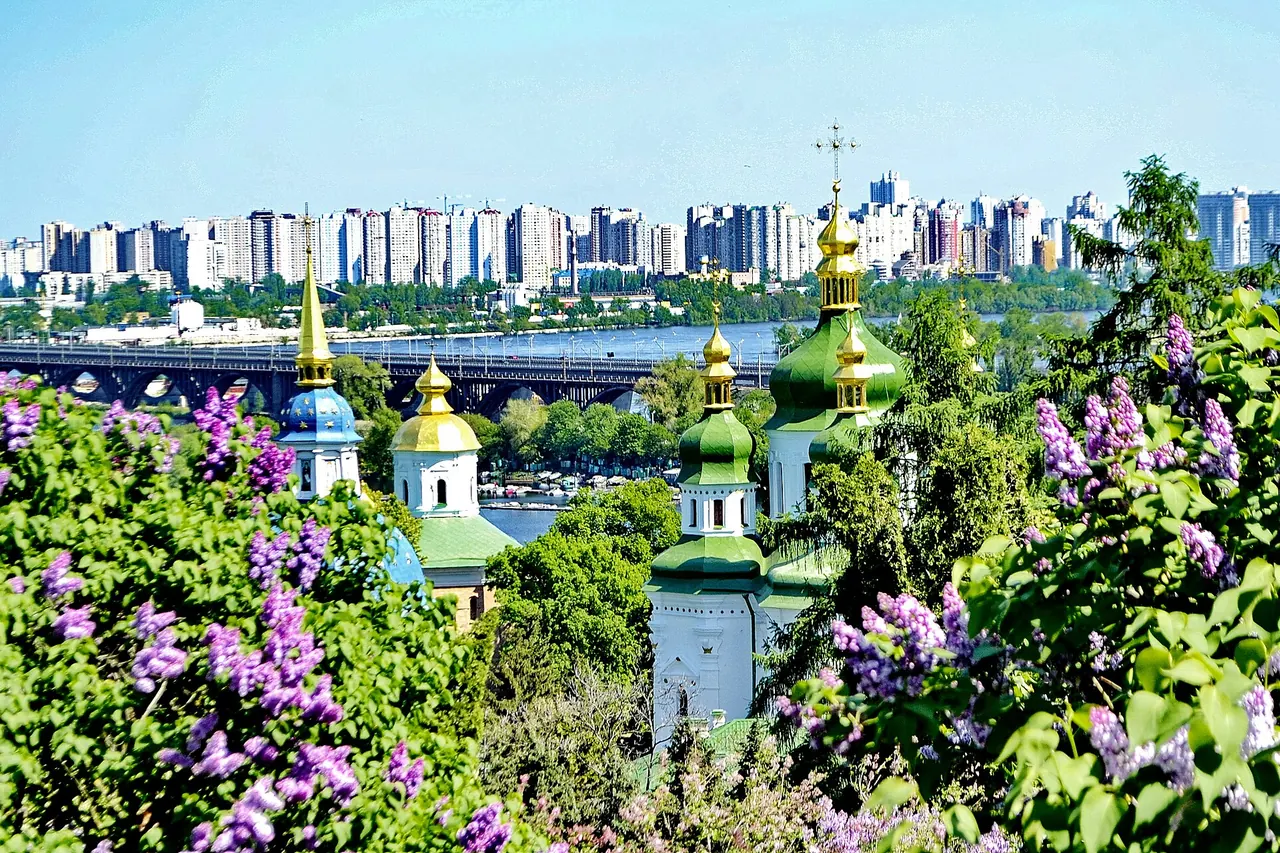
Hryshko Botanical Garden offers a way to understand Kyiv's hills through plant collections and changing views rather than monuments. It is a distinct institution in the Zvirynets area, not the smaller university-side garden that appears in some central itineraries. The landscape matters throughout the year, but particular flowers and panoramas depend on season, weather and the parts of the garden that are available.
Before considering a visit, check current notices and choose a manageable part of the grounds. Gradients and distances can make a garden walk more demanding than its photographs suggest, so ask about accessibility rather than expecting an entirely level route. A botanical outing is an alternative to a dense museum day, not an automatic extra at its end. Keep it conditional on local guidance, and do not interpret an open garden notice as a general assurance about travel conditions.
Plan it well: This is the Hryshko garden, not the Fomin garden by the university. Confirm the correct address and which paths are open.
Visit Kyiv: Hryshko National Botanical GardenHow to spend two days in Kyiv
Day one: a future heritage pairing
For future planning when official advice and local conditions support a visit, pair Saint Sophia with the Golden Gate and consider Saint Michael's separately. Keep each interior subject to the reserve's notices. This is a cultural grouping, not a recommendation to travel to Kyiv now.
Day two: the Pechersk landscape
In suitable future conditions, choose the Lavra or the war museum as the main visit, not both by default. Mariyinsky Palace or Hryshko Garden would require their own access checks and transport decisions. People already in Kyiv must prioritise official restrictions and shelter over this proposed sequence.
Before you go
Read the official warning before any booking
The FCDO advises against all travel to Kyiv. Recheck your own government's advice and insurance position; this guide does not establish that tourism is appropriate.
FCDO Ukraine travel adviceLet local instructions decide the day
If already in Ukraine, identify shelter, take cover during an air alert and follow current curfews and official directions. Do not publish photographs of sensitive military activity.
FCDO Ukraine safety and securityCheck the institution, not only an attraction listing
Published museum information cannot guarantee that an interior, cave, viewing platform or approach remains open that day. Contact the operator and respect temporary closures.
Where to stay in Kyiv
Do not choose accommodation for a tourist trip against current official advice. For essential travel or an existing stay, ask the property directly about accessible shelter, communications, power interruptions and applicable local restrictions. A central address or a view of a landmark is not evidence of protection, reliable operation or suitable emergency arrangements.
Explore Kyiv hotels