
Las Vegas city guide
10 things to do in Las Vegas
A first Las Vegas visit beyond casino floors: Strip spectacles, downtown history and two worthwhile desert excursions, planned without rushing.
Plan your visit
Las Vegas works best when you separate the Strip, downtown and the desert into deliberate outings. Pick the paid experience you care about most, leave gaps for meals and cooling down, and resist treating every resort as a quick walk from the next. These ten options balance spectacle with history and landscape.
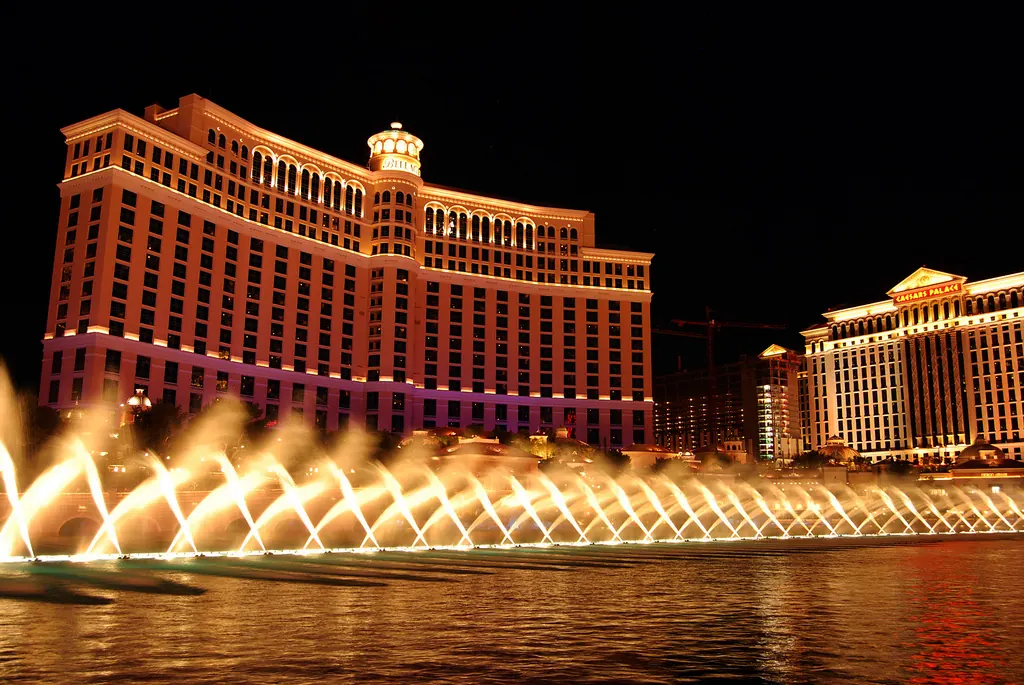
Pause for the Fountains of Bellagio
The fountains turn a walk along the central Strip into a performance without requiring a casino visit. Watch the water patterns against Bellagio's facade, then try a position farther along the lake to see how the choreography fills the frontage. A wide view is often more interesting than standing directly in front of the highest jets with a phone held up.
Use the show as a flexible evening stop between dinner and another activity, rather than the reason to cross the entire city at a particular minute. Bellagio publishes its schedule and warns that weather can cancel displays. Public viewing does not require a restaurant reservation or a room overlooking the lake, although those are separate ways to spend more time with the setting.
Plan it well: Check Bellagio's own schedule shortly before going, and expect weather-related interruptions rather than guaranteed performances.
Bellagio: official fountains informationSee downtown beneath the Fremont Street canopy
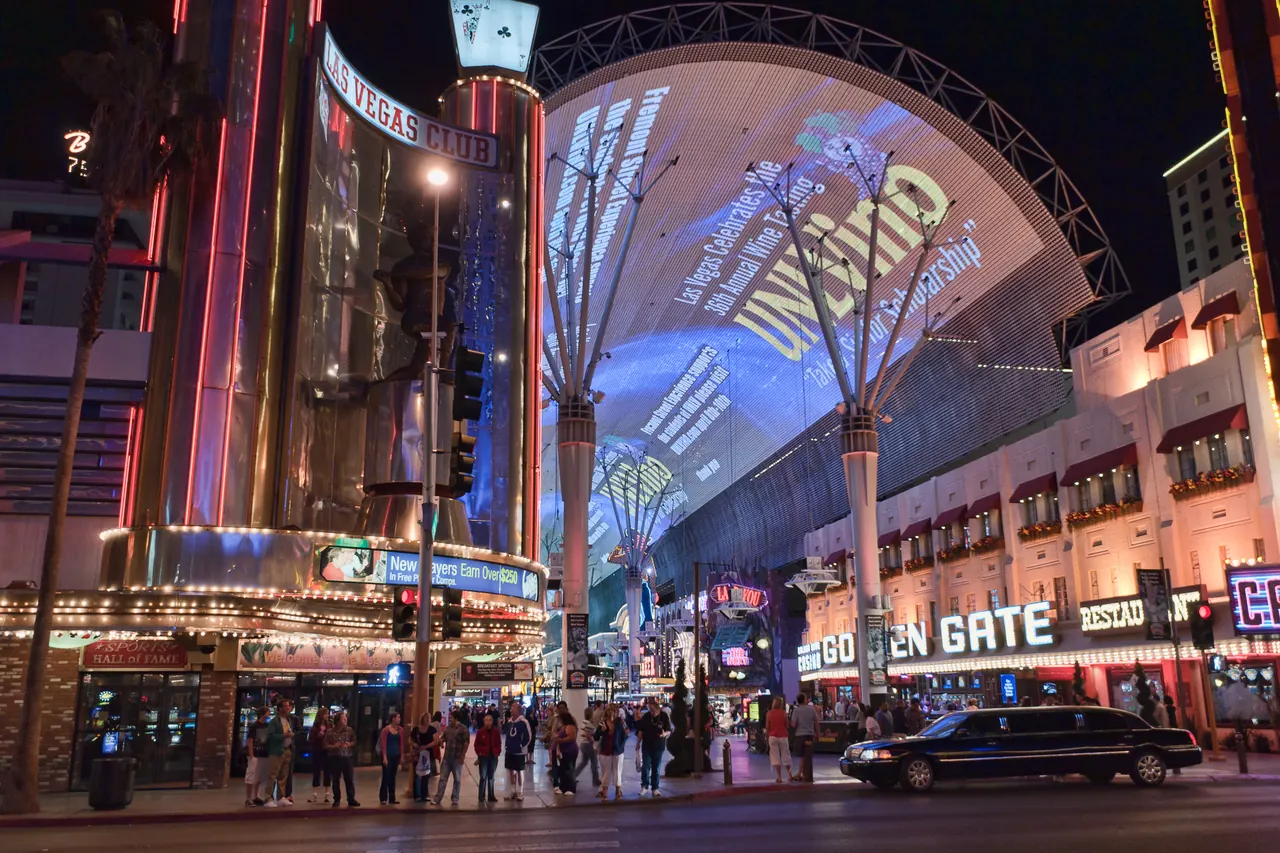
Fremont Street has a more compressed, street-level energy than the Strip: casino signs, live stages and the overhead Viva Vision canopy occupy a walkable downtown corridor. Look up for the display, but also notice the older casino frontages beneath it. This is entertainment space rather than a quiet historic district, so the crowds and amplified sound are part of the experience.
Plan a downtown evening instead of shuttling repeatedly between Fremont and Strip resorts. The official schedule distinguishes the free canopy shows from separately ticketed activities such as the zip line. Families and visitors sensitive to noise may prefer an earlier, shorter walk; everyone should keep track of companions in the crowds. The Mob Museum nearby offers historical context before the evening spectacle starts.
Plan it well: Agree on a meeting point before a show; a canopy performance and a zip-line ticket are different activities.
Fremont Street Experience: Viva Vision scheduleRead the city through the Neon Museum's signs
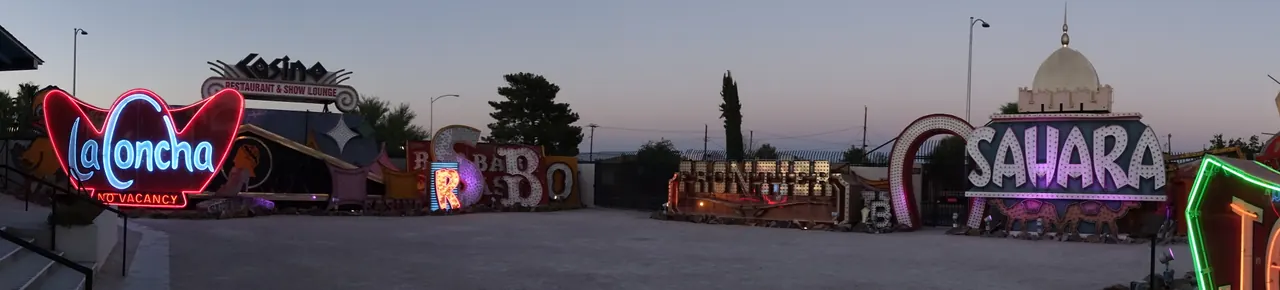
The Neon Museum preserves the signs that once helped sell Las Vegas to the passing street. Their scale, lettering and battered surfaces make a useful contrast with today's giant screens. Look for design changes between businesses and decades, and use the interpretation to connect a familiar casino name with the city that existed before its current version.
Choose the specific visit you want before buying, since a guided collection visit and the museum's audiovisual programme are not interchangeable. Much of the experience is outdoors, and extreme temperatures can affect operations. The visitor photography rules also matter: ordinary admission is not permission for a professional shoot or unrestricted camera equipment. Read the current policy before carrying a camera bag across town.
Plan it well: Book ahead and check photography equipment restrictions; take water and dress for an outdoor collection.
The Neon Museum: plan your visitSpend time with the evidence at the Mob Museum
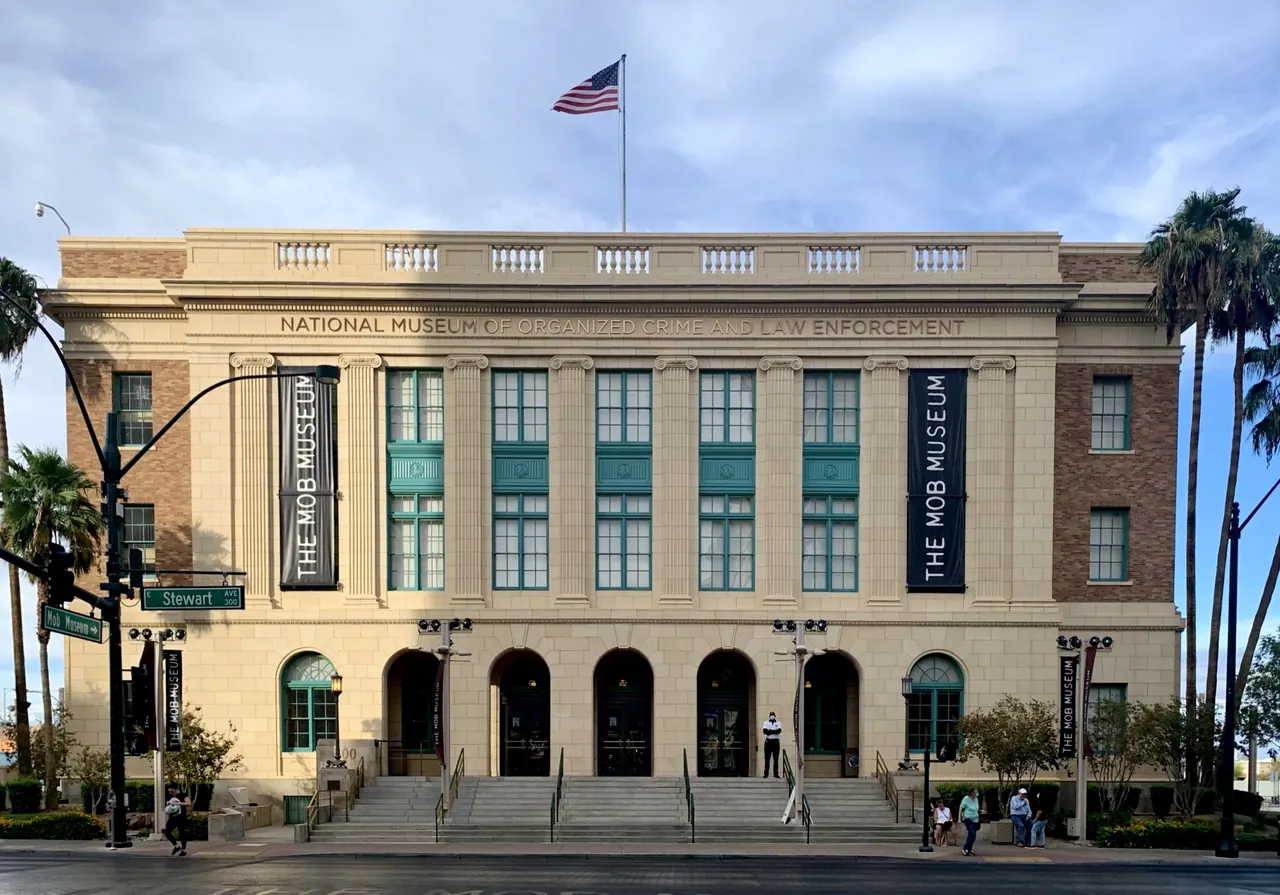
The Mob Museum is a history visit, not just an opportunity to recognise names from gangster films. Its organised-crime and law-enforcement focus gives Las Vegas a wider American context, while the former federal courthouse setting makes questions of evidence and justice feel tangible. Give the exhibits enough reading time; rushing past objects removes much of what makes the collection useful.
The main galleries suit a substantial indoor stop before a Fremont Street evening. Compare general admission with packages containing interactive experiences, and check their age restrictions before booking for a family. Those extras have their own timings and requirements, so a museum ticket should not be assumed to include everything advertised. If the subject matter is not your group's interest, choose a shorter downtown outing rather than forcing a long visit.
Plan it well: Reserve add-on sessions deliberately and read age requirements before paying for a package.
The Mob Museum: official admission informationTake a slow skyline view on the High Roller
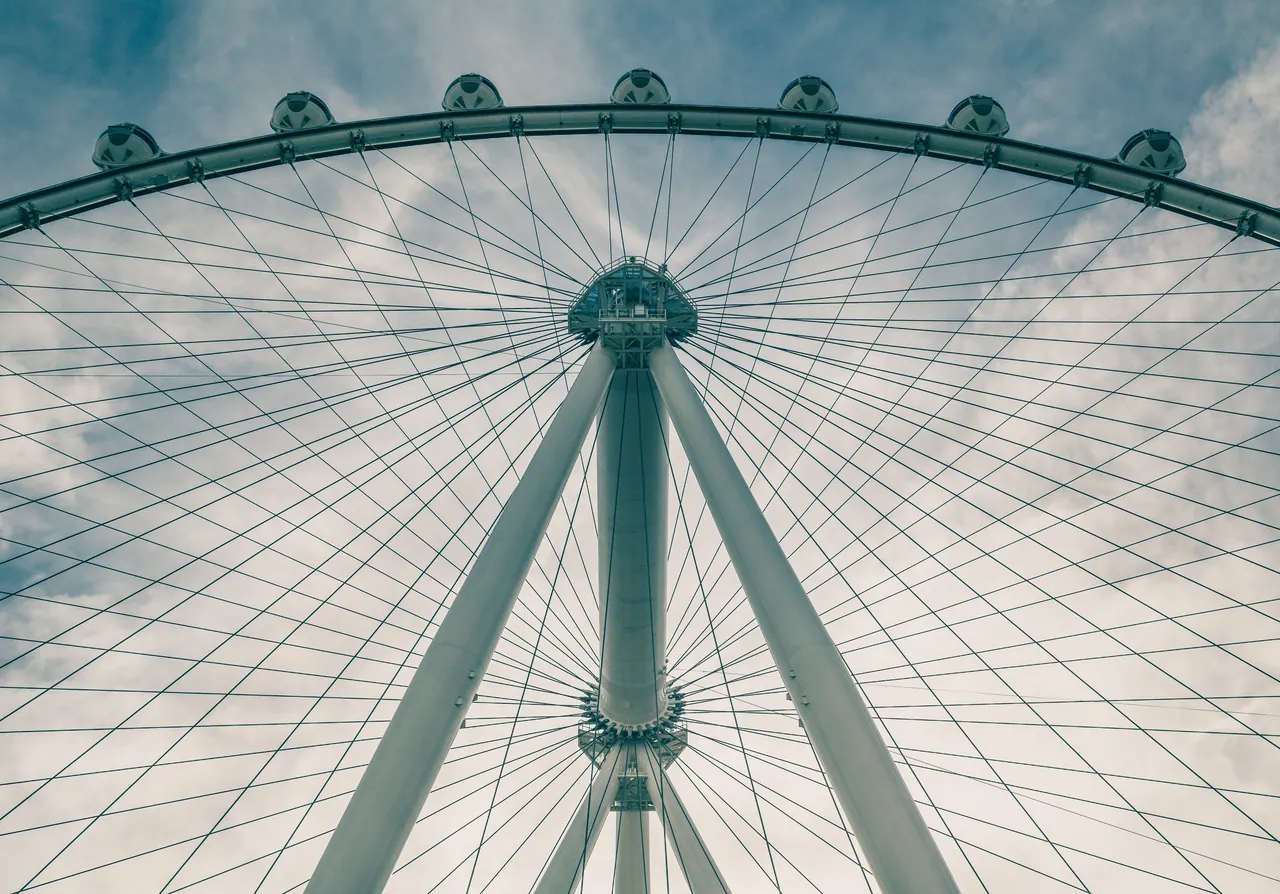
The High Roller gives you a slow-moving overview of the Strip instead of another rapid thrill ride. From the observation cabin, try following a few familiar resort towers and the grid of streets beyond them; the ordinary city around the entertainment corridor becomes easier to understand from above. Choose daylight for a clearer landscape or evening for the illuminated skyline.
A rotation takes roughly half an hour, but allow extra time for entry and boarding rather than scheduling dinner immediately after the advertised ride duration. Read the ticket description carefully: general shared-cabin admission and drinks-focused packages are different products. The wheel sits behind the main boulevard, so include the walk along the LINQ promenade in your plan, especially in hot weather or with limited mobility.
Plan it well: Choose the view and cabin package you actually want; daytime and evening products can have different conditions.
Caesars: High Roller visitor informationChoose a specific experience at Sphere

Sphere is striking from the street, but the outside display and the auditorium are two different experiences. Seeing the exterior does not tell you which concert, film or other event is playing inside. Decide whether you want to observe the changing building from a lawful pedestrian viewpoint or make a paid performance the centre of an evening.
For an indoor visit, read the event listing, seat description and current accessibility guidance before booking. The venue's scale makes arrival routes and security arrangements worth planning, not leaving until the taxi drops you off. Do not stop a vehicle in traffic to photograph the exterior, and do not assume a nearby resort walkway grants access to the auditorium. Leave a generous margin between an afternoon excursion and a scheduled show.
Plan it well: Check the actual event, not just the venue name, and review entry, bag and mobility arrangements in advance.
Sphere: plan your visitMake a deliberate stop at the Las Vegas sign
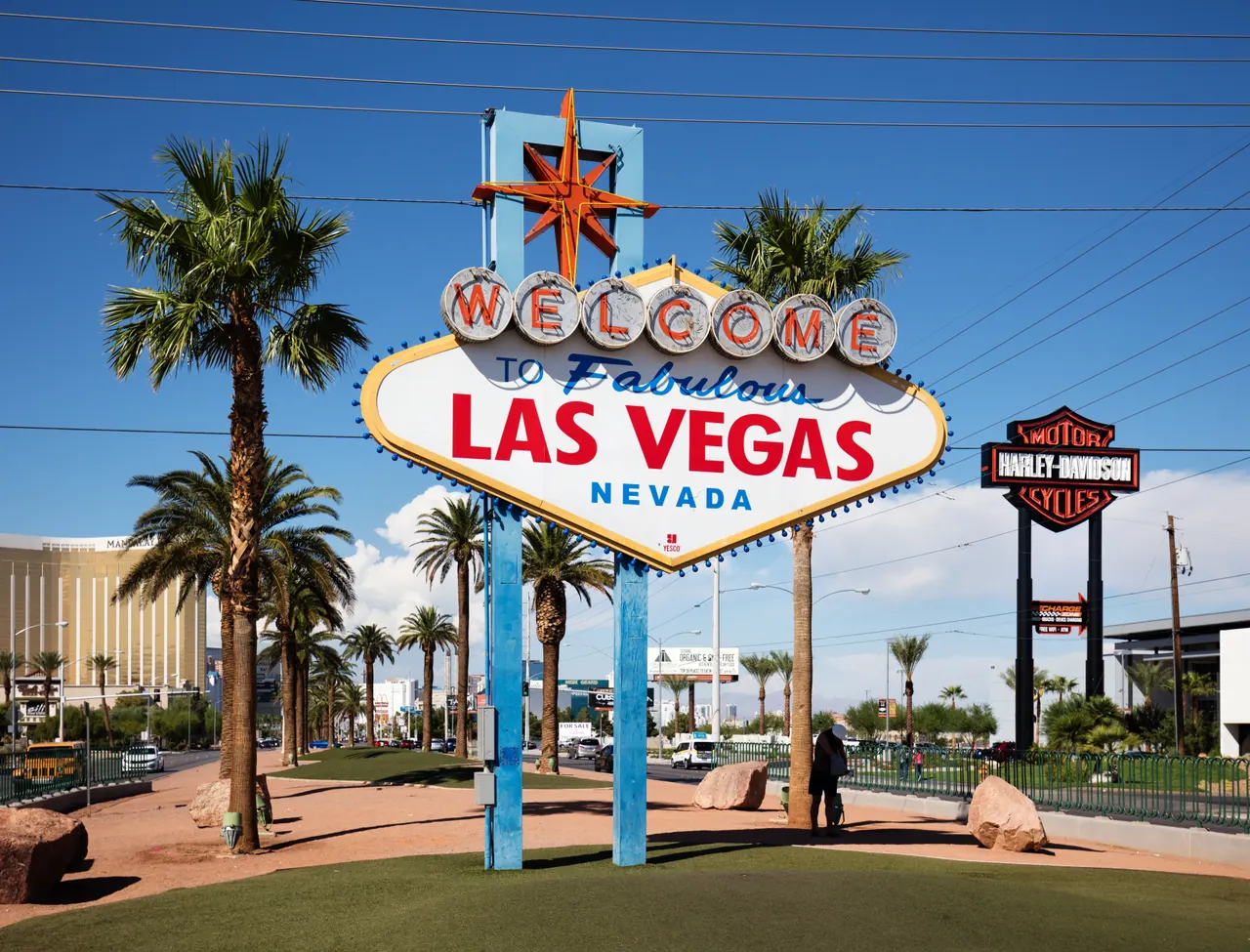
The familiar diamond-shaped sign is a small landmark with a big role in the city's visual identity. It works best as a brief, intentional stop rather than the climax of a sightseeing day. Look at the sign's lettering and starburst, take the photograph you came for, and leave room for other visitors rather than treating the surrounding space as a private set.
The sign is south of the central resort cluster, and its dedicated parking area is a more useful planning detail than an assumption that it is outside your hotel. If arriving on foot, assess the real pedestrian route and use designated crossings; broad roads and heat can make a short map distance uncomfortable. Combine it with a south-Strip outing, not a separate round trip from downtown solely for a photograph.
Plan it well: Use the designated parking and pedestrian approaches; never cross moving traffic for a front-facing photo.
Visit Las Vegas: the Welcome signTrade neon for sandstone at Red Rock Canyon
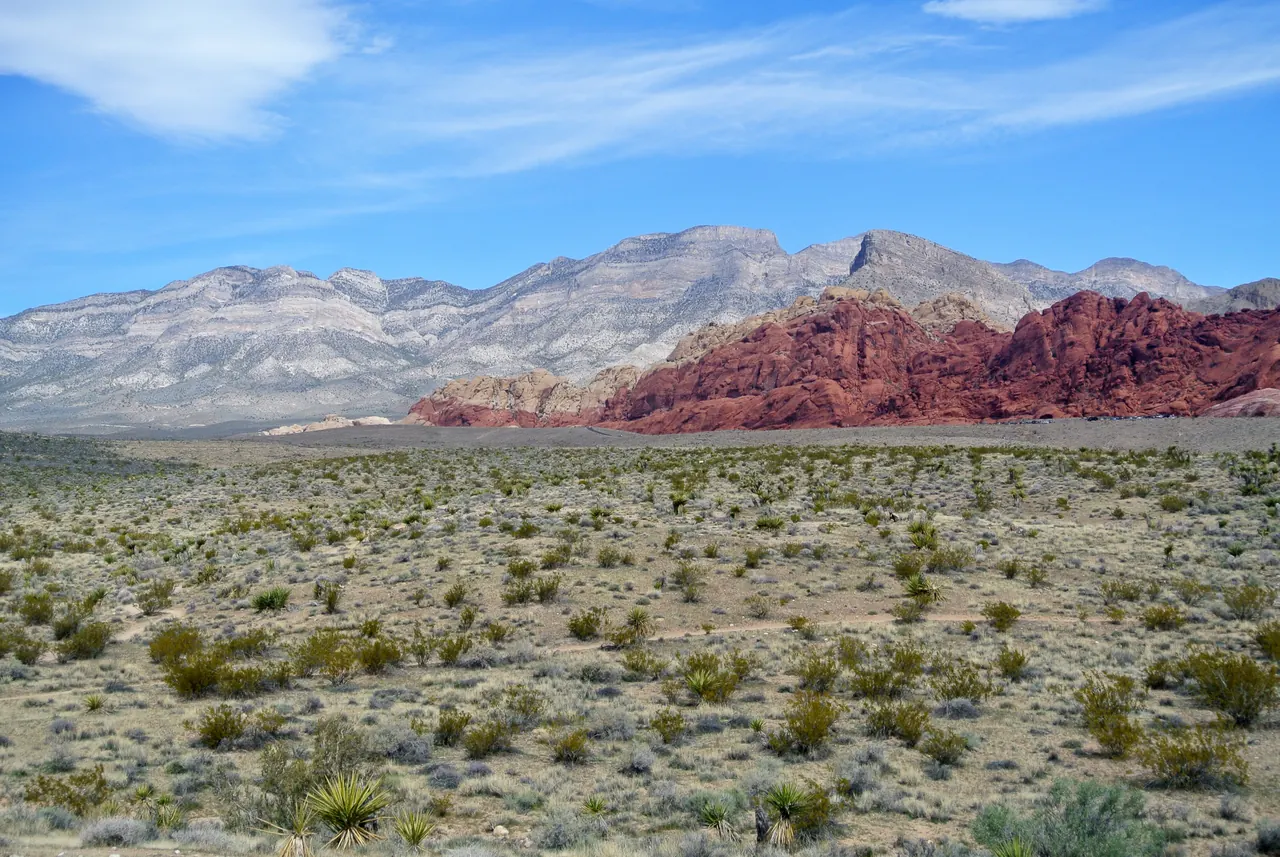
Red Rock Canyon shows how quickly the region changes once the resort corridor drops behind you. Sandstone faces, pale rock bands and open desert make the landscape interesting even if you choose only viewpoints and a short walk. Start with the visitor information, then pick a trail or stop that matches your group instead of assuming every scenic path is an easy stroll.
The Bureau of Land Management requires timed reservations for the Scenic Drive during its published seasonal window, and ordinary city public transport does not reach the conservation area. Arrange a vehicle or suitable tour with a return plan. Heat, exposure and limited water change the demands of walking here; carry supplies, check conditions and shorten the outing when necessary. This is a dedicated desert half-day, not an evening detour between shows.
Plan it well: Verify the current Scenic Drive reservation window and bring your own water; a pass and an entry reservation are different things.
Bureau of Land Management: Red Rock CanyonLook at the engineering of Hoover Dam
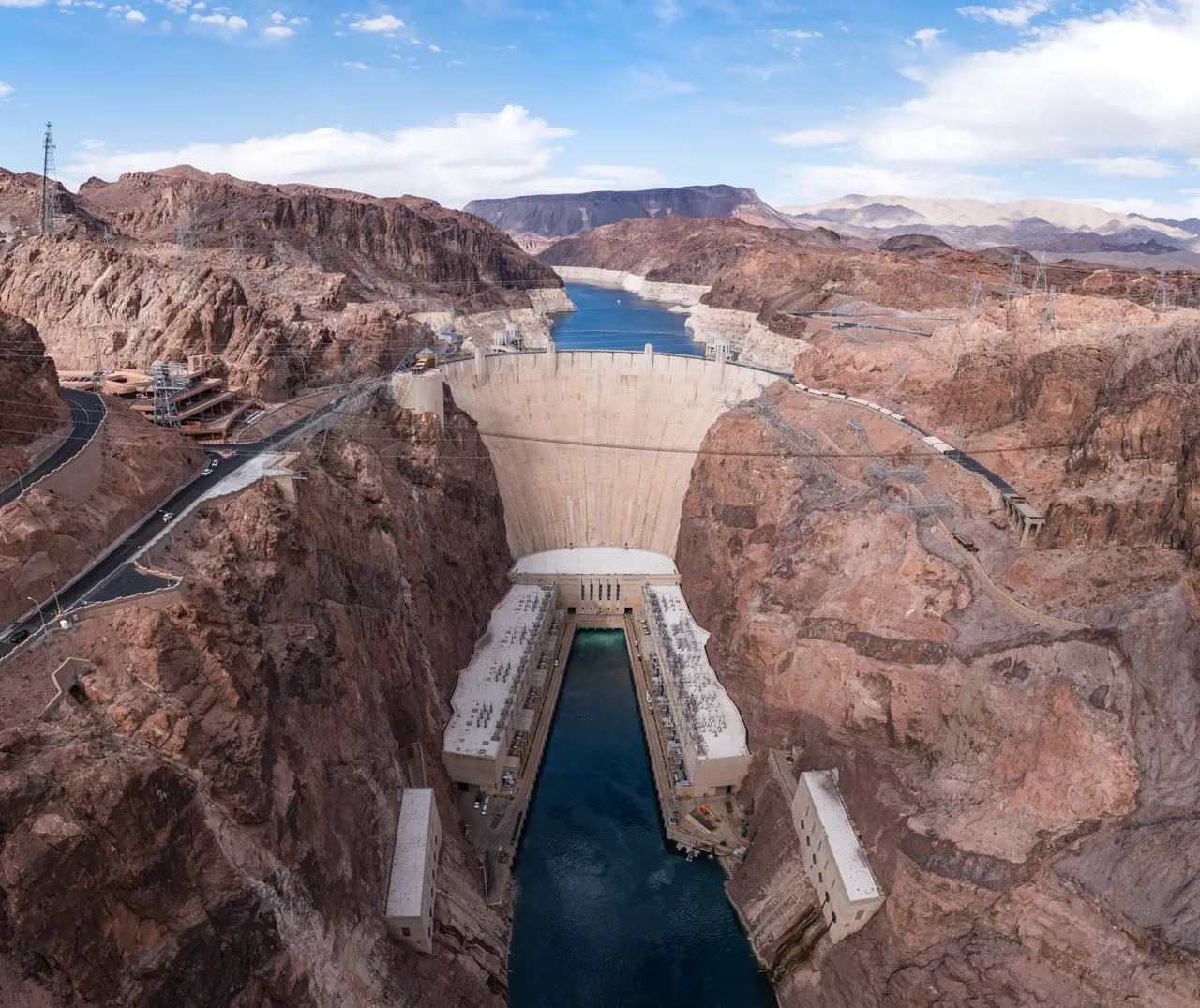
Hoover Dam offers a change of scale from resort architecture to infrastructure built across a canyon. The curve of the concrete wall, power facilities and river setting are worth looking at together, rather than making the trip only for a photograph over the edge. Visitor exhibits can help explain how the structure relates to electricity, water and the wider Colorado River system.
Decide whether you want exterior viewpoints, the visitor centre or a guided interior tour before choosing a transport package. The Bureau of Reclamation lists distinct products and warns that tours can change or sell out; a coach excursion is not automatically an interior ticket. Allow time for security and parking, and check accessibility restrictions for the particular tour. Avoid combining a rushed dam visit with Red Rock Canyon on the same short city day.
Plan it well: Use the official tour description to confirm what is included, and expect security screening rather than immediate access.
Bureau of Reclamation: Hoover Dam visitsFind the valley's history at Springs Preserve
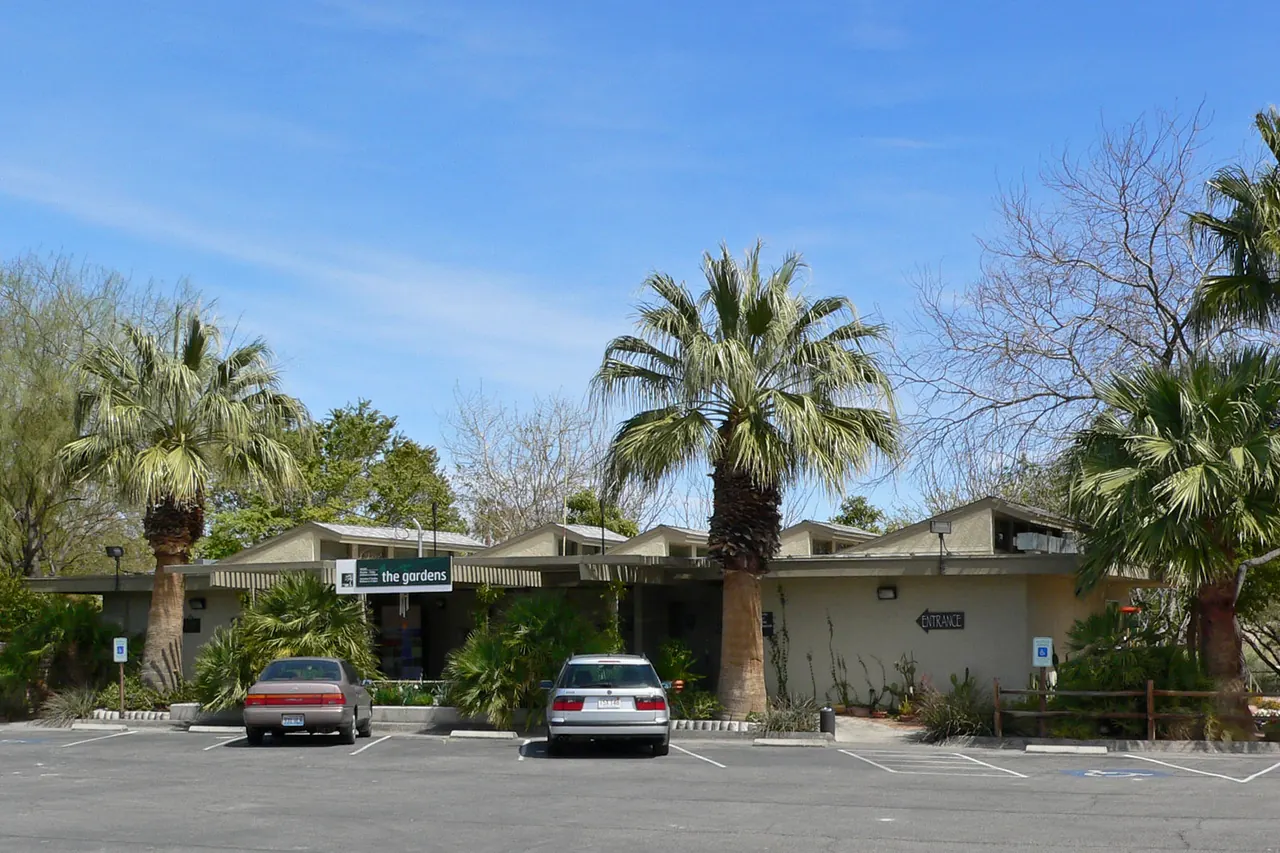
Springs Preserve is an antidote to the idea that Las Vegas began with casinos. Gardens, trails and exhibitions connect the valley's water, ecology and settlement history, with a quieter pace than the Strip. Choose an indoor collection and an outdoor section rather than trying to use every activity on the site; the relationship between the two is the point.
The venue is not open every day, and outdoor operations can change during extreme heat, so check the current visitor page before travelling. A museum-and-garden morning can suit families or anyone wanting a break from the resort environment. Seasonal attractions and special events have their own arrangements; do not promise them to children without verifying availability. Leave time to look at desert-adapted planting rather than using the gardens only as a route between buildings.
Plan it well: Check both the operating day and outdoor heat notices; seasonal exhibits are not guaranteed with an ordinary visit.
Springs Preserve: plan your visitHow to spend two days in Las Vegas
Day one: a central Strip evening
Keep the daytime flexible for arrival and a meal. Choose the High Roller or a booked Sphere event as the paid anchor, then see the Bellagio fountains around the current schedule. Leave enough time for the actual resort walks and crossings; the Welcome sign belongs in a separate south-Strip stop.
Day two: downtown with history
Choose the Mob Museum for a substantial indoor visit, then walk Fremont Street. Book the Neon Museum separately if its available session fits your day. For a nature-focused trip, replace this downtown day with Red Rock Canyon or Hoover Dam, not both, and keep the return schedule loose.
Before you go
Plan the walk you will actually make
Resort entrances, pedestrian bridges and large indoor corridors mean the route can be much longer than the distance between map pins. Build breaks and cooling-down time into a Strip outing.
Treat desert outings as separate trips
Arrange transport, carry water and check current heat and access notices. Do not rely on a spontaneous ride pickup at a remote trailhead.
BLM: Red Rock Canyon visitor informationCompare the full hotel bill
Read the room conditions and any mandatory resort charges, parking costs and deposits before booking. A low headline rate does not describe the final cost of the stay.
Choose a base for the places you want to see
A central Strip hotel suits Bellagio, the LINQ and an evening show; downtown makes Fremont Street and the history museums easier to combine. South-Strip stays are useful for the Welcome sign and airport-side arrivals, but still require longer trips to downtown. Compare walking access, transport and the total room cost rather than selecting only by a familiar casino name.
Explore Las Vegas hotels