
Orlando city guide
Orlando with children: theme parks, rest days and smart planning
A practical family guide to Orlando: choose the right parks, understand height rules, build in recovery time and combine headline attractions with quieter local experiences.
Plan your visit
Orlando rewards families who plan in layers. Start with the experiences that matter most to your children, check every park’s current height and reservation rules, and protect the trip with slower mornings, pool time and one flexible day. This guide helps you balance Walt Disney World and Universal with science, gardens and neighbourhoods beyond the resort gates.
Choose theme-park days around your family
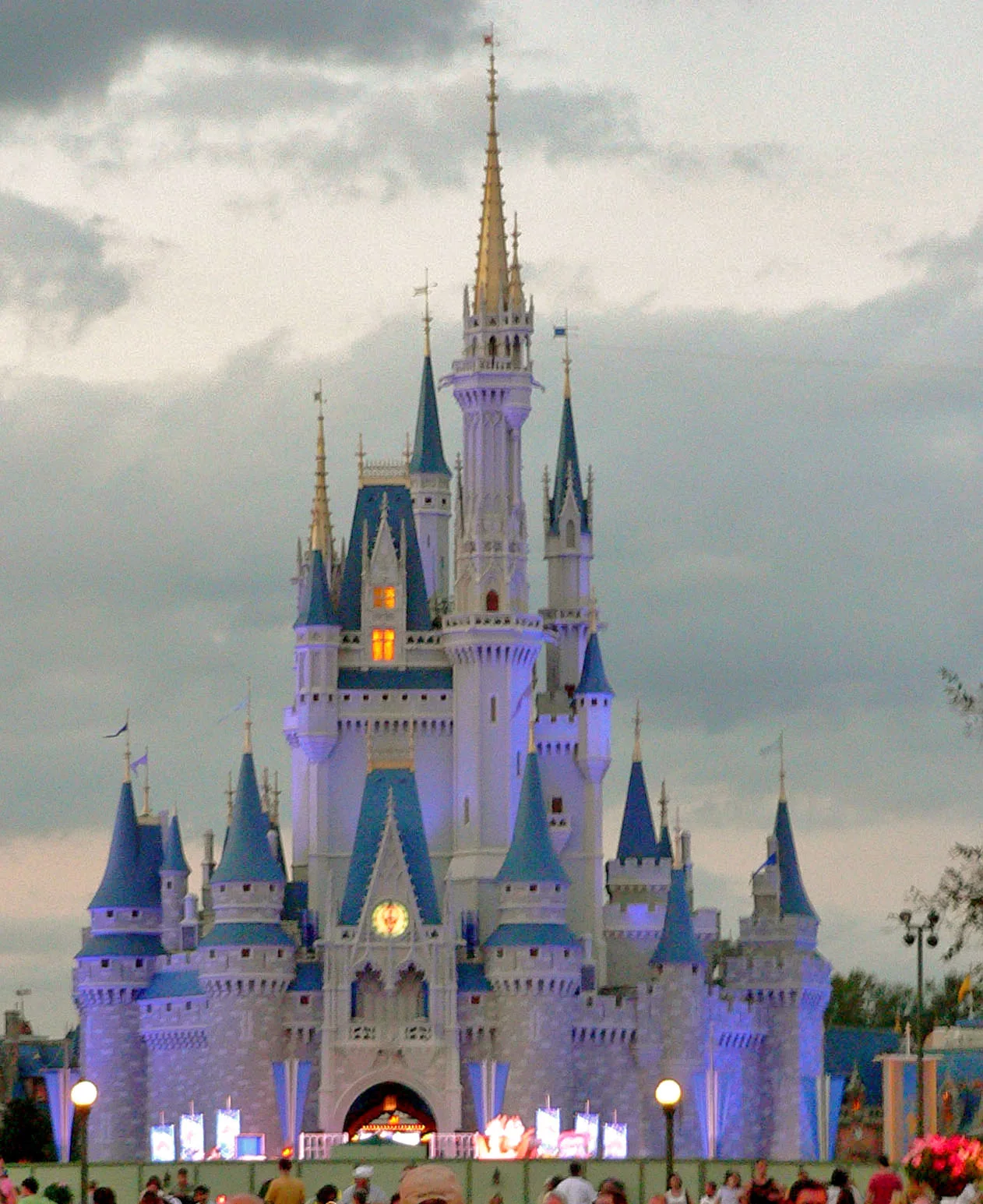
For younger children, Magic Kingdom offers the broadest mix of low-height rides, character experiences and familiar landmarks. Older children and teenagers may prefer EPCOT, Hollywood Studios or Universal Orlando. Compare current attraction requirements on the official park sites before buying tickets: a child’s height can change the value of a park day, and Rider Switch can help adults share selected thrill rides without making younger children queue twice.
Plan it well: Let each child choose one must-do attraction, then build the day around those priorities instead of racing between every ride.
Keep a strong indoor plan for heat and rain

Orlando Science Center works well when younger children need hands-on exhibits and the adults need air conditioning. It also gives the trip a different rhythm from queues and rides. For a second indoor option, compare the current programme at the Crayola Experience or a resort activity before committing: opening hours and timed sessions can change, and the best choice depends on your children’s ages.
Plan it well: Use the indoor day when the weather turns, not automatically on a fixed date. Orlando storms can be short and local.
Protect one slower day between major parks
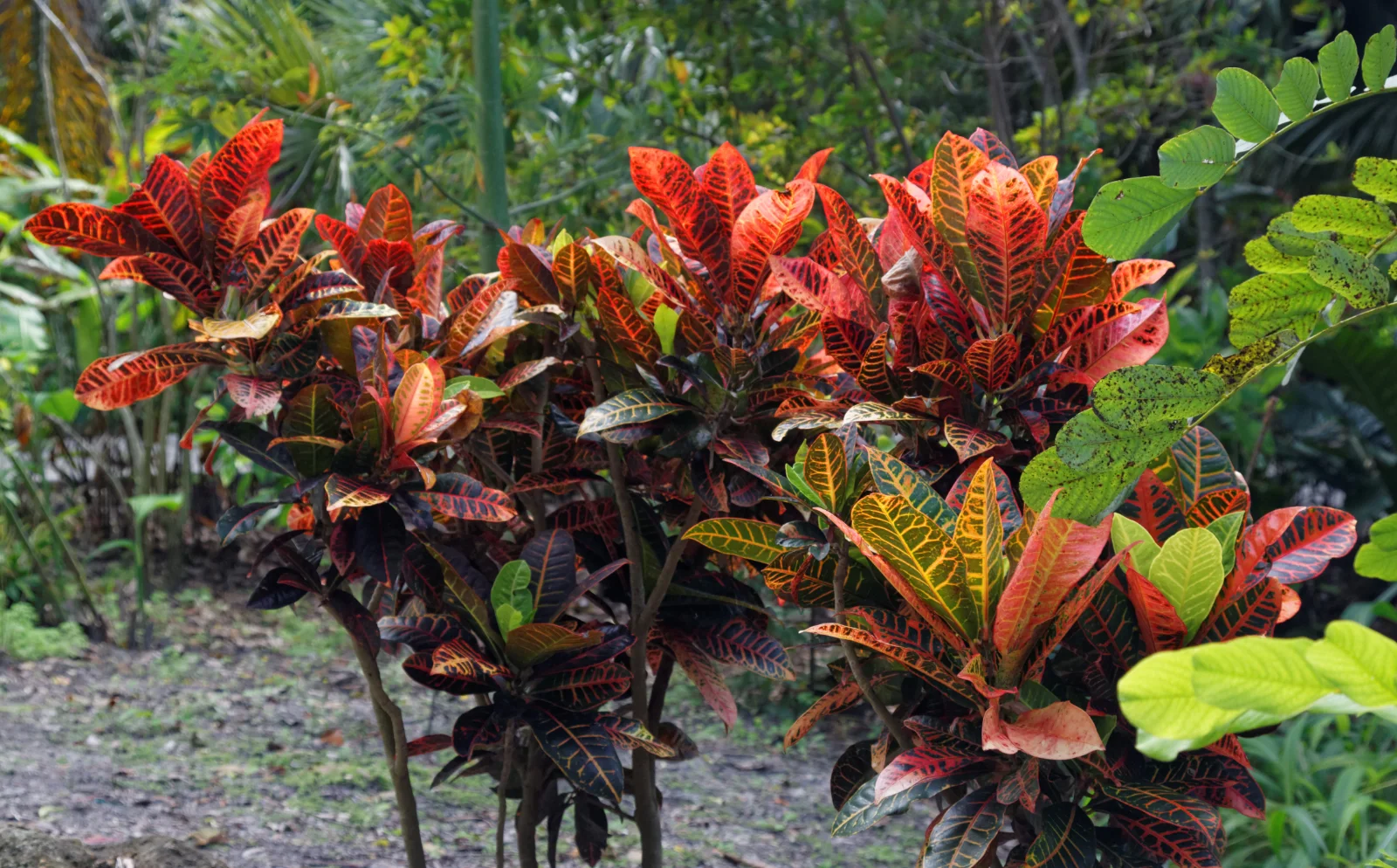
After two intensive park days, switch to a shorter outing at Harry P. Leu Gardens, a relaxed circuit around Lake Eola or a quiet hotel-pool morning. The aim is not to fill every hour; it is to prevent the tiredness that turns the final park days into expensive arguments. Pack water, sun protection and a lightweight layer for strong air conditioning, and let naps or an early dinner win when they need to.
Plan it well: A recovery day is part of the plan, not a wasted ticket day. Keep it flexible and move it when the family is visibly tired.
Treat Universal as its own carefully chosen day
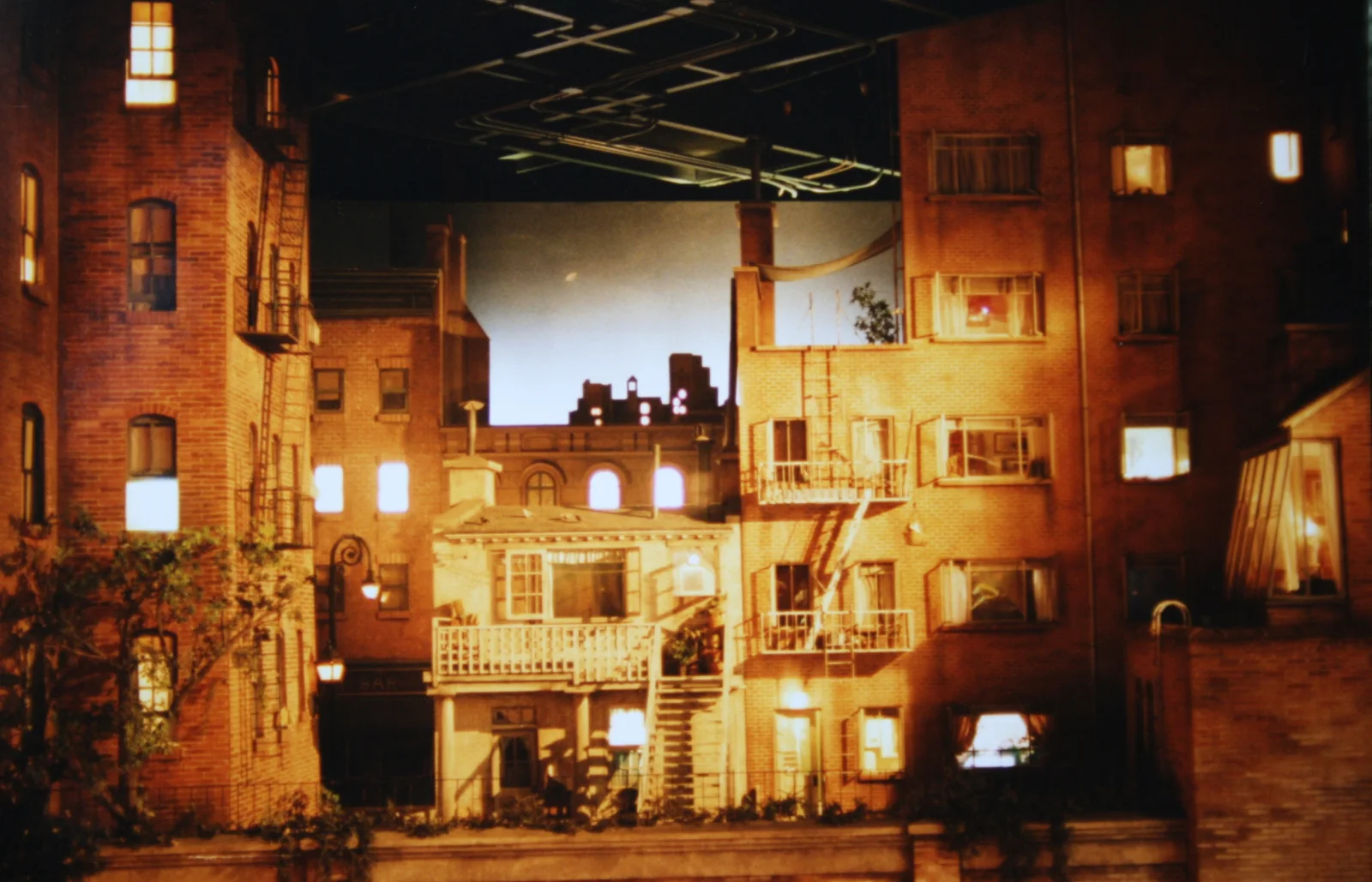
Universal Studios Florida and Islands of Adventure suit families whose children recognise the film worlds and meet the relevant height requirements. Check the official attraction list before choosing one park or a park-to-park ticket, and account for walking between areas. Families with younger children can still enjoy themed environments and shows, but should compare the number of suitable attractions before paying for an intensive multi-day package.
Plan it well: If the group has very different ride appetites, agree in advance which adult goes with which child and where you will meet.
Practical rules that save family energy
Plan it well: Keep one flexible half-day unbooked. It is your buffer for weather, tiredness or a must-do attraction that needs moving.
Check every height rule before buying
Measure children in shoes before departure and compare the official attraction charts. This prevents surprises at the entrance and helps you judge whether premium park tickets make sense for your group.
Cluster the parks by hotel area
Orlando is spread out. A hotel near Universal does not make Walt Disney World a short transfer, and vice versa. Compare parking, shuttle timetables and ride-hailing costs before choosing the lowest room rate.
Plan food and sensory breaks
Reserve one calm meal or return to the hotel before everyone is exhausted. Families sensitive to noise should identify quieter zones, ear protection and an agreed exit plan before entering the busiest parks.
Carry the day, not the whole holiday
A refillable bottle, compact rain layer, power bank, sun protection and one change of clothes cover most needs. Use lockers or stroller storage rather than carrying every contingency through the park.