
Ho Chi Minh City city guide
10 things to do in Ho Chi Minh City
A first visit to Ho Chi Minh City, balancing its history museums, working markets, temple courtyards and lively downtown streets.
Plan your visit
Start with a few places close together rather than trying to cross the whole city each day. The palace, post office and downtown streets make one cluster; Cholon and the Cu Chi tunnels need their own journeys. Keep meals and cooling breaks in the plan, and leave enough time to take the history museums seriously rather than treating them as quick photo stops.
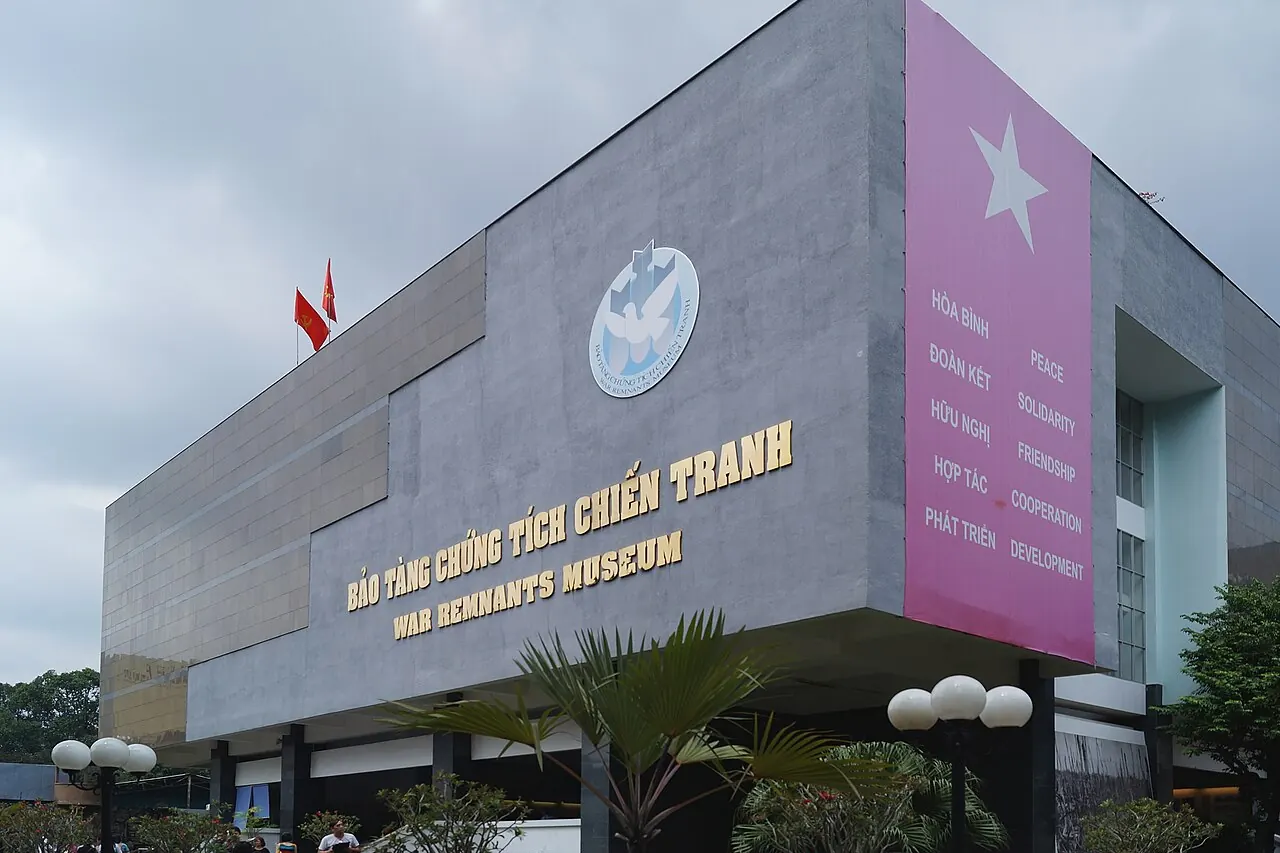
Make time for the War Remnants Museum
The War Remnants Museum is a substantial history stop, not simply a courtyard of military vehicles. Its photographs and displays deal with the human consequences of war, and some material is graphic. Read the labels, give the galleries time and consider the museum's perspective instead of moving through it only to recognise familiar names or images from films.
Make this your main museum visit for the morning rather than a brief gap between shopping and lunch. You may want a quieter activity afterwards, especially when travelling with children or anyone affected by the subject. Plan a break before the next stop and check the museum's current visitor arrangements. The nearby Independence Palace offers a different kind of historical setting; seeing both can be useful, but they are not interchangeable experiences.
Plan it well: Consider the exhibition content before visiting with children, and leave a quiet break afterwards.
War Remnants Museum: official exhibitionsRead the rooms of Independence Palace
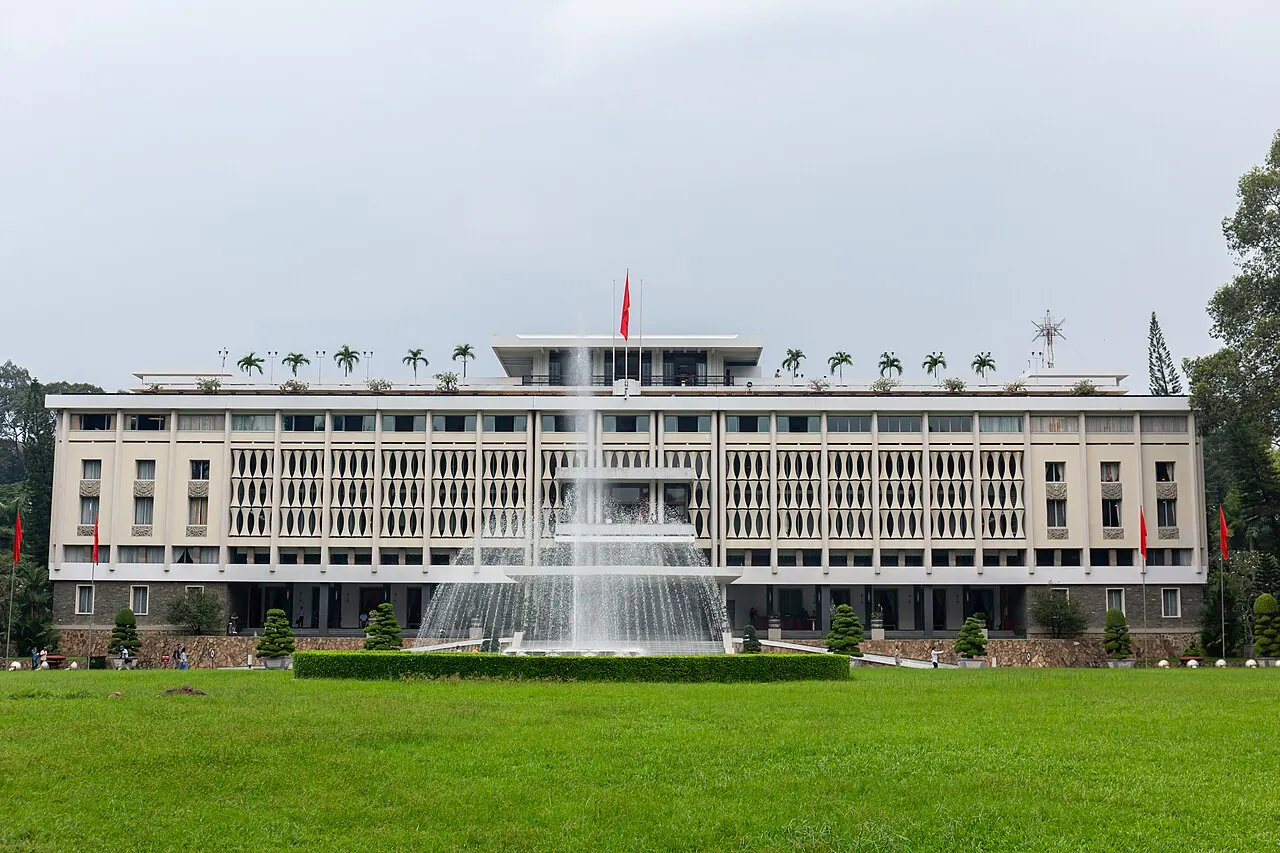
Independence Palace, also called Reunification Palace, gives its history a physical setting. Meeting rooms, reception spaces and the building's circulation show how a seat of government functioned. Look beyond the front lawn and exterior: a measured route through the open rooms is more revealing than a fast photograph at the gate before moving to the next landmark.
Check the official visitor map before arriving and decide whether you want the palace alone or any additional exhibition. They are not necessarily the same ticket. Allow time to read the interpretation and use an audio guide or an authorised guide if that suits you. Combine the palace with a meal and the post office district, rather than assuming the surrounding heat and traffic will make a full day of uninterrupted walking comfortable.
Plan it well: Use the official site to check the entrance, ticket choices and any separate exhibition you want to see.
Independence Palace: official visitor informationStep inside the Central Post Office
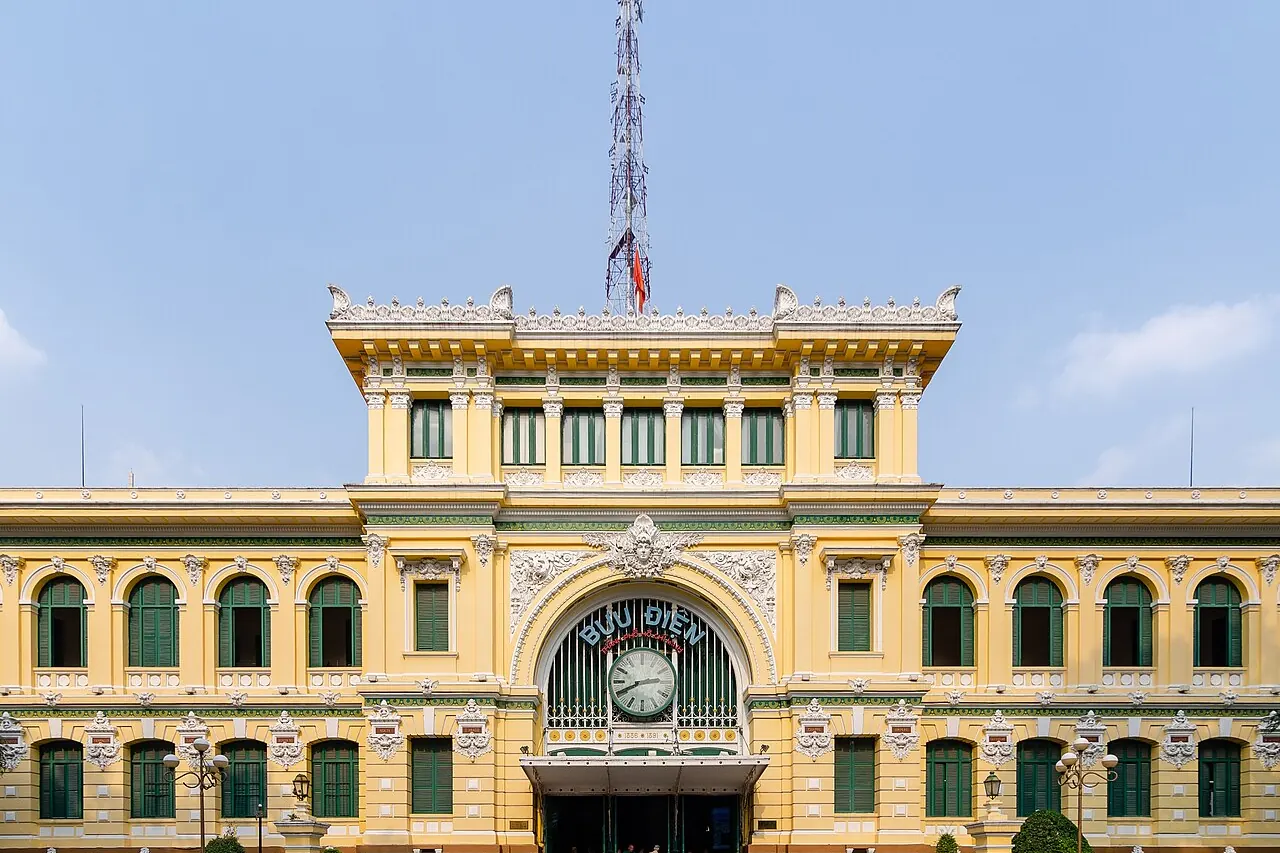
The Central Post Office is a good example of a landmark that still has an ordinary job to do. Inside, look at the long hall, its structural rhythm and the historic maps rather than stopping only at the facade. A short visit can provide a satisfying architectural pause between larger attractions, without another lengthy museum route.
Leave working counters and doorways clear, and separate your sightseeing from any postal business you actually need to do. If you want to send something, check the service and required details directly rather than assuming every counter handles the same request. The cathedral nearby may have changing access or restoration arrangements, so treat it as a separate stop. Use the area as one compact part of a downtown day, with a shaded break afterwards.
Plan it well: It is a functioning postal building; keep counters and entrances clear while looking around.
Ho Chi Minh City Tourism: District 1 heritageBrowse Ben Thanh with a plan for lunch
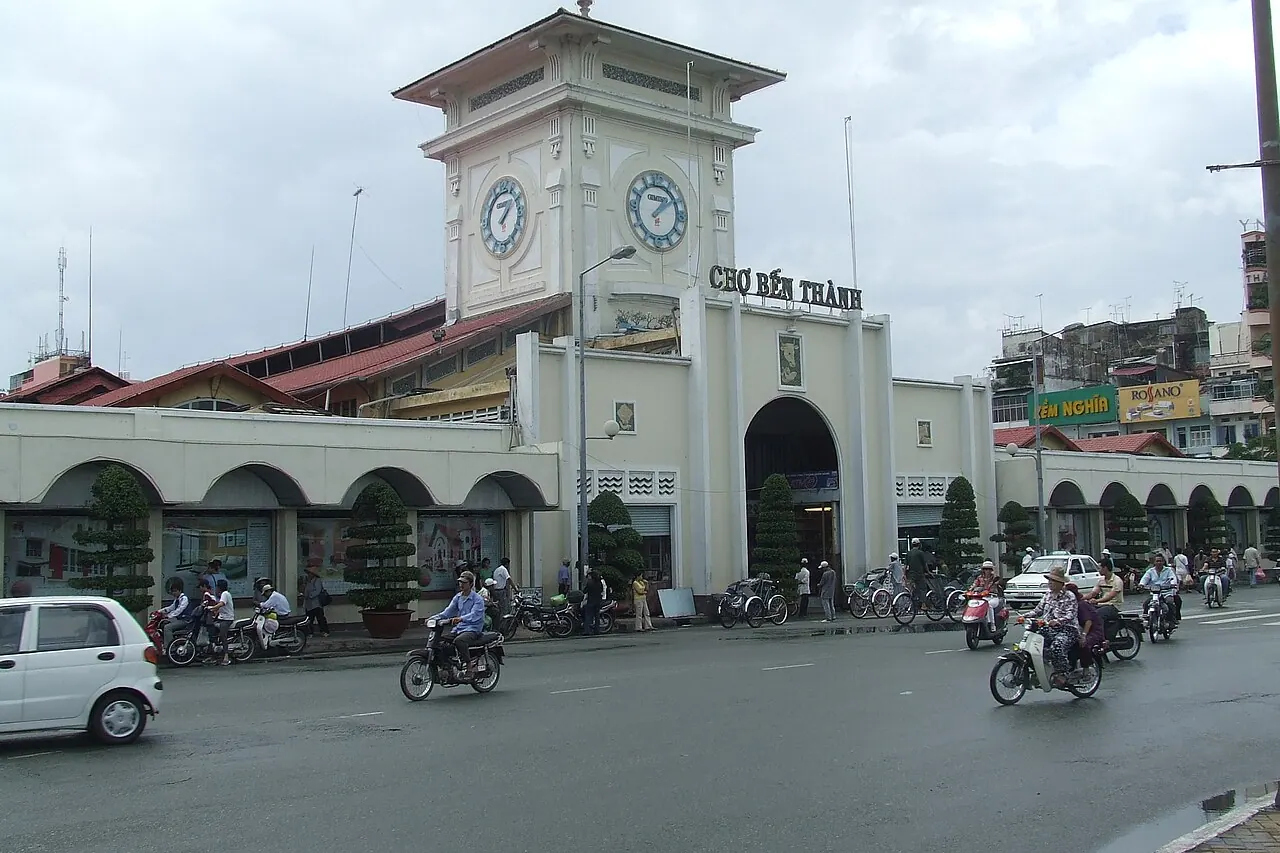
Ben Thanh is worth approaching as a working market rather than a single shop with one fixed experience. Walk a few aisles first to see the mix of food, everyday goods and souvenirs. If you want a meal, choose something you can understand from the stall's menu and observe how orders are handled before settling on a place.
Agree the price before buying and take time to compare similar items; you do not need to negotiate or accept every invitation. Keep valuables secure in crowded passages and avoid stopping where people are carrying stock. The market works well as a break between downtown sights, but separate lunch and souvenir shopping if you are already hot or tired. For a contrasting market outing, leave another day for Binh Tay in Cholon.
Plan it well: Confirm the full price and any food order before accepting it; browsing does not oblige you to buy.
Vietnam National Authority of Tourism: Ben Thanh MarketEnter Jade Emperor Pagoda respectfully
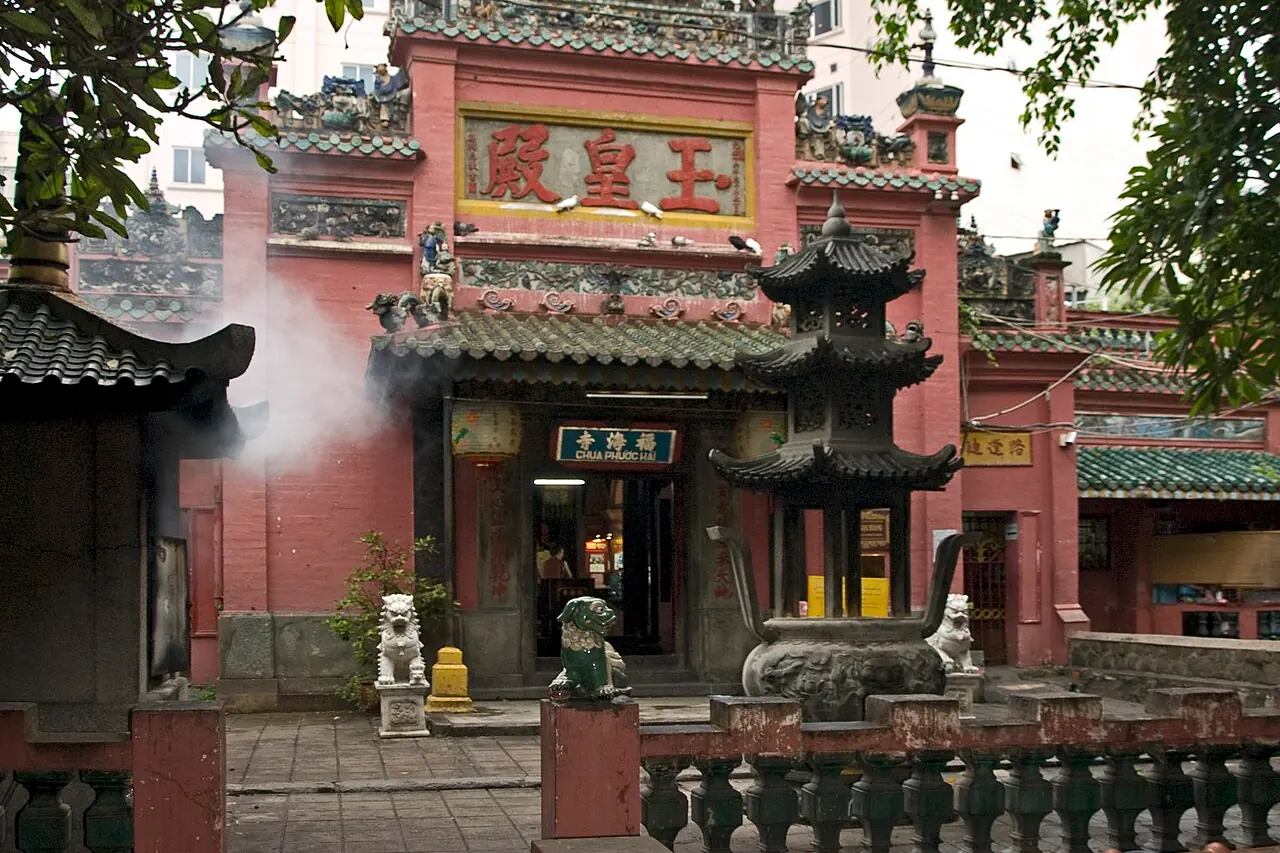
Jade Emperor Pagoda is a small but detailed religious stop, with shrines and decorative work that deserve a slower look. It is also a place where people come to pray, which matters more than completing a sightseeing route. Enter quietly, observe what is happening and keep your visit unobtrusive rather than moving directly into the centre of a ceremony.
Choose clothing appropriate for worship spaces and ask staff or attendants when a room's access is unclear. Incense and enclosed spaces may be uncomfortable for some visitors, so take that into account instead of assuming everyone can linger inside. Plan the journey separately from the main palace and post office cluster. A short respectful visit is preferable to a longer one that interrupts worship, especially if the courtyard or entrances are busy.
Plan it well: Ask before photographing worshippers and follow any room-specific photography or access rules.
Vietnam Tourism Association: Jade Emperor PagodaChoose a performance at the Opera House
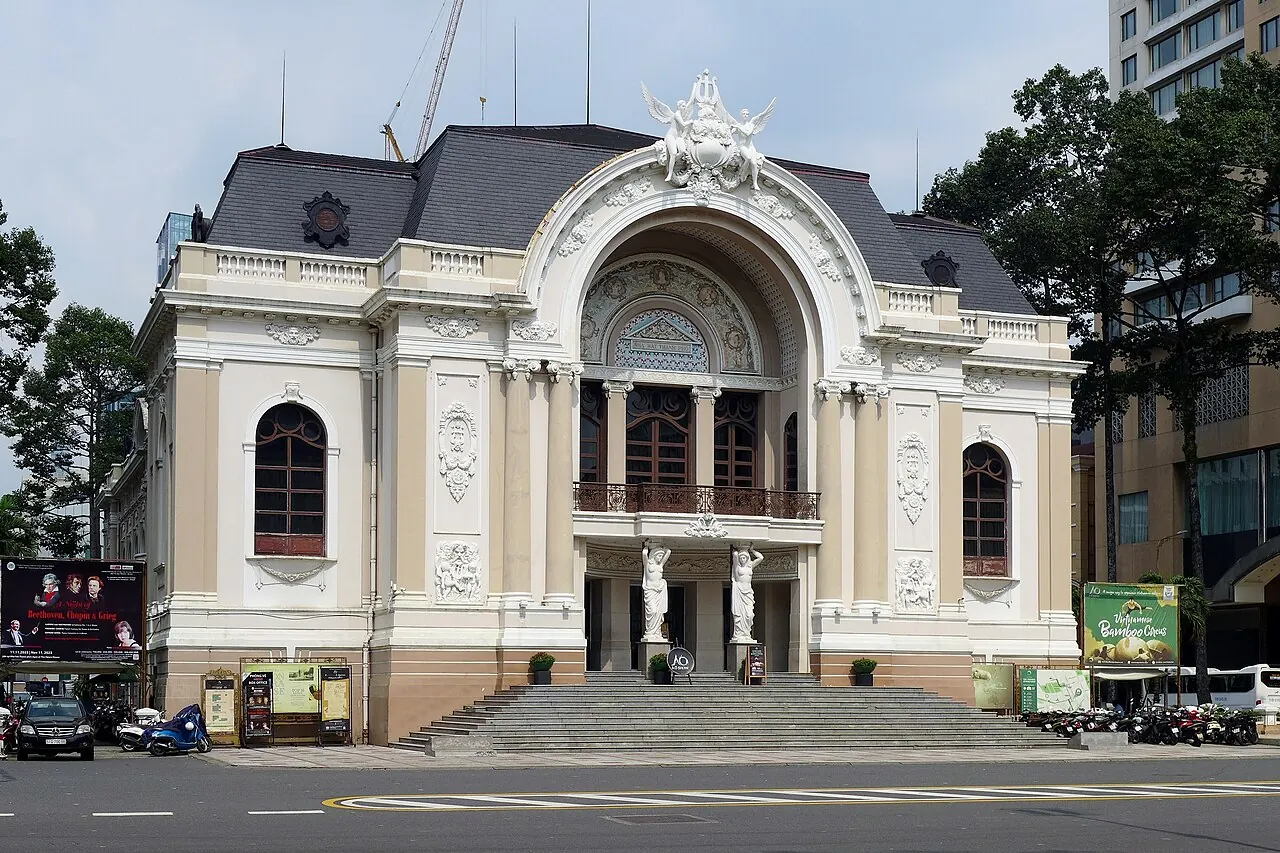
The Opera House gives downtown a different pace from the markets and museums. Its exterior can be part of a walk around Lam Son Square, but an evening performance lets you experience the building as a theatre rather than only a landmark. Choose a show because its programme interests you, not simply because the venue has a familiar name.
Check the official production calendar for your date, including the venue and seating category. A programme offered elsewhere in Vietnam is not automatically appearing in this building that evening. Leave time for dinner and arrival without relying on a last-minute taxi connection across the city. If there is no suitable performance, keep the exterior visit as a flexible stop and spend the evening on nearby streets rather than buying an unrelated package.
Plan it well: Do not assume a sightseeing stop includes interior access; a performance booking is a separate decision.
Lune Production: official performances and bookingWalk Nguyen Hue as the evening begins
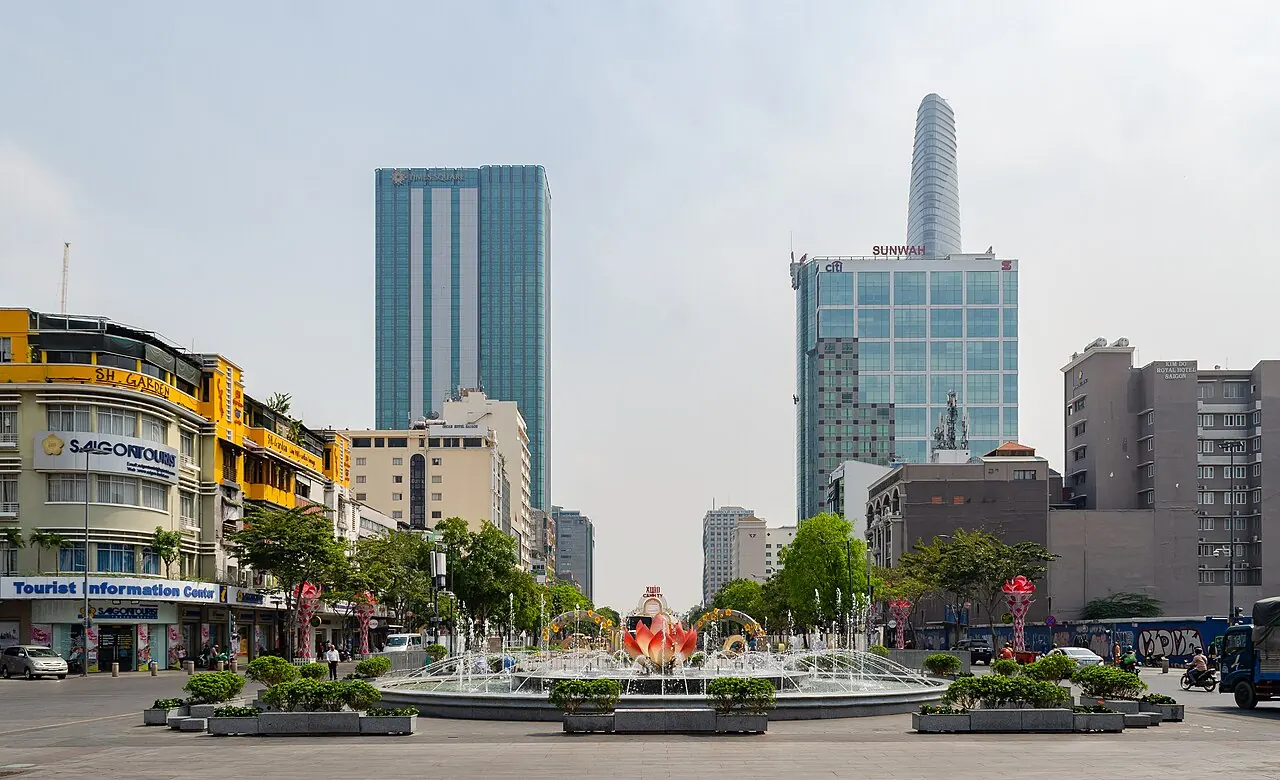
Nguyen Hue gives you space to observe downtown without entering another attraction. The boulevard runs towards the river, with City Hall at the opposite end and a changing mix of public activity around it. Walk a section, stop for a drink and notice the surrounding buildings rather than treating the whole distance as a compulsory route to finish.
It is a useful evening option after the museums, especially when you want something unbooked. Events can change crowd levels and access, and traffic still matters at connecting roads. City Hall is not simply open for an informal visitor walk-in, so keep any exterior viewing distinct from an authorised event. If you continue towards the river, leave enough time for the journey back rather than ending the day far from your planned transport.
Plan it well: The walking street does not mean every connecting road is traffic-free; use crossings carefully.
Ho Chi Minh City Tourism: Nguyen Hue and District 1Spend a slower hour at the Fine Arts Museum
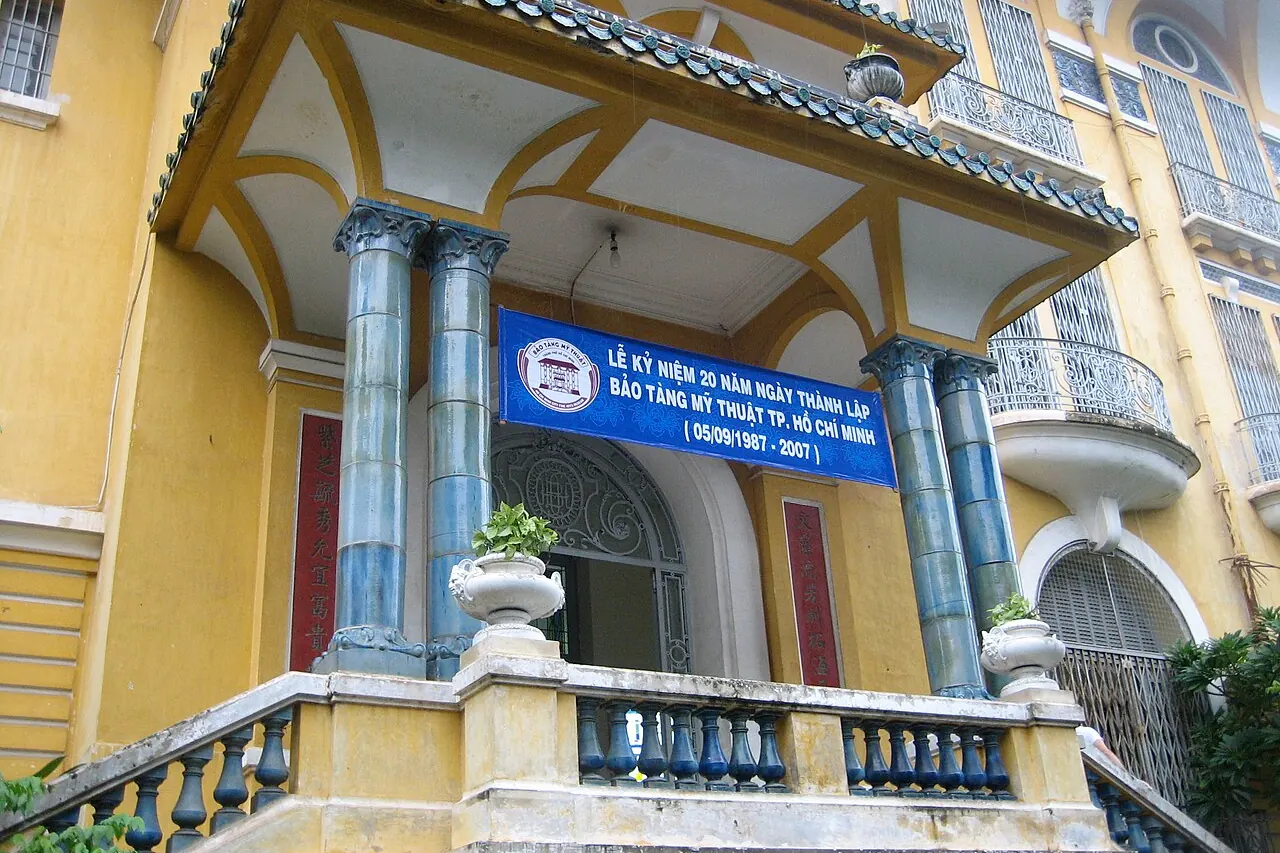
The Fine Arts Museum offers a change from military history and large landmarks. Look at the works and their labels alongside the architecture of the museum buildings. Choosing a few pieces that interest you is a better way into an unfamiliar collection than trying to recognise every artist or photograph every room in a single visit.
Check the current exhibitions, entrances and any photography restrictions before starting. Displays can change, so a particular painting seen online should not be the only reason you go. Its location makes it easy to pair with Ben Thanh, although the market and museum need different levels of attention. Visit when you still have energy to look closely, then leave time for a meal rather than adding it as a hurried final stop before departure.
Plan it well: Read the collection labels and current display notices; one gallery does not represent every period of Vietnamese art.
Vietnam National Authority of Tourism: city museum highlightsSee a different market rhythm at Binh Tay
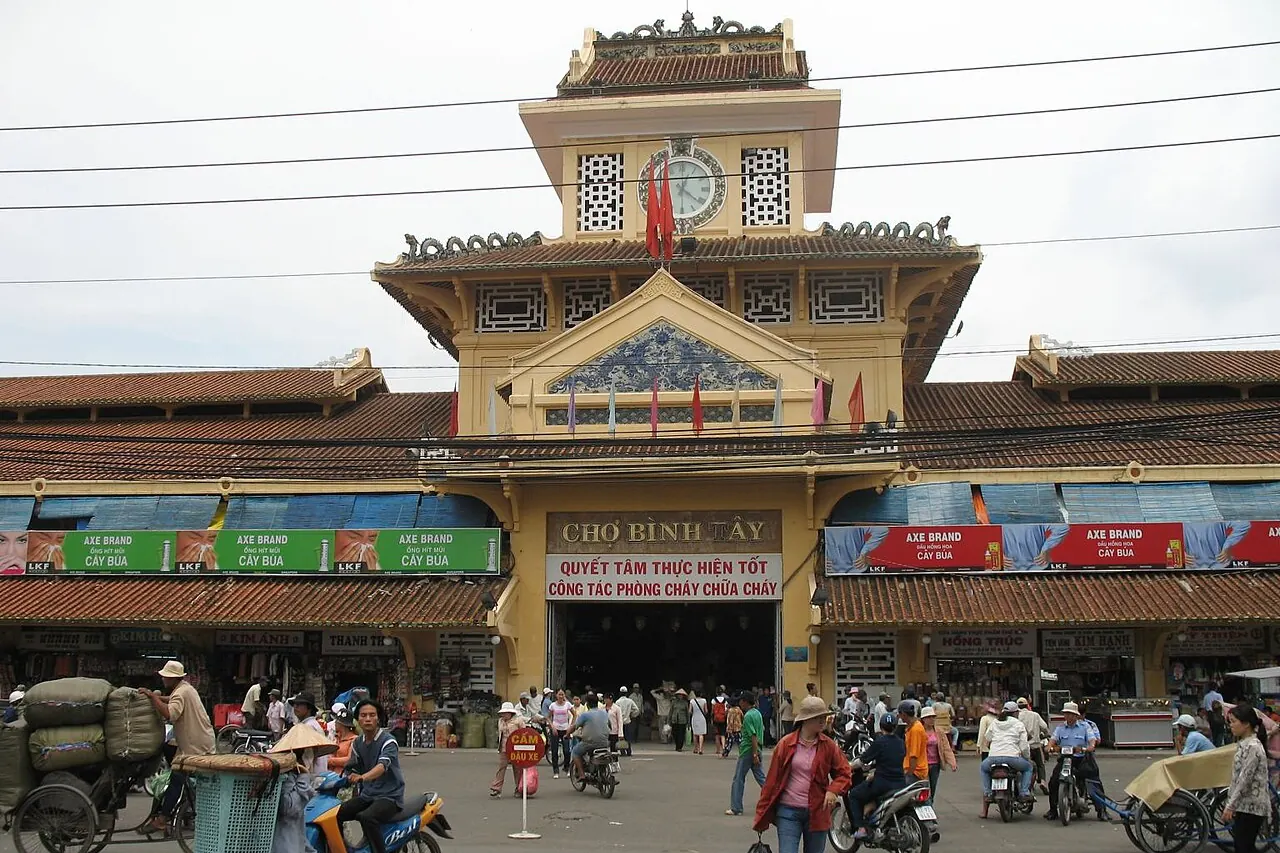
Binh Tay offers a different kind of market visit from the most central tourist circuit. The building and trading streets around it help make Cholon an outing in its own right. Look at the movement of goods and people as well as the architecture, while remembering that shopkeepers are at work and may have little time for an extended conversation.
Allow for the journey west rather than fitting this between two timed downtown visits. Browse without blocking deliveries, ask before taking close photographs and check quantities when prices relate to wholesale goods. A short walk around the surrounding streets can add context, but avoid assuming every nearby religious building is open. If markets are your main interest, give Cholon a proper half-day instead of trying to complete both Binh Tay and Ben Thanh at speed.
Plan it well: This is a working trading area; move aside for deliveries and do not expect every stall to cater to souvenir buyers.
Vietnam National Authority of Tourism: exploring CholonMake Cu Chi a separate historical outing
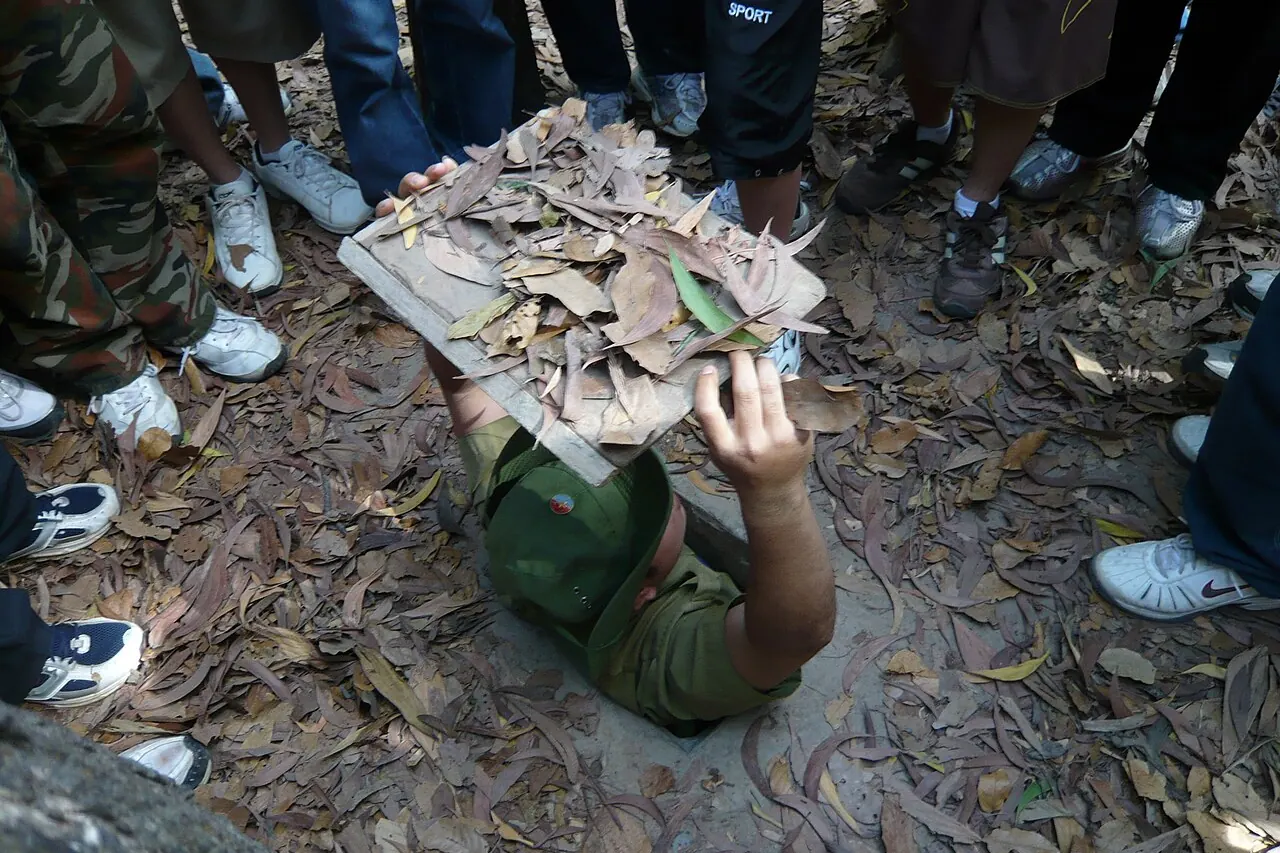
The Cu Chi tunnel sites belong to a separate outing, not the same walking circuit as the downtown museums. Their value is in understanding how the underground network related to life and conflict above ground. Listen to the interpretation and distinguish reconstructed visitor routes from the wider wartime system rather than treating the experience only as a chance to crawl through a tunnel.
Before booking, confirm the visitor site, transfer arrangements and what the visit includes. The general map pin is not an instruction to drive to one particular entrance. Underground sections are narrow and may not suit claustrophobia, breathing concerns or mobility needs; you can choose not to enter them. Bring suitable footwear and allow time for the trip back. Avoid adding a tightly timed performance that evening based on an optimistic return estimate.
Plan it well: The pin marks the tunnel network area, not a guaranteed tour meeting point; confirm your actual entrance and return transport.
Cu Chi historical site: official visitor brochureHow to spend two days in Ho Chi Minh City
Day one: history and downtown
Choose the War Remnants Museum and Independence Palace as your main visits, with lunch between them. Add the post office if time and energy allow, then walk Nguyen Hue or book a suitable Opera House performance.
Day two: art and neighbourhoods
Visit the Fine Arts Museum and Ben Thanh, or make Cholon and Binh Tay the main outing. Jade Emperor Pagoda fits a separate northern-city stop. A Cu Chi excursion replaces much of this day; it is not a small addition to the same route.
Before you go
Use the exact place name
Save the venue's address and map pin before leaving. Administrative ward names and commonly used district descriptions can differ, so a neighbourhood label alone is not sufficient for a driver.
Leave time for heat and traffic
Group nearby stops and keep meals and indoor breaks in the plan. A journey estimate is not a guarantee, particularly when returning for a timed show or flight.
Check entry requirements separately
Use Vietnam's official visitor guidance for entry documents and health information. An attraction ticket or hotel reservation does not replace immigration requirements.
Vietnam National Authority of Tourism: plan your tripWhere to stay in Ho Chi Minh City
For a first visit, compare places around the downtown sights if most of your plans are there. Check the actual street, noise, lift access and room details as well as the distance on a map. A Cu Chi tour's pickup policy can matter more than being marginally closer to the edge of the city.
Explore Ho Chi Minh City hotels