 1 / 1
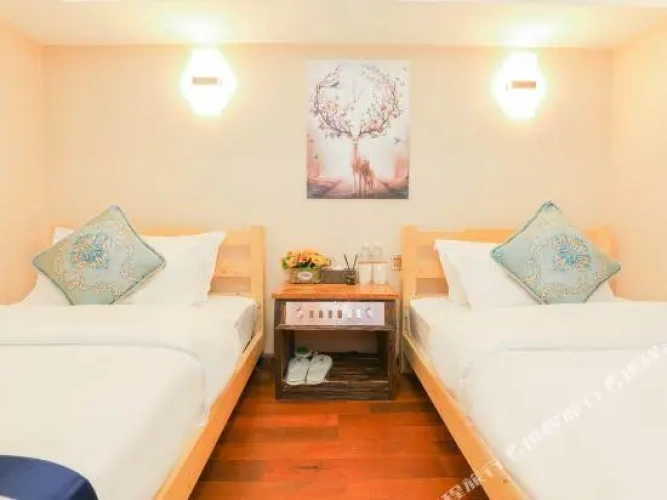
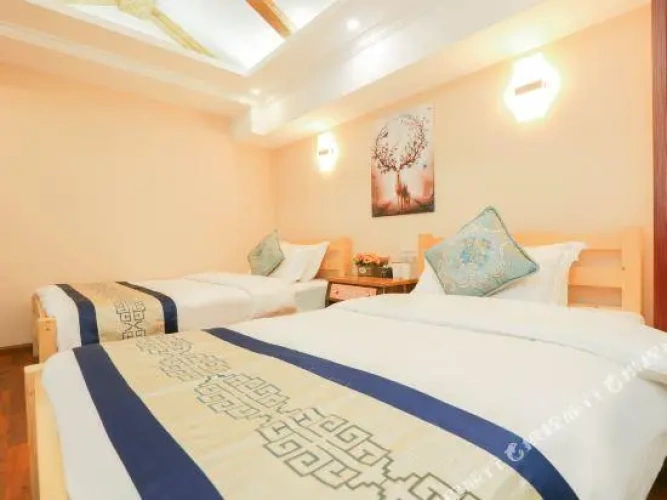
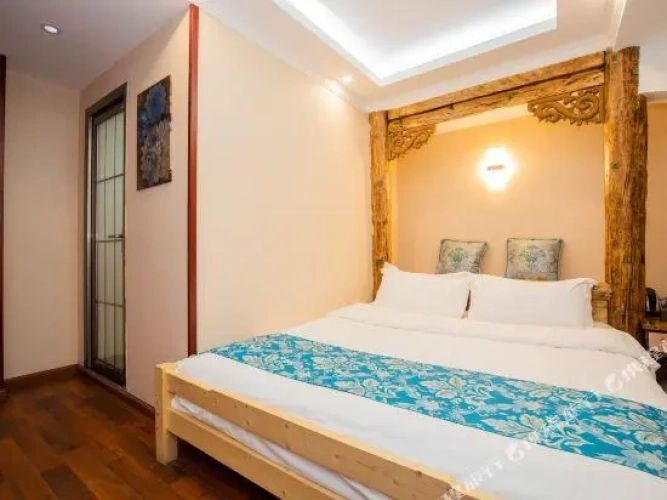
1 / 1 5 Bedrooms Sextuple Suite
- 6 guests
- Private bathroom
- mirror
- private-bathroom
- safe
- telephone
- toiletries
- towels
What's the price for your stay?
Add your dates to see current rates.

Room Information
1 / 1 Add your dates to see current rates.
 1 / 2
1 / 2 Add your dates to see current rates.
1 / 1 Add your dates to see current rates.
1 / 1 Add your dates to see current rates.
Recent reviews shared by hotel guests
Lijiang Old Town has a lot going for it if you enjoy history, culture, and mountain scenery. It’s a famous, well-preserved ancient town in Yunnan Province, China, and has been a UNESCO World Heritage Site since 1997. Its intricate old water system still works effectively today. Now the town is lively at night, with lanterns and music, and is full of boutique inns, tea houses, cafes, and souvenir shops. It’s a distinctive mix of traditional culture and tourism.
I visited this old town years ago while traveling through China, and it felt like stepping into history. The place, the people, and the experience were magical. We took a donkey ride and went on a long hike up a mountain. Lijiang Old Town, also called Dayan Ancient City, is a remarkably preserved historic town in Yunnan, mainly inhabited by the Naxi people. UNESCO recognized it in 1997 for its urban layout, architecture, and living Naxi culture. The town has stone-paved streets, timber-framed houses, and a mix of Naxi, Han Chinese, and Tibetan architectural styles. Canals, waterways, and stone bridges run through it, fed by the surrounding mountains. Sifang Street (Square Street) remains a busy gathering and trading place. The town has long been a cultural centre for Dongba culture, including its rare pictographic script and traditional music. It was first built during the Southern Song Dynasty (960-1279), then expanded through the Yuan, Ming, and Qing dynasties. Its location on the Ancient Tea Horse Road made it an important link between Yunnan, Tibet, Sichuan, and Southeast Asia, bringing different groups into contact, including the Naxi, Han, Tibetan, and Bai. The Mu clan, hereditary Naxi rulers, governed the town for more than 500 years. Their former residence, Mufu Palace, is still a major attraction. A complex water supply system from Jade Dragon Snow Mountain brought water to streets and homes and earned the town its nickname, the "Oriental Venice." Even after many earthquakes, including a major one in 1996, much of the original Ming and Qing layout has survived, helping make the old town a recognized cultural treasure.
I loved the old town atmosphere, with people wandering among the shops and all kinds of things going on. There were live shows, cultural dancing in the central square, plenty of cafes to choose from, and unusual products to browse. The architecture and decorations looked great, too.
This place is massive, with small shops throughout what may be one of the largest old cities around. Starting at the South Entrance makes sense: there are food stall markets there, and you can work your way through from that point. Some stalls are popular on TikTok/routine hot stalls. One fruit place makes a decent fruit salad and is easy to spot by the long queue just down from the food stalls after the south entrance, past an arena full of skewer shops.
We went in the off season, so the old town wasn’t packed, which made wandering around pleasant. I know the buildings have been renovated and aren’t truly ancient, but they still give the place that old-town look and feel. Once it gets dark, the lights come on and there are street performers, sometimes even a concert on the stage. It’s all free to watch. Food is easy to find and really cheap, though I’m comparing with prices in America. There are local things to try too, like mushroom hot pot, since Lijiang has a wide variety of mushrooms.
Everything available at this property
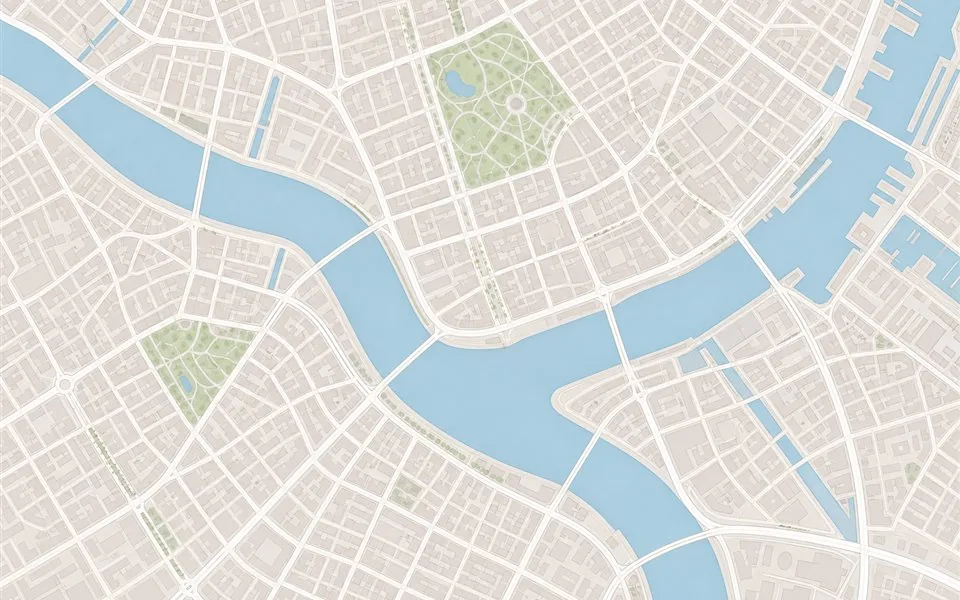
Explore attractions, restaurants and transport around the hotel
411 m 5 min walk
573 m 7 min walk
269 m 3 min walk
113 m 1 min walk
Important conditions for your stay