
Bruges city guide
Where to stay in Bruges
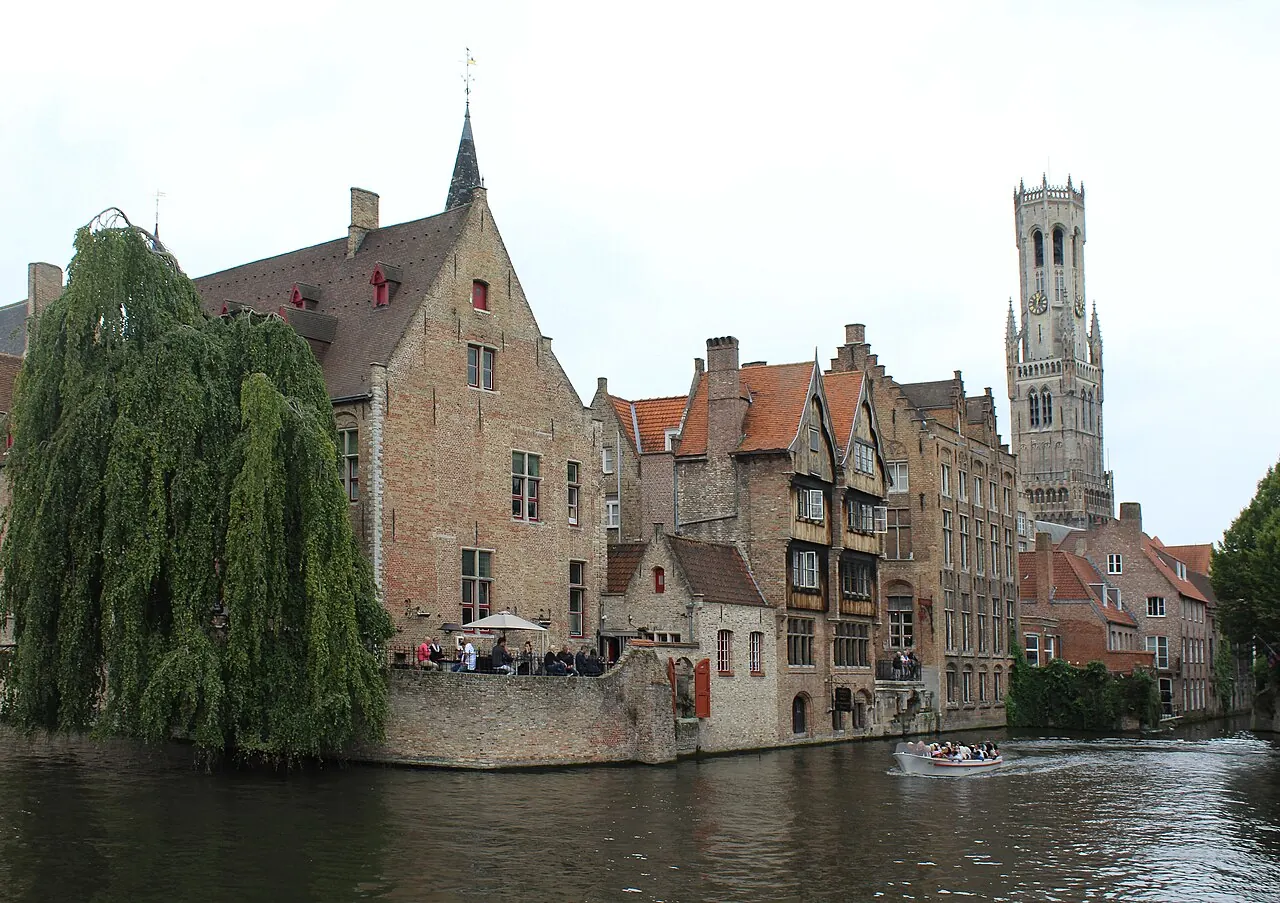
Choose between Bruges main squares, the southern museum and garden streets, the eastern dining corridor and the station-facing edge of the old city.
Plan your visit
Bruges is compact, but a room beside the Markt gives a different overnight experience from one by Minnewater or in the eastern residential lanes. These six bases are useful parts of the city rather than six invented districts: several overlap on a sightseeing walk, while differing in luggage access, dining and what is closest to your door.
Choose your base
Markt and Burg suit a short first visit. Choose Dijver and Mariastraat for art and canals, or Minnewater for the southern green edge. Hoogstraat and Langestraat favour independent dining; Sint-Anna puts the residential lanes and ramparts closer. 't Zand is the practical compromise for rail arrivals and central shopping.
Markt and Burg: a short first visit to the historic centre
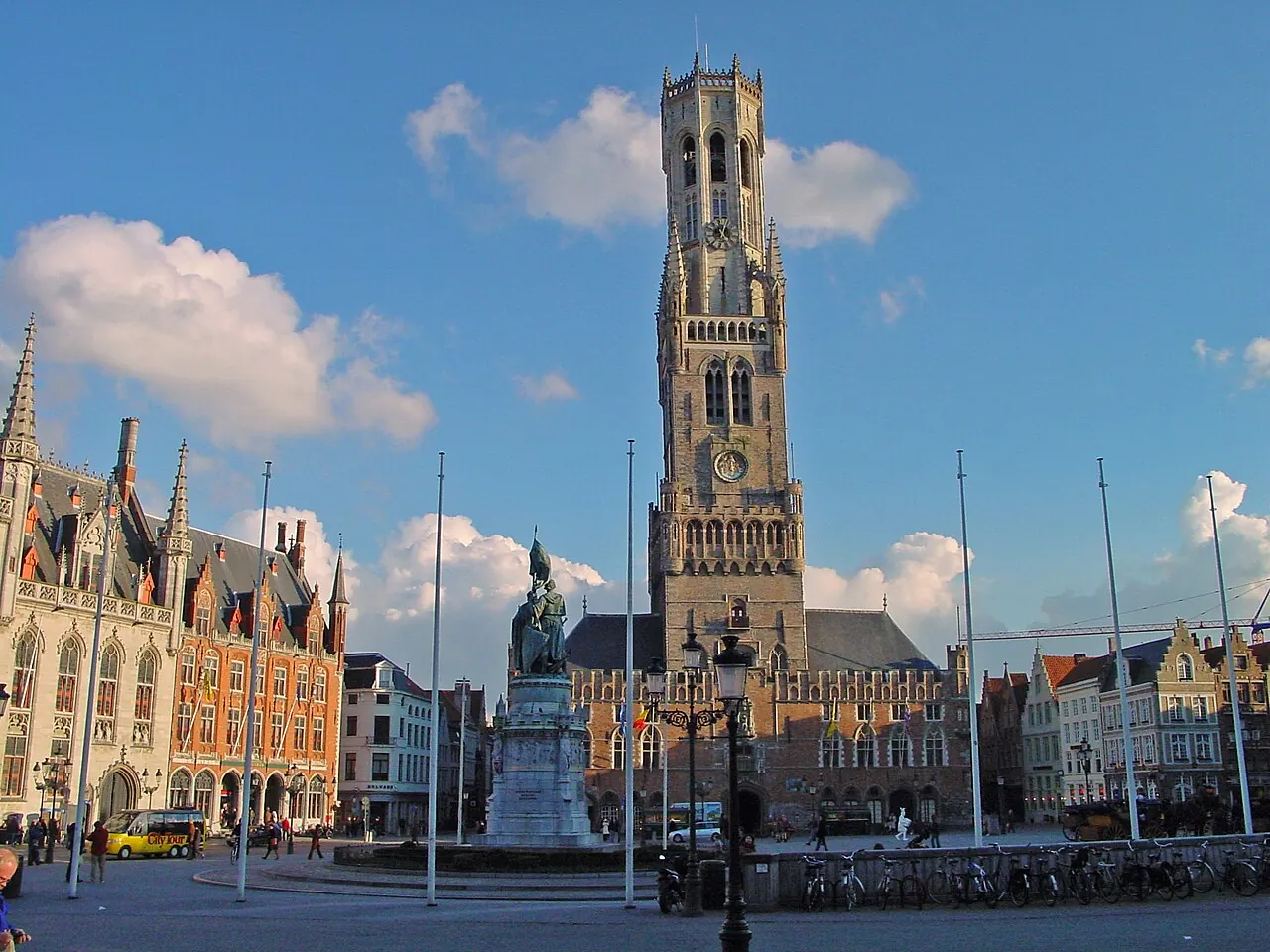
The two principal squares put Bruges civic and religious landmarks into your daily routine. Markt has the Belfry and market halls; Burg adds City Hall and the Basilica of the Holy Blood. Surrounding lanes lead towards canal viewpoints, while square-facing terraces offer a conspicuously visitor-oriented dining scene. Choose this base if returning to your room between a climb, a museum and dinner is more valuable than seeking a residential neighbourhood.
Brugge railway station sits outside the southern old-city edge, not on either square. De Lijn centre buses use stops including Dijver, Sint-Salvator and Stadsschouwburg, so select the actual stop for your hotel and direction of travel. Airport arrivals by rail still have that final city leg. The price of the central position is busy pedestrian activity, restaurant terraces and potentially awkward vehicle access to narrow lanes. Choose Sint-Anna for a less square-focused setting, or the station-facing side of 't Zand when luggage and onward trains outweigh having the Belfry at the doorstep.
Plan it well: Markt is the square pin; Burg is the neighbouring civic square, not a second name for the same place.
Visit Bruges: Markt and BurgDijver and Mariastraat: museums and canal-side walks
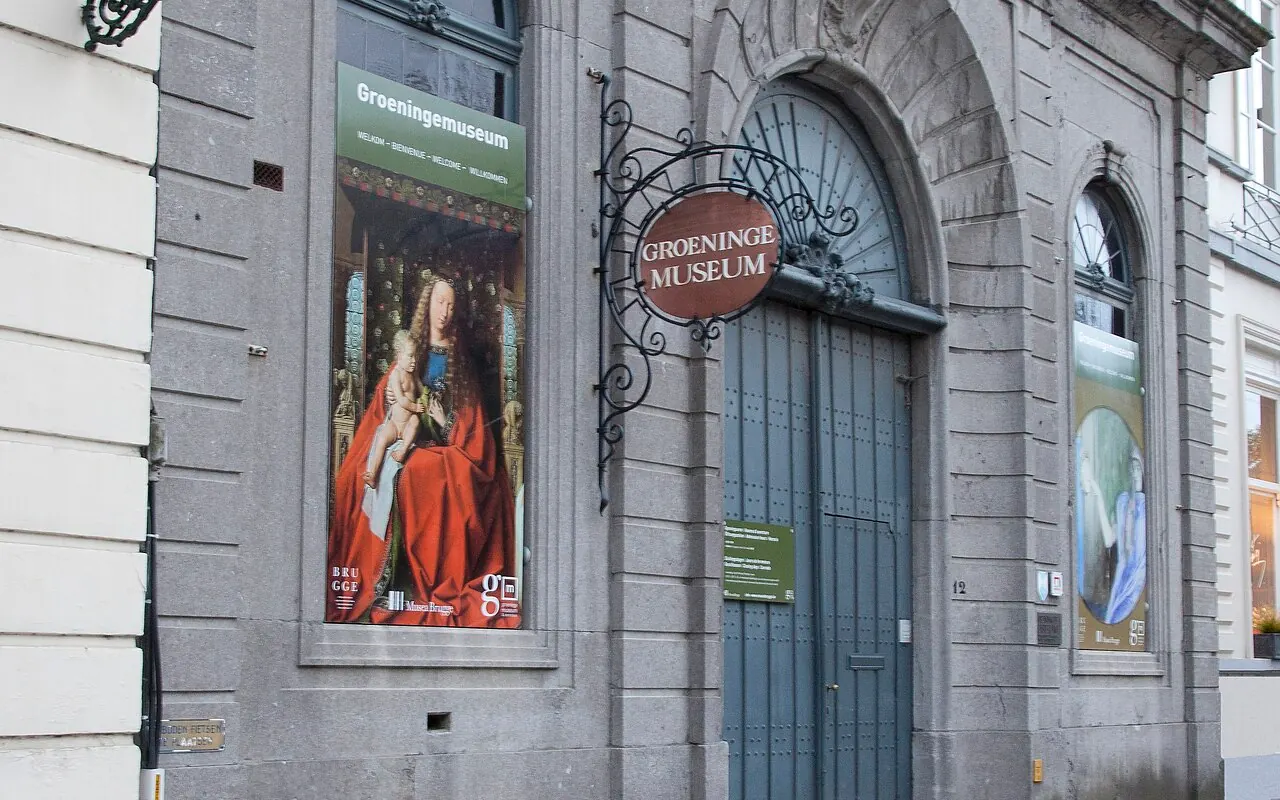
This southern-central cluster suits travellers whose Bruges trip revolves around art and historic interiors. Dijver places the Groeningemuseum setting and canal walks nearby; Mariastraat links the Church of Our Lady with St John's Hospital. Shops and places to eat continue along Mariastraat and Katelijnestraat, so there is more to an evening here than looking at the water. Choose a particular street rather than assuming every canal-facing room has the same access or outlook.
De Lijn lines 1 and 2 connect the station with central stops including OLV Kerk and Dijver in the city-bound direction. That helps rail arrivals, including those coming from Brussels Airport, but the return bus pattern needs its own check. Museum-door proximity is the advantage, not a promise that every collection is open: Musea Brugge has announced Groeningemuseum refurbishment and the transfer of key works to BRUSK. Visitor footfall and constrained lane access are the compromise. Pick Minnewater for more garden-oriented downtime or 't Zand for a simpler station-facing approach.
Plan it well: Groeningemuseum marks the Dijver museum cluster. Check Musea Brugge for the current location of works during refurbishment.
Visit Bruges: Dijver and MariastraatMinnewater and the beguinage approaches: southern greenery and a slower couple break
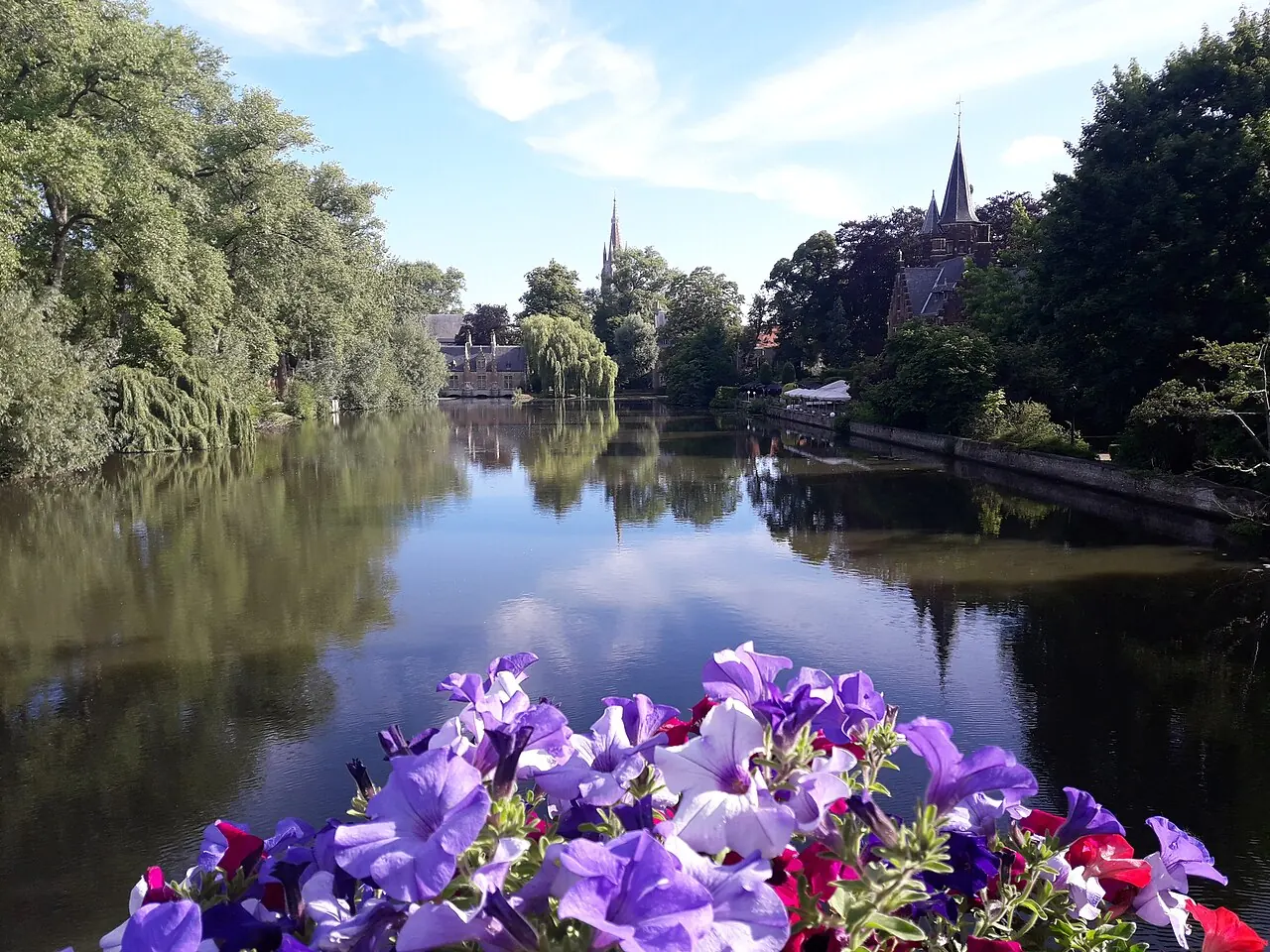
Minnewater works for a stay built around waterside walks rather than repeated circuits of the main squares. The lake and park give the southern edge of Bruges a different rhythm, with the beguinage and the restaurants around its approaches adding reasons to linger. The beguinage itself is an inhabited religious setting, not a hotel quarter: look for accommodation in the surrounding streets, and respect its visitor silence and night-time gate closure.
This side of the old city is useful for Brugge station arrivals, although the scenic park path and the easiest luggage route need not be the same. Airport passengers arriving by train finish at the same station; use a mapped street route or a suitable De Lijn connection rather than a straight-line estimate. The trade-off is a longer walk to Burg, Markt and the eastern dining streets, and fewer central-square choices immediately outside. Choose Markt for a very short landmark-led trip, or Dijver if museum visits matter more than the green setting around your room.
Plan it well: Minnewater is the lake pin. Hotels are in the surrounding streets, not inside the inhabited beguinage.
Visit Bruges: Minnewater and the beguinage approachesHoogstraat and Langestraat: independent dining and an eastern-city stay
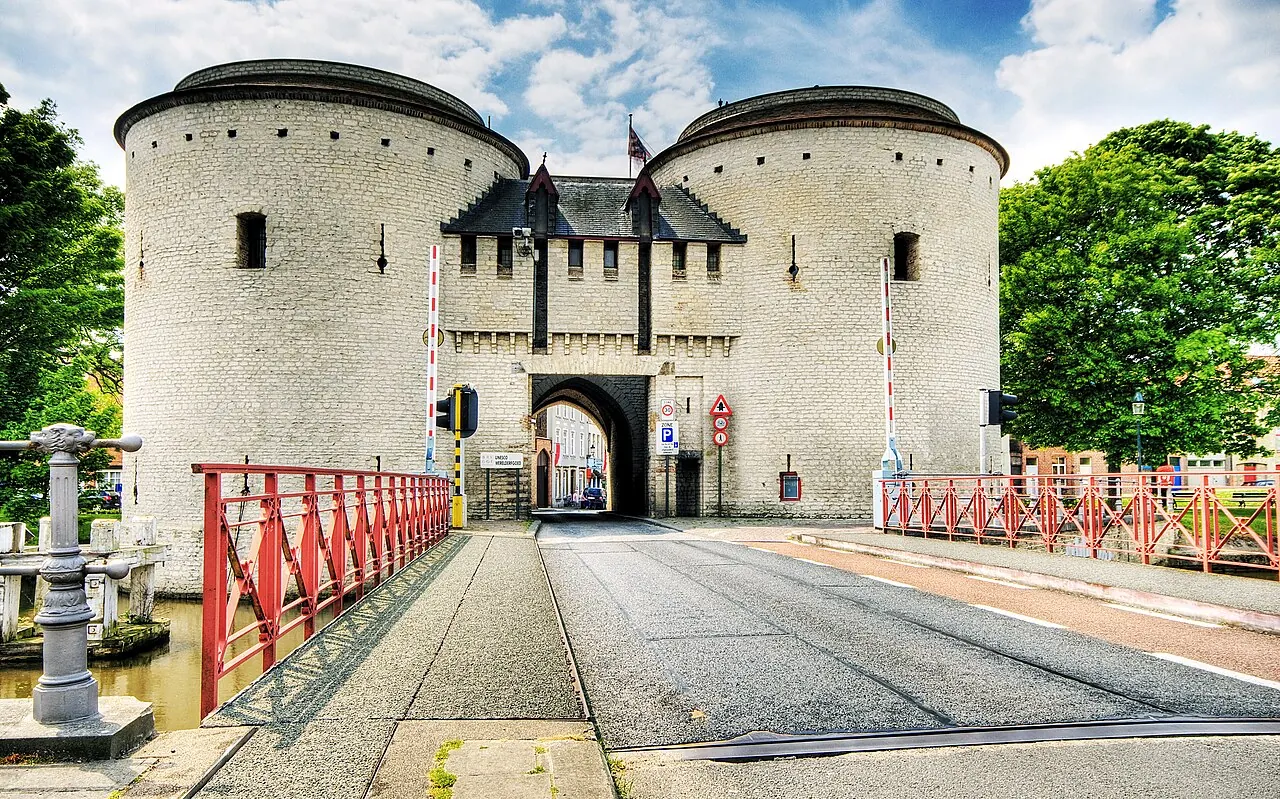
Follow Hoogstraat east from the Burg into Langestraat for a base with a stronger emphasis on food, small shops and neighbourhood pubs. Visit Bruges identifies this corridor with vintage and record shops, vegan choices and established restaurants, including the pub De Kelk. It is a good fit for travellers who would rather choose an evening locally than return to a square-facing terrace. At the far eastern end, Kruispoort and the ramparts give a clear outdoor destination.
Kruispoort is the orientation pin at the city-edge end of the corridor, not a claim that every hotel is beside the gate. An address near Hoogstraat is much more central than one near the outer end of Langestraat. From Brugge station, use De Lijn's planner for the specific stop or arrange the final road transfer; an airport rail journey does not end on this corridor. Dining and pub activity can be a drawback beside bedroom windows. Choose Minnewater for southern greenery, or 't Zand if carrying bags between station and hotel is the deciding factor.
Plan it well: Kruispoort marks the far eastern end of Langestraat; accommodation nearer Hoogstraat has a different walk to the squares.
Visit Bruges: Hoogstraat and LangestraatSint-Anna: residential lanes and the eastern ramparts
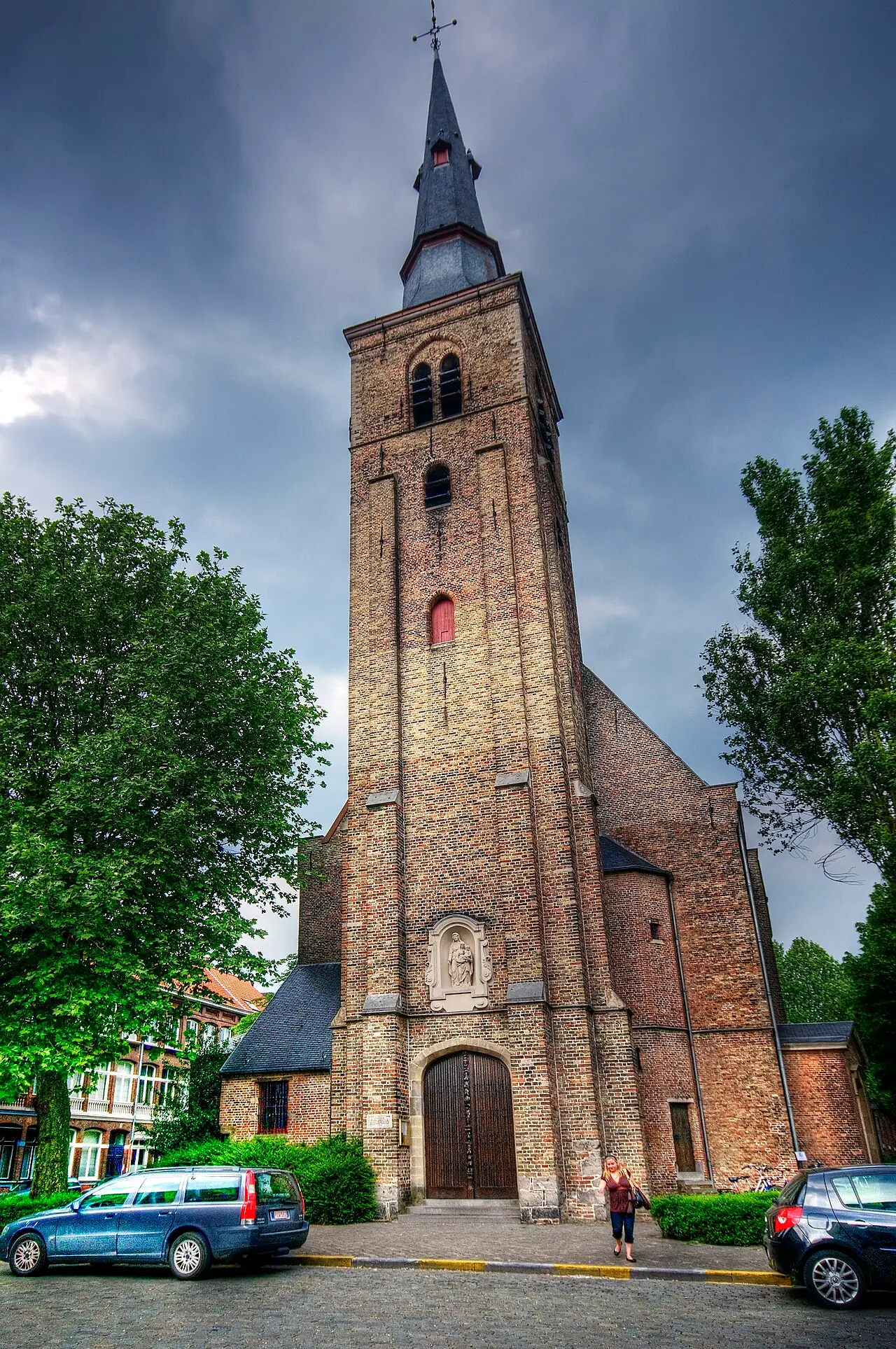
Sint-Anna is a genuine alternative to sleeping beside the busiest historic squares. Streets around Sint-Annaplein, Sint-Anna church and the eastern canal approaches bring smaller houses, local pubs and the rampart landscape into view. Visit Bruges describes the Saint Anne's and Saint-Giles neighbourhoods through workers' cottages, windmills and everyday city life. Choose the Sint-Anna pocket when those walks and a more residential setting are part of the stay, rather than adding it merely as a distant hotel address.
The tourism listing places Molenbrug among the practical nearby bus references for the church; De Lijn's journey planner is the right tool for the actual hotel connection from Brugge station. Brussels Airport rail arrivals still require that final journey across the city. The area is not automatically silent, and a room beside a pub differs from a room down a small lane. Fewer landmark entrances are immediately outside than around Dijver or Markt. Choose the central squares for a compressed first visit, or Langestraat if a wider evening restaurant choice is your main reason for heading east.
Plan it well: Sint-Annakerk on Sint-Annaplein anchors this area. Match the actual hotel lane to a usable bus or walking approach.
Visit Bruges: Sint-Anna't Zand and the station approach: rail convenience, concerts and shopping
The streets around 't Zand make a practical bridge between the railway arrival and the historic centre. Concertgebouw supplies a cultural reason to stay here, while Zuidzandstraat and Steenstraat lead into the main shopping corridor towards Markt. The large square and more open approaches feel different from the narrow canal lanes. This is a useful base for a short rail stop or an evening performance, not simply a substitute for booking a hotel beside the station itself.
De Lijn's centre lines 1 and 2 connect Brugge station with 't Zand; use the current stop pattern for the return journey as well. A hotel nearer the station helps a luggage-heavy arrival from Brussels Airport, whereas a square-side hotel keeps shops and restaurants closer. Neither location removes the need to check the airport train connection. The downside is a less intimate waterside setting, with traffic on the station-facing approaches and longer walks to Sint-Anna. Choose Dijver for museum-and-canal character or Minnewater for a greener southern edge.
Plan it well: Concertgebouw marks 't Zand. A square-side address and a hotel closer to Brugge station are different arrival choices.
Visit Bruges: 't Zand and the station approachArriving by train and reaching the right street
Use Brugge, not Brugge-Sint-Pieters
The principal arrival station for the historic centre is Brugge. Visit Bruges explains the station-to-centre options and the different inbound and outbound stops; the nearest bus in one direction need not serve the reverse journey.
Visit Bruges: mobility and station accessCheck the centre bus pattern with De Lijn
De Lijn identifies station platform A1 for centre lines 1 and 2, serving stops including 't Zand, Sint-Salvator, OLV Kerk and Dijver. Use the live planner for hotels farther east and for current return stops.
De Lijn: Bruges centre routesKeep the airport rail leg separate
For Brussels Airport, use Belgian Trains to check the connection to Brugge and whether your departure needs a change. Brussels Airport-Zaventem is a distinct station, not an interchangeable Brussels city-station ticket destination.
Belgian Trains: Brussels and Bruges travel informationPlan the final approach, especially in narrow lanes
A bus stop or station pin does not show where a vehicle can stop at your hotel. Confirm the entrance and luggage approach for central lanes, and use De Lijn's planner for the actual street rather than just the neighbourhood name.
De Lijn: current journey plannerFind hotels in Bruges
Compare Bruges hotels by the part of the old city you want to return to each evening. Check the actual entrance and station route alongside canal views or proximity to a main square.
Explore Bruges hotels