
Madrid city guide
Where to stay in Madrid
Compare seven Madrid bases, from palace-side Austrias and art-focused Las Letras to Retiro, Lavapies, Malasana and Chueca, with useful stations and airport arrival choices.
Plan your visit
Madrid's central neighbourhoods overlap on a sightseeing map but offer different evenings and different reasons to stay. A palace-facing base, a literary quarter beside the art route and a restaurant street east of Retiro are not interchangeable. These seven comparisons focus on the streets, stations and compromises that matter when choosing a hotel.
Choose your base
Choose Sol and Gran Via for a central first visit and theatre evenings, or Austrias and Opera for the palace and the historic west. Las Letras and the Prado edge suit museum days followed by tapas; Retiro and Jeronimos make the park part of the routine. Lavapies and Atocha combine varied dining with the Reina Sofia and rail departures. Malasana favours independent shops and small bars, while Chueca suits food-market streets and LGBTQ nightlife.
The exact side of a neighbourhood matters. Eastern Retiro's restaurant streets are separated from Jeronimos by the park; an Atocha-facing address is different from one deep in Lavapies. Do not choose a hotel for a district label alone, or assume that the airport bus reaches Atocha on its night route.
Sol and Gran Via: the first-visit centre and theatre streets
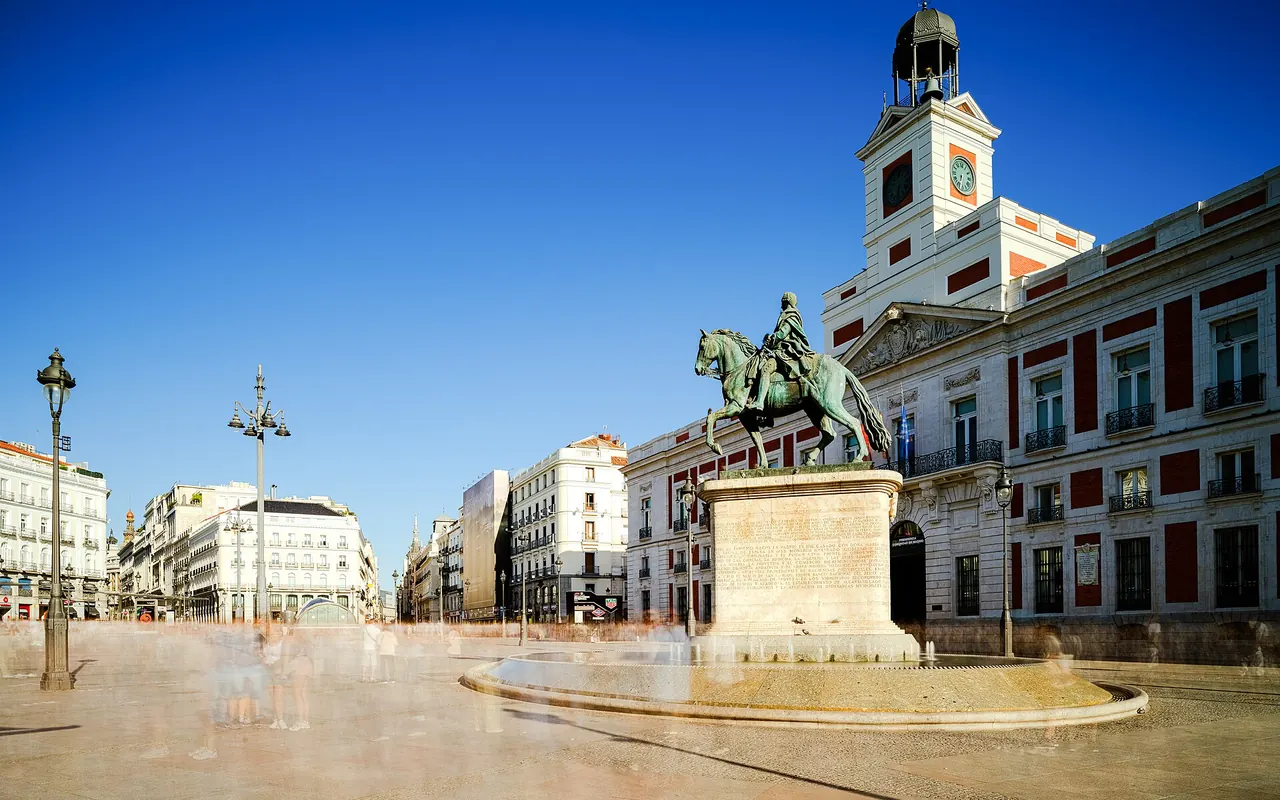
Sol makes a convincing short-break base when you want the old centre, shopping streets and theatre district to meet rather than choosing one museum as your point of reference. Preciados and Carmen lead into the main retail streets; Gran Via adds grand early-twentieth-century buildings and evening shows. The important choice is the actual block: a hotel beside Sol's square, one on Gran Via and one tucked behind the shopping streets can have very different levels of street activity.
The CRTM network shows Sol on Metro lines 1, 2 and 3, and Gran Via on 1 and 5. Airport Metro journeys use line 8 with a change, rather than a direct train to either square. The downside is crowding and an intensely commercial visitor setting, especially if you want neighbourhood meals away from major retail streets. Choose Las Letras for a more literary-and-art-focused base, or the Retiro side when park time matters more than being at the centre of the evening traffic.
Plan it well: The photograph and pin identify Puerta del Sol, not the full Gran Via corridor.
Madrid tourism: Sol and Gran ViaAustrias and Opera: palace walks and the historic west
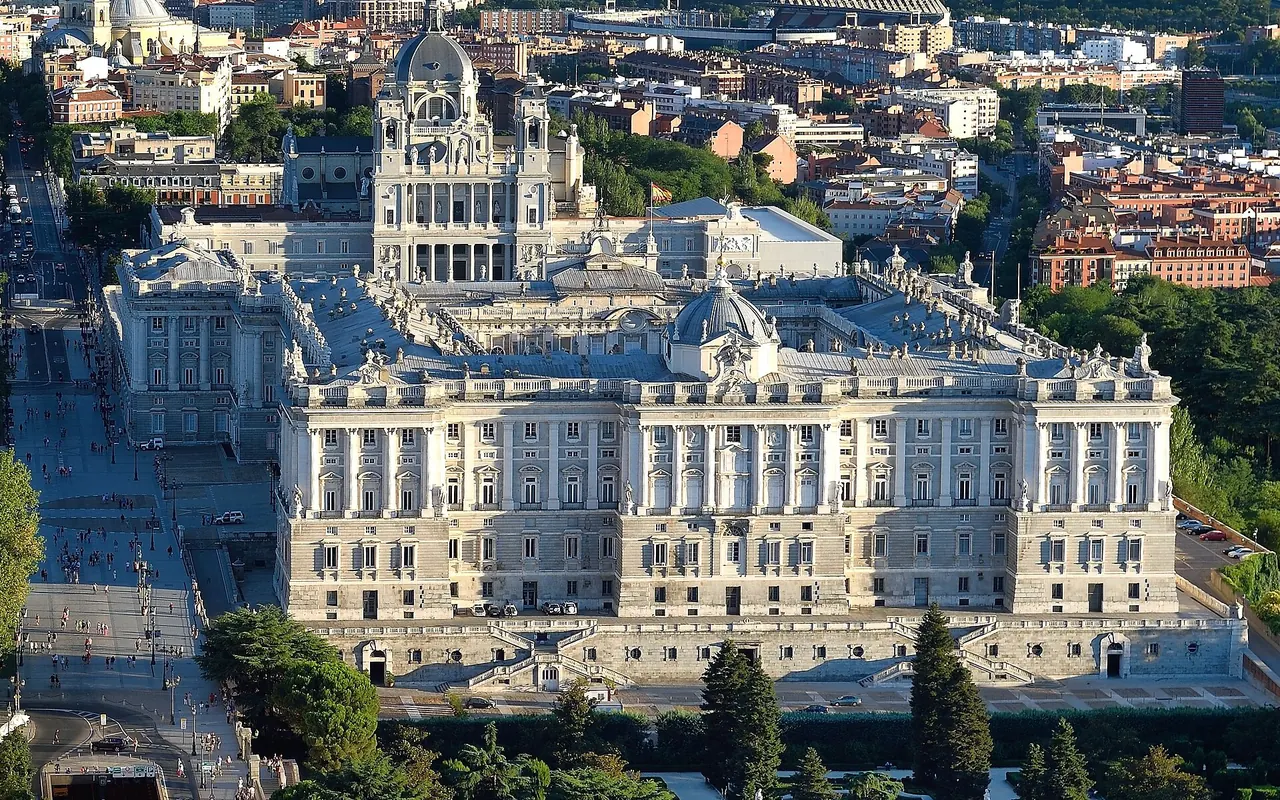
Austrias puts the older western centre into the everyday walking route: Plaza Mayor, streets around the Mercado de San Miguel and the palace-and-cathedral side of town. A hotel near Opera is useful for combining the Royal Palace with Teatro Real and the lanes back towards the main square. Traditional restaurants and tapas stops are part of the appeal, although the market and the landmark-facing terraces attract plenty of visitors rather than functioning as a quiet local dining enclave.
Opera station has Metro lines 2 and 5 plus the Ramal connection to Principe Pio, as shown by CRTM. Airport arrivals still need a connection from line 8 or an onward journey from the airport bus. The compromise is that the Prado, Reina Sofia and Retiro lie on the other side of the centre, so repeated museum mornings involve walking across town or using transport. Choose Las Letras for that art-heavy itinerary; choose Malasana if independent shopping and bar streets are the main draw.
Plan it well: The photograph and pin show the Royal Palace on the western side of the historic centre.
Madrid tourism: Austrias and OperaLas Letras and the Prado edge: art days and literary streets
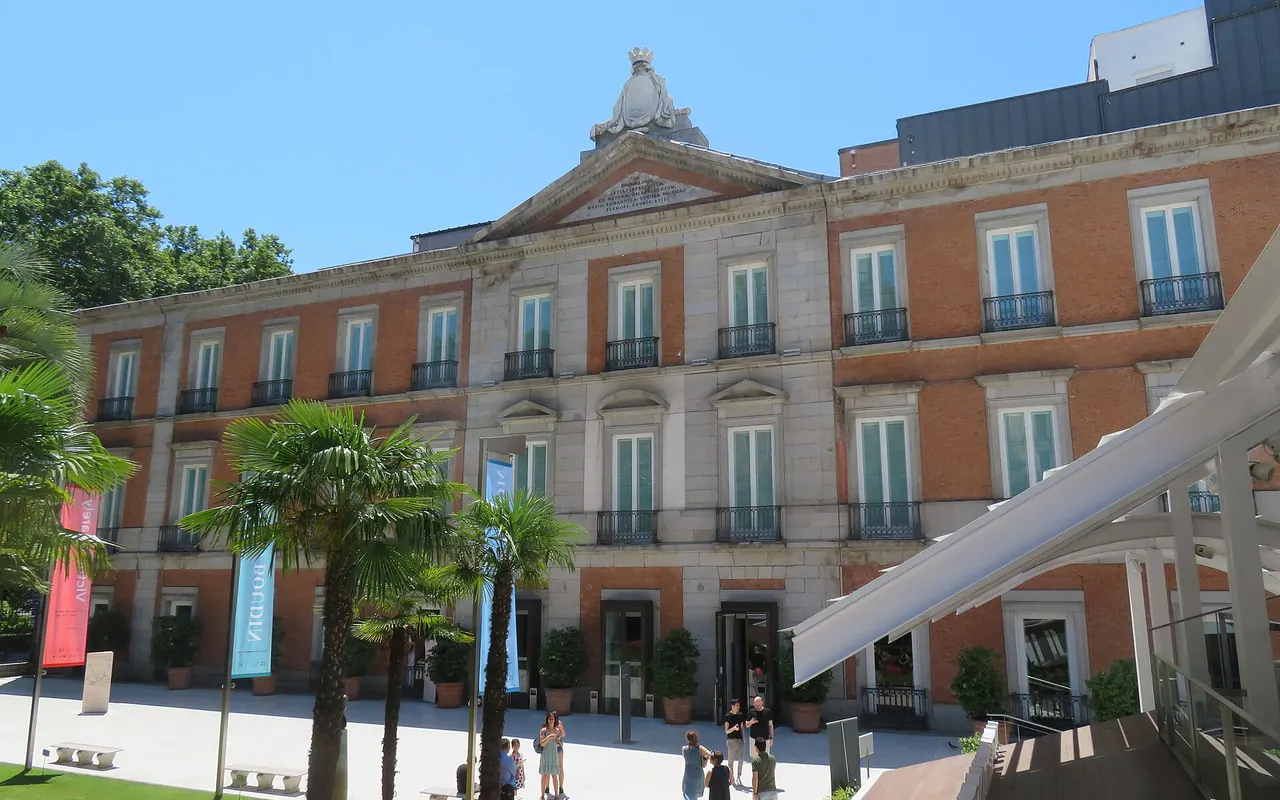
Las Letras is a strong base when art visits and evening meals carry equal weight. Calle Huertas and Plaza de Santa Ana supply the literary-and-theatre setting, with the Lope de Vega house adding a more specific cultural stop. Restaurants such as Casa Alberto belong to the neighbourhood's traditional dining strand. Towards Paseo del Prado, the Thyssen-Bornemisza and the wider art-museum route become the reason to favour the eastern side over a hotel chosen just for a lively square.
Anton Martin on Metro line 1 serves the southern streets; the right station for a Prado-edge address may be different, so use the CRTM map with the exact hotel location. Airport bus arrivals at Cibeles or, during the daytime route, Atocha can be useful depending on that address. Huertas and the streets around Principe have active evening bars, making room position a meaningful trade-off. Choose Retiro for a more park-led stay, or Austrias when palace walks matter more than museum proximity.
Plan it well: The photograph and pin identify the Thyssen-Bornemisza Museum on Paseo del Prado, at the eastern edge of this combined stay area, not a Huertas street.
Madrid tourism: Las Letras and the Prado edgeRetiro and Jeronimos: museum mornings and park breaks
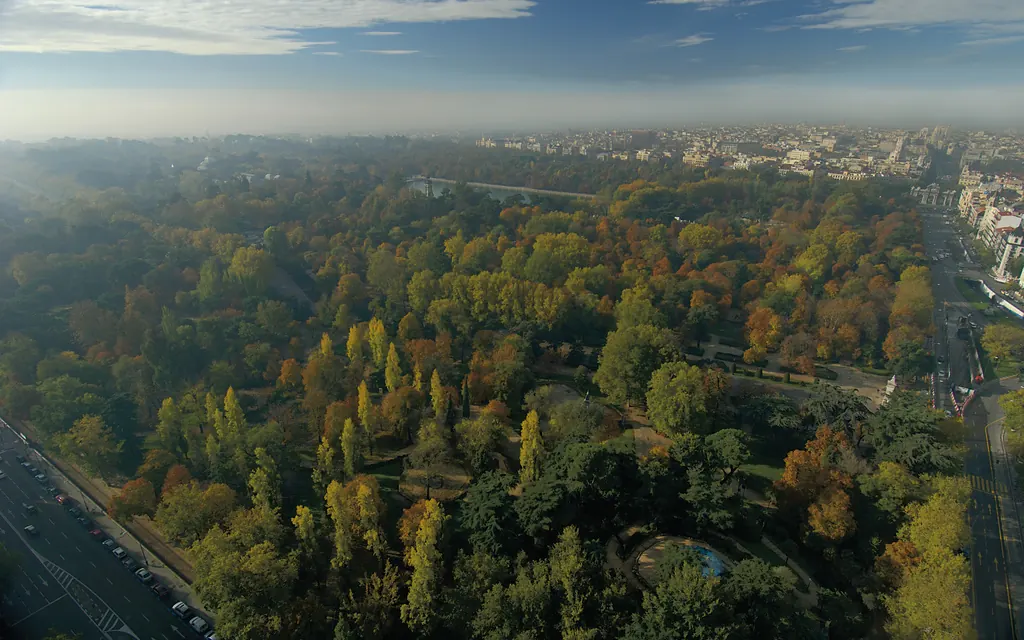
Retiro is not one interchangeable hotel location. On the western side, Jeronimos suits travellers who want the Prado and the park to frame the day; on the eastern side, the streets around Ibiza, Menorca and Doctor Castelo offer a more residential restaurant-and-tapas setting. Both can be good choices, but the park's width separates them. Choose the museum-facing side for repeated art visits rather than assuming an east-side address is just as convenient.
CRTM shows Retiro station on Metro line 2 and Ibiza on line 9. For an airport Metro arrival, the change and final station depend on which side of the park you choose; Cibeles airport-bus arrivals favour the northwest approach more naturally than every Retiro address. The trade-off is reduced immediacy to Sol's shops and the central nightlife streets, with additional walks or rides if those dominate the plan. Choose Las Letras for museum days followed by central tapas evenings, or Chueca for a stronger nightlife-and-shopping mix.
Plan it well: The photograph and pin show El Retiro Park. Jeronimos is on its western side; the Ibiza dining streets are east of it.
Madrid tourism: Retiro and JeronimosLavapies and Atocha: international food and rail-oriented art trips
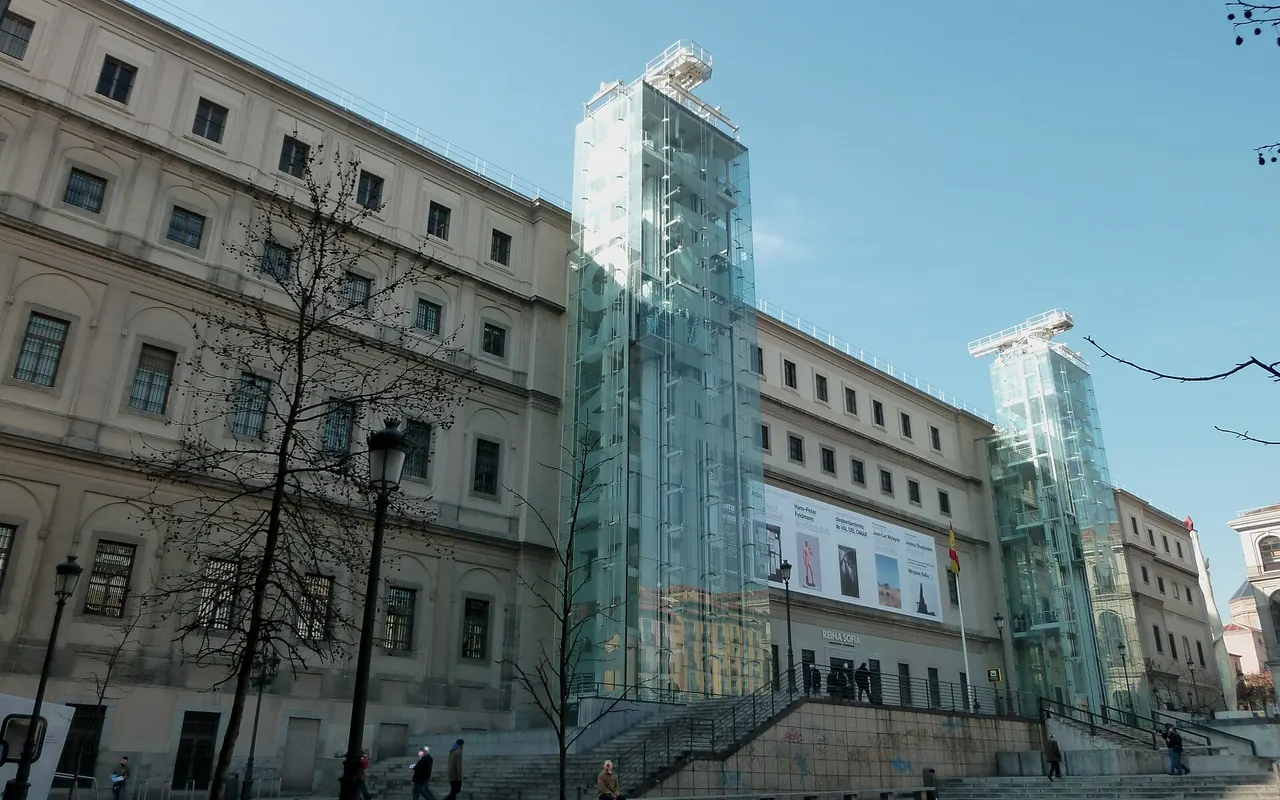
Lavapies offers a different dining base from the grand central squares: international restaurants, terrace activity along Argumosa and cultural venues including La Casa Encendida. Towards Atocha, the Reina Sofia becomes a natural daytime anchor. Choose the neighbourhood streets when meals and small cultural outings are part of the purpose of the trip; choose the station-facing edge when an onward train is the practical priority. Those are related but different reasons to stay here.
Metro line 3 serves Lavapies, while line 1's Estacion del Arte is useful for the museum side; Atocha's rail complex needs its own exact entrance and walking plan. EMT's daytime airport-bus route reaches Atocha, but its night route ends at Cibeles instead. The trade-off is less direct access to the Royal Palace and some northern shopping streets, plus terrace and traffic activity on the busier blocks. Choose Austrias for historic-west walks, or Retiro when a park-led setting matters more than a varied restaurant neighbourhood.
Plan it well: The photograph and pin identify the Reina Sofia museum at the Atocha-facing edge of Lavapies, not the railway station or every residential street.
Madrid tourism: Lavapies and AtochaMalasana: independent shops and lively evenings
Malasana is a useful choice when the trip includes vintage shops, comics, cafes and small music or bar venues rather than only the formal museum circuit. Plaza del Dos de Mayo is the central neighbourhood reference, with San Vicente Ferrer and Espiritu Santo adding browsing and eating streets. Fuencarral is the busier retail edge; Bodega de la Ardosa gives the area a traditional tavern counterpoint to its contemporary shops and cafes.
Tribunal has Metro lines 1 and 10, while Noviciado on line 2 serves another side of the quarter. The line 10 connection at Tribunal can be useful after changing from airport line 8 at Nuevos Ministerios. The downside is late-evening activity on the bar streets, not an automatic quiet stay just because a hotel sits away from Gran Via. Choose Retiro for green-space breaks and a less nightlife-led routine, or Las Letras when most days begin on the art-museum route.
Plan it well: The pin marks Plaza del Dos de Mayo, a neighbourhood meeting point within Malasana, not the whole quarter.
Madrid tourism: MalasanaChueca: LGBTQ nightlife and food-market streets
Chueca suits travellers who want an established LGBTQ neighbourhood, restaurants and shops to remain part of the evening after sightseeing. Plaza de Chueca is the obvious meeting point, while Augusto Figueroa and the Mercado de San Anton offer a food-and-shopping focus. Streets towards the Salesas side give the district a different feel from the busiest bar blocks nearer the square. The useful choice is between being in the evening activity and being close enough to walk to it.
Chueca station is on Metro line 5, with Gran Via's line 1 connection nearby for some southern addresses. The airport line 8 journey requires an interchange rather than a direct ride into the neighbourhood. The compromise is noise around bars and terraces and less immediate access to the palace or the southern museums. Choose Malasana for more vintage-and-small-venue browsing, or Retiro if quiet park time is the main counterweight you want to busy sightseeing days.
Plan it well: The pin identifies Plaza de Chueca. It is a square within the stay area, not a map of the district.
Madrid tourism: ChuecaAirport arrivals and the right final station
The airport rail or bus stop is only the start of the hotel comparison. Match its final connection to the actual street rather than treating Sol, Cibeles and Atocha as the same arrival point.
Airport Metro requires a city connection
Line 8 links the airport with Nuevos Ministerios. The CRTM network map shows onward connections, including line 10 towards Tribunal; choose the interchange and last station for the hotel's exact address.
CRTM: current Metro network mapsThe airport bus has different day and night endpoints
EMT's Airport Express serves Cibeles and continues to Atocha on its daytime route. At night its city endpoint is Cibeles, so an Atocha-area hotel needs an onward plan rather than an assumed door-to-station arrival.
EMT Madrid: official Airport Express routeCheck the station as well as the line
Use CRTM's line and station information to confirm the nearest entrance, transfers and current notices. Tribunal, Opera and the park-side stations solve different journeys; proximity to a famous square does not remove the final walk.
CRTM: Metro lines and stationsFind a hotel in your Madrid base
Compare Madrid hotels in the neighbourhood that matches your days and evenings. Check the exact block for bar activity and the station for airport or rail arrivals, particularly around Retiro and Atocha.
Explore Madrid hotels