
Lyon city guide
10 things to do in Lyon
Roman hillside ruins, Renaissance streets and ambitious modern museums: a first Lyon visit organised around the two rivers, with time left for a proper meal.
Plan your visit
Lyon is easier to understand when you think in neighbourhoods rather than a list of monuments. Fourviere and Vieux Lyon belong together, the Presqu'ile links the central squares, and the contemporary museums take you beyond that compact core. Give one major museum or hillside outing the first claim on each day, then let the rivers, courtyards and a leisurely meal fill the gaps.
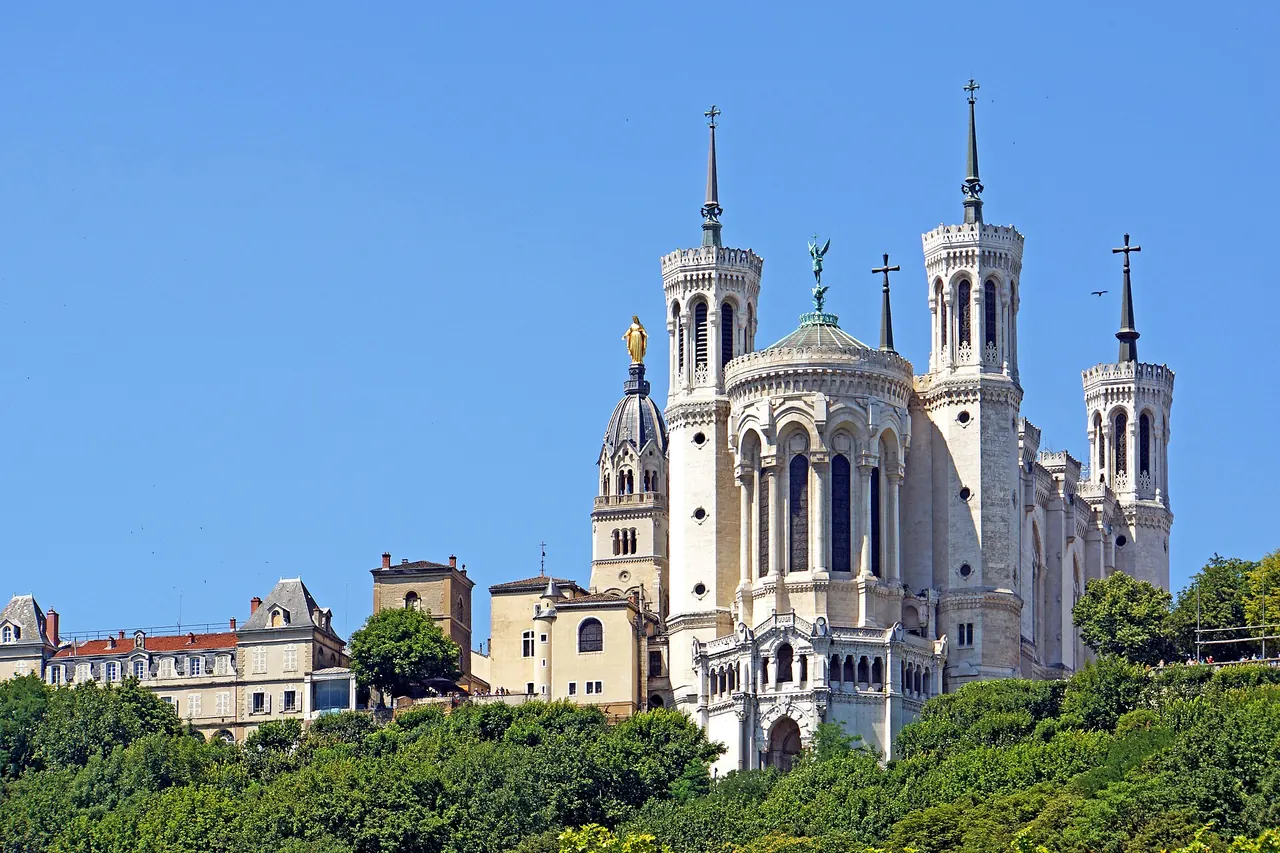
See the city from Notre-Dame de Fourviere
Fourviere is the best opening chapter if you want to understand Lyon's geography. From the esplanade, trace the Saone below and the neighbourhoods spreading eastwards before heading inside the basilica. The elaborate mosaics and marble make the interior a very different experience from its fortress-like outline. There is no need to treat the panorama as a quick photograph on the way to somewhere else; it can be the point of the morning.
Decide how you will reach the hill before starting, especially if steps or steep streets would limit the day. Combine the basilica with the nearby Roman theatres rather than immediately returning to the centre. Ordinary church access, worship and special roof visits are different arrangements, so check the relevant official information if a guided experience is important. A descent towards Vieux Lyon can follow, but it should not become a test of endurance.
Plan it well: Check special roof-tour arrangements separately; a view from the public esplanade does not require adding a roof visit.
Lyon tourism: Fourviere BasilicaRead the shape of Roman Lyon at the ancient theatre
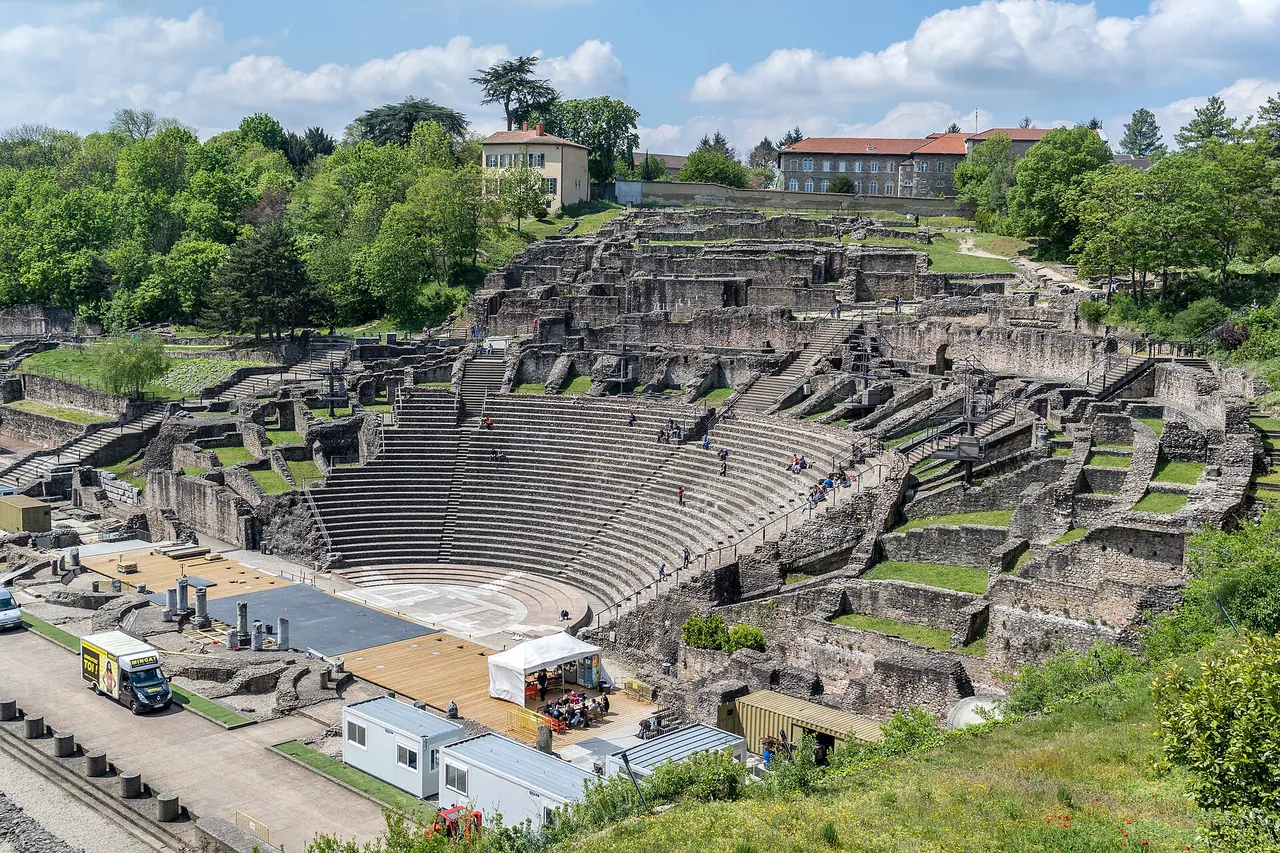
The ancient theatre makes Lyon's Roman past tangible without requiring you to imagine it entirely from museum objects. Stand back to follow the curve of the seating and the relation between the stage and hillside. The neighbouring odeon is a separate structure, so compare their scale rather than thinking of the whole site as one ruin. A little attention to the layout explains more than an ambitious attempt to remember every historical date.
Pair the archaeological site with Fourviere, and add the Lugdunum museum only if Roman history is one of your main interests. The museum and outdoor theatres have separate visiting information, while performances can affect the site. Exposed stone and uneven steps deserve proper footwear; a short mapped distance does not guarantee an effortless route. Use the operator's current notices to decide which parts are open instead of relying on an old walking-tour description.
Plan it well: Check the outdoor-site notices and museum arrangements independently, particularly around performance periods.
Lugdunum opening and site informationChoose a collection at the Museum of Fine Arts
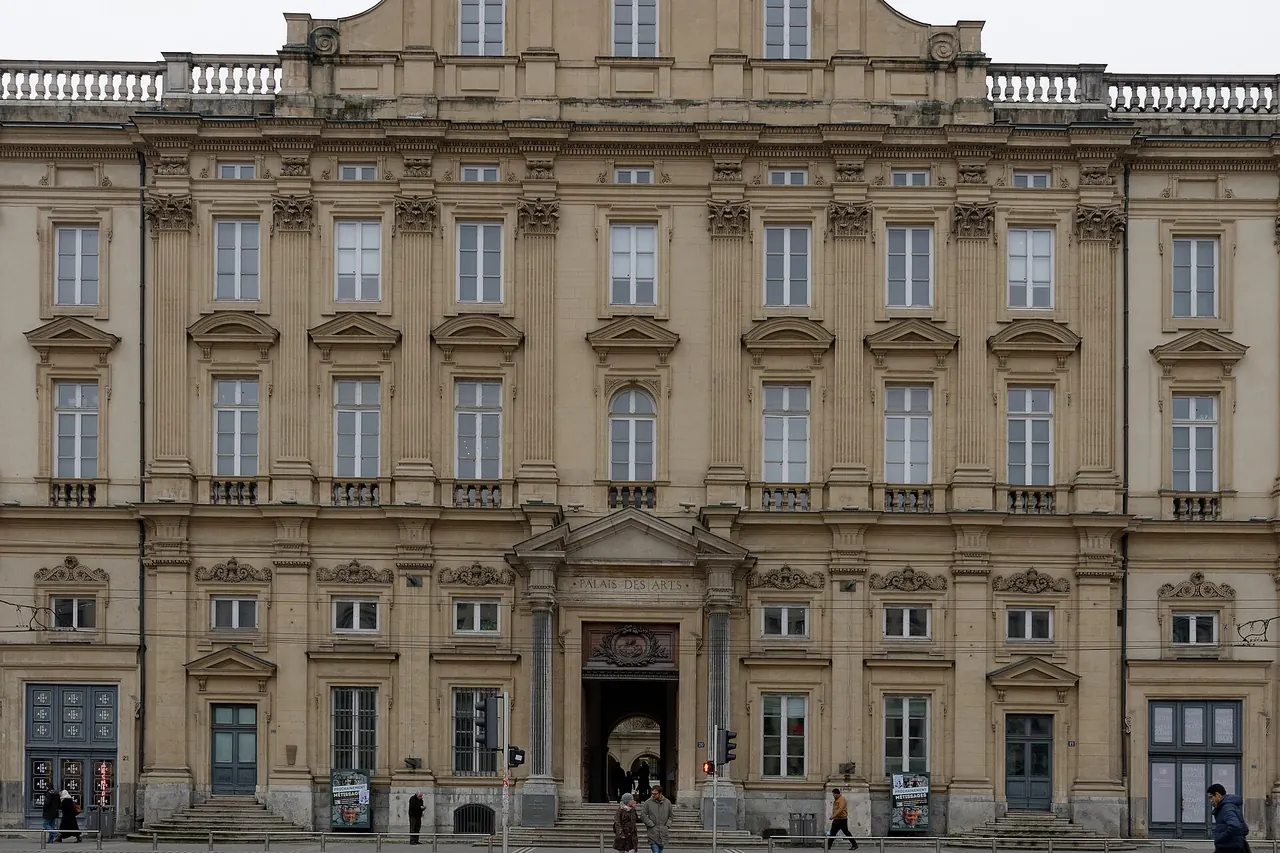
The Museum of Fine Arts is a substantial visit, not a convenient indoor shortcut between the square and lunch. Choose a collection or period that interests you, then leave room for unexpected works along the way. Looking closely at several paintings or sculptures is more satisfying than crossing every gallery with the same brief glance. The former abbey setting creates a useful contrast with the busy streets immediately outside.
The museum's practical page explains online reservations, including tickets for visitors entitled to free admission. Confirm the rules for your own pass or concession and bring the required proof. It is normally closed on Tuesdays, so arrange this part of a short trip before filling the other day with outdoor plans. Place des Terreaux is an easy companion afterwards; the museum itself deserves an undivided block of time rather than a slot squeezed between two hill climbs.
Plan it well: A pass or free-admission entitlement is not necessarily a substitute for the museum's reservation procedure.
Museum of Fine Arts visit preparationMake room for the lake at Parc de la Tete d'Or
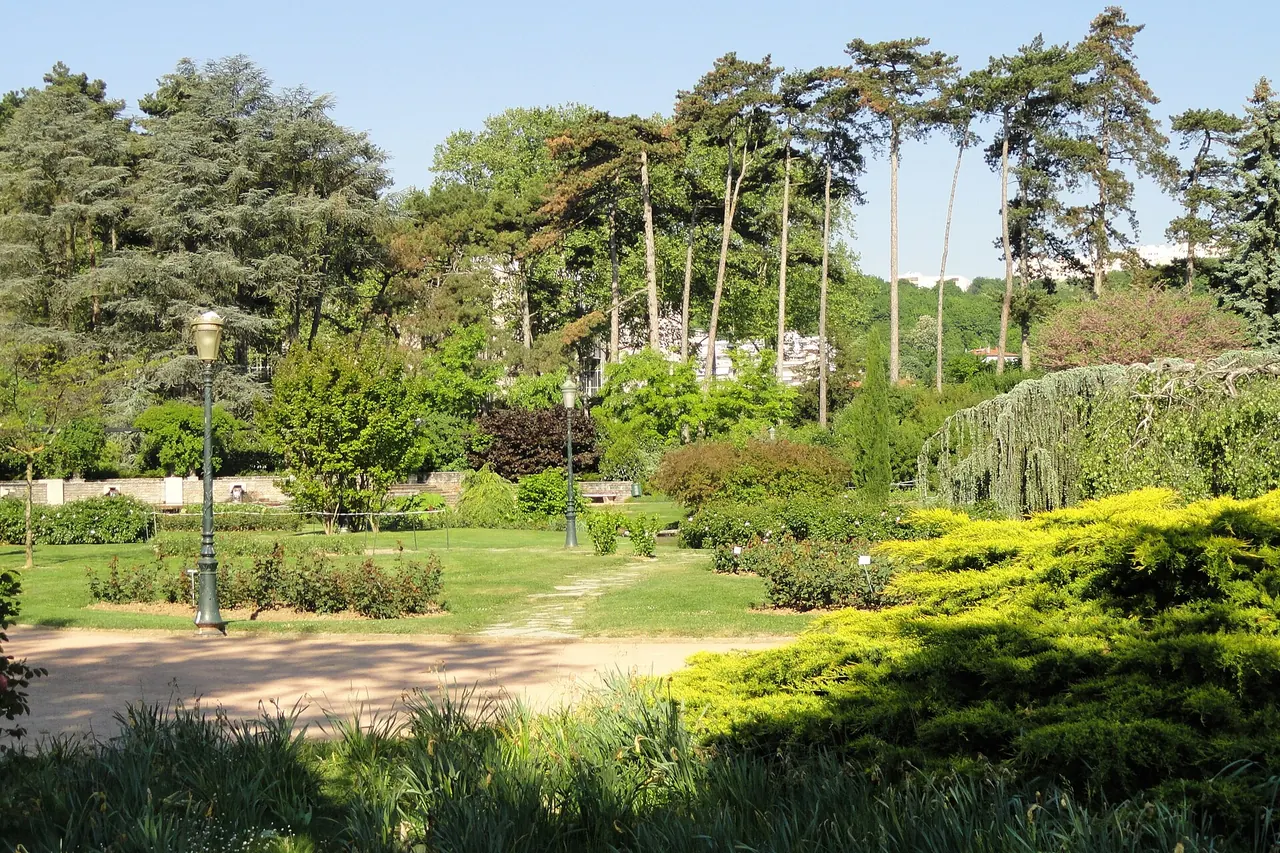
Parc de la Tete d'Or is an outing of its own, not a little green square beside the historic centre. Choose a lakeside walk or a garden-focused route and accept that you will not see every feature in one visit. The scale of the lawns and mature trees changes the rhythm of a city break after the densely built Presqu'ile. Bring something to read or allow a proper seated pause rather than inventing another sequence of stops.
The city lists the park, botanical collections and zoo with distinct operating arrangements. Being inside the park does not mean that every greenhouse or attraction is open at that moment. Seasonal hours and severe-weather closures also matter. If you only want a walk, keep it simple and choose the entrance that best fits your onward route. Avoid pairing a full park circuit with an already lengthy museum visit unless you have the energy and time.
Plan it well: Check the particular garden or facility you want, not just the park gate hours; municipal weather closures can override the usual schedule.
City of Lyon: Parc de la Tete d'OrPause at Saint-Jean in Vieux Lyon
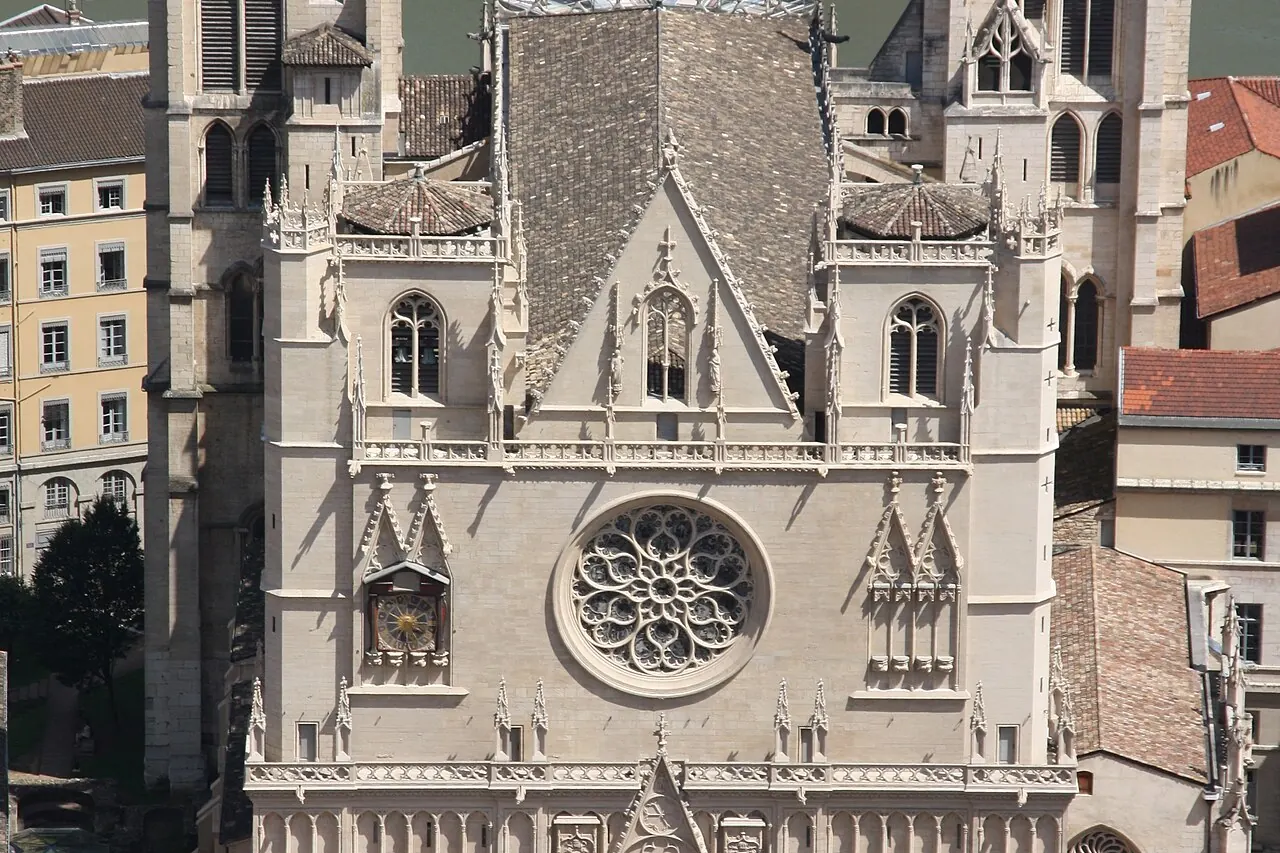
Saint-Jean gives Vieux Lyon a clear focal point among its tightly arranged Renaissance streets. Approach through the square, then look at how the cathedral's stonework differs from the surrounding houses. Inside, let the architecture and light lead the visit rather than making one object the entire reason to enter. The astronomical clock is an important feature, but a good cathedral visit does not depend on catching a performance or demonstration at a particular minute.
Work this into a Vieux Lyon walk with time for nearby streets and a meal, rather than treating the district as the route between two distant attractions. The archaeological garden beside the cathedral adds another layer to the setting. Because the building is a place of worship, visitor access and guided-tour availability are not identical. Check current notices if you want a formal tour, and keep your group quiet when people are praying.
Plan it well: Do not promise yourself a clock demonstration without current confirmation; choose the building and neighbourhood for the wider experience.
Lyon tourism: Vieux LyonUse Place Bellecour to connect the two rivers
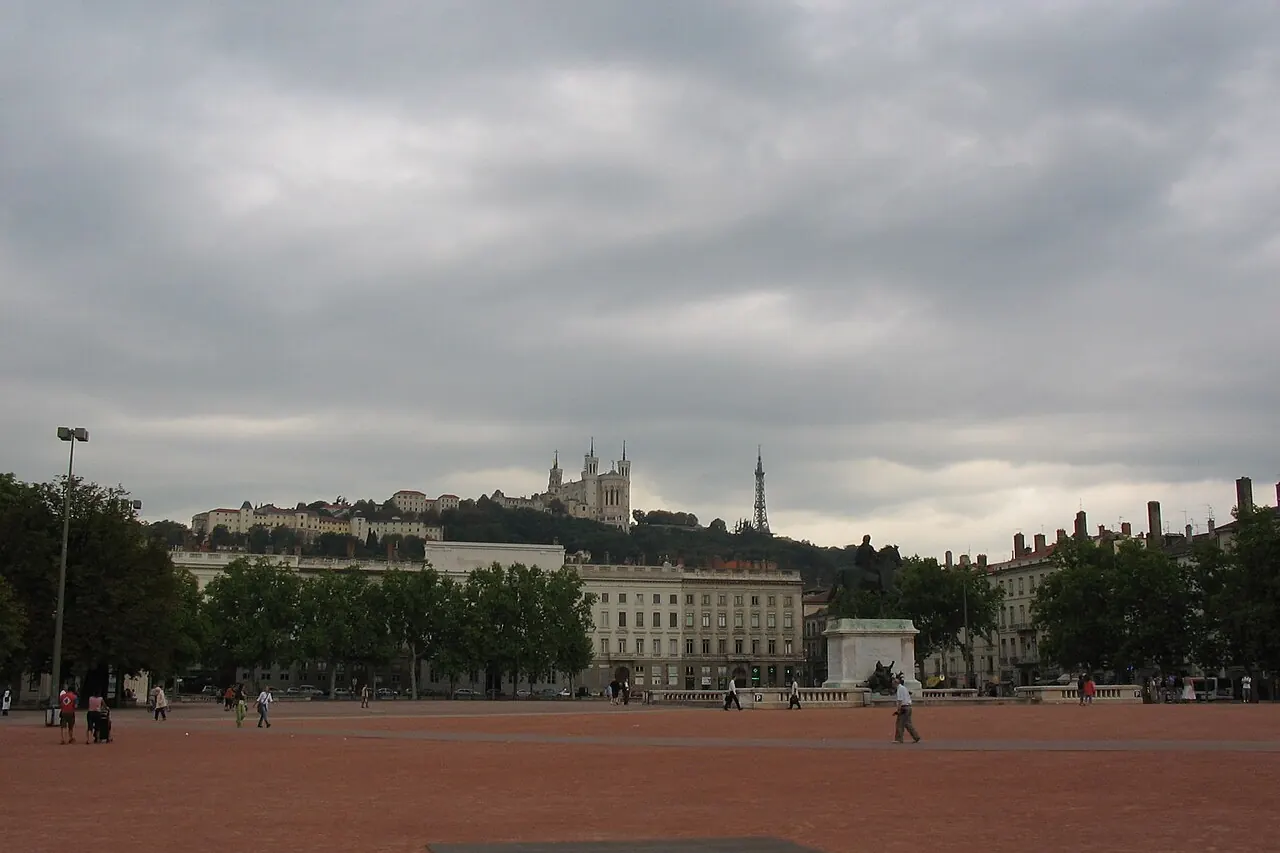
Place Bellecour is useful precisely because it offers space in the middle of the city. Walk far enough into the square to appreciate its scale, identify the equestrian statue and look back towards Fourviere. Then choose whether your next stretch belongs along the Saone or towards the Rhone. This is a place to make sense of the Presqu'ile, not an attraction that needs to hold you for an entire morning.
The tourist office's account points out the square's monuments and changing public life, including its connection with Saint-Exupery. Make time for that quieter detail if you enjoy literary associations. The exposed setting is less appealing during heavy rain or strong heat, so it works best as a flexible connector between more sheltered stops. Public events can change the atmosphere and usable space; do not assume a familiar photograph represents the square on every date.
Plan it well: Decide which riverbank you want before leaving the square; a purposeful short walk is better than repeatedly crossing the peninsula.
Lyon tourism: Place BellecourExplore big questions at the Musee des Confluences
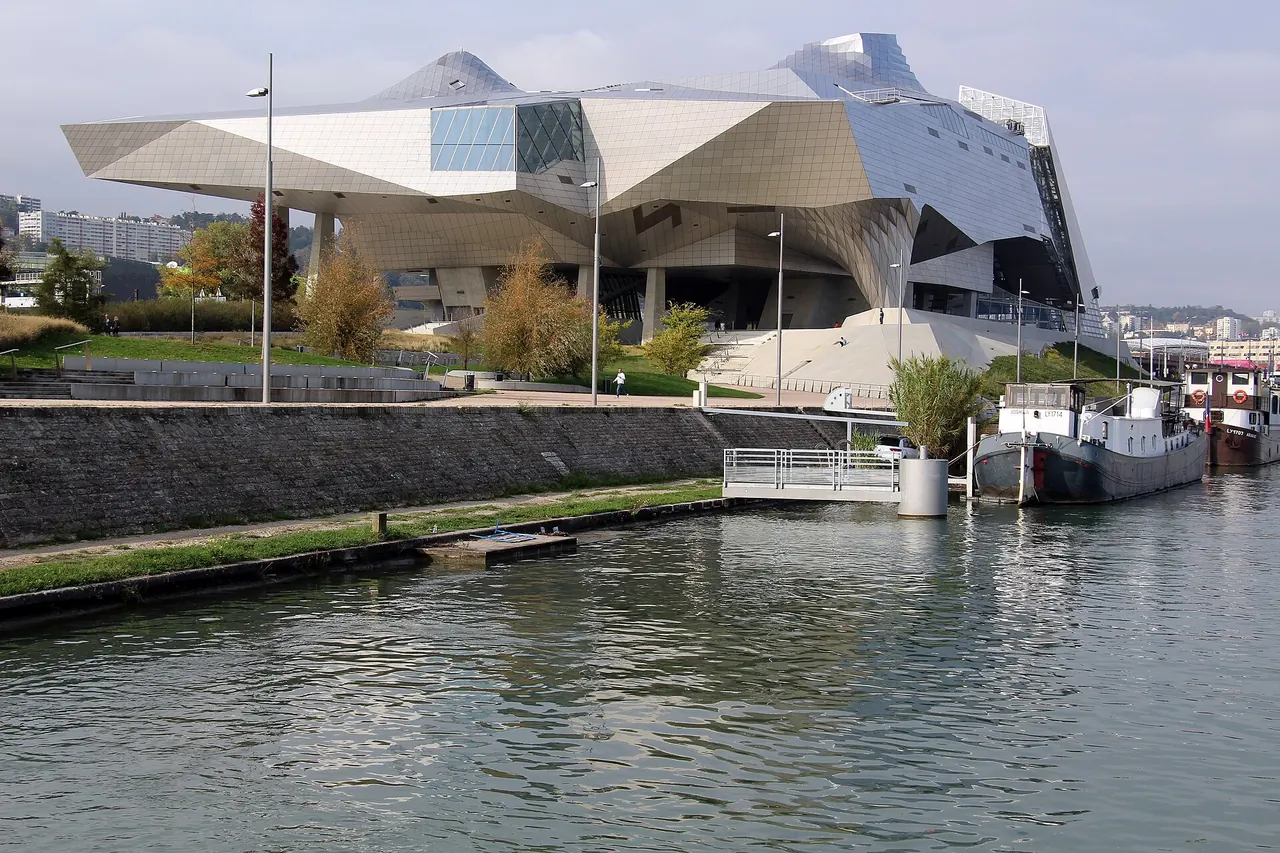
The Musee des Confluences is a different proposition from a conventional art gallery. Its exhibitions bring objects, natural history and human societies into conversation, so approach with a question you would like to explore rather than expecting a single chronological story. The striking exterior is worth viewing in its river setting, but the collections are the reason to allocate real time. Seeing only the building misses much of what makes this museum distinctive.
The southern location means it should be planned as a dedicated outing instead of a last-minute detour from Terreaux. Consult the museum's current exhibition and visitor pages to decide what suits your interests, particularly when travelling with children. Leave some time afterwards to notice the meeting of the rivers and the surrounding redevelopment. Do not book another distant museum immediately afterwards; the transfer and the density of the displays both deserve breathing space.
Plan it well: Choose the exhibitions first, then plan transport to the southern tip of the peninsula; architecture alone need not commit you to a full museum ticket.
Musee des Confluences visitor informationDiscover a different Lyon at the Cour des Voraces
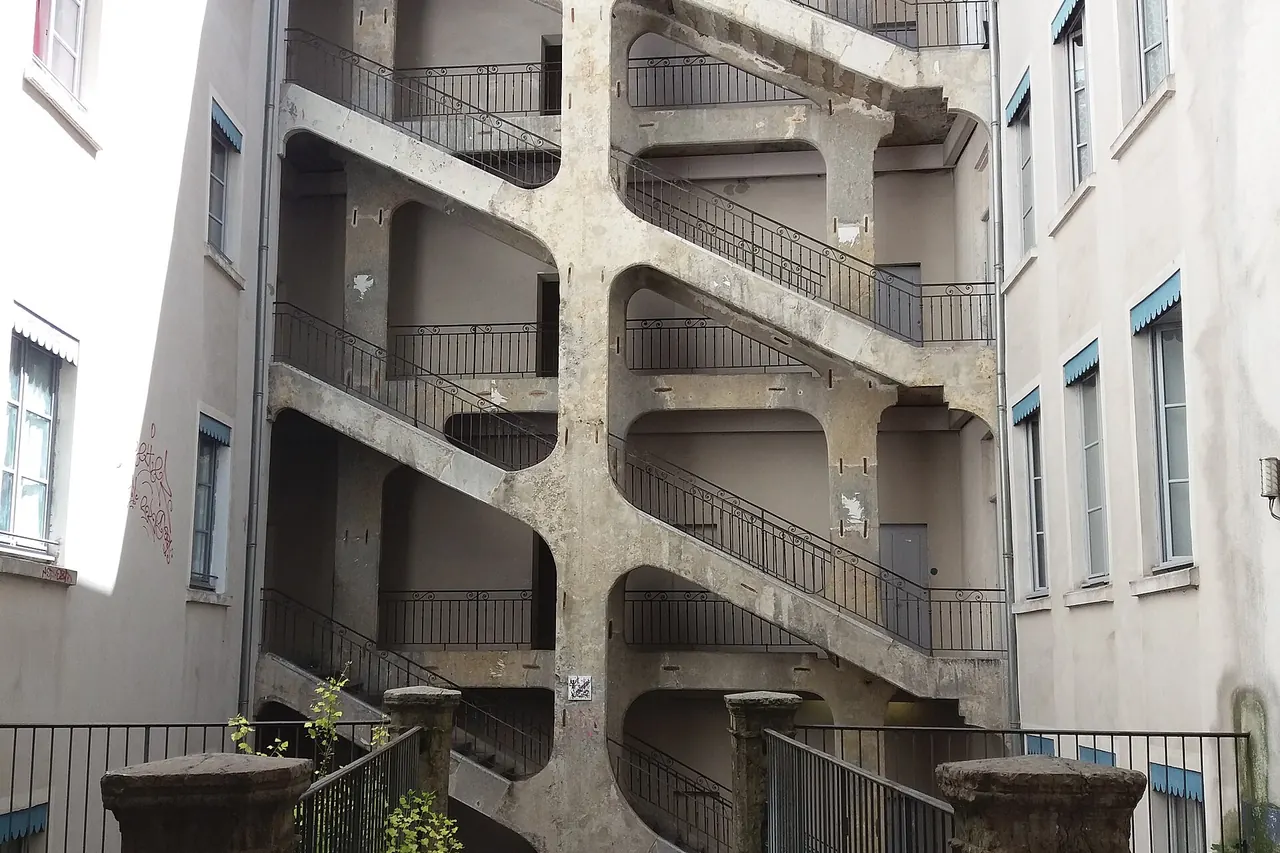
The Cour des Voraces is a good place to understand why Lyon's passageways are more than scenic shortcuts. Its external staircase gives the courtyard an unusual vertical drama, while the surrounding slopes point towards the city's silk-working history. Pause to study the construction and how circulation links different levels. It is a more revealing experience than trying to collect as many traboules as possible in a single afternoon.
The courtyard is part of a lived-in area, and visitor access should never be treated as a right to follow residents through private doors. Use the tourism office's identified entrances and current guidance, keep voices low and leave when access is closed. Combine it with a careful walk on the Croix-Rousse slopes, allowing for climbs and stairs. A small guided route can be worthwhile if you want historical explanation rather than merely another photograph of the stairway.
Plan it well: Use only publicly permitted access; do not buzz residents, force a closed door or photograph into private homes.
Lyon tourism: Cour des VoracesRead the civic scene at Place des Terreaux
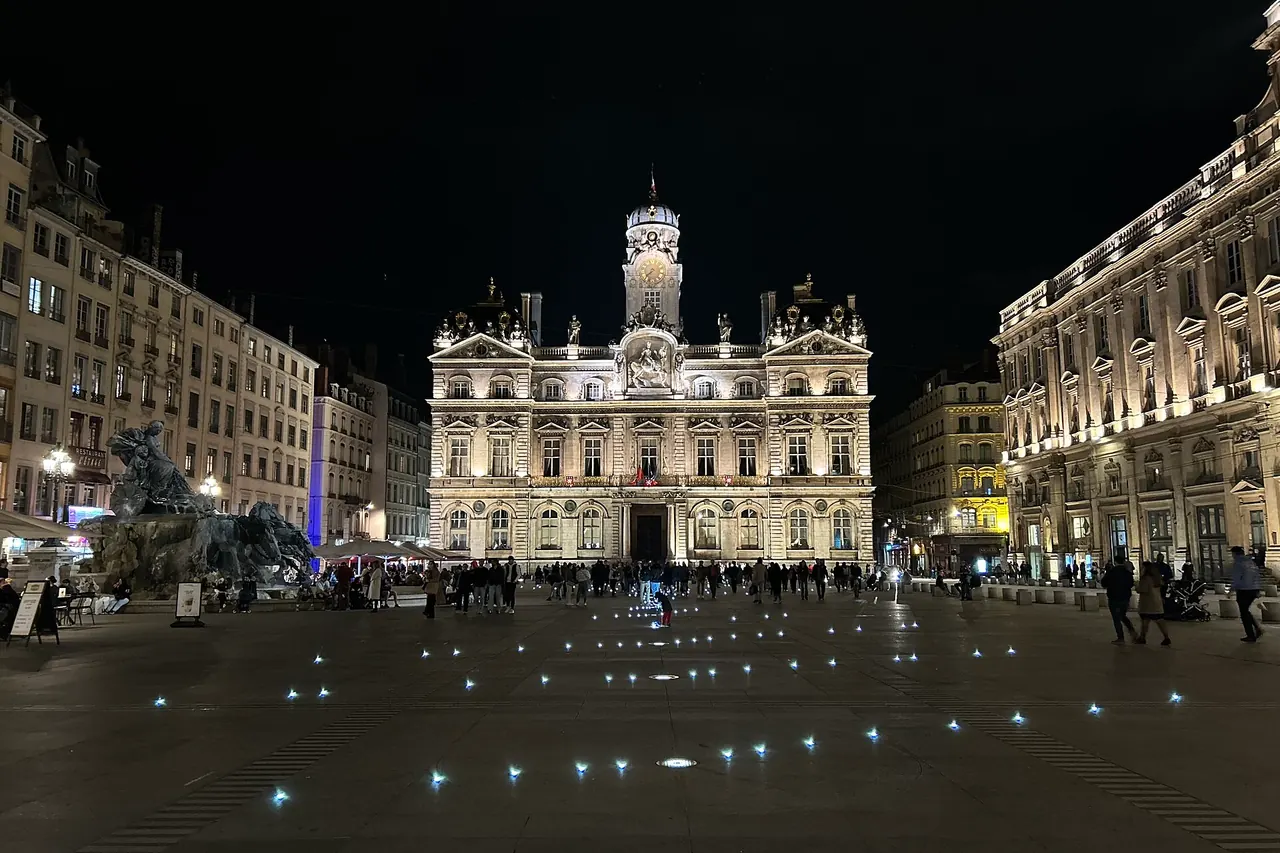
Place des Terreaux brings several strands of central Lyon together: the city hall, the Fine Arts Museum and the sculptural energy of the Bartholdi fountain. Give the square a circuit before choosing a cafe so you can compare its different edges. The horses and water make the fountain an obvious focus, but the enclosing buildings are equally important to the scene. This is civic Lyon at street level, quite distinct from the basilica's panorama.
The square is a natural starting point for the Croix-Rousse slopes or a resting place after the museum. Pick one direction rather than attaching every nearby neighbourhood to the same afternoon. Events and seasonal activity can alter the open space, and the ground-level fountains should not be assumed to operate whenever you arrive. An evening return can show the architecture differently without needing a second formal visit or another admission.
Plan it well: Keep a square visit separate from museum opening hours; it remains useful for orientation even when the galleries are closed.
Lyon tourism: Place des TerreauxFollow the beginnings of cinema at the Institut Lumiere
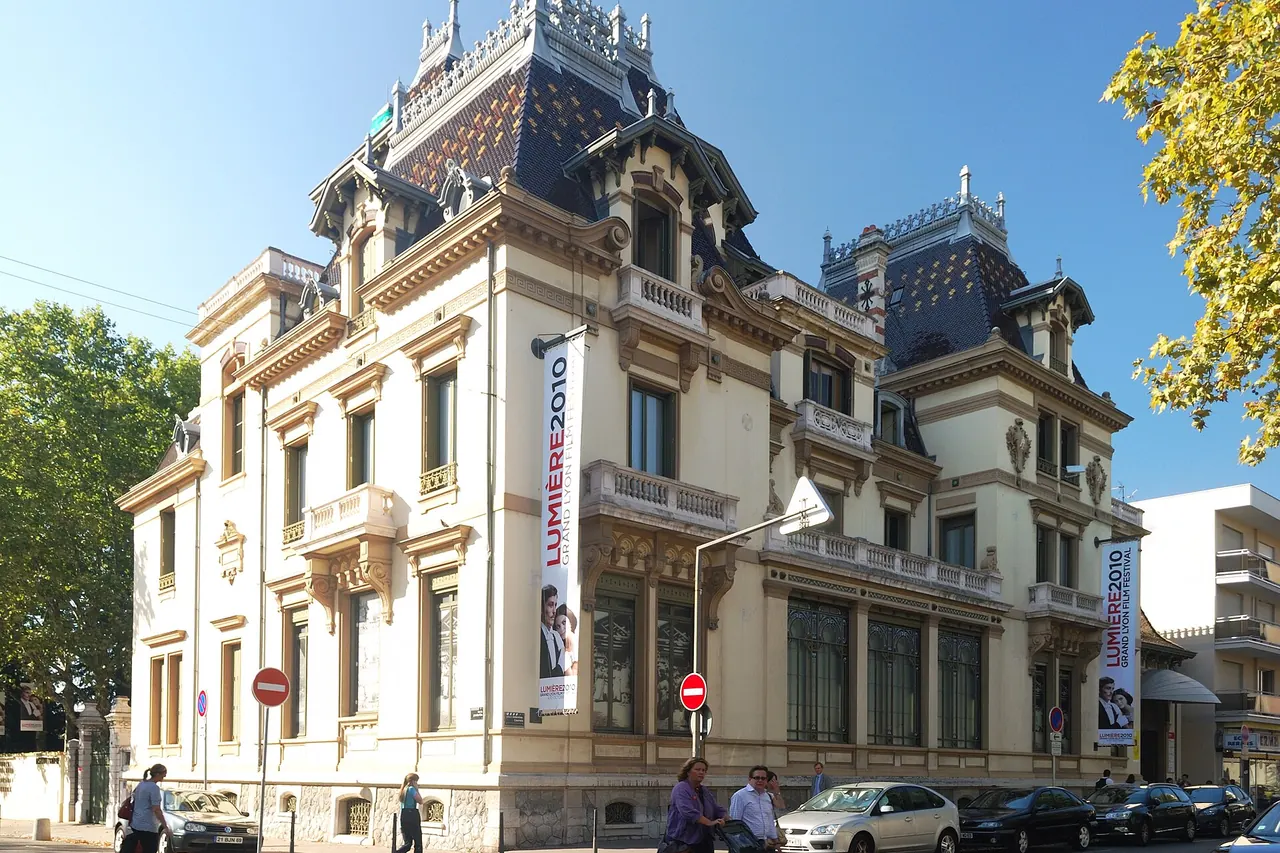
The Institut Lumiere makes a compelling alternative to another old-town monument. The museum in the family's historic villa explores the technical experiments and personal history behind the Cinematograph. Looking at the equipment and early filmmaking context gives moving images a physical origin that is easy to forget on a phone screen. Choose this visit if the making of cinema interests you as much as the finished films.
Monplaisir is outside the compact historic-centre circuit, so allow a deliberate journey rather than adding the museum after an exhausted afternoon. The institute distinguishes museum visits, guided tours and film screenings; a cinema ticket is not automatically museum admission. Check the current programme if you want to see a film as well. The museum warns that its historic villa is not air-conditioned, which is worth considering when selecting a summer visiting time.
Plan it well: Reserve any guided museum visit or screening separately and check the language; different parts of the institute have different programmes.
Institut Lumiere museumHow to spend two days in Lyon
Day one: the hill and Vieux Lyon
Start at Fourviere, continue to the Roman theatre and decide whether Lugdunum is your main museum. Descend towards Saint-Jean and take an unhurried Vieux Lyon meal. Cross to Bellecour only if you still want a short orientation walk.
Day two: choose a cultural focus
Build a northern-centre day around the Fine Arts Museum, Terreaux and an optional Cour des Voraces walk. For a different emphasis, substitute the Musee des Confluences or Institut Lumiere, allowing the journey each needs. Keep the park for a genuinely open afternoon.
Before you go
Check museum closing days independently
The Fine Arts Museum normally closes on Tuesday, while other museums follow different calendars. Select the major visit before arranging the rest of your two days.
Keep a realistic hillside plan
Fourviere and the Croix-Rousse slopes can involve steep streets and stairs. Verify transport and individual access arrangements instead of treating a short distance as a step-free route.
Give a meal room in the itinerary
A relaxed lunch or dinner is a worthwhile part of Lyon, not dead time between museums. Reserve a restaurant that matters to you, then avoid placing a distant attraction immediately afterwards.
Where to stay in Lyon
The Presqu'ile suits visitors who want central squares and access to both rivers. Vieux Lyon puts the cathedral district close by but requires attention to stairs and hillside routes. Part-Dieu can be practical for rail arrivals, while Monplaisir fits a cinema-focused stay. Compare the actual transit connection, lift access and room noise rather than assuming every Lyon address is an old-town base.
Explore Lyon hotels