
Tbilisi city guide
10 things to do in Tbilisi
Explore Tbilisi through its riverside churches, sulfur baths, hilltop landmarks and museum collections, with a flexible plan for a first weekend.
Plan your visit
Tbilisi rewards a little attention to its hills. The river makes several central landmarks look close together, but climbs, crossings and museum visits take real time. Build one day around the old centre and another around a museum or a wider view. These ten choices include quiet gardens and active places of worship as well as the familiar skyline.
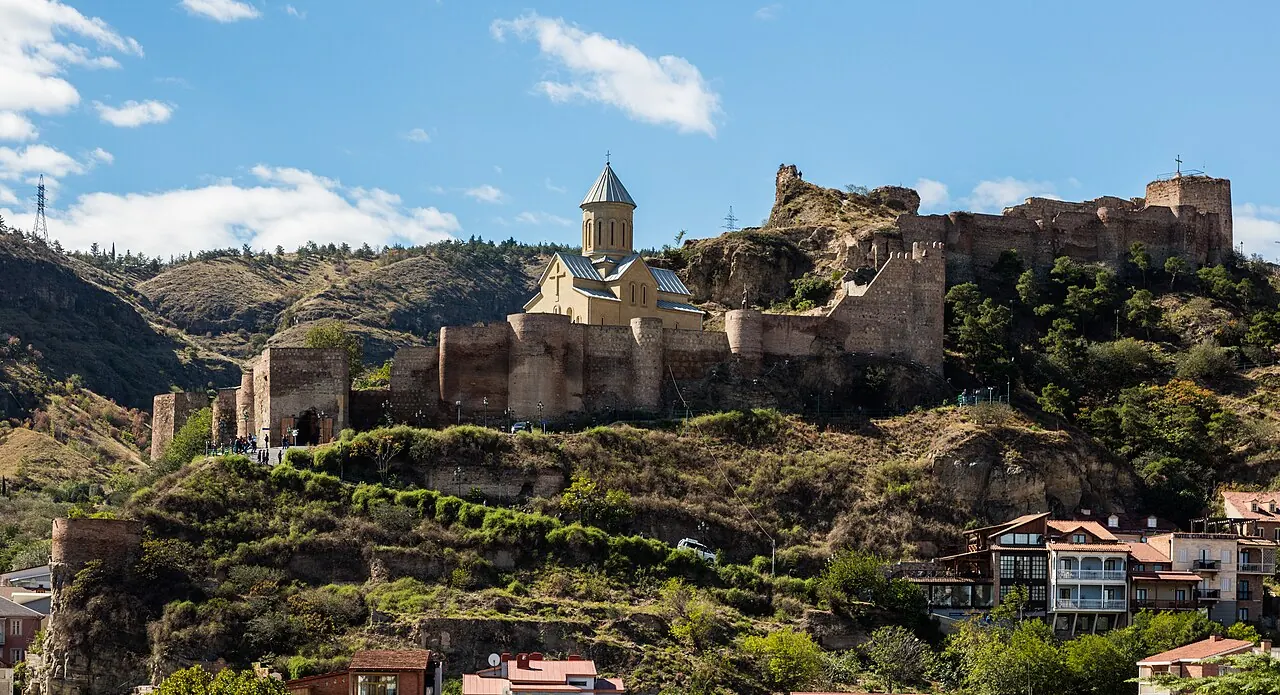
Read the city from Narikala
Narikala supplies the outline that helps make sense of the old centre: walls above the bath district, a ridge behind the river and a city fitted around steep ground. Look at the fortress from below before deciding whether to go up. Its importance is not just a panoramic photograph; the relationship between defence, settlement and the river becomes clearer when you see the different levels together.
Plan the ascent as a separate part of the outing, with shoes that grip and enough energy for uneven ground. Restoration can affect which parts of the fortress are accessible, so do not assume every wall or church entrance will be open. If access is limited, keep the lower-city views and use an accessible public viewpoint nearby rather than stepping beyond barriers to recover a photograph.
Plan it well: Check the current access situation before committing to the uphill walk; do not climb unguarded walls.
Georgia Travel: NarikalaMake time for the sulfur-bath district
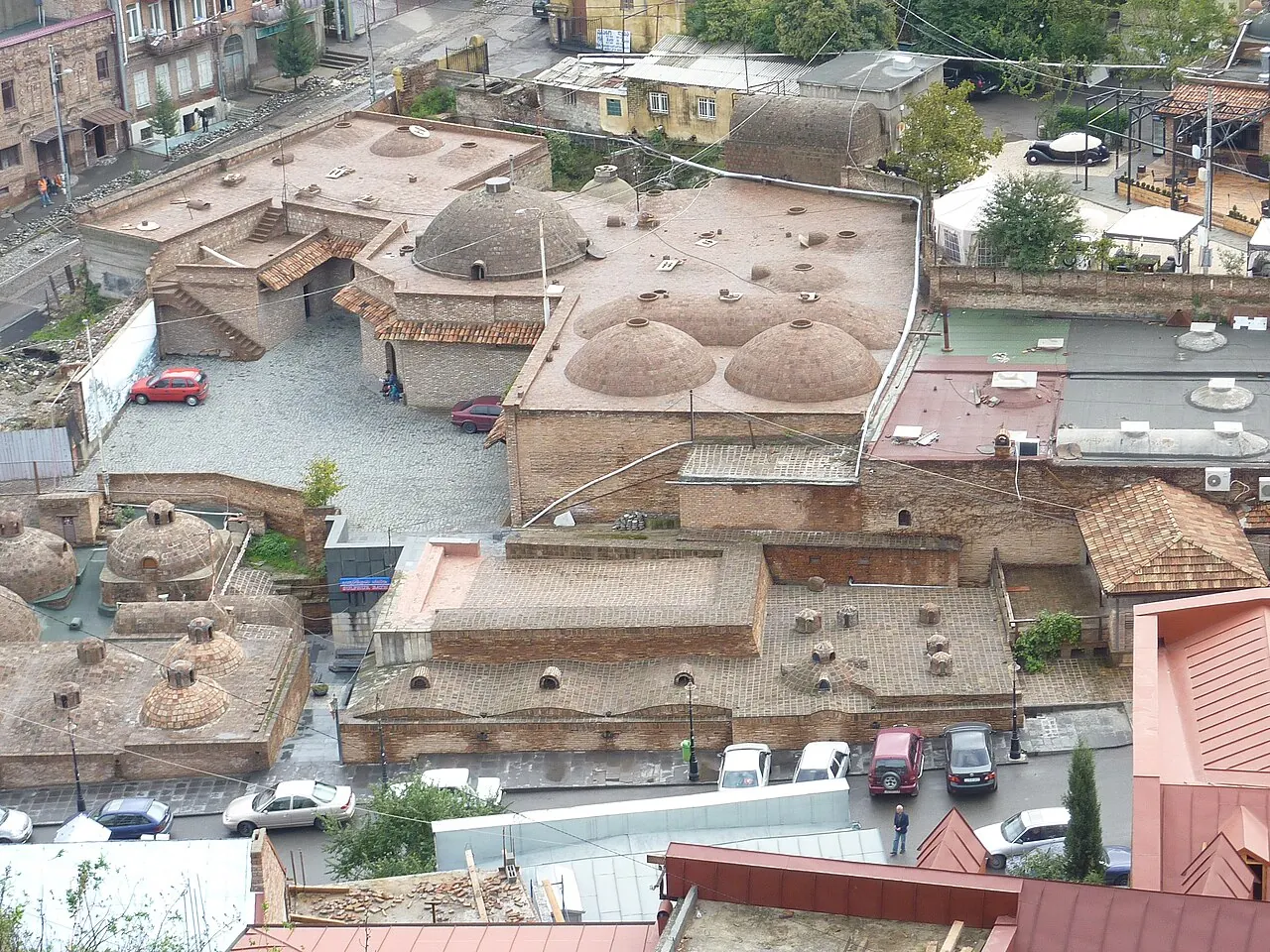
The low brick domes of Abanotubani make an unusually revealing place to begin a city walk. Much of the activity happens below ground, while the street above connects bathhouses, balconies and the steep sides of the old town. Walk through the district even if you do not want a bath: the mix of public space and working businesses is worth seeing on its own.
For a bathing experience, contact the particular bathhouse rather than treating the whole neighbourhood as one attraction with one set of rules. Ask whether your booking is for a private room or a public facility, what is included and what you should bring. Leave a generous gap afterwards for cooling down and getting dressed. Heat and bathing are not suitable for everyone; seek individual medical advice when relevant.
Plan it well: Confirm room type, towel arrangements and any optional treatments before paying.
Georgia Travel: sulfur bathsGive Sameba room in the day
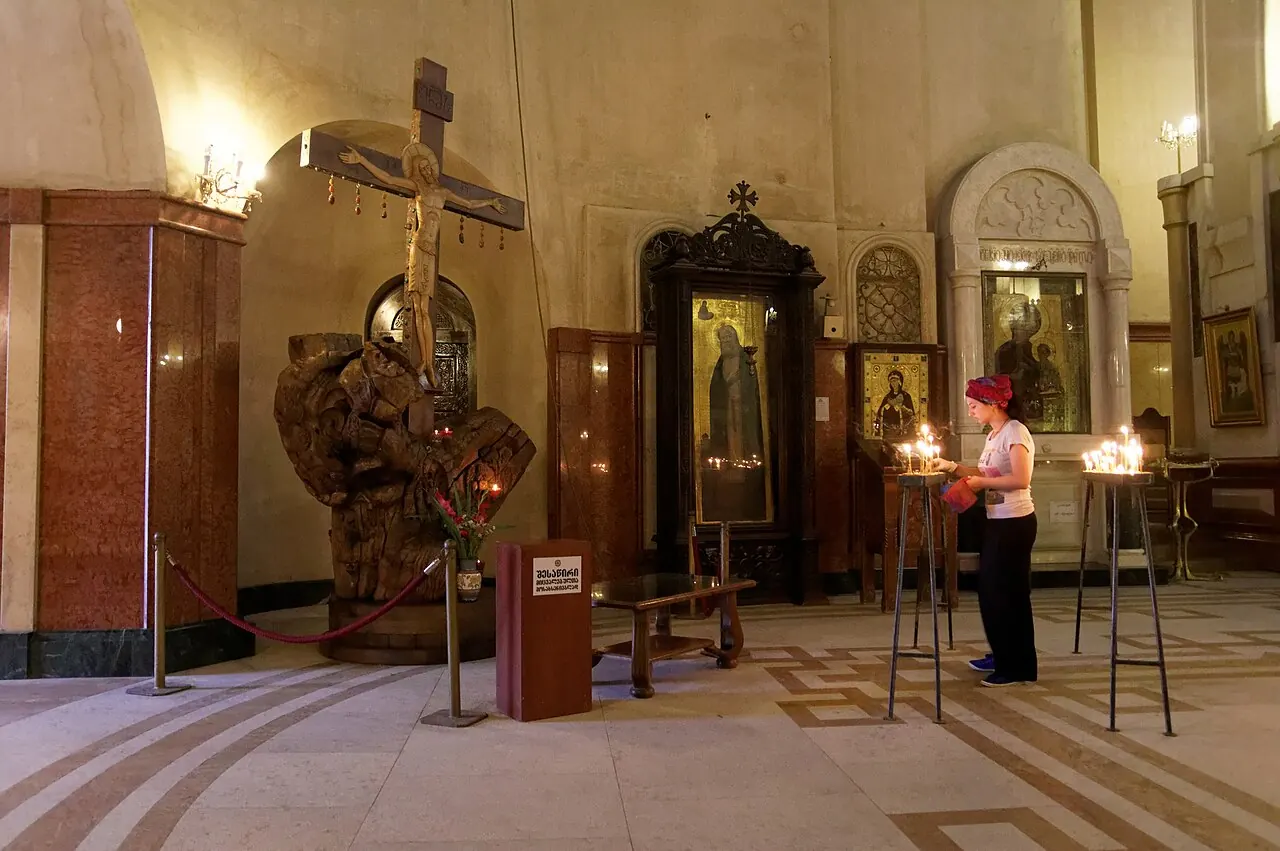
Holy Trinity Cathedral, usually called Sameba, is a different experience from the compact churches beside the river. Its scale and elevated setting invite you to stand back before looking at the details. The cathedral is modern rather than a surviving medieval building, so it makes a useful counterpoint to Metekhi and the older fabric of the centre instead of duplicating those visits.
Approach this as a religious site first and a sightseeing stop second. Dress modestly, follow instructions about photography and allow services to determine where you can stand. The grounds and the interior need not be rushed into a single quick stop. Add it to an Avlabari outing, but leave enough time for the uphill approach and use transport if the climb would use up the energy you need for the visit.
Plan it well: Carry a layer suitable for entering a church and keep conversations low during services.
Georgia Travel: Holy Trinity CathedralCross the river on the Bridge of Peace
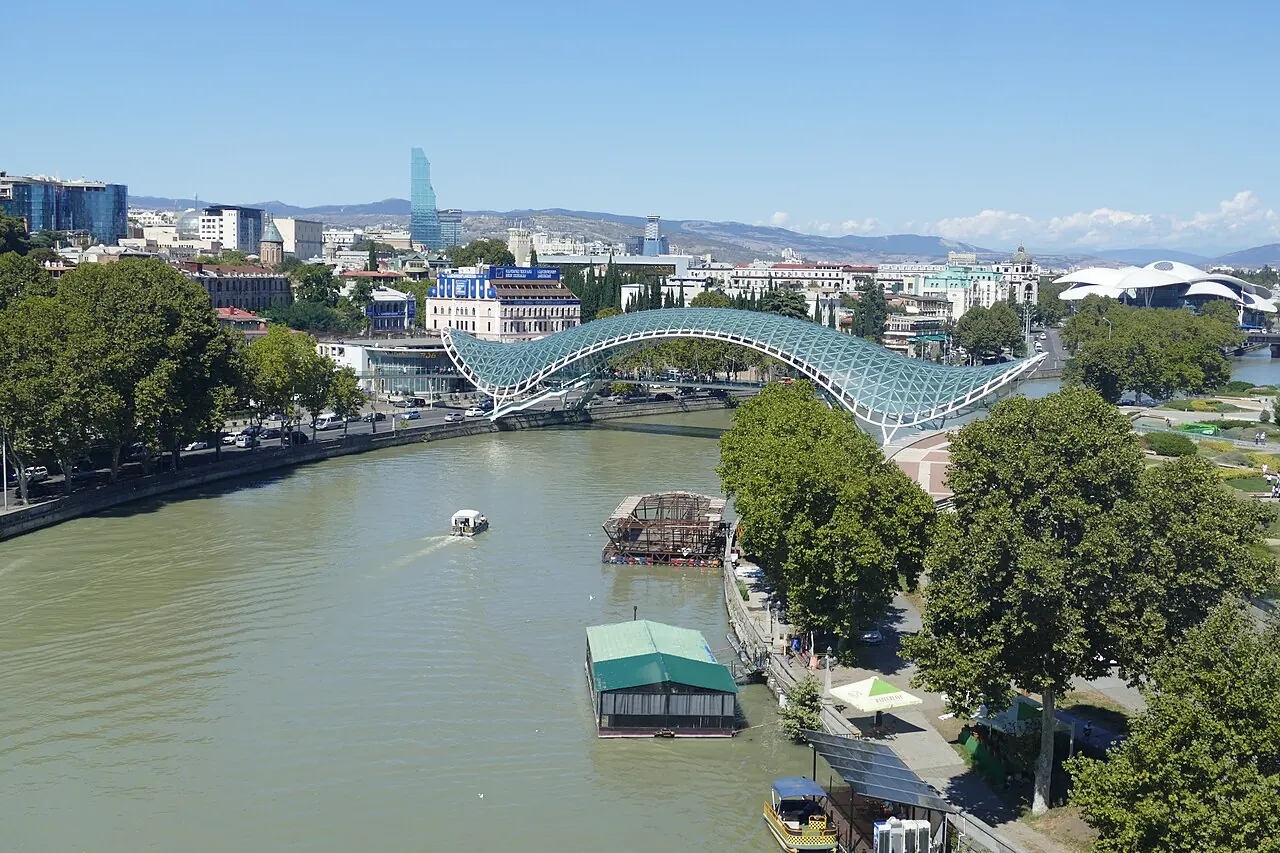
The Bridge of Peace makes the contrast between old and new Tbilisi tangible. Its glass canopy sits between the streets of the historic centre and the open spaces of Rike Park, giving you a different perspective on the river from the older road bridges. Cross slowly enough to notice the skyline in both directions, then continue to one bank rather than repeatedly retracing the same route.
This is a useful connector, not a reason to pack several distant attractions into an hour. It fits naturally between an old-town walk and a stop in Rike, while Metekhi is another river crossing away. In busy periods, pause where you are not obstructing other pedestrians. An evening return gives a different impression, but choose it because you want another walk, not because a particular lighting display is guaranteed.
Plan it well: Use the crossing to link the old centre with Rike, and keep the walking line clear when taking photographs.
Georgia Travel: Bridge of PeaceChoose a story at the Museum of Georgia
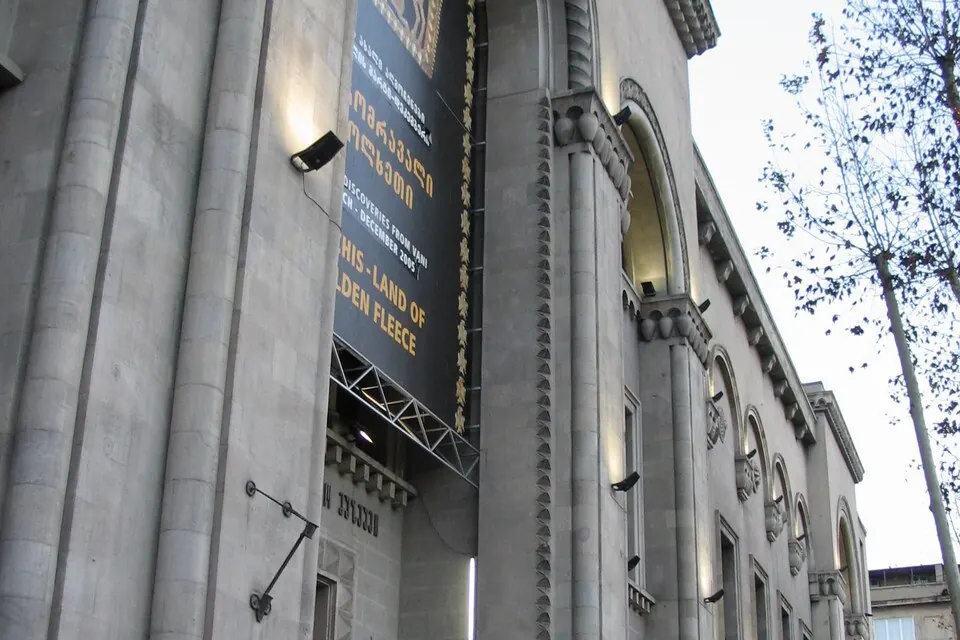
The Simon Janashia Museum of Georgia is the place to add depth to a trip otherwise dominated by buildings and views. Archaeological material connects the capital with a much wider country, while different collections ask different questions about its history. Pick a theme that interests you, such as material culture or the evidence left by early settlements, and spend time comparing objects rather than moving past every case.
Confirm which exhibitions are currently available before planning around a specific room. The Georgian National Museum is an umbrella organisation with several sites; a mention of that name on a tour does not necessarily mean admission to this building. Put the museum near the beginning of a Rustaveli day, when you have the concentration for labels, and leave the outdoor part of the afternoon adjustable.
Plan it well: Use the named Simon Janashia site when checking admission, rather than assuming all national-museum buildings share a ticket.
Georgian National Museum: admissionTake a slower outing to Mtatsminda Park
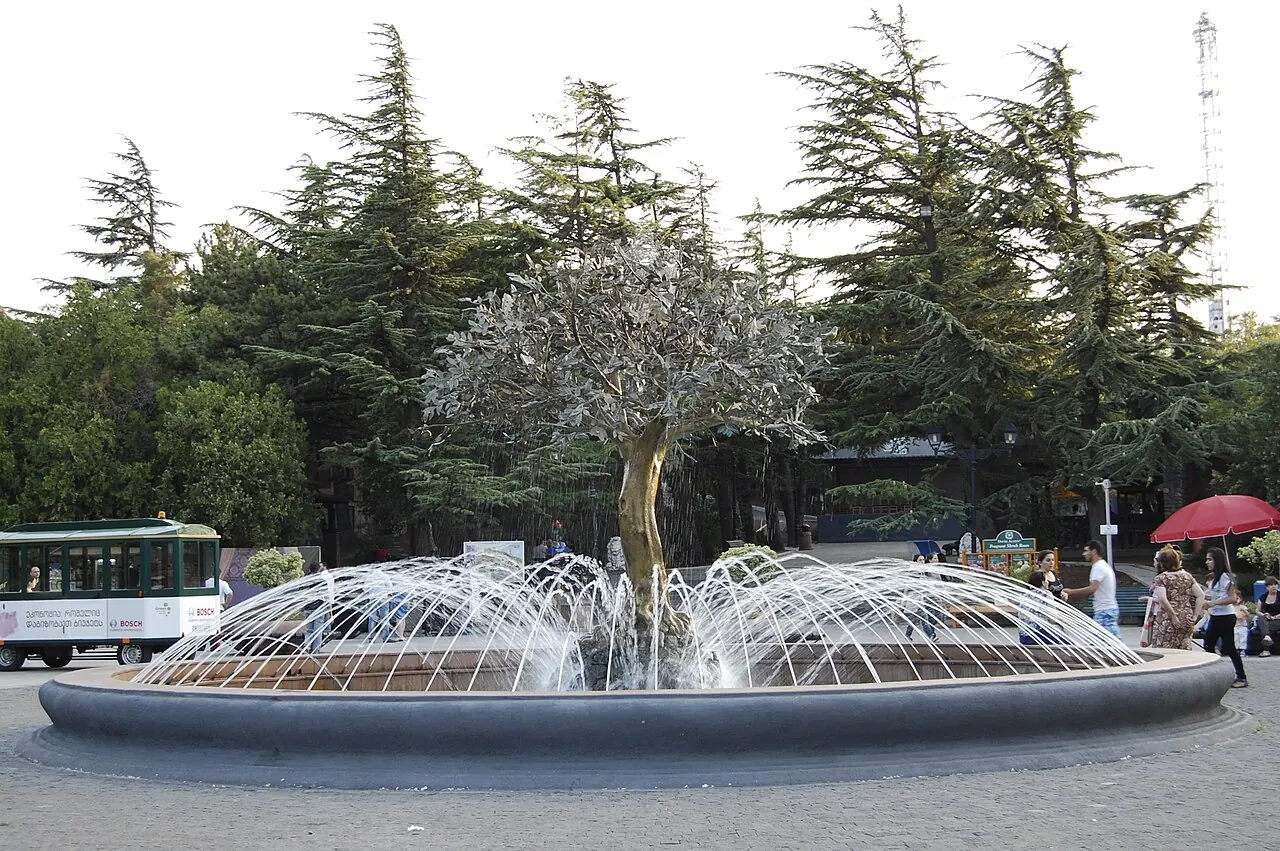
Mtatsminda Park combines the pleasure of being above the city with a more playful family outing. The hilltop has a different rhythm from the crowded lanes of the old centre: there is room to walk, look outward and decide whether rides or a meal belong in the day. It is a good choice when travelling companions need a break from museums and religious architecture.
Treat the journey up, the park itself and individual rides as separate decisions. The funicular is a familiar approach, but check its current operation and payment arrangements before leaving your hotel. Weather matters at this height, particularly if you want views or are travelling with children. Do not promise a fixed number of rides; leave space for queues, closures and a comfortable return before everyone becomes tired.
Plan it well: Bring an extra layer for the hilltop and verify the return transport before lingering late.
Georgia Travel: MtatsmindaWalk into the valley of the Botanical Garden
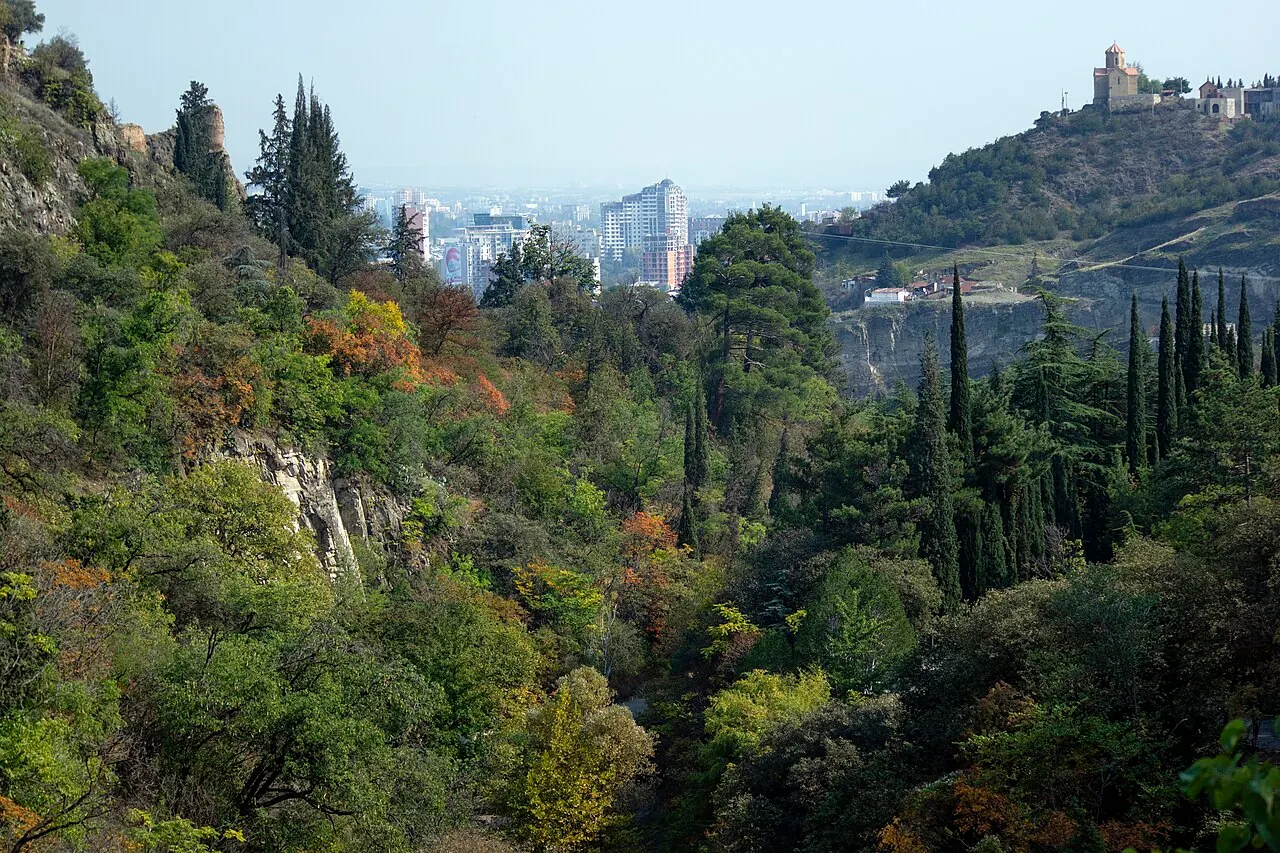
The National Botanical Garden occupies a valley behind the fortified ridge, offering a surprisingly different setting from the streets only a short distance away. Come for a sustained walk among collections and changing terrain rather than expecting a tiny ornamental square. A garden stop gives the old-town day breathing room, especially if you have spent the morning around the baths and busy riverside approaches.
Use the official map to choose a manageable circuit from the entrance you actually use. Waterfalls, bridges and themed collections are spread around the grounds; a route drawn as a simple line can still involve slopes. Ask about current access and seasonal conditions instead of assuming every mapped feature is available. Carry water and leave enough time to reach the exit comfortably without relying on a shortcut through the ridge.
Plan it well: Select a short circuit first; the garden map is more useful than trying to cover the entire site.
National Botanical Garden: visitor mapLook across Old Tbilisi from Metekhi
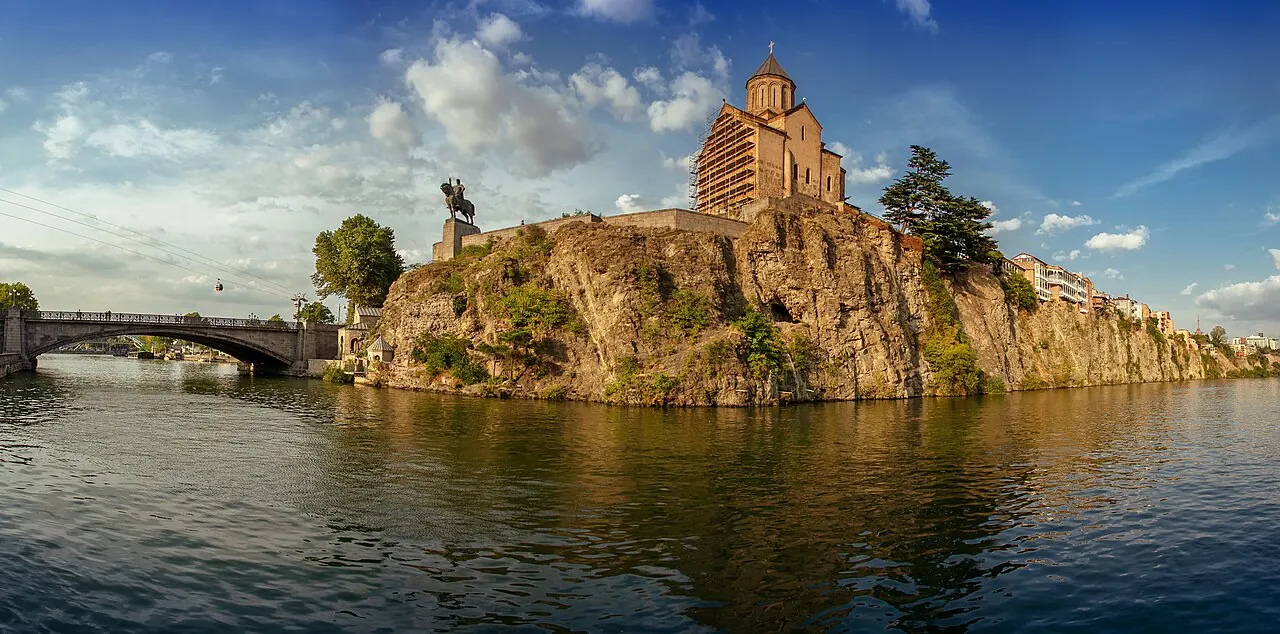
Metekhi Church sits on the rocky riverbank opposite the old centre, beside the equestrian monument to Vakhtang Gorgasali. The setting is the main reason to pause here: river, cliff and clustered buildings explain the city more clearly than a sequence of isolated landmark photographs. Look back toward the bath district and the fortress, then notice how the church occupies its own raised ground.
Keep a visit respectful and brief enough to fit around any worship taking place, but do not reduce the surrounding terrace to a hurried selfie stop. The approach includes a climb, and the road crossing below needs attention. Combine Metekhi with Avlabari or the Bridge of Peace as part of one riverside outing. If the interior is unavailable, the public exterior view still makes this a meaningful stop.
Plan it well: Follow the church instructions on dress and photography, and use designated crossings near the bridge.
Georgia Travel: Metekhi ChurchMeet the skyline at Mother of Georgia
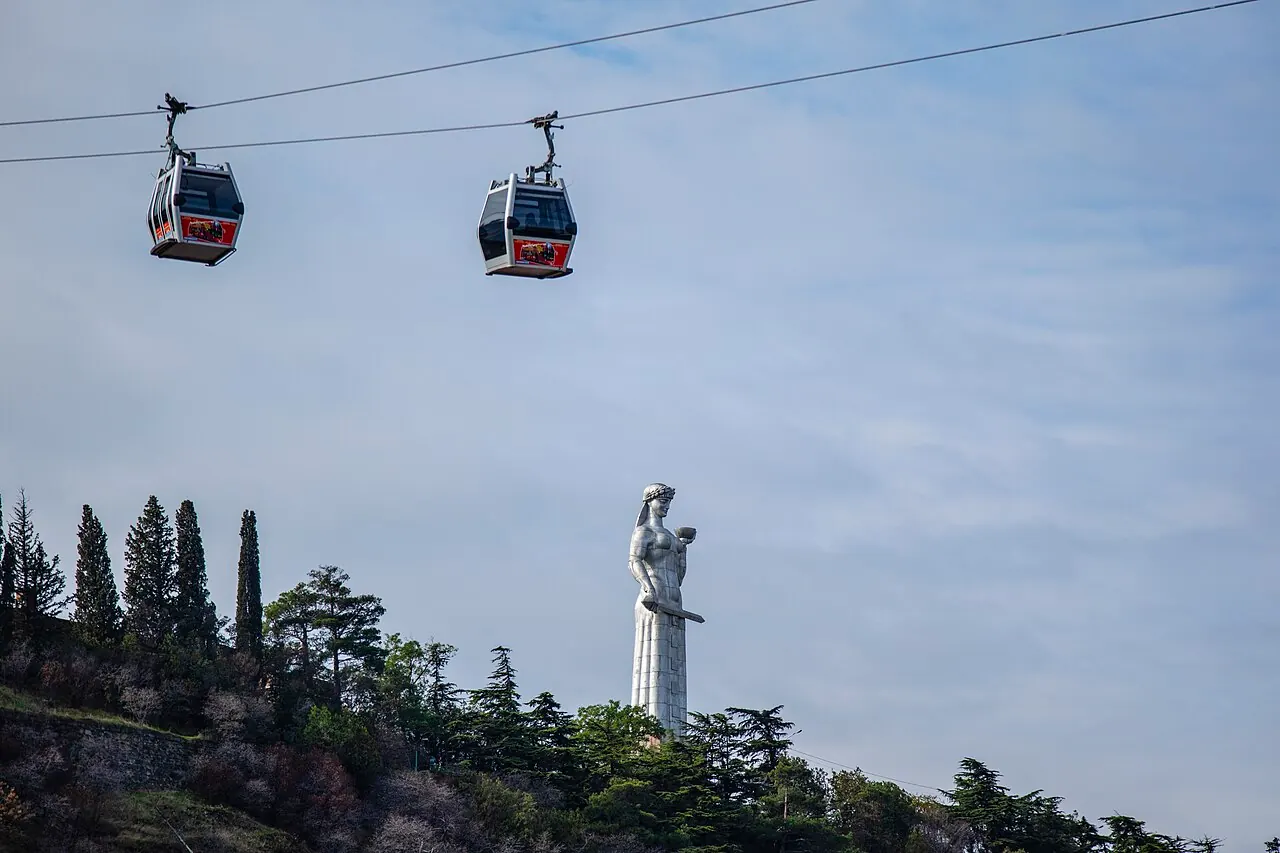
Kartlis Deda, the Mother of Georgia, turns a familiar skyline silhouette into a more legible symbol when you see the statue nearby. The cup and sword give the monument a language of hospitality and defence, while its position above Sololaki makes it part of the city landscape rather than an isolated sculpture. It is worth distinguishing this stop from the fortress itself, even when you visit both on the same outing.
Plan your approach and return together. Riding uphill does not remove the need to walk on the ridge, and walking down is not automatically the comfortable option for knees or tired children. Take the view from public paths, give other visitors room around the monument and remain outside any closed areas. If you already have a hilltop visit planned, combine the two rather than making an additional ascent solely for this statue.
Plan it well: Confirm where your uphill transport arrives and choose the descent before setting off.
Georgia Travel: Kartlis DedaPause at the smaller Anchiskhati Basilica
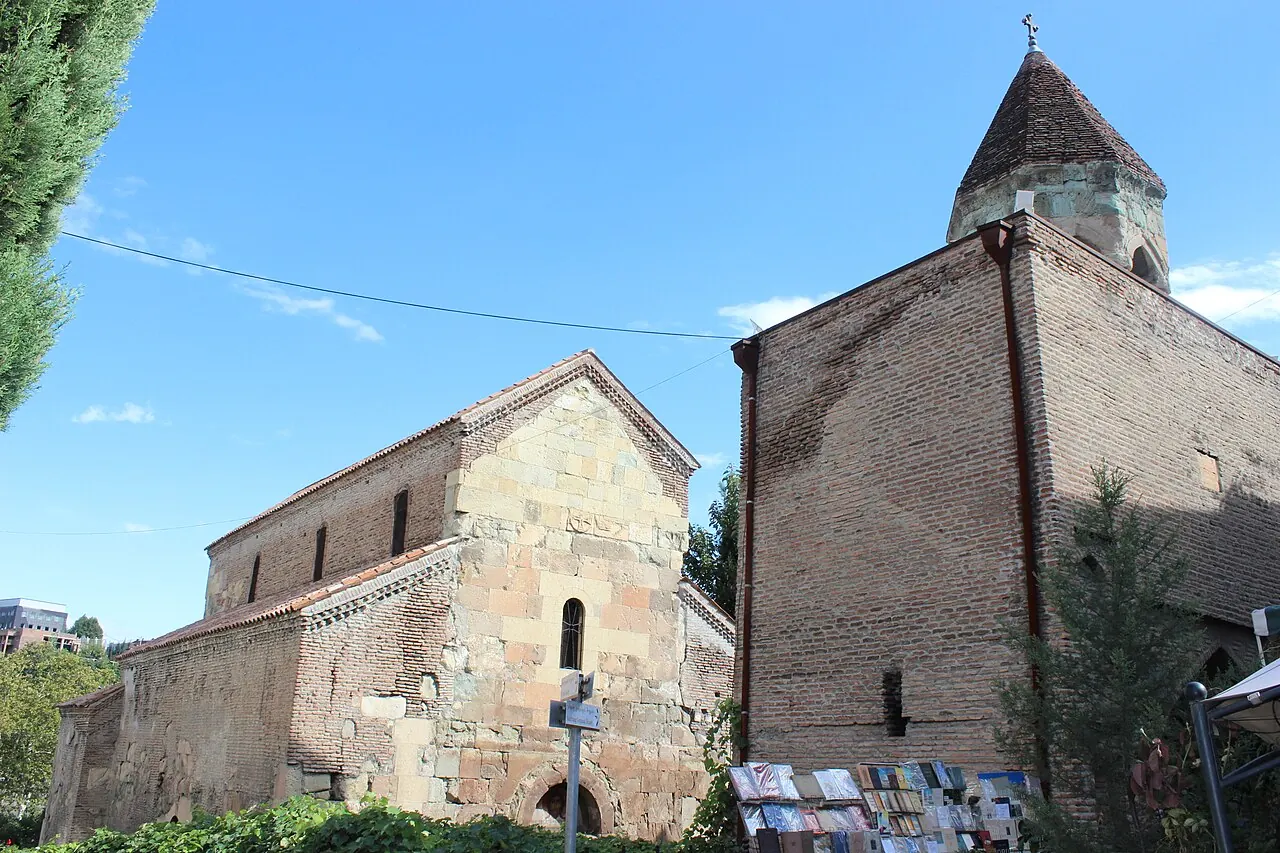
Anchiskhati provides a quieter architectural contrast to Sameba. This basilica belongs to the older layers of Tbilisi, and its relatively modest size makes the surrounding streets feel close rather than ceremonial. Look at the shape of the building before entering, then notice the texture of the walls and the way the church fits among neighbouring structures. You do not need a long visit to appreciate that difference.
Build the stop into an old-centre walk rather than travelling across the city just to tick off another church. The site is active, so services and local instructions determine visitor behaviour. If there is singing or worship, stay unobtrusive and do not assume you may record it. Nearby Shavteli Street can be busy with sightseeing groups; stepping aside and slowing down keeps the experience considerate for residents and other visitors.
Plan it well: Check whether worship is taking place before entering, and ask before photographing or recording inside.
Georgia Travel: Anchiskhati BasilicaHow to spend two days in Tbilisi
Day one: the river and the old centre
Begin at Metekhi, cross toward Abanotubani and leave time for a bath if you have arranged one. Choose either the Botanical Garden or the Sololaki ridge, checking Narikala access first. Finish with the Bridge of Peace and Rike rather than adding another distant stop. Anchiskhati fits into the old-centre walk if no service interrupts access.
Day two: history and a wider view
Visit the Simon Janashia Museum, then choose Sameba or Mtatsminda Park as the main afternoon outing. Leave enough room for the hillside journey and a meal. Use a second central walk to pick up any church or garden you skipped, rather than squeezing every stop into the weekend.
Before you go
Separate climbs from crossings
Allow extra time for the ridge, Metekhi and Sameba. Short distances on a map can conceal steep approaches, steps and busy road crossings.
Check current local conditions
Read current official travel advice before departure and avoid demonstrations. Access and transport can change independently of normal venue schedules.
UK FCDO: Georgia travel adviceConfirm each bath and church visit
Bathhouses have individual booking arrangements. Active churches may change visitor access during services; modest dress and staff instructions take priority.
Where to stay in Tbilisi
Old Tbilisi suits a trip centred on the river and baths, but check slopes and vehicle access to the exact entrance. The Freedom Square and Rustaveli area works for museums and transport. Avlabari can suit Sameba and the eastern riverbank; compare the actual walk to your first stop instead of relying on the district name.
Explore Tbilisi hotels