
Hong Kong city guide
Where to stay in Hong Kong
Compare Hong Kong Island, Kowloon and an airport-linked Lantau base: heritage in Central and Sheung Wan, the Tsim Sha Tsui harbor, markets, dining and Tung Chung.
Plan your visit
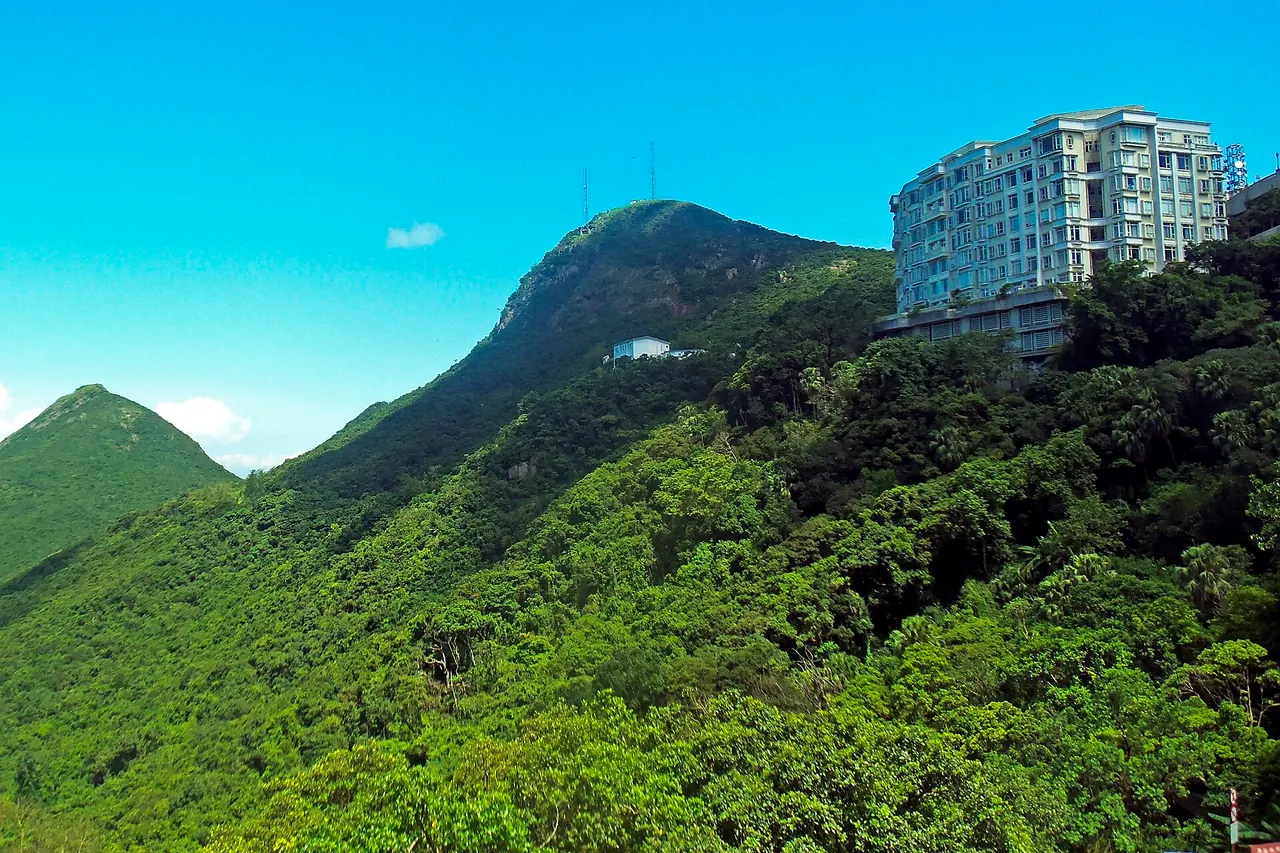
Choosing between Hong Kong Island and Kowloon changes more than the view from the room. Central's heritage streets, Tsim Sha Tsui's waterfront and Mong Kok's markets create different evening routines, even when rail connects them. Within each choice, the hotel can sit on a hill, beside a different station entrance or well away from the pier its listing mentions. Tung Chung belongs in the comparison for an airport or Lantau-led trip, not as another downtown quarter. Match the base to your daily destinations, then plan the real airport-to-hotel last leg.
Choose your base
Central favors Island heritage and core business access; Sheung Wan offers a different western heritage-and-market catchment. Tsim Sha Tsui is the harbor-front Kowloon choice, while Jordan/Yau Ma Tei favors food and old commercial streets. Wan Chai combines heritage with a separate convention-side catchment; Causeway Bay/Tin Hau favors shopping and Victoria Park. Mong Kok puts markets first. Choose Tung Chung for the airport and Lantau, rather than a downtown-heavy itinerary.
Central: Island heritage and the business core
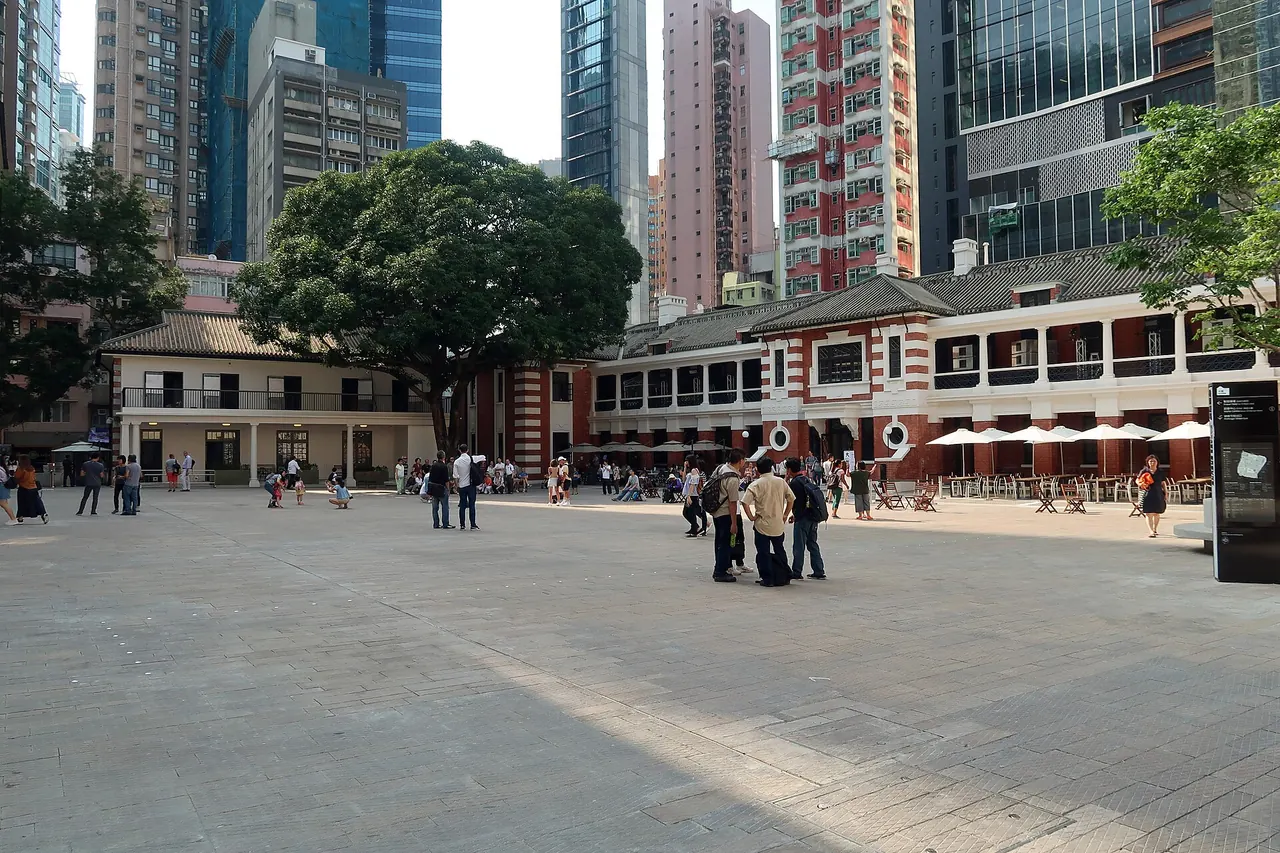
Central suits a first visit focused on Hong Kong Island or a stay with business in the core. Tai Kwun, PMQ and the heritage lanes give the upper streets a different character from the waterfront office district. The official Old Town Central material and walking routes identify real market and dining geography around Graham and Gage streets, rather than simply labeling the whole area cosmopolitan. Choose whether the hotel should favor the harbor-side connections or the uphill heritage streets you expect to use each evening.
Central station has Island and Tsuen Wan lines; connected Hong Kong station serves Tung Chung and Airport Express. Their platforms and entrances are not identical, and the Star Ferry pier is another waterfront walk. Airport Express can bring you to Hong Kong station, but a hotel farther uphill still needs its own final approach. Sheung Wan is a different western catchment for heritage browsing; Tsim Sha Tsui is more natural when the Kowloon harbor and its evening promenade are the focus. Central's usefulness depends on those daily destinations, not a promise that everything is beside the hotel.
Plan it well: The map and photograph identify Tai Kwun in heritage-side Central, not an Airport Express entrance or the whole business district.
Hong Kong Tourism Board: neighborhood informationSheung Wan: heritage lanes and market browsing
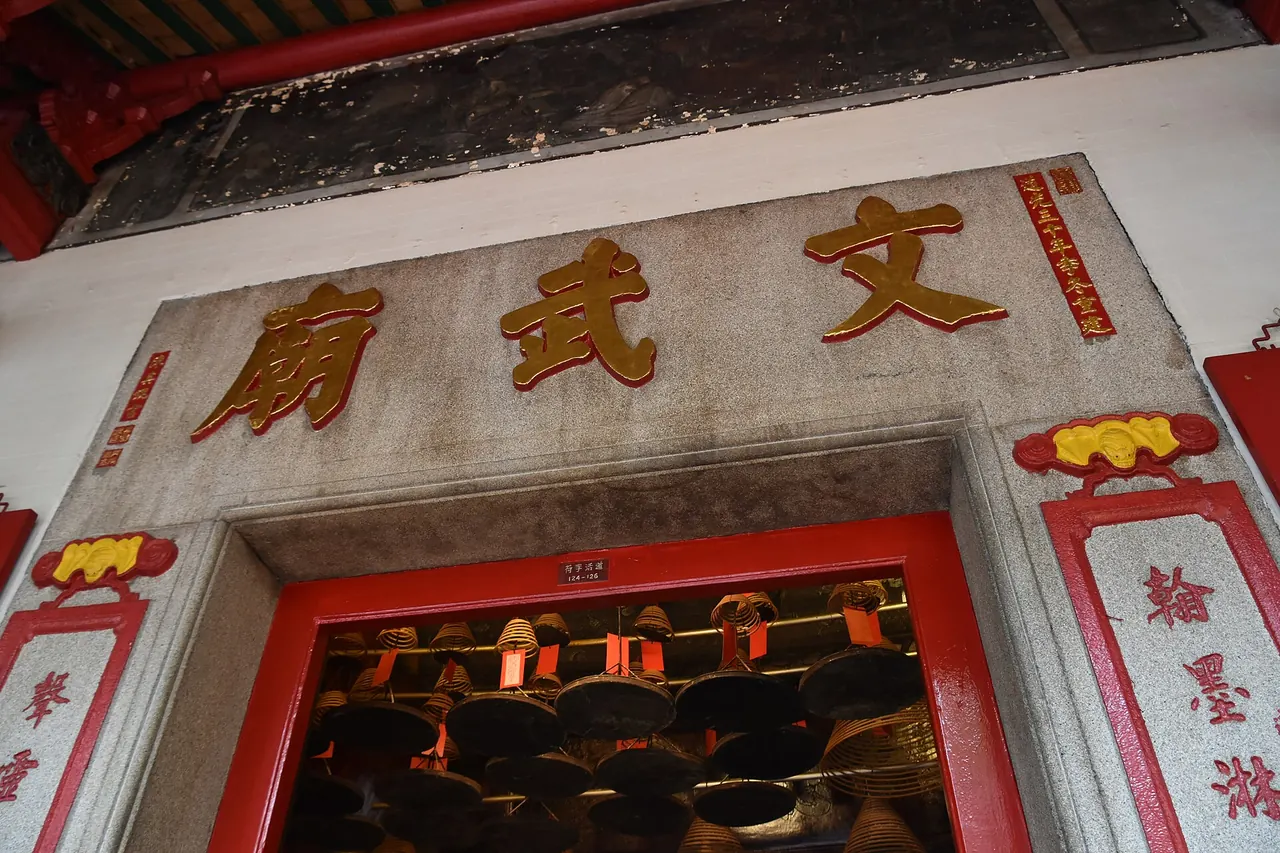
Sheung Wan is a useful Island base for travelers who want heritage lanes, shops and street-market browsing west of the main Central core. Man Mo Temple on Hollywood Road provides a clear landmark, while the official Central-Sheung Wan walking route links named commercial streets and markets. That setting gives a stay a specific purpose beyond simply being near Central. Waterfront-side addresses and the upper heritage streets still create different walks to meals, shops and the station.
Sheung Wan is on the Island line. An airport approach via Hong Kong Airport Express station and the Central connection is possible, but there is no Airport Express stop in Sheung Wan itself. The hill-side last leg can matter with luggage. Western Market's current official page carries a renovation closure notice, so do not select the base expecting its indoor shopping to be available. Choose Central for its particular business or waterfront connections, or Jordan/Yau Ma Tei when Kowloon food and market walks matter more than this Island heritage setting.
Plan it well: The pin and image show the Sheung Wan Man Mo Temple. They do not mark other Hong Kong temples or a station entrance.
Hong Kong Tourism Board: neighborhood informationTsim Sha Tsui: harbor walks and a first Kowloon stay
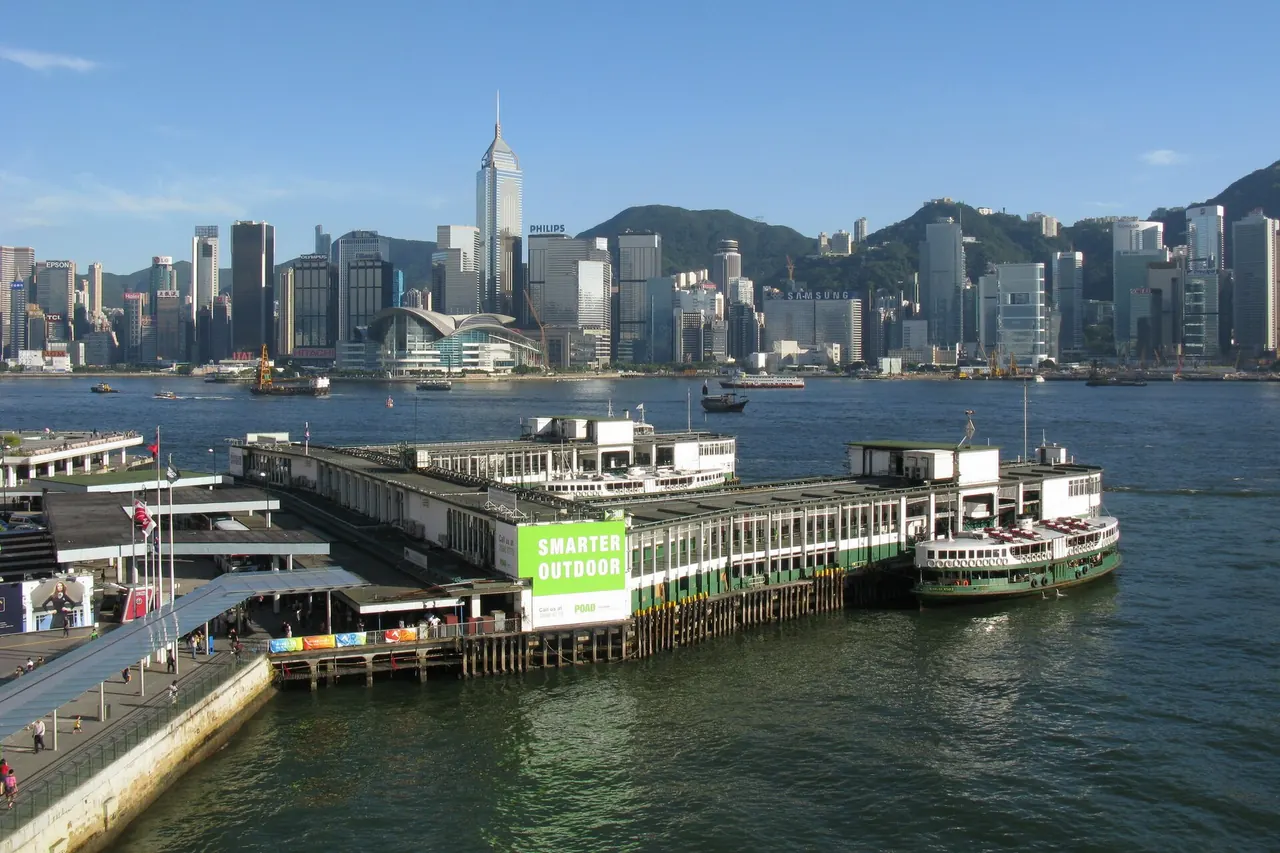
Tsim Sha Tsui is the clearest choice when harbor walks are a daily priority. The promenade, Avenue of Stars, Museum of Art and Star Ferry pier give the waterfront a useful group of real destinations, with shopping and meals inland. Choose the particular side of the area: a harbor-front hotel, a Nathan Road address and an eastern museum-side property do not share one identical walking route. The Museum of History is an eastern outing, and its current exhibitions should be checked separately from a building photograph.
Tsim Sha Tsui station serves the Tsuen Wan line; East Tsim Sha Tsui serves Tuen Ma. They are connected, but passages and the final hotel walk remain part of the journey. Star Ferry offers separate Central and Wan Chai routes from the waterfront. Airport Express arrives at Kowloon station, not Tsim Sha Tsui, so allow for a checked onward connection. Choose Jordan/Yau Ma Tei for a different market-street setting, or Central when Island heritage and business are the daily destination rather than the Kowloon shore.
Plan it well: The photograph and pin show Tsim Sha Tsui ferry pier. Airport Express Kowloon station is a different location.
Hong Kong Tourism Board: neighborhood informationJordan / Yau Ma Tei: food and old commercial streets
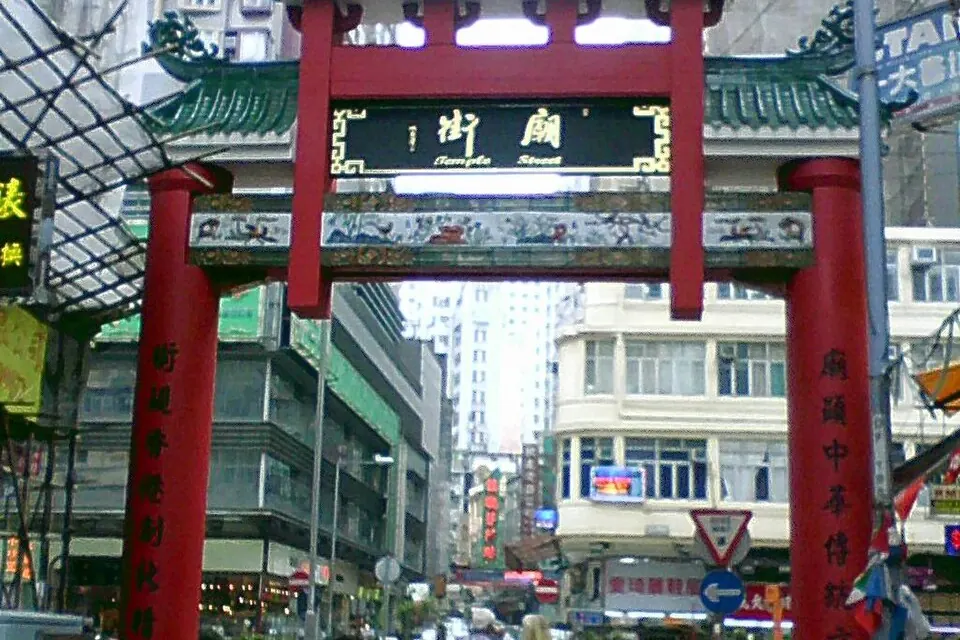
Jordan and Yau Ma Tei suit a Kowloon stay built around food, markets and older commercial streets rather than a harbor-front room. Temple Street provides a specific evening food and market setting, while Yau Ma Tei Theatre and nearby heritage streets add another layer to the neighborhood. Choose a hotel relative to those streets and your preferred station. The broader official West Kowloon coverage is useful context, but it should not blur this street-based catchment with the cultural district's waterfront museums.
Jordan is on the Tsuen Wan line; Yau Ma Tei has Tsuen Wan and Kwun Tong connections. Airport Express Kowloon station sits elsewhere, so a Nathan Road hotel still needs a final rail or surface journey. The trade-off is the lodging environment and the actual route to the places you plan to visit: market streets are a different choice from a harbor-front promenade or museum-campus setting. Choose Tsim Sha Tsui for repeated waterfront evenings, or Mong Kok when its shopping markets are the main reason for staying in Kowloon.
Plan it well: The image and pin show Temple Street, not the separate West Kowloon museum waterfront or Airport Express station.
Hong Kong Tourism Board: neighborhood informationWan Chai: heritage, dining and convention-side choices
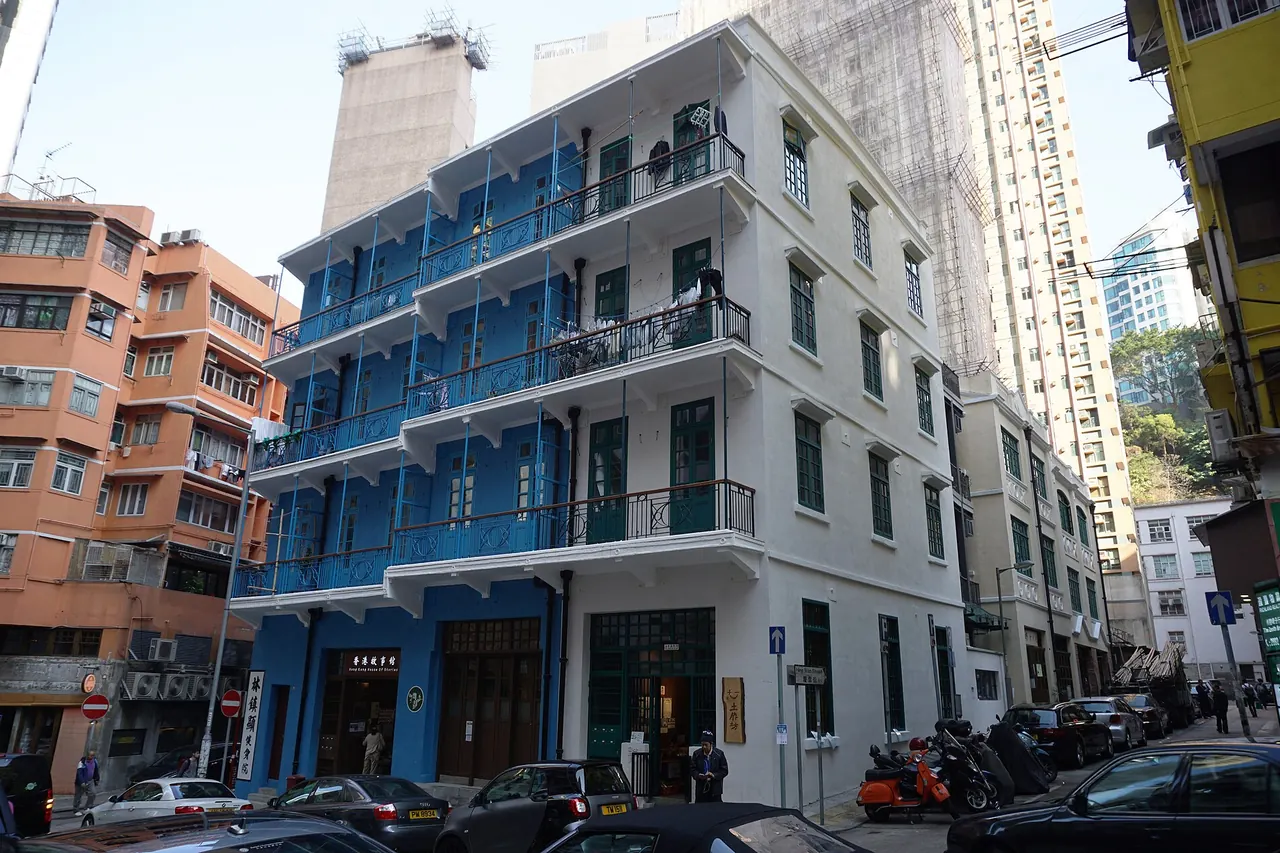
Wan Chai is useful for travelers who want Island dining and heritage walks, or who have a specific convention-side reason to stay. Blue House, Pak Tai Temple and the older southern streets offer one recognizable catchment, supported by the tourism board's neighborhood and food routes. The waterfront and convention area provide a different accommodation setting. Choose which one matters rather than assume a room sold as Wan Chai is equally close to every heritage lane, restaurant and event entrance.
Wan Chai station is on the Island line; Exhibition Centre station on East Rail serves the waterfront side. The ferry pier is another separate point. Airport Express to Hong Kong station followed by the Central/Island line connection is one possible approach, with the last leg determined by the address. A convention-focused hotel can be less convenient for spontaneous southern-street walks, and a heritage-side address can leave an additional event journey. Choose Central for its core business/heritage catchment or Causeway Bay for shopping and park access, rather than expect those settings from every Wan Chai building.
Plan it well: The photograph shows Blue House in southern Wan Chai. The neighborhood pin is separate from Exhibition Centre station and the ferry pier.
Hong Kong Tourism Board: neighborhood informationCauseway Bay / Tin Hau: shopping and Victoria Park
Causeway Bay and the Tin Hau side of Victoria Park suit a shopping-led visit or a stay that gives park access and restaurant evenings a substantial role. The official Causeway Bay guide identifies a specific retail and cafe setting; the park supplies an outdoor counterpoint to those busy streets. Decide which side of the park your hotel should favor. A Tin Hau-side room and one beside the main Causeway Bay retail streets do not provide the same immediate walk, even if both are described under a broad district name.
Causeway Bay and Tin Hau stations are on the Island line. Match the actual hotel with the useful entrance, then check an airport approach through Hong Kong station and Central or a current airport-bus itinerary. Neither guarantees a hotel-door arrival. This eastern Island base requires onward travel for Central heritage walks and Kowloon markets. Choose Sheung Wan when those western heritage streets are the priority, or Mong Kok for a market-heavy Kowloon trip. The shopping and park setting should be the reason for selecting this base, not an assumption of universal downtown convenience.
Plan it well: The pin identifies Causeway Bay, not a Tin Hau hotel or a Victoria Park entrance.
Hong Kong Tourism Board: neighborhood informationMong Kok: markets and street-level Kowloon
Mong Kok is a convincing choice when market browsing and Kowloon shopping occupy much of the stay. Ladies' Market and surrounding streets provide clear destinations, with local eateries documented by the tourism board rather than inferred from a generic neighborhood label. The board also lists actual dining examples such as Ladies' Street Sik Faan Co. Choose a room relative to the retail blocks and station you will use. Different sides of this dense catchment can change the daily approach more than a broad promise of proximity.
Mong Kok has Tsuen Wan and Kwun Tong lines; Mong Kok East is a separate East Rail station with its own walking catchment. Airport Express does not stop at either. Check the onward rail or road route from Tsing Yi or Kowloon, or a current bus itinerary for the address. The trade-off is distance from the harbor-front evening routine and Island-first plans. Choose Tsim Sha Tsui for the promenade, or Central/Sheung Wan for heritage on the Island. Mong Kok works best when its own market and dining streets are destinations, not merely a label used to seek cheaper rooms.
Plan it well: The map marks Mong Kok. Compare your hotel with Mong Kok or the separate Mong Kok East station before choosing an arrival route.
Hong Kong Tourism Board: neighborhood informationTung Chung: airport-linked nights and Lantau plans
Tung Chung is a genuine alternative when arrival or departure and a Lantau-focused program shape the stay. Citygate supplies shopping and dining near the station, while the Ngong Ping cable-car terminal offers an onward connection for a different day's destination. The Big Buddha and Po Lin are in Ngong Ping, not within Tung Chung's hotel streets. Choose a property relative to the actual town, terminal and meals you expect to use rather than assume every airport-side hotel has the same local setting.
Tung Chung station is on the Tung Chung line, not Airport Express. Current operator route information identifies S1 between the station and the airport Passenger Terminal 1/AsiaWorld-Expo, but terminal stops and operating hours need checking. Cable-car weather and maintenance are a separate consideration. The clear trade-off is repeated downtown travel: this is less natural for daily Central, Tsim Sha Tsui and Mong Kok visits. Choose one of those bases for a city-heavy itinerary. Tung Chung earns its place when airport or Lantau geography is a positive part of the plan.
Plan it well: The pin marks Tung Chung town. It is not the Big Buddha, the airport or an Airport Express platform.
Hong Kong Tourism Board: neighborhood informationPlan the real airport-to-hotel connection
Airport Express stops are specific places
Hong Kong, Kowloon and Tsing Yi stations offer different onward connections. The train does not stop at Tsim Sha Tsui, Mong Kok or Tung Chung. Match the arrival station and last leg to the hotel rather than its broad Island/Kowloon label.
MTR: Airport ExpressCheck the correct local station
Use the operator map for Central/Hong Kong, Tsim Sha Tsui/East Tsim Sha Tsui, Wan Chai/Exhibition Centre and Mong Kok/Mong Kok East. Connected stations and nearby piers still involve their own passages and walking routes.
MTR: current system mapUse buses for the actual airport-side destination
For Tung Chung, check S1's current terminal stops and service rather than expect Airport Express to call there. Other hotel areas require their own current bus itinerary.
Citybus: S1 current route searchKeep ferry trips separate from rail transfers
Star Ferry lists Tsim Sha Tsui-Central and Tsim Sha Tsui-Wan Chai services. A ferry pier is not the same location as the named MTR station; check the walk and current departures.
Star Ferry: routes and servicesFind your Hong Kong base
Compare Hong Kong hotels against the waterfront, heritage streets, markets or Lantau plans that will shape your days. Inspect the actual station entrance and hotel approach before choosing between Island, Kowloon and airport-side accommodation.
Explore Hong Kong hotels