
Florence city guide
Where to stay in Florence
Choose between the Duomo's sightseeing core, station-side Santa Maria Novella, San Lorenzo's market streets, Santa Croce and the artisan lanes of Oltrarno.
Plan your visit
Florence's historic centre is compact, but its bases are not identical. Station-side streets make arrivals easier, the Duomo shortens a monument-focused day, and crossing the Arno changes the evening setting as well as the route home. Choose the side of the city that matches your daily plans, then check the building's access: an atmospheric old address can still involve stairs, street noise or a luggage walk.
Choose your base
For a first visit dominated by monuments, choose the Duomo and Piazza della Repubblica area. Santa Maria Novella is the practical arrival-and-day-trip base. San Lorenzo combines the market with Medici sights; Santa Croce suits an eastern-centre stay with lively evenings. Oltrarno around Santo Spirito and Pitti is the strongest choice when workshops, neighbourhood dinners and returning south of the river are part of the attraction.
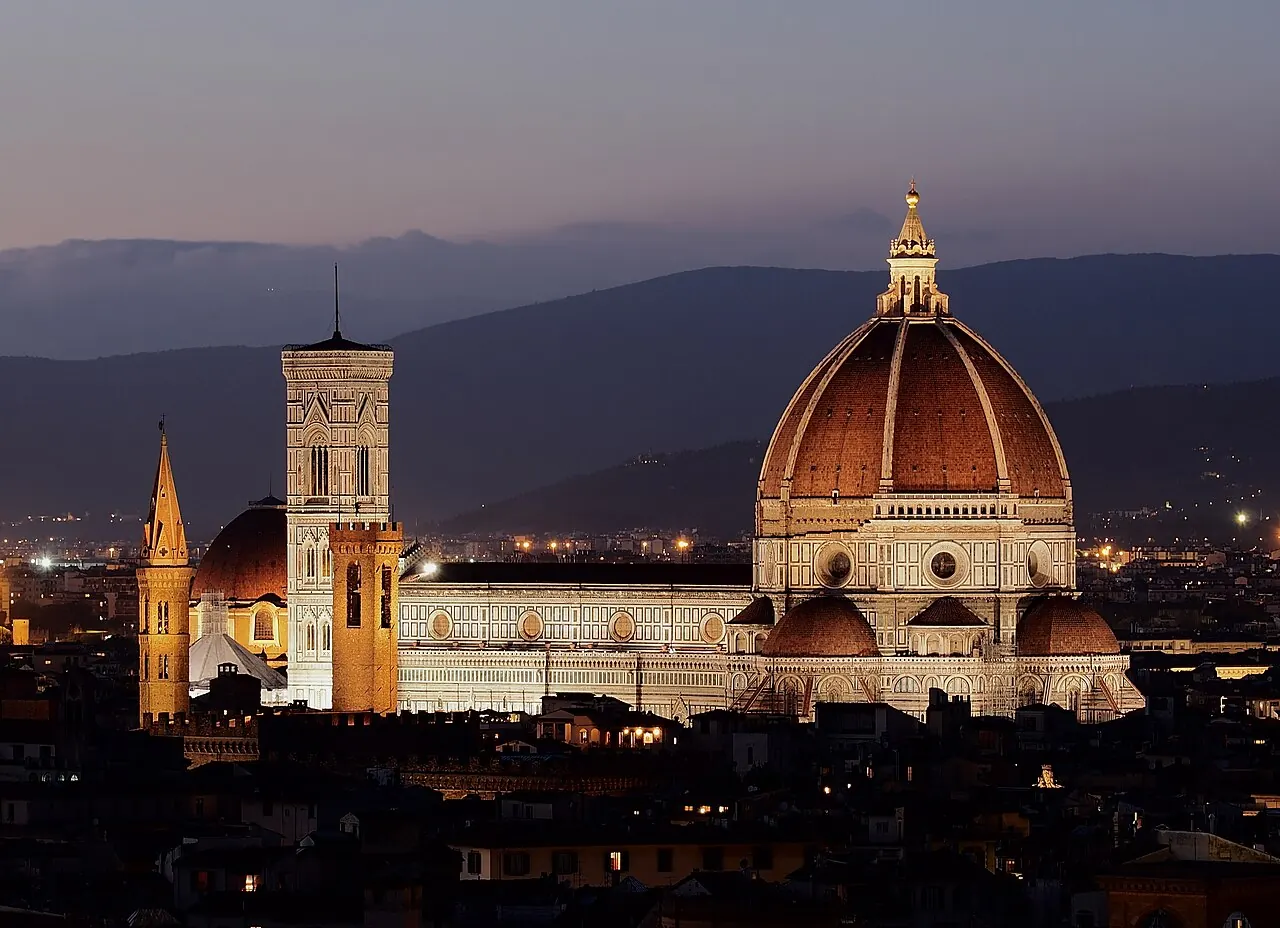
Duomo and Piazza della Repubblica: a short monument-focused visit
Stay around the cathedral and Piazza della Repubblica when you want Florence's best-known streets to be the start of each day. Via dei Calzaiuoli leads towards Piazza della Signoria, Palazzo Vecchio and the Uffizi, while the streets north of the Duomo connect to the Accademia and San Marco. Cafes and restaurants are plentiful, but this is the centre's most visitor-oriented setting. Its real advantage is the ability to return to your room between a timed museum visit and an evening walk, rather than a guarantee of tranquillity.
GEST's T2 connects Peretola airport with the station area and San Marco-Universita. Choose your arrival stop according to the address: neither the tram nor an intercity train delivers you to Piazza del Duomo. Walking is generally the useful way to link these central sights, with Autolinee Toscane for other journeys. The compromise is concentrated foot traffic and potentially audible street activity. If easy luggage handling or repeated train day trips matter more than waking beside the monuments, Santa Maria Novella is a more purposeful base.
Plan it well: The map pin marks Florence Cathedral, not a hotel or the boundaries of the historic centre.
FeelFlorence: in the heart of FlorenceSanta Maria Novella: train day trips and easier arrivals
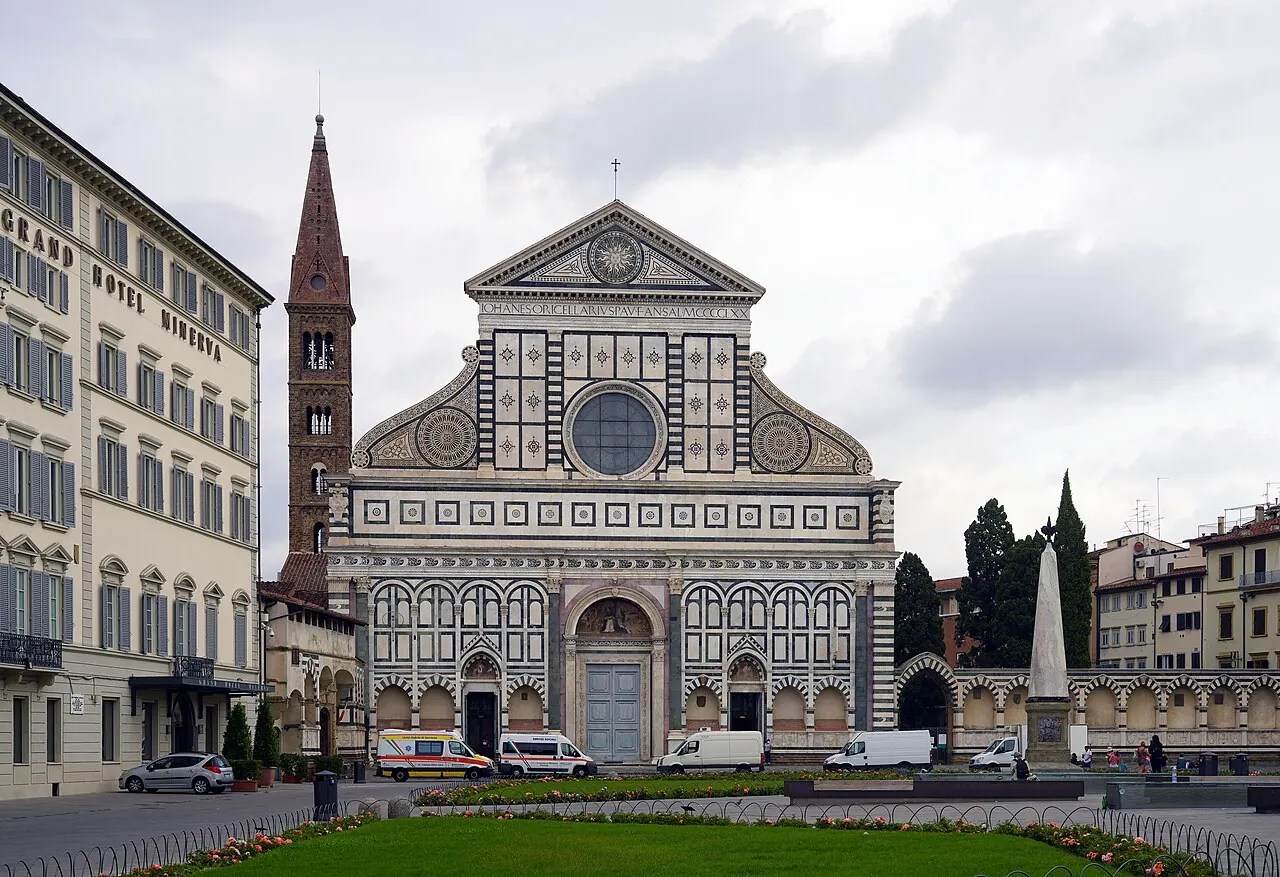
Santa Maria Novella is more than the station's name. The basilica's broad square and Museo Novecento give the southern side a cultural setting, with restaurant streets running towards the centre and Borgo Ognissanti. This base makes sense for travellers arriving by train, taking several rail day trips or wanting a simpler luggage route. Compare the exact street, though: a room facing the station approaches will feel different from one overlooking the square or tucked farther towards the river.
Alamanni-Stazione S.M.N. and Valfonda-Stazione S.M.N. appear on GEST's current T2 route from Peretola, so choose the side of the railway station nearest your accommodation. The station itself serves intercity trains; the basilica photo and pin are a separate landmark south of it. You can continue into the Duomo area on foot without making the station frontage your daily destination. The downside is movement around transport entrances and a less residential atmosphere on some approaches. For an unhurried stay built around workshops and dinners rather than departures, choose Santo Spirito across the Arno.
Plan it well: The photograph and pin identify the basilica, not Santa Maria Novella railway station.
FeelFlorence: Piazza Santa Maria NovellaSan Lorenzo: market meals and Medici landmarks
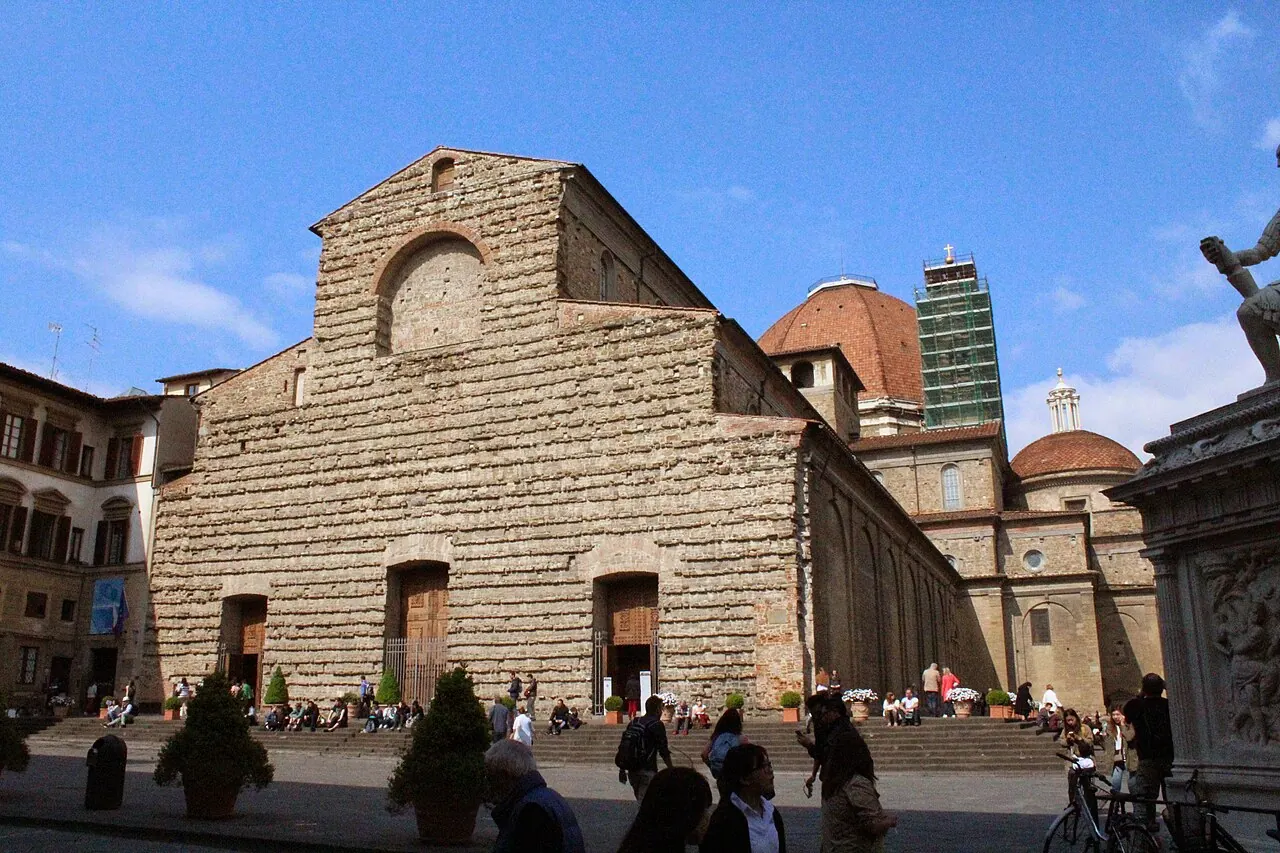
San Lorenzo puts food browsing and Renaissance history into the same daily circuit. Around the basilica, Medici Chapels and Mercato Centrale, you can move from a monument visit to market stalls and then back into the centre without crossing the river. Via dell'Ariento and the market approaches are useful address clues; the basilica side is not identical to every block advertised as near the station. This is a good match for visitors who want the cathedral within reach but prefer to build their mornings around markets and the Medici sites.
Santa Maria Novella is the useful rail gateway on the western side, with GEST's T2 airport stops at Alamanni and Valfonda. San Marco-Universita can also suit an address farther east; calculate the final walk rather than choosing by neighbourhood name alone. Market traffic and deliveries are the trade-off, and the indoor market's food businesses and outdoor stalls need not share opening hours. If you expect a quiet courtyard atmosphere simply because the streets are historic, look more carefully at room orientation. Santa Croce suits an eastern-city itinerary, while Oltrarno offers a different evening setting.
Plan it well: The pin marks the Basilica of San Lorenzo; verify which side of the market your accommodation occupies.
FeelFlorence: Piazza San LorenzoSanta Croce: eastern-centre sights and lively evenings
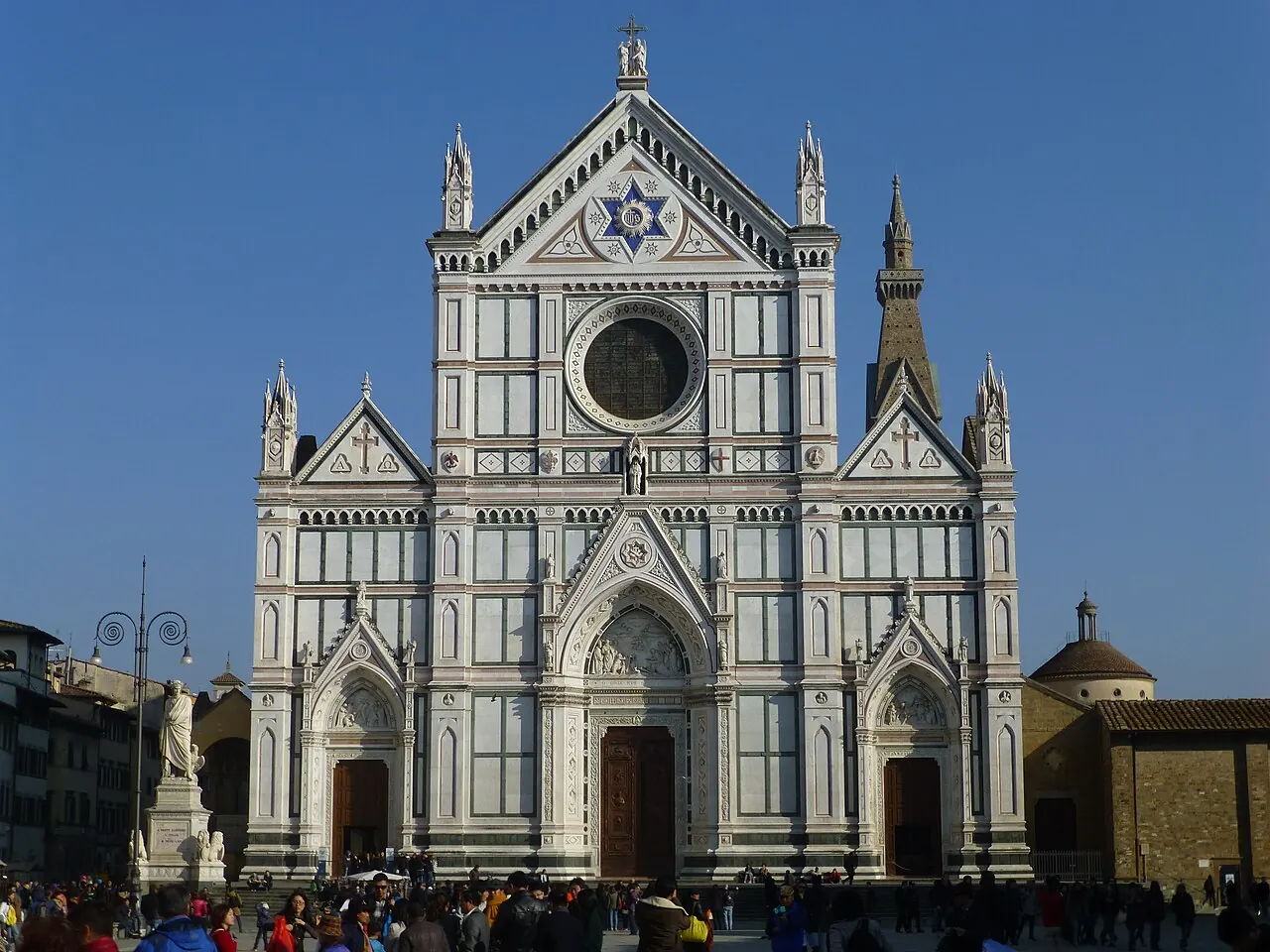
Santa Croce is a useful alternative to the cathedral core if you want the basilica, Casa Buonarroti and Horne Museum woven into your stay. Borgo Santa Croce, Via de' Benci and the nearby streets offer restaurants and bars, while the Arno provides an obvious direction for an evening walk. It suits visitors who want to spend time east of Piazza della Signoria rather than repeatedly passing through the Duomo's busiest approaches. The square itself can host major events; it should not be mistaken for a permanently quiet residential courtyard.
The area has no airport-tram stop beside the basilica. Arrive on GEST's T2 through the station area or San Marco as appropriate, then walk, use a taxi or plan an Autolinee Toscane connection against the actual address. The operator's city map is more useful than assuming a short straight-line distance equals an easy luggage journey. The compromise is evening activity on the restaurant streets and a longer approach to the main railway station. For early trains, Santa Maria Novella is easier to organise; for quieter room priorities, look off the principal evening corridors.
Plan it well: The map pin and photograph show the Basilica of Santa Croce facing the square.
FeelFlorence: Piazza Santa Croce and nearby museumsOltrarno around Santo Spirito and Pitti: artisan streets and neighbourhood dinners
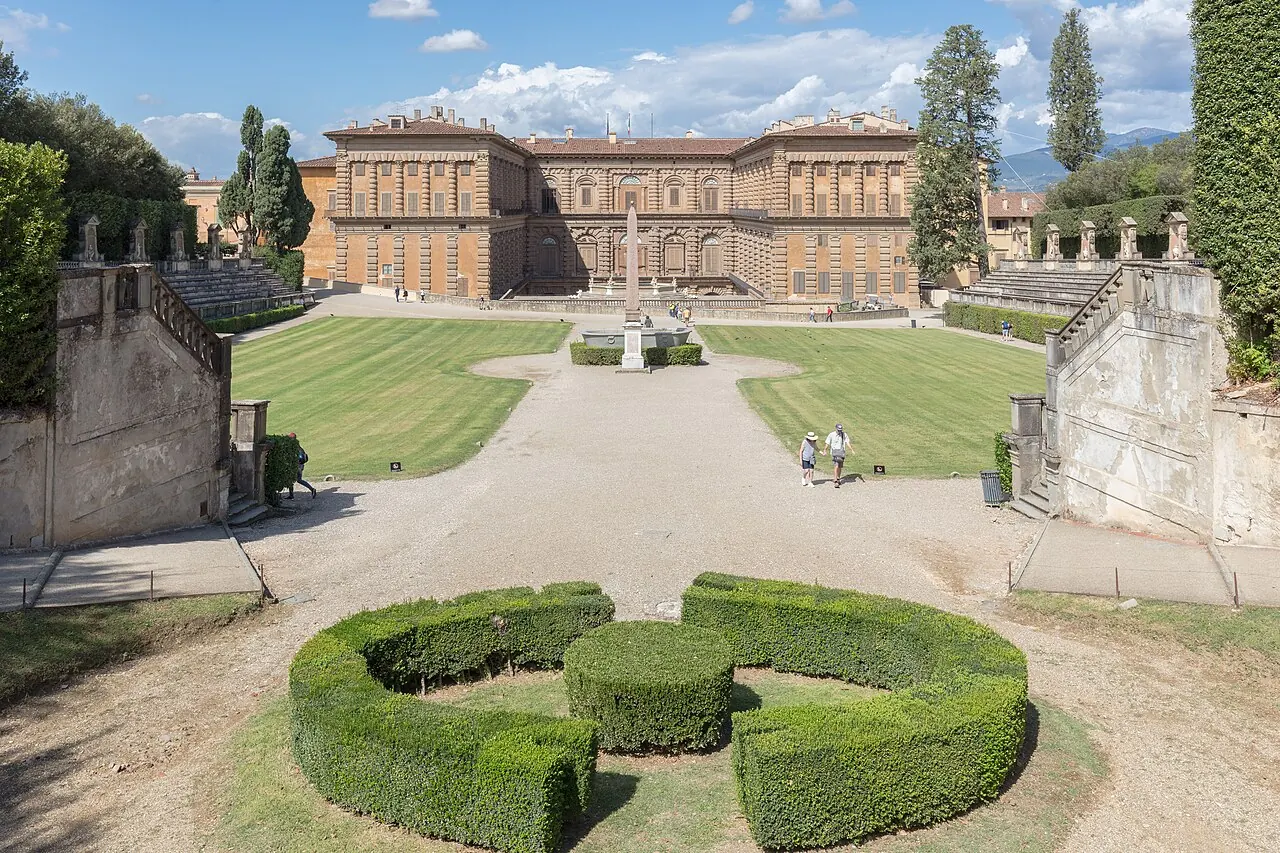
Choose the Santo Spirito and Pitti part of Oltrarno when the south bank is part of the trip's appeal, not merely a place to sleep. Piazza Santo Spirito anchors cafe and restaurant life, Via Maggio has antique shops, and the smaller lanes towards Piazza della Passera and the Carmine lead through workshop streets. Pitti Palace and Boboli Gardens provide the larger cultural outings. Staying here allows you to finish north-bank sightseeing and return to a different evening setting; it does not remove tourists or nightlife from the neighbourhood.
GEST's T2 airport route remains north of the Arno, so the last leg involves a river crossing, a taxi or an onward bus. Autolinee Toscane's C4 lists Santo Spirito and Pitti among its stops, but direction and current service matter when choosing a connection. The Boboli pin names the garden rather than every south-bank street. The downside is extra handling for station departures and uneven convenience across a large Oltrarno label. Check whether your address is near Pitti and Santo Spirito or farther uphill. Santa Maria Novella is the better base for frequent trains and bulky luggage.
Plan it well: The photo and pin identify Boboli Gardens behind Pitti; garden admission is separate from access to neighbourhood streets.
FeelFlorence: Oltrarno between Pitti, Santo Spirito and Porta RomanaPlan the arrival, not just the neighbourhood
Peretola airport and the T2 tram
GEST's airport service links Peretola with San Marco-Universita and the station-area stops. Check the current timetable and luggage rules before travelling; old instructions treating Unita as the permanent terminus do not describe the present route.
GEST: airport serviceChoose the correct station-side stop
GEST's published T2 stop sequence includes Alamanni-Stazione S.M.N. and Valfonda-Stazione S.M.N. Pick the side that minimises your final luggage walk; the railway station and basilica are different destinations.
GEST: T2 stop sequence and first/last servicesUse the bus map for the last leg
Autolinee Toscane publishes Florence's urban network map. Check it for Santa Croce and south-bank approaches, then confirm the relevant direction and live notices rather than assuming the airport tram crosses the Arno.
Autolinee Toscane: city network mapsSanto Spirito and Pitti have a named bus connection
The operator's C4 route page lists Santo Spirito and Pitti stops. It is a local connection, not a through airport service; compare the actual hotel entrance with the stop on the correct side of the route.
Autolinee Toscane: Florence C4Compare Florence hotels by street and arrival route
Browse Florence hotels on Roomundo once you have chosen the daily setting you prefer. Check stairs or lift access in historic buildings, room orientation around lively squares and the final route from your tram or train. A central address and an easy luggage arrival are separate advantages.
Explore Florence hotels