
Amsterdam city guide
Where to stay in Amsterdam
Compare eight Amsterdam bases: the station-side centre, western canals, museum streets, De Pijp, Oud-West, Plantage, Oost and two very different Noord waterfronts.
Plan your visit
Amsterdam is compact enough for several neighbourhoods to work, but they offer different days outside the hotel. Jordaan puts canal walks first; De Pijp puts markets and dining first; Museumplein makes repeat museum visits easier. Plantage and Oost shift the emphasis east, while a Noord stay adds an IJ crossing. Start with the activities you will repeat, then choose the right part of that neighbourhood: NDSM and Buiksloterweg, or Centraal and Rokin, are not interchangeable hotel locations.
Choose your base
For a short rail-led visit, choose the Old Centre near Centraal. For western canal evenings, choose Jordaan; for art museums, Museum Quarter; for market lunches and a metro station, De Pijp. Oud-West suits a longer food-and-cinema stay, Plantage suits garden and zoo plans, and Oosterpark suits a less centre-focused visit. Choose Noord only after deciding which ferry-side cluster you actually want.
The closest useful station matters more than the borough label. The Jordaan has no metro running through it, Museumplein is not on M52, and neither NDSM nor Eye has a doorstep M52 station. Western tram works also make old direct-to-Centraal advice unreliable.
Old Centre: short visits and straightforward rail arrivals
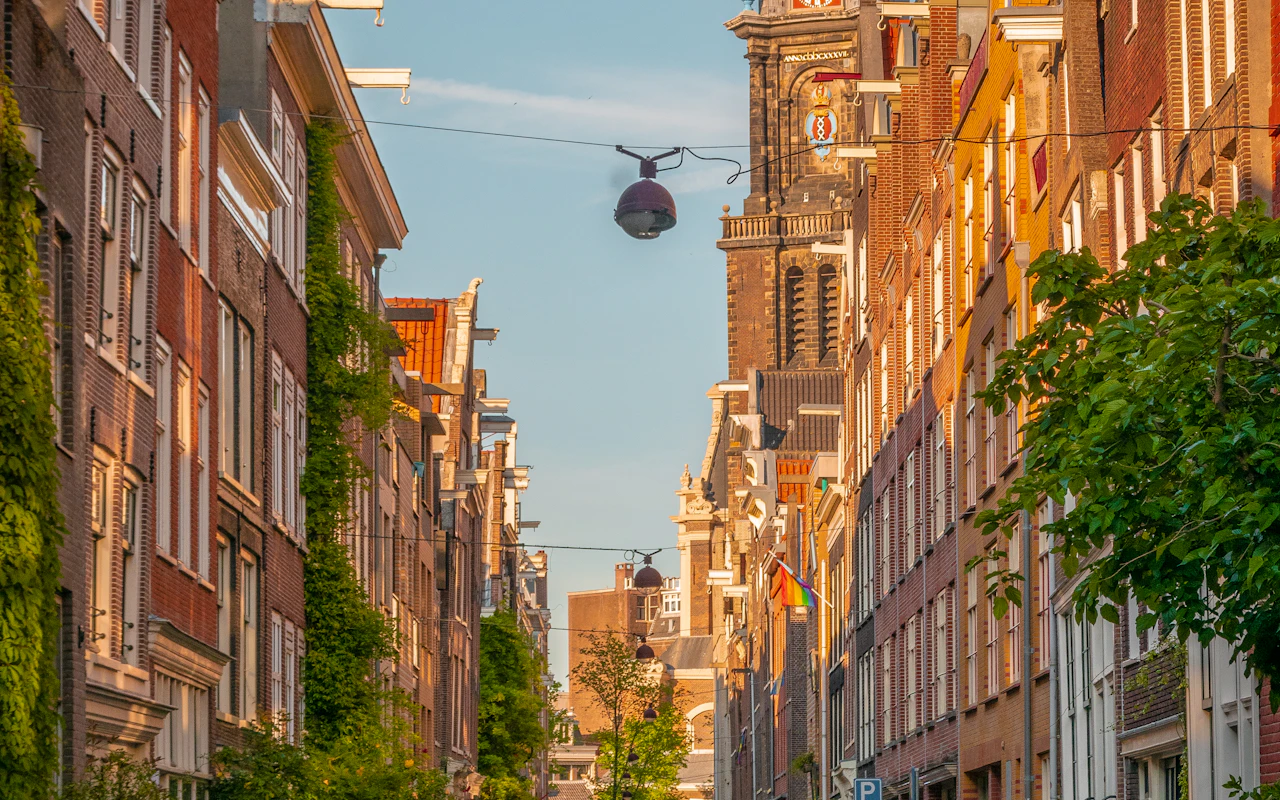
Choose the centre when your stay is short and the first task is getting from the train into the city. Around Nieuwmarkt, the Waag, Oude Kerk and Zeedijk make a compact historic outing, with Chinese dining rather than only museum cafes. Staying beside Centraal favours departures and ferry trips; staying farther south towards Dam or Rokin favours central walks. These are different immediate surroundings within one useful base.
NS trains connect Schiphol with Centraal; the remaining journey depends on the hotel address. Nieuwmarkt serves the eastern metro corridor, while Rokin is on M52 for trips towards De Pijp and Zuid. A central address does not remove the need to travel to Museumplein, nor does it promise the same evening setting on every lane. Choose Jordaan for a stay organised around western canal streets, or Museum Quarter if several museum bookings will shape your days.
Plan it well: The marker identifies Binnenstad, not Centraal station or a particular hotel entrance.
I amsterdam: Nieuwmarkt neighbourhoodJordaan: canal walks, small shops and cafe evenings
Jordaan makes sense when the walk back from dinner is part of the trip. Noordermarkt, Brouwersgracht and Prinsengracht give the northern streets their orientation; Cafe 't Smalle and Winkel 43 are specific cafe options. Anne Frank House sits at the eastern edge, while the Nine Streets extend the shopping choice south into the canal belt. A hotel near Noordermarkt and one beside the Nine Streets will not give you the same station walk.
There is no metro through Jordaan. From Schiphol, train to Centraal suits the northern end; airport bus 397 to Leidseplein can suit the southern canal edge, followed by the actual hotel walk. Do not plan on a Westermarkt tram: the Oranje Loper works close that tram corridor. This base trades easy doorstep rail for canal surroundings and independent businesses. Choose De Pijp if a metro connection and food-market setting matter more, or the Old Centre if carrying luggage straight from Centraal is the priority.
Plan it well: Check the current western tram diversion before arranging a hotel around an old Westermarkt route.
I amsterdam: Jordaan neighbourhoodMuseum Quarter: art-led days and park breaks
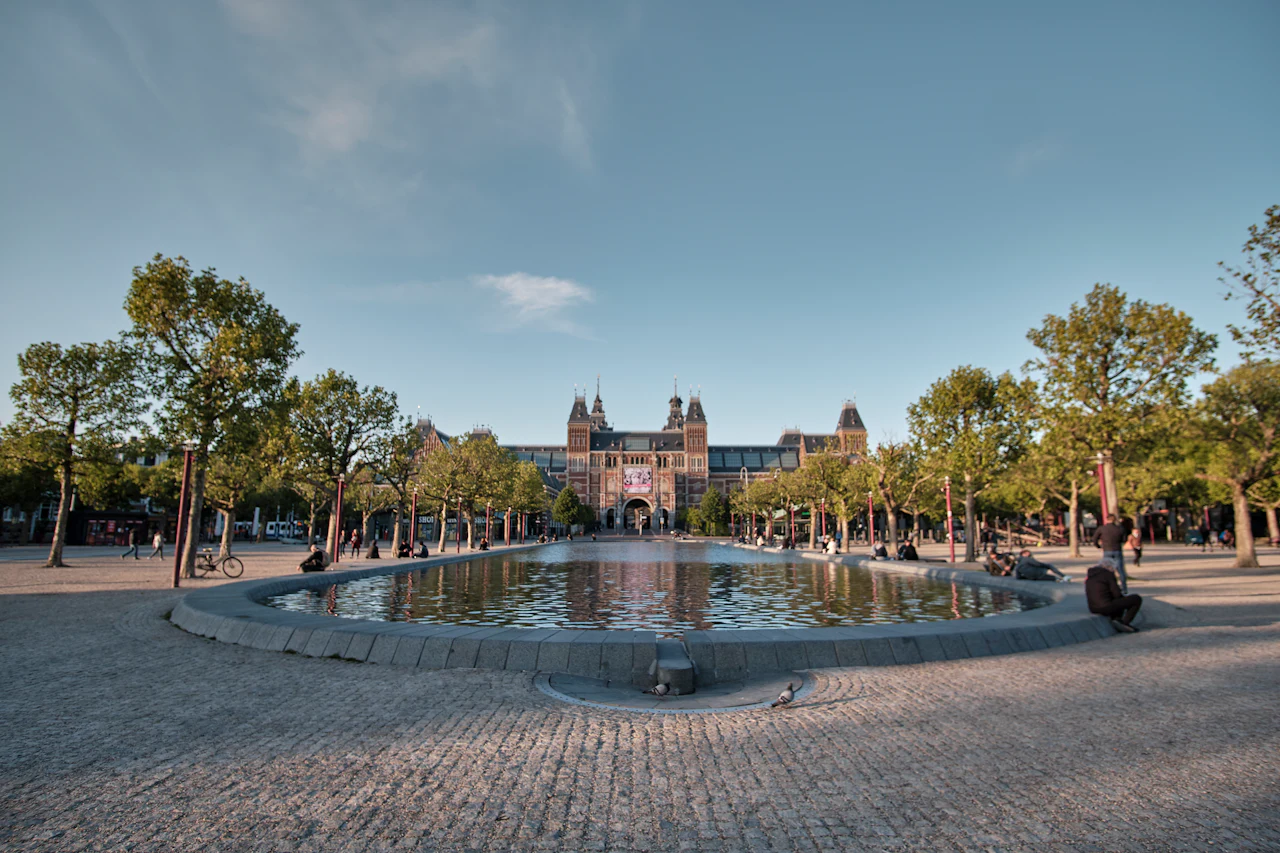
Stay around Museumplein if the Rijksmuseum, Van Gogh Museum or Concertgebouw will anchor more than one day. The advantage is being able to return between bookings, with Vondelpark as an outdoor change of pace. Farther into Oud-Zuid, Cornelis Schuytstraat adds cafes and shops, but that is a different hotel pocket from the square itself. Choose the museum cluster deliberately rather than assuming every Zuid address delivers it.
Connexxion airport bus 397 serves Museumplein, Rijksmuseum and Leidseplein from Schiphol. GVB surface stops serve the square; M52 Vijzelgracht approaches the Rijksmuseum side, not the whole Museumplein frontage. This is a less direct base for repeated northern canal or IJ-shore evenings. De Pijp is the stronger alternative for market streets and varied dining around the hotel, while Jordaan better suits western canal plans. A hotel farther west beside the park may add walking to both museums and metro despite an Oud-Zuid description.
I amsterdam: Oud-Zuid and Museum QuarterDe Pijp: market lunches and metro-connected evenings
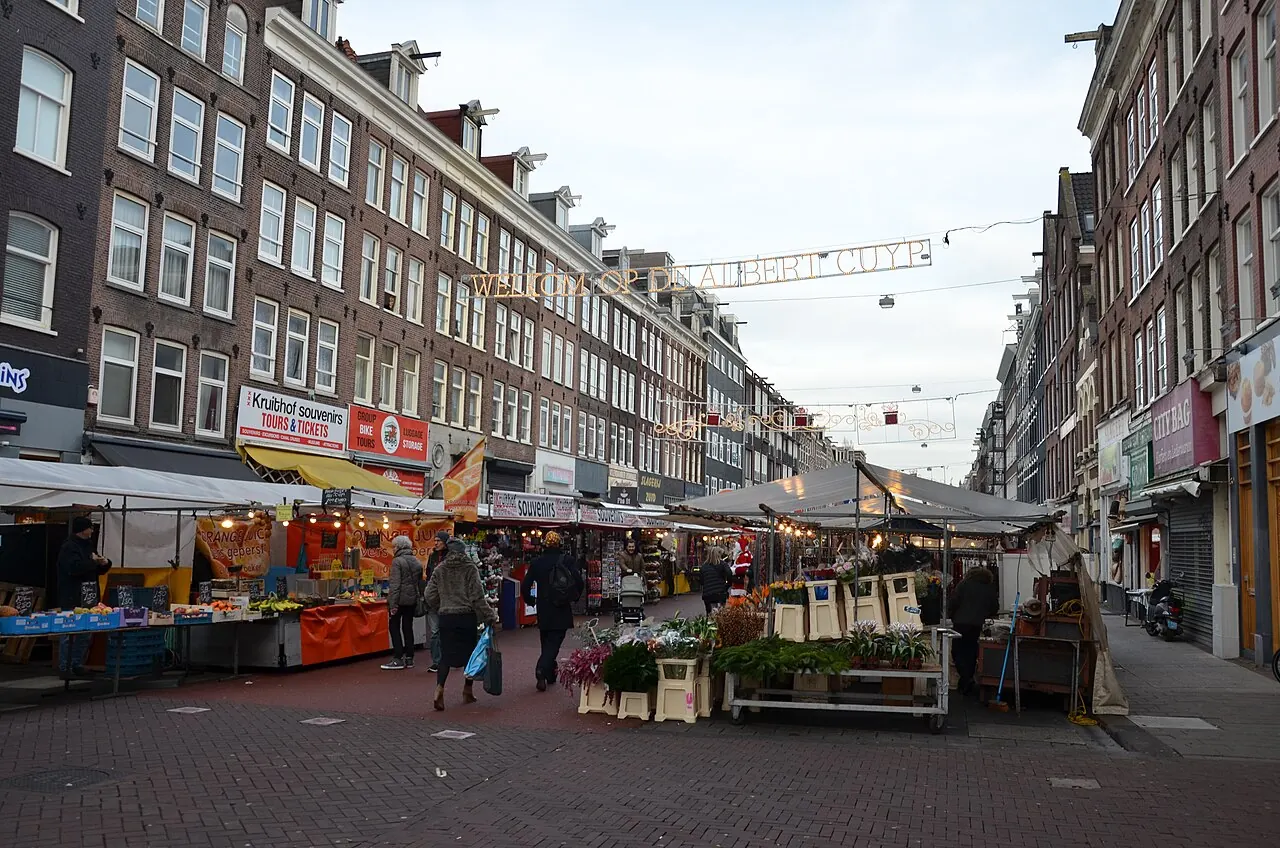
Choose De Pijp for market streets and neighbourhood dining rather than a canal-side setting. Albert Cuyp Market supplies a daytime focus; Gerard Douplein and the surrounding streets add cafes and restaurants, while Sarphatipark gives you a green pause. Museumplein is west of this cluster, so combining museums with neighbourhood meals is sensible without treating the whole area as one museum forecourt.
GVB M52 stops at De Pijp. From Schiphol, an NS train to Amsterdam Zuid followed by M52 provides a rail-based approach; the hotel distance from the chosen exit is the final consideration. Market-front rooms and addresses farther east or south offer different surroundings and station walks. Choose Jordaan if canal streets are the reason for the stay, or Museum Quarter if you need to return between museum appointments. De Pijp works best when you want its own food streets, not merely a central postcode without central canal scenery.
Plan it well: Albert Cuyp Market and the neighbourhood restaurants have different opening patterns; the regular market closes on Sunday.
I amsterdam: De Pijp neighbourhoodOud-West: food halls, cinema and the north park edge
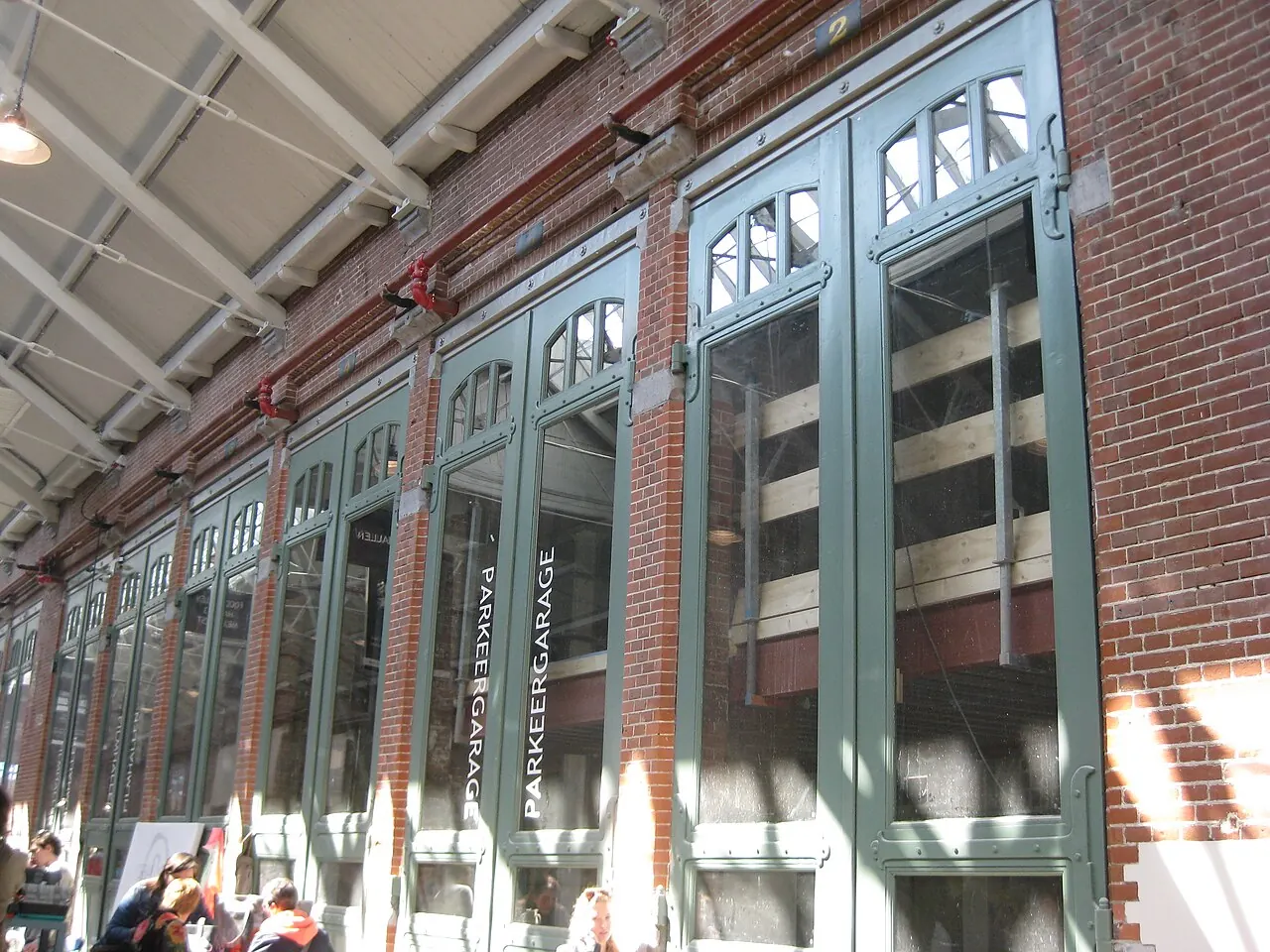
Oud-West earns its place through everyday food and leisure rather than a single famous monument. De Hallen brings Foodhallen and cinema into the former tram-depot complex; Ten Katemarkt and nearby cafes make the surrounding streets worth using beyond dinner. A southern park-edge hotel adds access to Vondelpark, but one near De Hallen is not automatically beside the park. Decide which of those two local centres will actually feature in your days.
There is no metro at De Hallen: Bilderdijkstraat and Kinkerstraat are surface-transport corridors. Schiphol bus 397 to Leidseplein can be an approach for the southern edge, with onward walking or a current local service; it is not an airport bus to Foodhallen. Western tram diversions increase the importance of a dated GVB route check. Choose Museum Quarter for repeated museum entries, or the Old Centre for a station-led short stay. Oud-West suits visitors who will use its market and dining streets enough to justify the extra cross-city leg.
Plan it well: The photograph and marker identify De Hallen, the neighbourhood landmark rather than the boundaries of Oud-West.
I amsterdam: Oud-West neighbourhoodPlantage: gardens, museums and family-oriented days
Plantage is a good base when ARTIS, Hortus Botanicus and the eastern cultural quarter are more than optional stops. Cafes around Plantage Kerklaan give a local focus between visits, with Jewish cultural sites and H'ART Museum towards adjoining Waterlooplein and the Amstel. This is a garden-and-culture stay, not a claim that all of eastern Amsterdam offers the same setting or that a zoo-side address is beside every museum.
GVB surface stops serve the ARTIS side. Waterlooplein and Weesperplein provide metro approaches on different edges, so choose the one that fits the hotel rather than treating them as interchangeable doorstep stations. From Schiphol, train to Centraal followed by the eastern metro corridor and the final walk is one rail-based approach. The tradeoff is weaker access to repeated western-canal dinners and nightlife. Choose Jordaan for those evenings, or De Pijp for a more dining-led setting; Plantage rewards an itinerary built around its daytime visits.
I amsterdam: Plantage neighbourhoodOosterpark and Dapperbuurt: parks and market streets
Choose this part of Oost for Oosterpark, Wereldmuseum Amsterdam and Dappermarkt rather than because the large borough name suggests a single hotel district. The market and Linnaeusstraat side offers food businesses and everyday shopping; the southwest park side gives a different walk towards Wibautstraat. These local outings make the base worthwhile for a longer or repeat visit, even when the medieval centre is not your daily starting point.
Muiderpoort serves the market-side rail approach, while Wibautstraat provides metro access from the southwest pocket. From Schiphol, use NS to check the actual rail itinerary and onward connection; do not assume every Muiderpoort journey is a direct airport train. The decision costs are a daily journey to western canal sights and a less uniform station advantage than the label Oost implies. Choose Plantage for garden and zoo days nearer the eastern cultural quarter, or De Pijp for a more direct M52 base. Compare the particular streets, not an assumed cheaper price band.
Plan it well: The marker is Oosterparkbuurt, not all Oost or the centre of Dappermarkt.
I amsterdam: Oost neighbourhoodsNoord waterfront: choose Buiksloterweg or NDSM deliberately
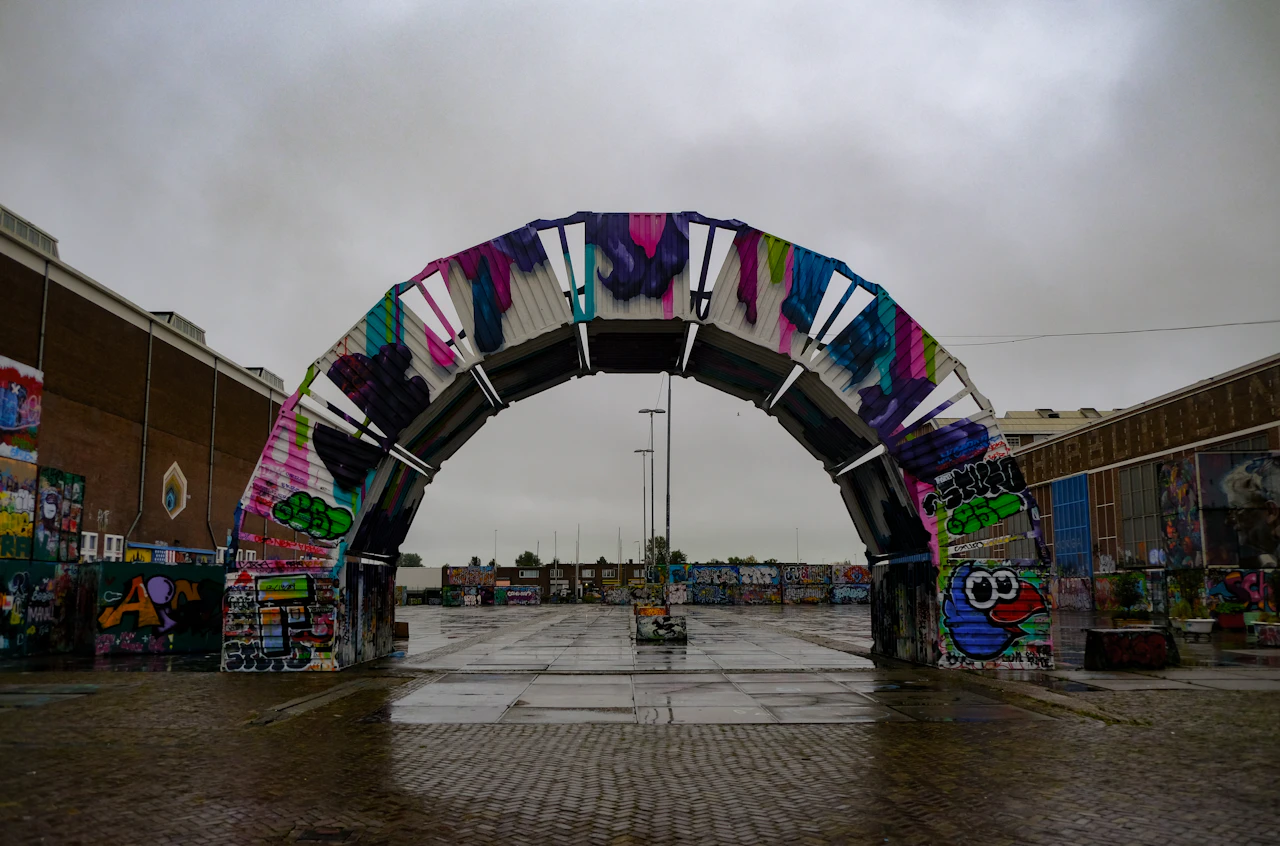
A Noord stay should begin with a choice between two shore clusters. Buiksloterweg places Eye, A DAM and Tolhuistuin on your side of the IJ; NDSM supplies former shipyard buildings, STRAAT and Pllek. They offer different surroundings and are not adjacent sightseeing stops. NDSM is the stronger choice if industrial waterfront culture is the attraction; Buiksloterweg better suits a stay centred on the venues opposite Centraal.
GVB F3 connects Centraal with Buiksloterweg, whereas F4 connects Centraal with NDSM; F7 connects NDSM with Pontsteiger farther west. These IJ pedestrian ferries are free. Schiphol train to Centraal followed by the correct ferry is the arrival pattern, but the departure and final hotel walk become part of repeated city outings. M52 Noorderpark and Noord are not doorstep stations for either shore cluster. Choose a south-bank base if several canal or museum bookings make repeated crossings inconvenient. Check the particular ferry timetable rather than transferring service-hour assumptions from F3 to F4.
Plan it well: The photograph and marker identify NDSM only, not Eye or the Buiksloterweg ferry landing.
I amsterdam: Noord neighbourhoodArrive on the right side of your neighbourhood
Match the airport train to the base
Centraal suits the Old Centre, northern Jordaan and onward IJ ferries. Amsterdam Zuid plus M52 suits De Pijp. Use the dated NS itinerary for other stations rather than treating the airport as a direct train to every neighbourhood.
NS: Schiphol rail connectionsUse the southern airport bus where it helps
Connexxion 397 serves Museumplein, Rijksmuseum and Leidseplein. Those stops can help museum and southern western-canal stays; they do not put you directly at De Hallen or every Vondelpark-side hotel.
Connexxion: Amsterdam Airport ExpressWestern tram works change the useful stop
The Rozengracht and Raadhuisstraat corridor is affected by Oranje Loper works, including Westermarkt tram access. Check the hotel approach against current diversions before relying on a historic tram number.
GVB: Oranje Loper diversionsChoose the Noord ferry by destination
F3 is Centraal to Buiksloterweg; F4 is Centraal to NDSM; F7 links NDSM with Pontsteiger. The ferry names describe different hotel bases, not three interchangeable city-centre departures.
GVB: travelling by ferryCheck the local leg as well as the airport leg
Use the current GVB planner for the selected station, surface stop or ferry and your actual arrival date. A neighbourhood marker does not identify the hotel entrance or its luggage route.
GVB journey plannerCompare hotels in your chosen Amsterdam base
Browse Amsterdam hotels, then compare the actual address with the market, museum, station or ferry you plan to use repeatedly. In Noord, separate NDSM from Buiksloterweg; in the west, allow for the changed tram approach. Check room details alongside location rather than treating a neighbourhood name as a promise about the room.
Explore Amsterdam hotels