
Lisbon city guide
Where to stay in Lisbon
Compare seven Lisbon bases by hills, evening atmosphere and transport: Baixa, Chiado, Alfama, Bairro Alto, Graca, Belem and Parque das Nacoes.
Plan your visit
In Lisbon, a short distance on the map can end with a steep climb. The final approach to a hotel matters as much as its neighbourhood: compare station exit, slope, steps and where a car can stop. Choose the historic centre for repeated old-city walks, or the outer riverfront areas when their museums, family attractions or airport connection fit the trip better.
Choose your base
Baixa and Rossio give a first visit a central, comparatively level starting point. Chiado adds cafes and culture above the lower grid. Alfama suits historic lanes and fado; Bairro Alto and Principe Real suit restaurant and bar evenings, with careful room selection. Graca rewards viewpoint lovers who accept the climb. Belem suits monument-and-river days in the west. Parque das Nacoes suits family attractions, contemporary waterfront walking and the airport metro corridor rather than an old-town doorstep.
Baixa and Rossio: a practical first-visit base
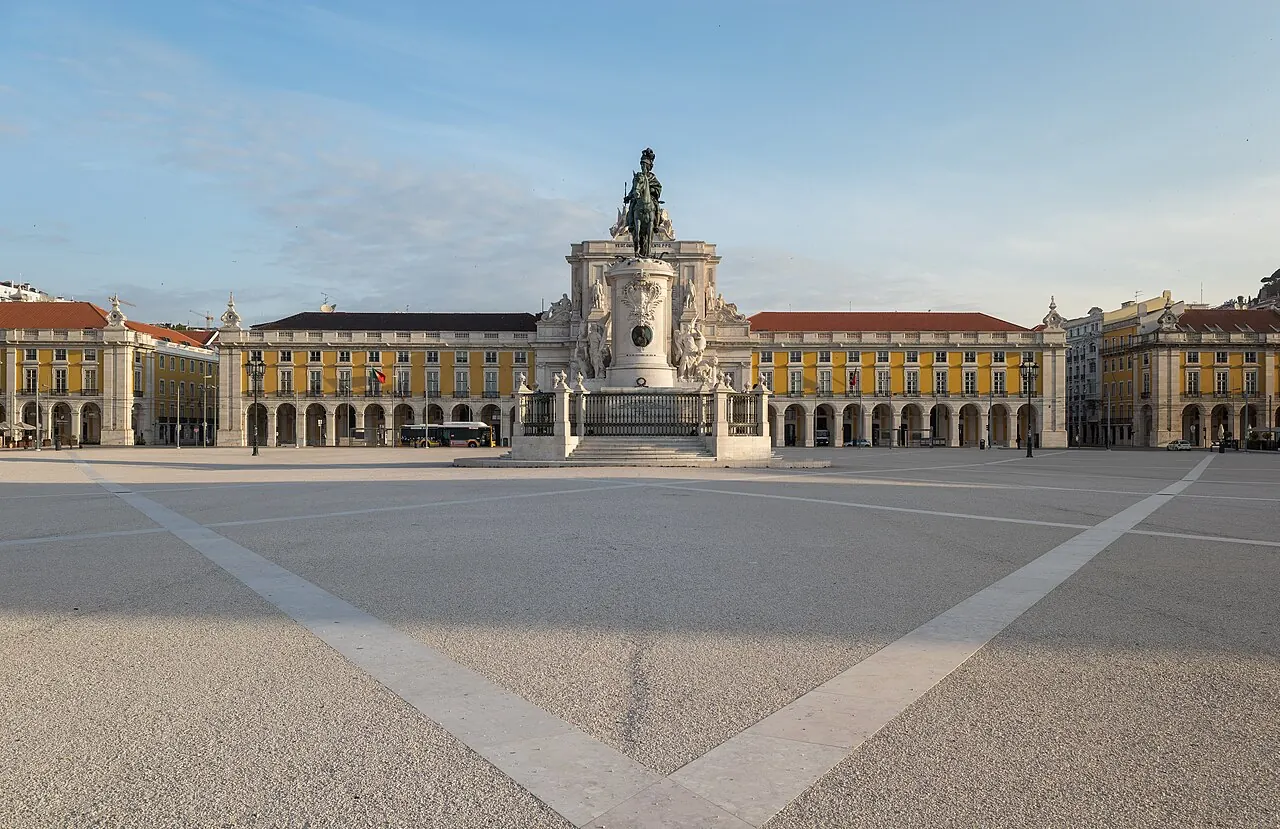
Baixa gives you the lower street grid between Rossio and Praca do Comercio, with Rua Augusta, pastry shops, restaurants and shopping close together. It works especially well when you want to walk into several historic areas but return to a central starting point between them. A riverside hotel near the main square feels different from one closer to Rossio and the station approaches. The area is comparatively level for Lisbon, but the streets leaving it for Alfama or Chiado are not.
Rossio, Baixa-Chiado and Terreiro do Paco are useful metro reference points, depending on the address. Airport travel begins on the Red line and needs the appropriate interchange for the lower centre, shown on Metropolitano de Lisboa maps. The compromise is visitor traffic and souvenir-oriented streets rather than a small residential quarter. Choose Chiado for cafes and cultural evenings uphill, or Parque das Nacoes if avoiding repeated hill walks matters more than being in the historic core.
Plan it well: The map pin marks Praça do Comércio, not the neighbourhood boundary.
Visit Lisboa: Praca do Comercio and the lower cityChiado: cafes, culture and a central hilltop setting
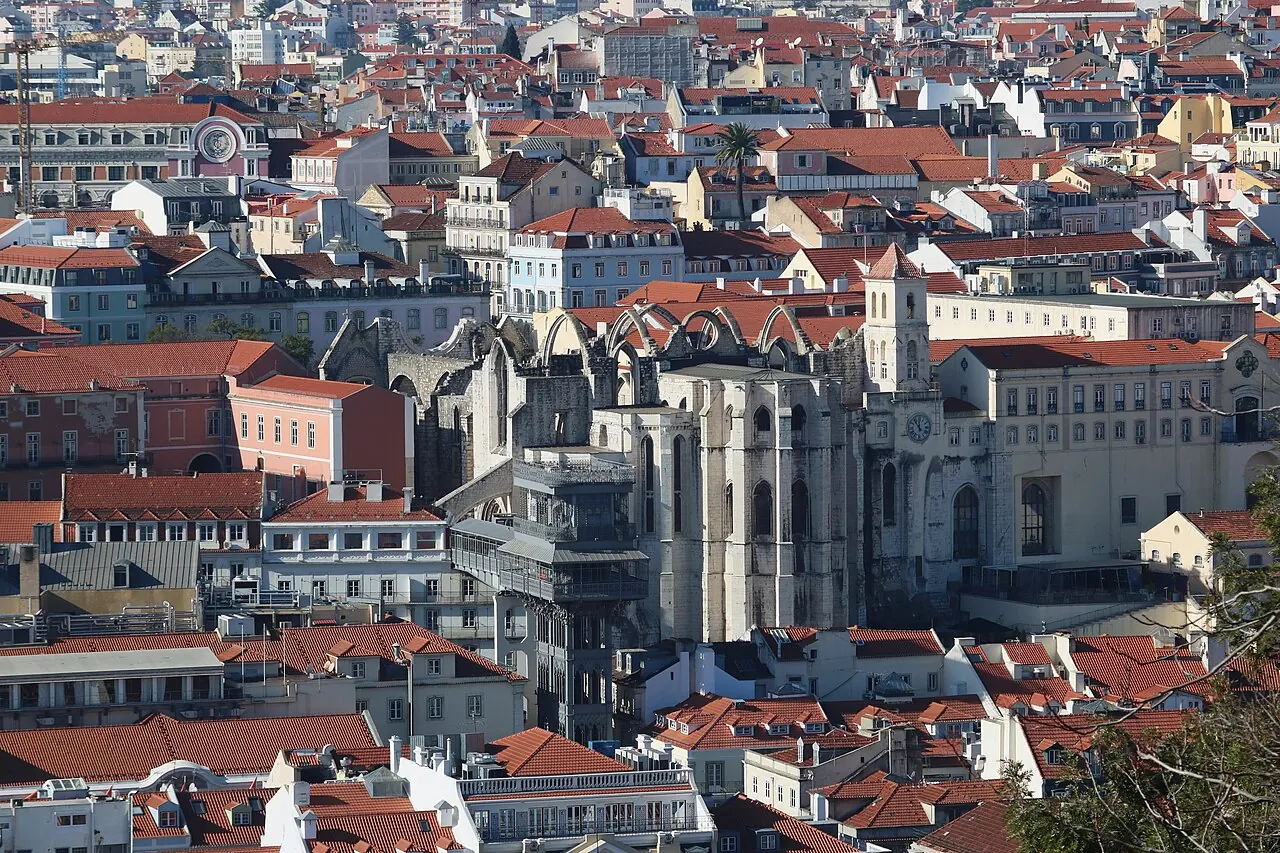
Chiado is a useful middle ground between the lower shopping streets and the western nightlife quarter. Rua Garrett, its cafes and bookshops, Largo do Carmo and the Carmo ruins give you things to do close to the room. Restaurants and theatres make an evening here different from returning to an outlying hotel after every central outing. The surrounding streets still rise and fall, so compare the hotel entrance with the route you will actually take rather than relying on the central location alone.
Baixa-Chiado is the key metro station, with exits on different sides of the hillside setting; airport travel requires a change from the Red line. CARRIS routes through Chiado offer additional options, but the station-to-door walk remains important. The downside is central bustle and possible spillover from nearby nightlife streets, especially on the western edge. Choose Baixa for a lower-ground base or Alfama for a more enclosed historic-lane setting. Chiado suits travellers who want culture, cafes and several central areas within reach.
Plan it well: The map pin marks Carmo Convent, not the neighbourhood boundary.
Visit Lisboa: Chiado neighbourhood guideAlfama: historic lanes and fado, with steep approaches
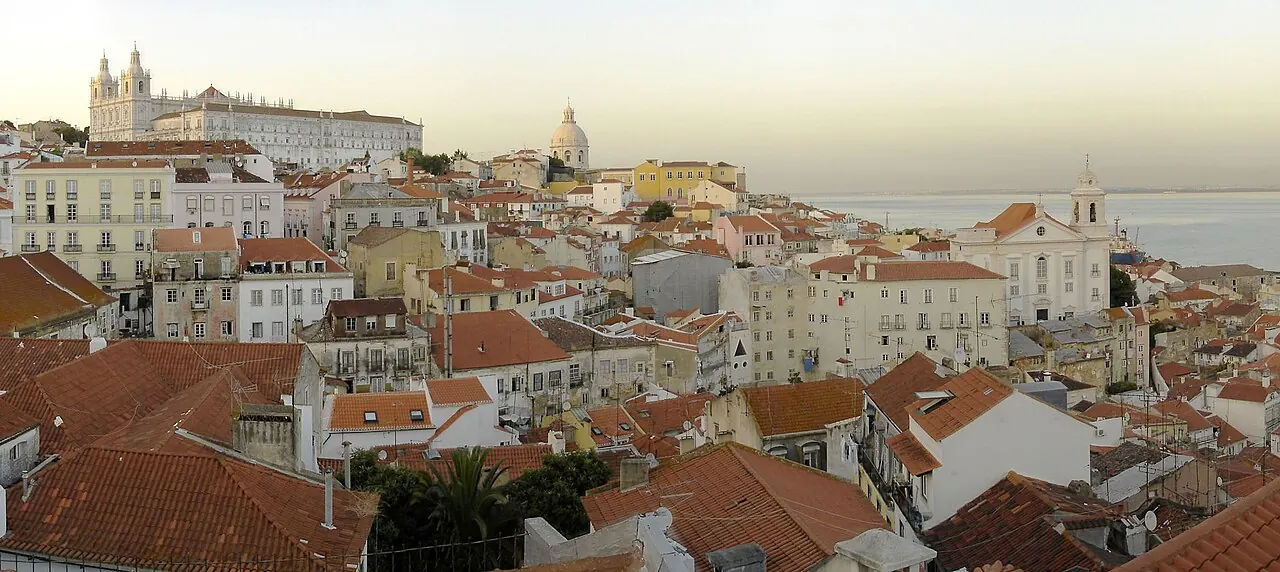
Alfama is a strong choice when the lanes, tiled buildings and fado evenings are part of why you are visiting Lisbon. The cathedral, Santa Luzia viewpoint and Portas do Sol give the neighbourhood several natural pauses, with small restaurants and fado houses among the streets. Pick the precise part of the hill: a lower address near the river is quite different from a room further up towards the castle approaches. Here, being close in distance often says little about the effort of the walk.
Santa Apolonia and Terreiro do Paco provide metro access at lower edges, while CARRIS 28E serves parts of the hill route. An airport metro journey therefore still leaves a final approach that may involve steps or steep paving. The main drawback is carrying luggage through narrow lanes and returning uphill after a long day, with limited door-to-door vehicle access at some addresses. Choose Baixa for simpler lower-ground sightseeing or Parque das Nacoes for a contemporary waterfront base. Alfama rewards travellers who welcome walking as part of the stay.
Plan it well: The map pin marks Alfama, not the neighbourhood boundary.
Visit Lisboa: Alfama neighbourhood guideBairro Alto and Principe Real: restaurant and bar evenings
Bairro Alto is a deliberate nightlife choice: its small streets fill with people moving between bars and restaurants. During the day, record shops and other independent businesses give it another character. Further north, Principe Real adds its garden, boutiques and dining around Rua da Escola Politecnica. These neighbouring areas can support a restaurant-led stay, but they should not be treated as one uniform noise environment. A room over a bar street has a different compromise from one on a residential side road.
Use Baixa-Chiado for the southern approaches and compare Rato for the northern Principe Real side; neither station sits beside every hillside hotel. Airport metro travel requires an interchange and that final uphill leg, or a separate road transfer to a suitable stopping point. The downside is evening street noise and the climb back from the lower city. Choose Baixa or Parque das Nacoes for an earlier-sleeping trip. Choose this hill when going out locally is more important than an uncomplicated luggage walk.
Plan it well: The pin marks Bairro Alto; Principe Real is the neighbouring area further north, not the same square.
Visit Lisboa: Bairro Alto nightlife quarterGraca: viewpoints and a slower hill-neighbourhood stay
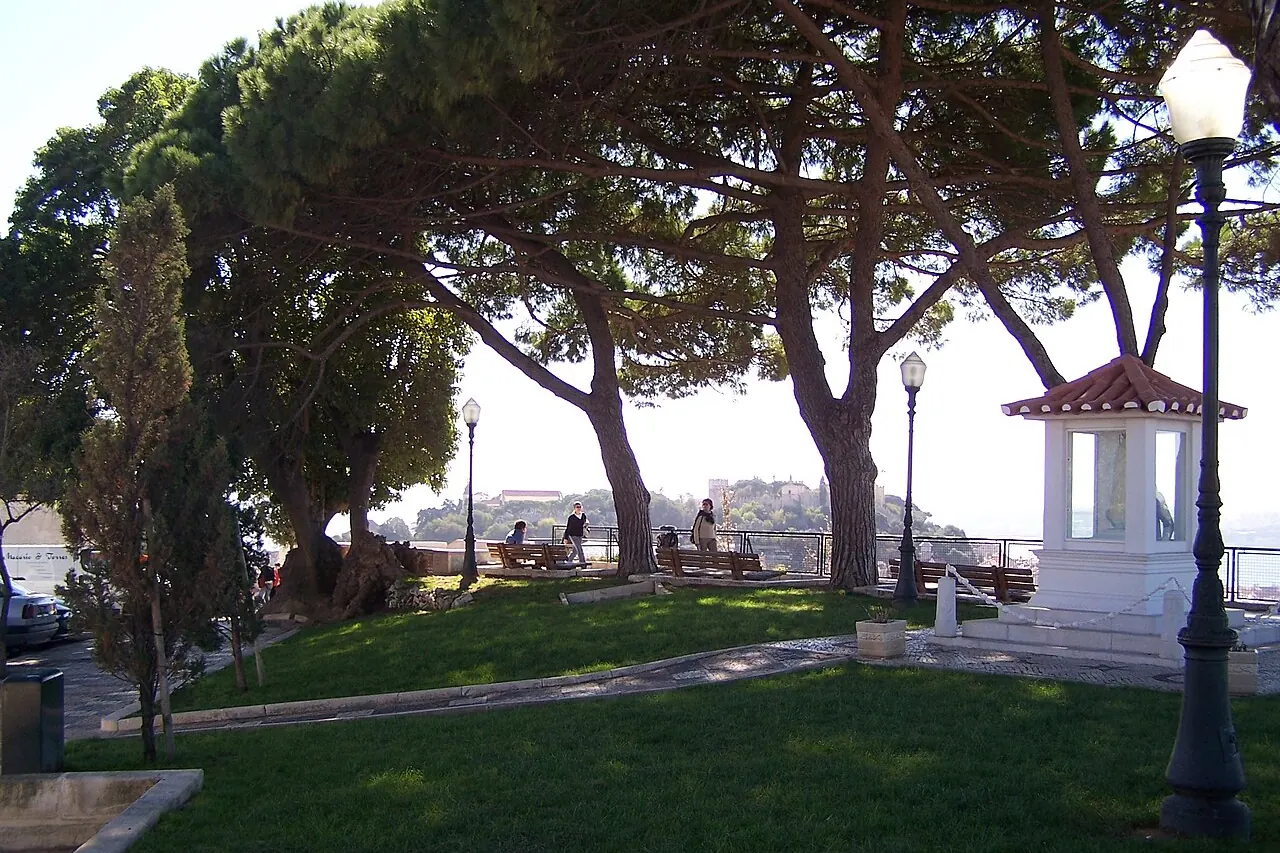
Graca is worth considering when you want a hill-neighbourhood routine beyond the busiest lower-centre streets. Largo da Graca, its church and viewpoint make a natural focal point, with cafes and everyday shops around the surrounding roads. Senhora do Monte provides another outlook over the city, but reaching it is an uphill outing in its own right. Choose a hotel or apartment here for the neighbourhood and views you intend to enjoy repeatedly, not just for a dramatic photograph of the skyline.
CARRIS 28E lists Graca and nearby hill stops, and other local bus routes can be checked by address. There is no metro station on the main viewpoint square: an airport metro arrival needs an onward connection or a climb from a lower station. The trade-off is more effort for luggage and for repeated returns from the river or western centre. Choose Baixa for a compact first-visit itinerary or Chiado for more immediate central cultural evenings. Graca suits travellers with time to slow down between outings.
Plan it well: The map pin marks Miradouro da Senhora do Monte, not the neighbourhood boundary.
Visit Lisboa: Graca neighbourhood guideBelem: monument days and the western riverfront
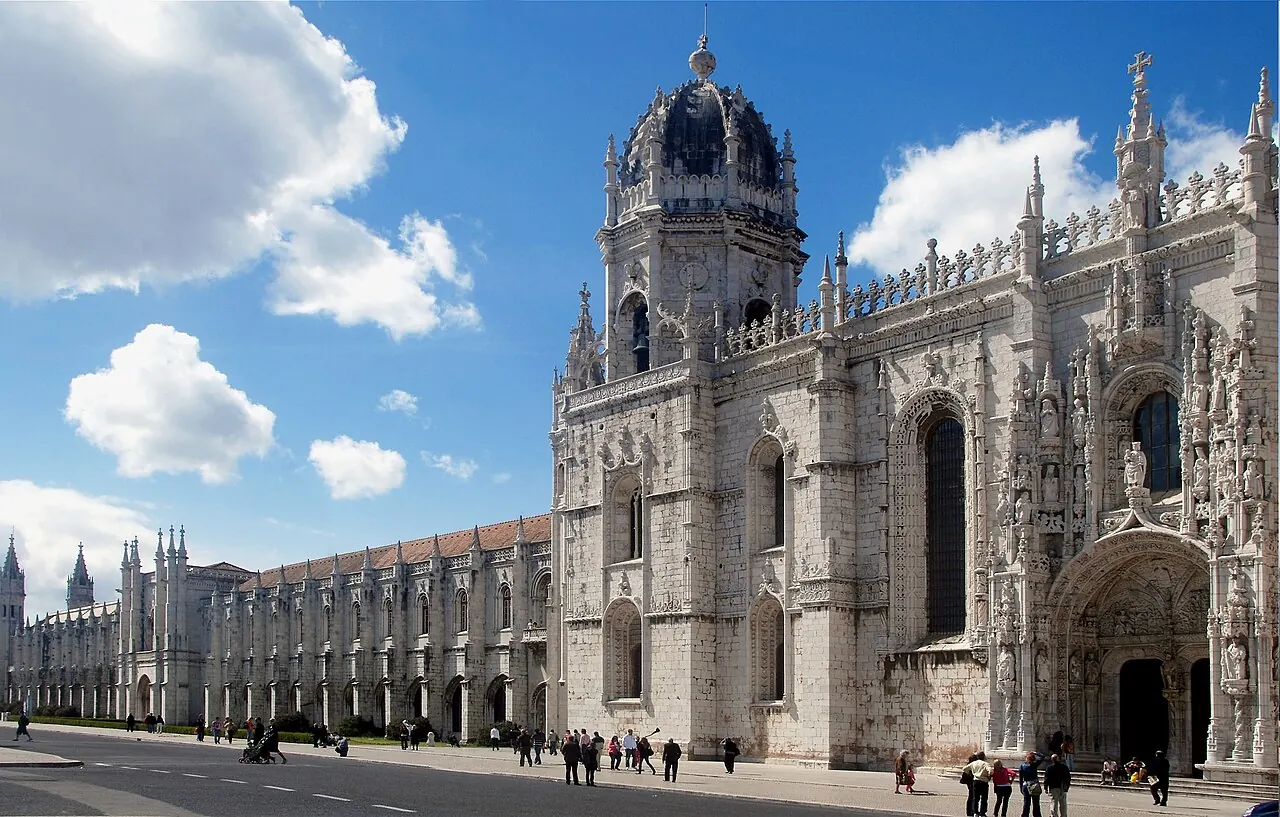
Belem makes a convincing base when the Jeronimos Monastery, riverside museums and walks along the Tagus are central to your plans. Rua de Belem has pastry stops and places to eat, while the waterfront stretches towards MAAT in one direction and Belem Tower in the other. The sights cover a sizeable area, and the railway and major road separate parts of the neighbourhood from the river. Compare your hotel with the crossing and museum entrance you will use, not just the broad Belem label.
CARRIS 15E serves the western corridor through Belem; Belem railway station is another reference point, with service details checked separately. This is not on the airport metro line, so arrival requires an onward surface-transport journey or road transfer. The downside is travelling back into the centre for Alfama walks, Chiado theatres and Bairro Alto evenings. Choose Baixa for a first visit spread across those areas, or Parque das Nacoes for a direct airport-line base. Belem suits a stay that gives the west its own unhurried days.
Plan it well: The map pin marks Jerónimos Monastery, not the neighbourhood boundary.
Visit Lisboa: Belem and Ajuda area guideParque das Nacoes: families, modern waterfront and airport rail
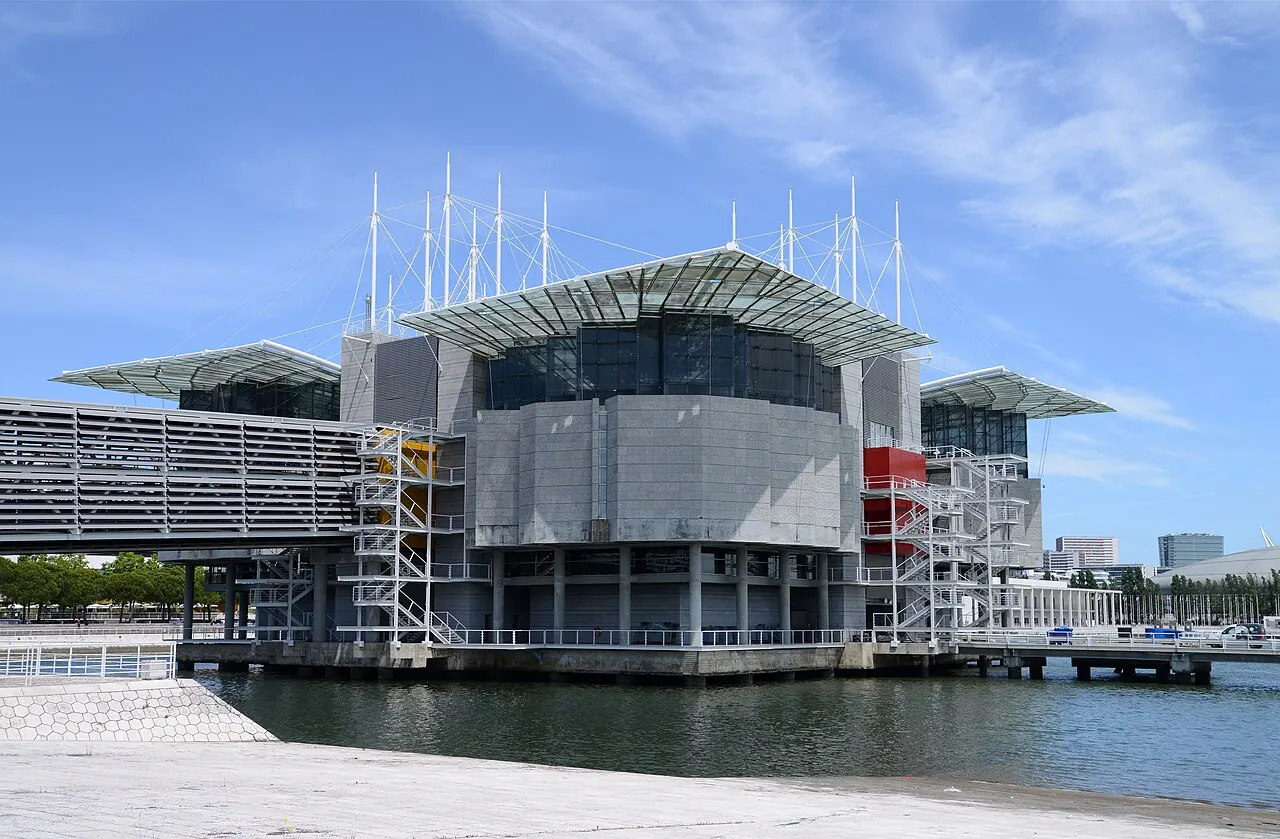
Parque das Nacoes offers a quite different Lisbon: broad riverside walking routes, contemporary buildings and the legacy of the 1998 Expo. The Oceanarium, Pavilion of Knowledge and waterfront gardens make it useful for a family trip with attractions close to the base. Restaurants along the river and the shopping area by Oriente provide everyday meal options. A hotel around the station prioritises connections; one further along the river puts a longer walk between you and the trains.
Oriente is on Metropolitano de Lisboa’s Red line, the same line as Aeroporto, and is also a major railway and bus interchange. That connection is useful for arrival, but the last walk to a waterfront property still deserves checking. The main trade-off is distance from the old-city atmosphere: Alfama, Chiado and the lower centre need separate journeys. Choose Baixa for repeated historic-centre walks or Belem for western monuments. Parque das Nacoes makes sense when family attractions, a contemporary setting or events near Oriente are the main reasons to stay.
Plan it well: The map pin marks Lisbon Oceanarium, not the neighbourhood boundary.
Visit Lisboa: Lisboa Oriente and Parque das NacoesArriving and getting around
Use the current airport and metro diagram
Aeroporto and Oriente are on the Red line. Most historic-centre bases need an interchange, followed by a walk or surface-transport connection. The operator’s diagrams page links the current map; use it to choose the correct station rather than assuming a direct airport train to every area.
Metropolitano de Lisboa: current diagrams and mapsTreat the hill tram as a route, not a guaranteed hotel transfer
CARRIS 28E lists stops through Graca, Portas do Sol, Santa Luzia, the cathedral and Chiado. Compare the stop with the hotel entrance and check the operating service; the route does not remove steps, steep lanes or the need for a suitable luggage approach.
CARRIS: route 28E and current timetablePlan the western corridor separately
CARRIS 15E serves Belem on its route towards Alges, with stops for MAAT, the monastery and the cultural centre. Check service changes before relying on the through route, and distinguish it from both the airport metro and the railway.
CARRIS: route 15E and current timetableChoose the right side of the nightlife hill
Principe Real has its own gardens, shops and dining north of Bairro Alto. Map the room location and ask about its outlook instead of assuming the two neighbouring areas have the same evening sound level.
Visit Lisboa: Principe Real neighbourhood guideWhere to stay in Lisbon
Compare Lisbon hotels by neighbourhood and final approach. For the historic hills, check steps, lift access inside the building and where a transfer can stop. For Belem or Parque das Nacoes, weigh the local attractions against repeated journeys into the centre rather than judging solely by a river-view photograph.
Explore Lisbon hotels