
Bucharest city guide
Where to stay in Bucharest
Compare Old Town nightlife, Calea Victoriei's cultural spine, Cismigiu's garden streets, northern parks and museums, and Cotroceni's residential rhythm.
Plan your visit
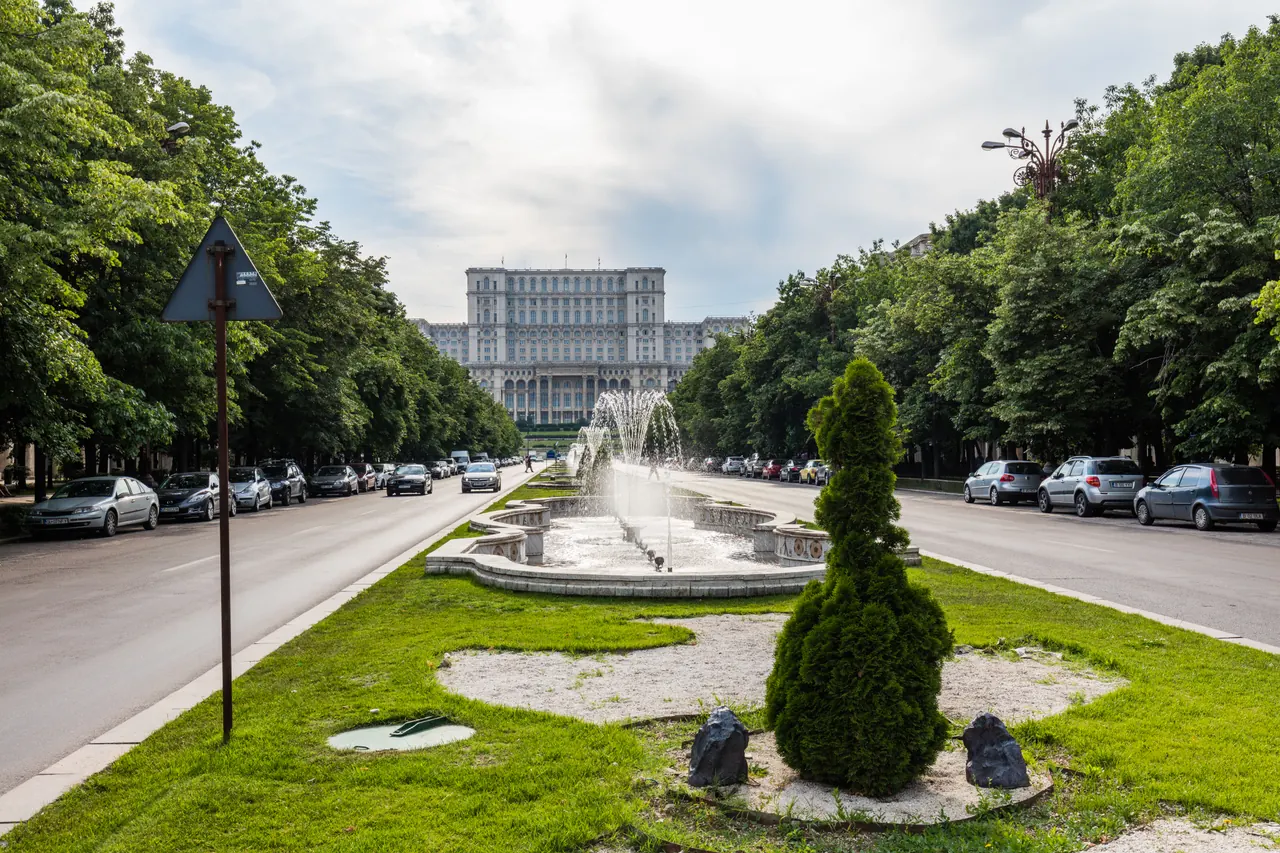
Bucharest is spread across broad boulevards, not arranged around one small old town. Lipscani works for evenings out, Calea Victoriei for culture, and the northern parks or western residential streets for a different pace. Put the nearest useful metro entrance beside the hotel's actual address before deciding how central it is.
Choose your base
Choose Old Town for bars and late dinners, or the Athenaeum end of Calea Victoriei for a balanced cultural first visit. Cismigiu offers a central garden break without putting you inside Lipscani's nightlife. Piata Victoriei prioritises museums and transport; Herastrau prioritises park time. Cotroceni is the residential alternative, best when you accept a journey to the central evening circuit.
Old Town: nightlife and historic lanes
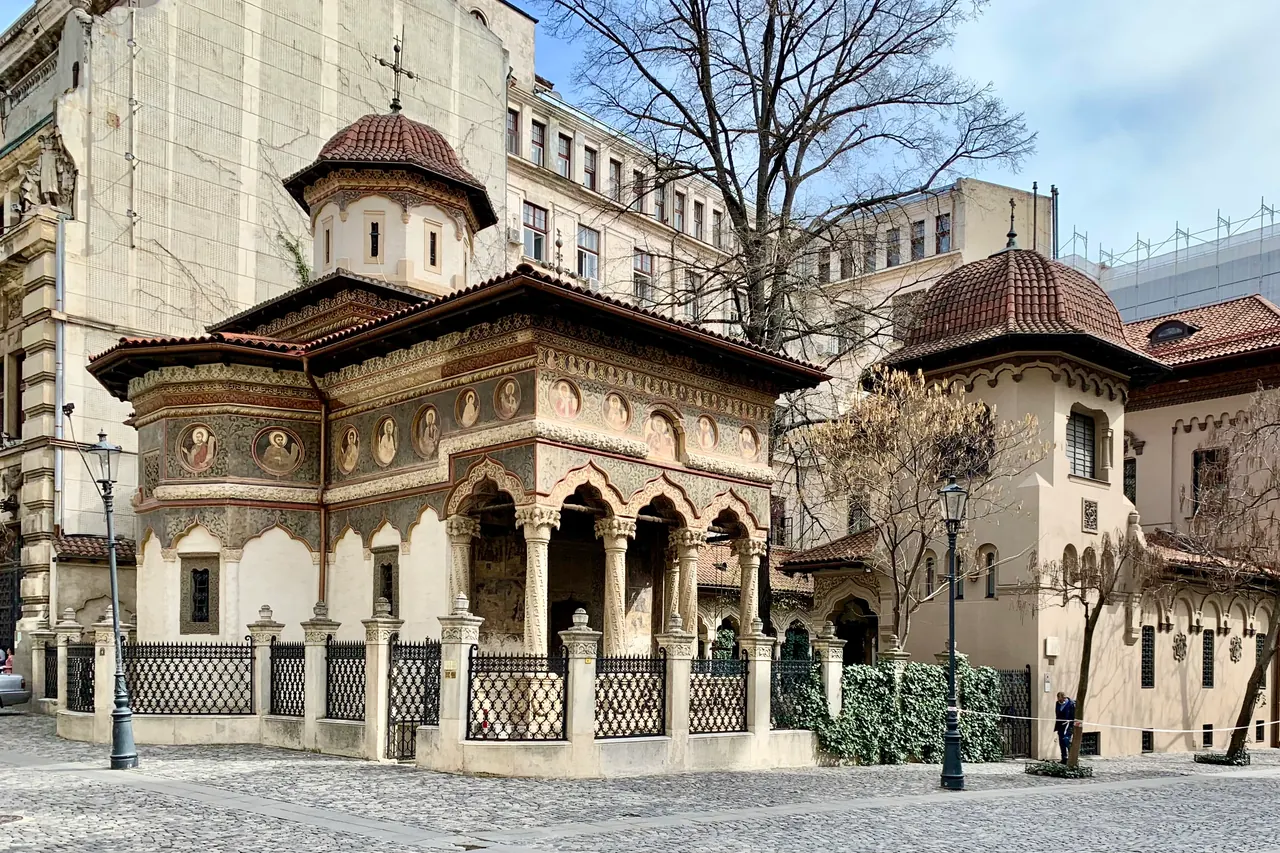
Lipscani's Old Town suits a short stay when dinner, bars and historic lanes are the main attraction. Stavropoleos Church, the CEC Palace on the western edge and the shops around Lipscani let you interleave small cultural stops with meals. Staying here makes evenings spontaneous, but not necessarily restful: the same concentration of restaurants and terraces that makes the neighbourhood convenient can dominate the street below your room.
Metrorex shows Piata Unirii on M1, M2 and M3 and Universitate on M2, useful approaches on opposite sides of the district. STB's airport line 100 runs to Piata Unirii 2, with an onward walk to the actual hotel entrance. Pedestrian lanes can mean an extra luggage walk from a car drop-off, and a courtyard-facing room deserves attention if sleep matters. Choose Calea Victoriei for an equally cultural trip with less emphasis on the bar circuit; choose Cismigiu when a garden break is more important than a restaurant directly downstairs.
Plan it well: The map pin marks Stavropoleos Monastery, an orientation point for this area, not its boundaries.
Stavropoleos Monastery: the churchCalea Victoriei and the Athenaeum: music, art and a balanced first visit
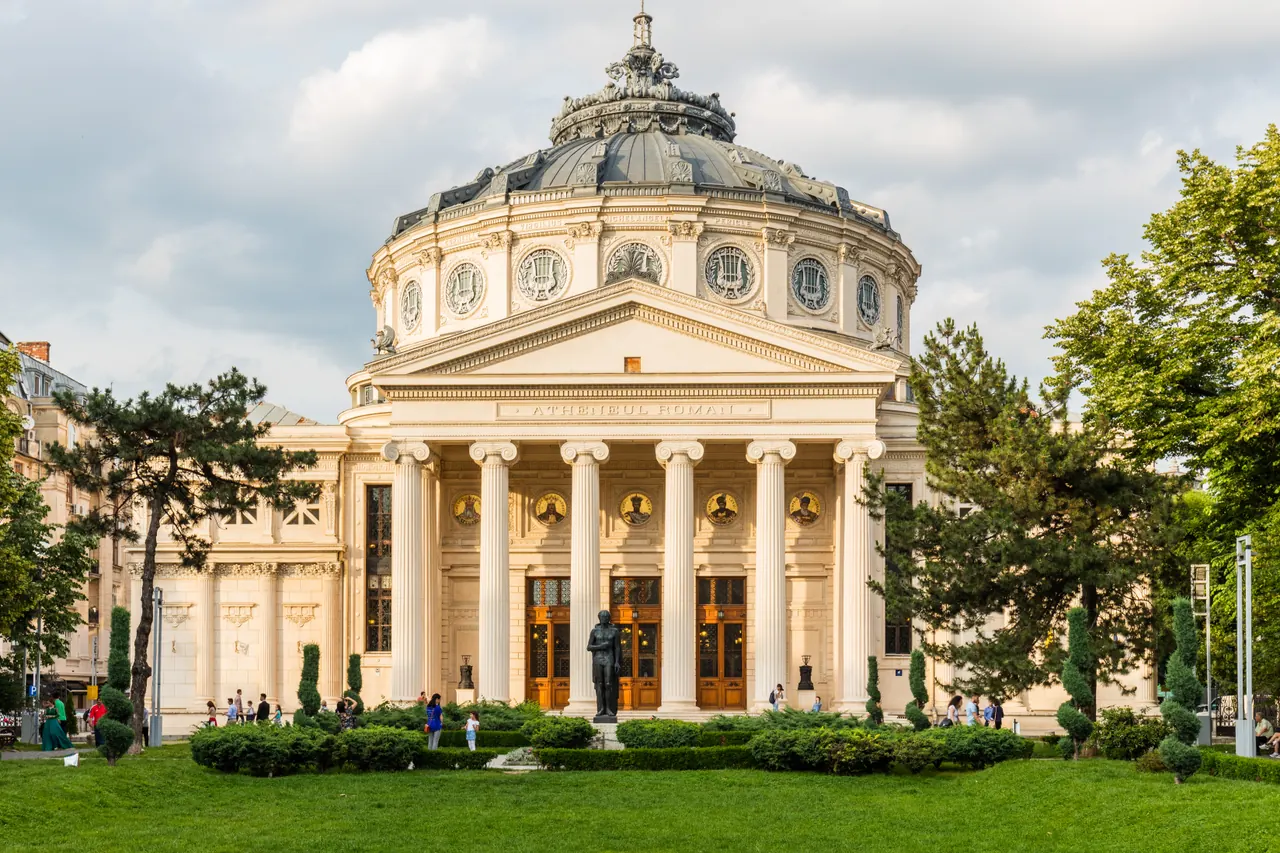
Use the Athenaeum and Revolution Square stretch of Calea Victoriei as the reference for a culture-led first visit. The Romanian Athenaeum, National Museum of Art in the former Royal Palace and surrounding cafes create a coherent daily circuit; Old Town remains an outing rather than the only place to eat. A room on a nearby side street can let you return after a concert without choosing a hotel directly above Lipscani's evening terraces.
Do not treat every Calea Victoriei address as the same location: the avenue runs a long way beyond this cultural cluster. Metrorex's M2 stations at Piata Romana and Universitate are useful approaches depending on the property's position. STB's airport line 100 follows the central north-south corridor, so compare its actual stops with the final walk. Boulevard traffic and the distance from a station are the trade-offs. Choose Old Town for bar-hopping at the door, or Piata Victoriei if northern museums and onward transport carry more weight than the Athenaeum.
Plan it well: The map pin marks Romanian Athenaeum, an orientation point for this area, not its boundaries.
National Museum of Art of Romania: the Royal PalaceCismigiu: central stays with a garden break
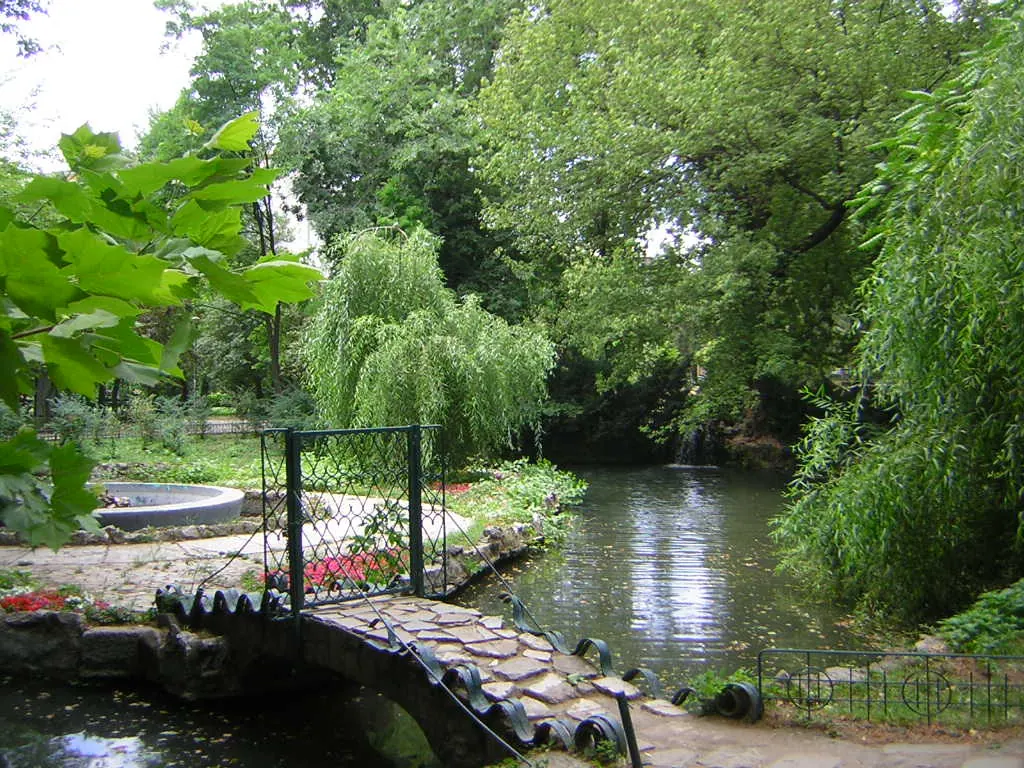
Stay on the streets around Cismigiu when you want a central base with a daily pause in a garden. The lake, planted paths and benches provide a useful contrast to Bucharest's broad traffic corridors, while the eastern side connects naturally with Calea Victoriei and the cultural centre. Cafes and restaurants on the surrounding streets make this a practical alternative to Old Town, especially for a trip with museum mornings and less bar-led evenings.
The garden has several approaches, and a hotel on the western side is not the same walking proposition as one towards the centre. Metrorex lists Izvor on M1 and M3 to the south and Universitate on M2 farther east; plan the street route rather than using a line across the park. Neither makes the airport bus a front-door service. Garden-facing does not guarantee silence: nearby roads remain busy, and evening returns should follow usable street entrances. Choose Calea Victoriei for concerts and galleries as your immediate setting, or Cotroceni for a more residential stay farther west.
Plan it well: The map pin marks Cismigiu Gardens, an orientation point for this area, not its boundaries.
Bucharest parks authority: Cismigiu landscape studyPiata Victoriei and lower Kiseleff: museums and transport connections
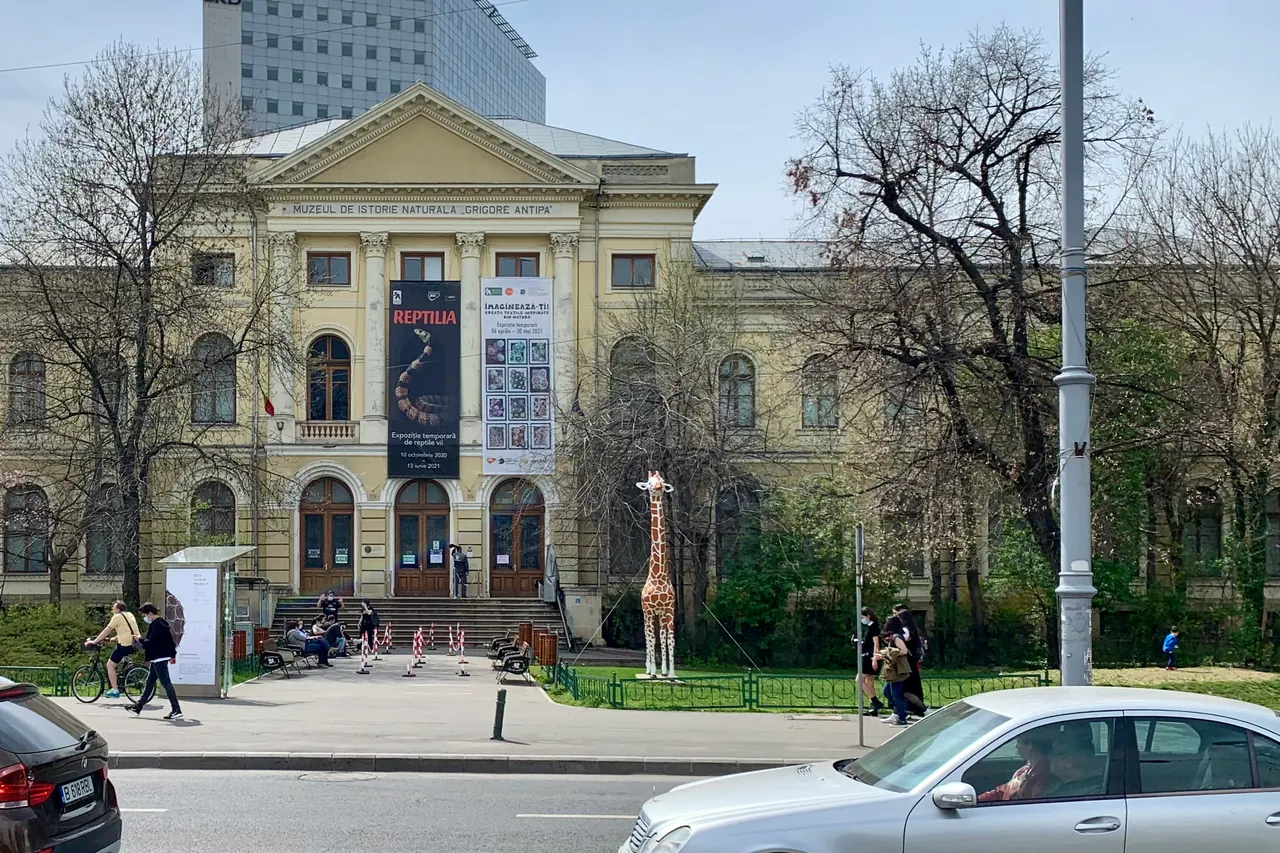
Piata Victoriei works for visitors who want museums and a useful transport junction rather than an old-town doorstep. The Antipa natural-history museum and Museum of the Romanian Peasant sit along the lower Kiseleff side, while Calea Victoriei leads south towards the central cultural district. Cafes and meals are spread over the adjoining streets; this is a practical place to build a museum day, not a replica of Lipscani's concentrated restaurant lanes.
Metrorex shows Piata Victoriei as an M1 and M2 interchange, and STB's line 100 timetable identifies the square on the airport corridor. That combination is valuable for a trip with several parts of the city, provided the hotel is near the useful entrance and stop. The square itself is a large traffic junction, so crossings and road-facing rooms are the main compromise. A property labelled Kiseleff can also lie well north of the interchange. Choose Calea Victoriei near the Athenaeum for a more concentrated concert-and-gallery setting, or Herastrau when daily park time matters most.
Plan it well: The map pin marks Grigore Antipa National Museum of Natural History, an orientation point for this area, not its boundaries.
Grigore Antipa National Museum of Natural HistoryHerastrau and Aviatorilor: park time and longer stays
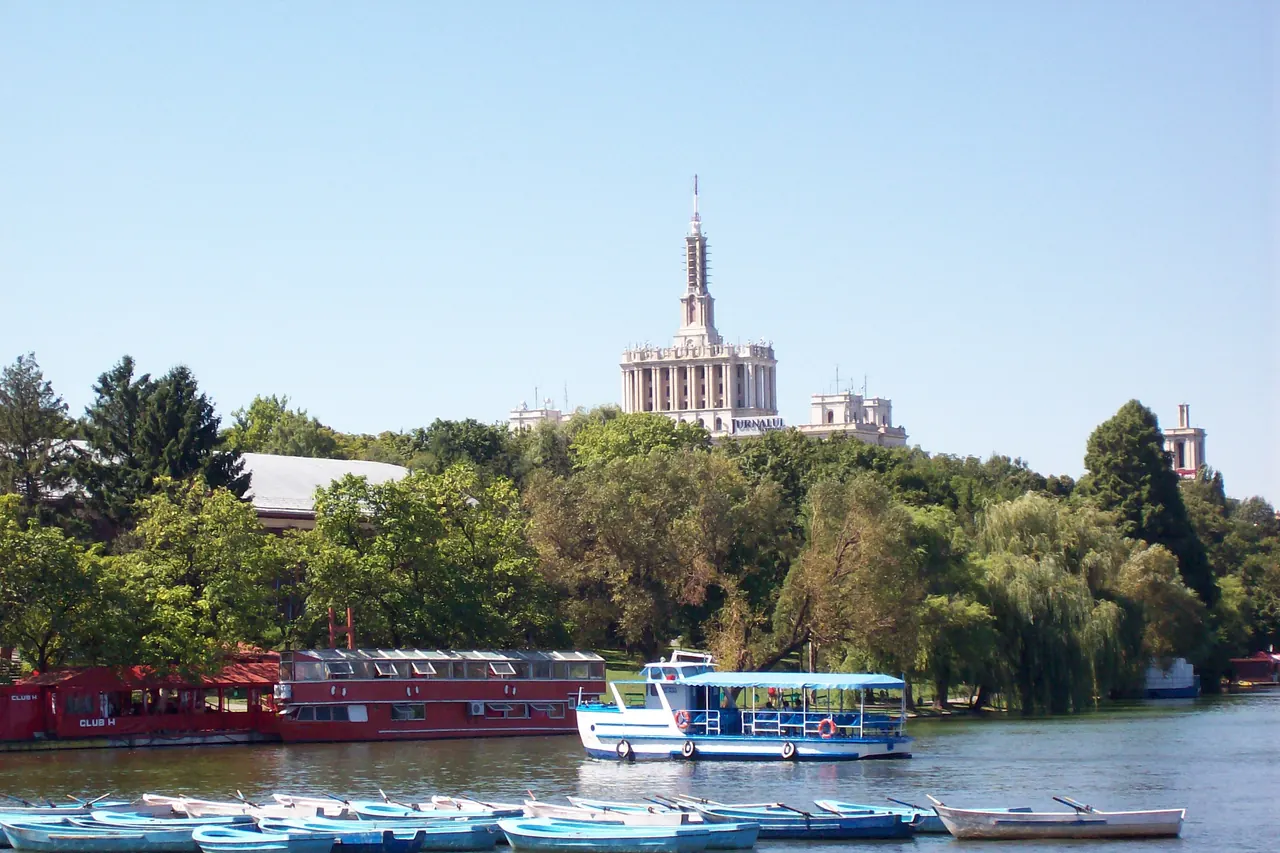
Herastrau, officially King Michael I Park, suits a stay where walks and outdoor breaks are daily priorities. The lake gives northern Bucharest a very different scale from the Old Town, and the Village Museum on the Kiseleff side adds a substantial cultural visit. Dining around the park and neighbouring streets can anchor an evening without heading south every night. Specify which edge you want: a hotel near Charles de Gaulle Square feels different from one beyond the far side of the lake.
Metrorex's Aviatorilor station on M2 is the useful southern park reference, not a promise that every Herastrau property is close to rail. The airport lies north of the city, but access still depends on the road or bus stop serving the address. Broad roads, a large park footprint and repeated metro trips to central sights are the price of this base. Ask about current lake and path maintenance if those walks drive the booking. Choose Piata Victoriei for northern museums with stronger interchange access, or Cismigiu for greenery much nearer the historic centre.
Plan it well: The map pin marks King Michael I Park, an orientation point for this area, not its boundaries.
Dimitrie Gusti National Village MuseumCotroceni: residential streets and a slower city visit
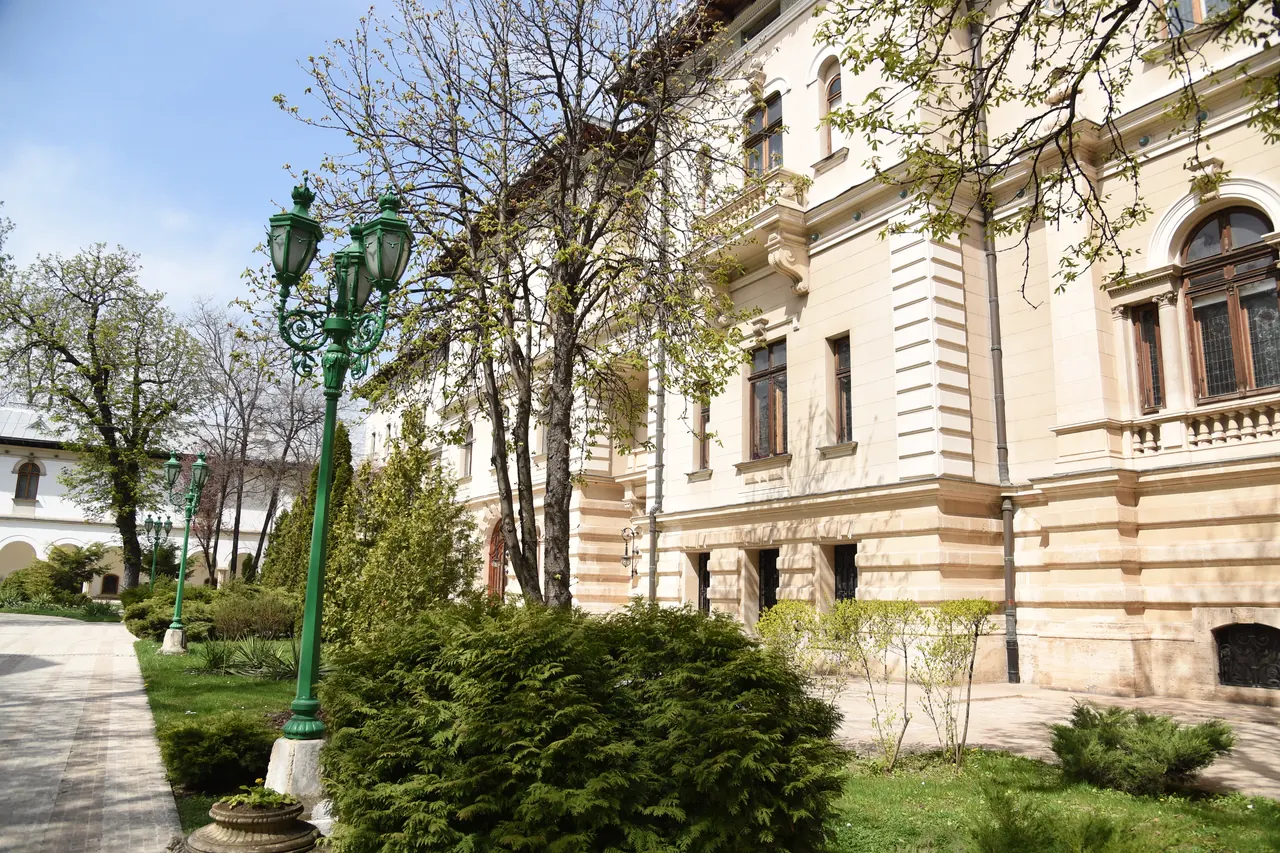
Cotroceni is the choice for a trip that includes looking at houses, lingering over coffee and returning to a residential street. The palace and museum complex give the area its name recognition, while the Botanical Garden adds an outdoor visit nearby. The streets around them offer a different Bucharest from either Lipscani's terraces or the monumental central boulevards. Choose it because you want that daily setting, not because a palace photograph implies your room sits inside the complex.
Metrorex shows Eroilor as an M1, M3 and M5 interchange; Politehnica on M3 may better suit addresses farther west. Neither station serves every street equally, and airport arrivals need a connection or road transfer. Museum admission is a separately controlled visit, not a benefit of sleeping in the neighbourhood. The trade-off is a less concentrated evening dining circuit and more travel when your plans keep returning to Old Town or the Athenaeum. Cismigiu offers a more central compromise; Cotroceni rewards a longer stay with room for the western side of the city.
Plan it well: The map pin marks Cotroceni Palace, an orientation point for this area, not its boundaries.
National Heritage Institute: Cotroceni MuseumArriving and getting around
Match the airport bus to the central corridor
The airport lists STB line 100 for the city centre, and the operator identifies Piata Unirii 2 as its city endpoint. Use the live stop list for Piata Victoriei and other central approaches; a hotel on Calea Victoriei is not automatically beside a line 100 stop.
STB: airport line 100 timetableDistinguish the airport train from the metro
Henri Coanda Airport lists a rail connection to Bucuresti Nord. Continue from the station using the city network or a road transfer. Metrorex's current map distinguishes operating lines from planned extensions; do not book on the assumption of an operating airport metro.
Bucharest Airports: train connectionUse the actual metro entrances
Metrorex's map shows M2 through Universitate, Piata Romana, Piata Victoriei and Aviatorilor; Eroilor joins M1, M3 and M5. Check the walk and road crossings from the hotel, particularly around large squares and northern parks.
Metrorex: network mapFind your Bucharest base
Compare Bucharest hotels by the specific part of the city you want to return to each evening. Use the nearest practical metro entrance alongside the area name: an Old Town lane, an Athenaeum-side address and a northern lake hotel deliver different stays.
Explore Bucharest hotels