
Miami city guide
Where to stay in Miami
Choose between an ocean-front Miami Beach stay and mainland bases for museums, business, street art or leafy neighbourhood dining. Seven areas offer very different daily journeys.
Plan your visit
Miami Beach and mainland Miami are not interchangeable hotel locations. Choose the ocean side for repeated beach days, or a mainland neighbourhood for the sights and evenings you want nearby. Crossing the bay becomes part of the itinerary, while Coconut Grove and Coral Gables offer a different pace again.
Choose your base
South Beach is the strongest all-round beach-and-city break; Mid-Beach puts resort facilities ahead of the Art Deco street scene. Downtown suits museums and events, while Brickell is the business-and-dining choice. Wynwood favours art and late evenings. Coconut Grove offers village streets by the bay; Coral Gables combines dining with a more spread-out historic setting. Miami Beach and Coral Gables are separate municipalities within this wider destination.
South Beach: beach days with an Art Deco evening
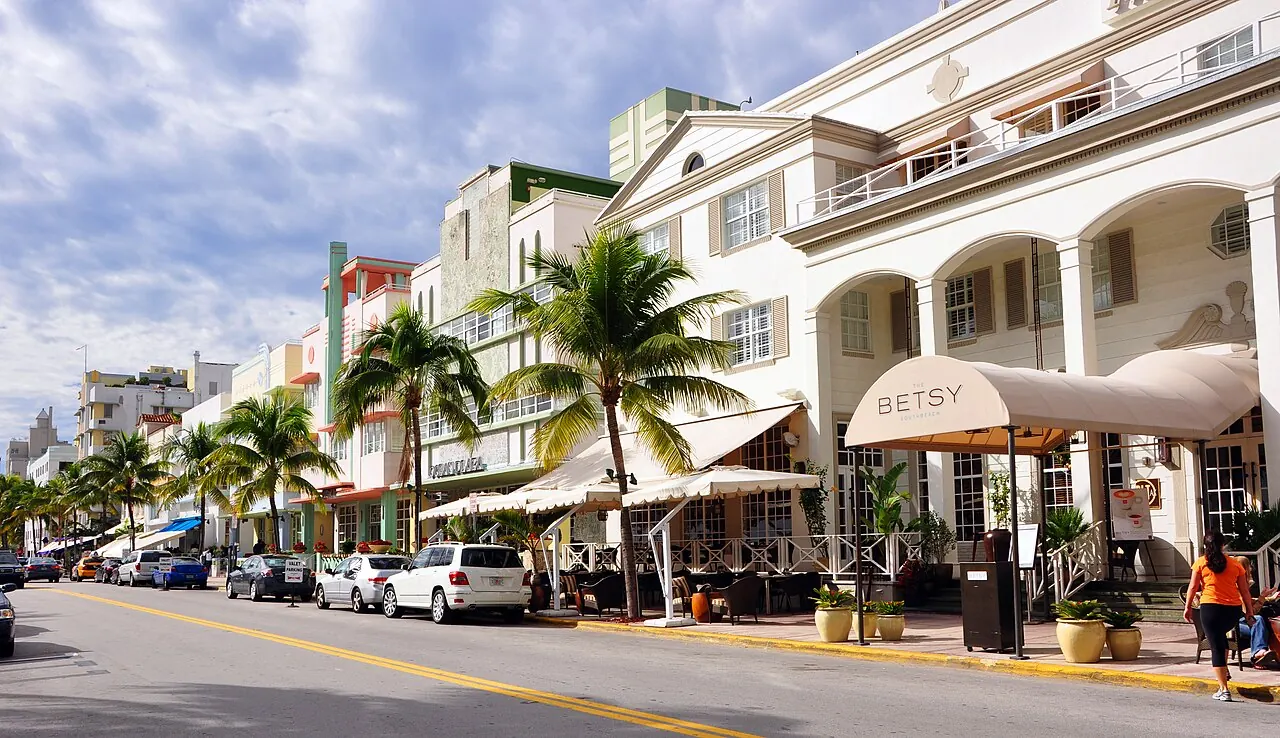
South Beach works when you want sand, architecture and dinner to sit within the same daily orbit. Ocean Drive faces Lummus Park and the beach; Washington Avenue gives access to the Wolfsonian, while Lincoln Road offers another concentration of restaurants and shops farther north. The South of Fifth end puts South Pointe Park nearby, but it is a different pocket from a hotel beside Lincoln Road. Choose the exact street around the part of this long neighbourhood you will use most.
Miami-Dade's route 150 Airport Express connects the airport intermodal station with Miami Beach, including Collins Avenue and Washington Avenue. The city's South Beach trolley adds local connections. There is no mainland Metrorail station on the beach. Ocean Drive's evening activity can be a drawback for early sleepers, and repeated museum or business trips across the causeways favour Downtown or Brickell instead.
Plan it well: The map and photograph show Ocean Drive, one South Beach street, not the boundaries of the whole neighbourhood.
Greater Miami tourism: South BeachMid-Beach: resort time without the South Beach doorstep
Mid-Beach is the Collins Avenue resort stretch north of South Beach, with large beach hotels, the Faena District and a seaside walking route. It suits travellers who plan to use their hotel's pool, restaurants and ocean access repeatedly, rather than treat the room as a launch point for ten different sights. Dining is concentrated around hotel restaurants and selected street clusters, so a hotel near 41st Street offers a different evening arrangement from one farther north along Collins.
Route 150 serves the 41st Street and Collins corridor from the airport intermodal station, but its actual stops matter more than the words 'Miami Beach' in a listing. Miami Beach's Middle Beach Loop and Collins Express trolley routes help with local movement. The compromise is distance from the Art Deco core and South Pointe: choose South Beach if walking out to those streets every evening is the main attraction.
Plan it well: This is a Mid-Beach area anchor. Check the hotel against the current airport-bus and trolley stops.
Greater Miami tourism: Mid-BeachDowntown: museums, bayfront walks and event nights
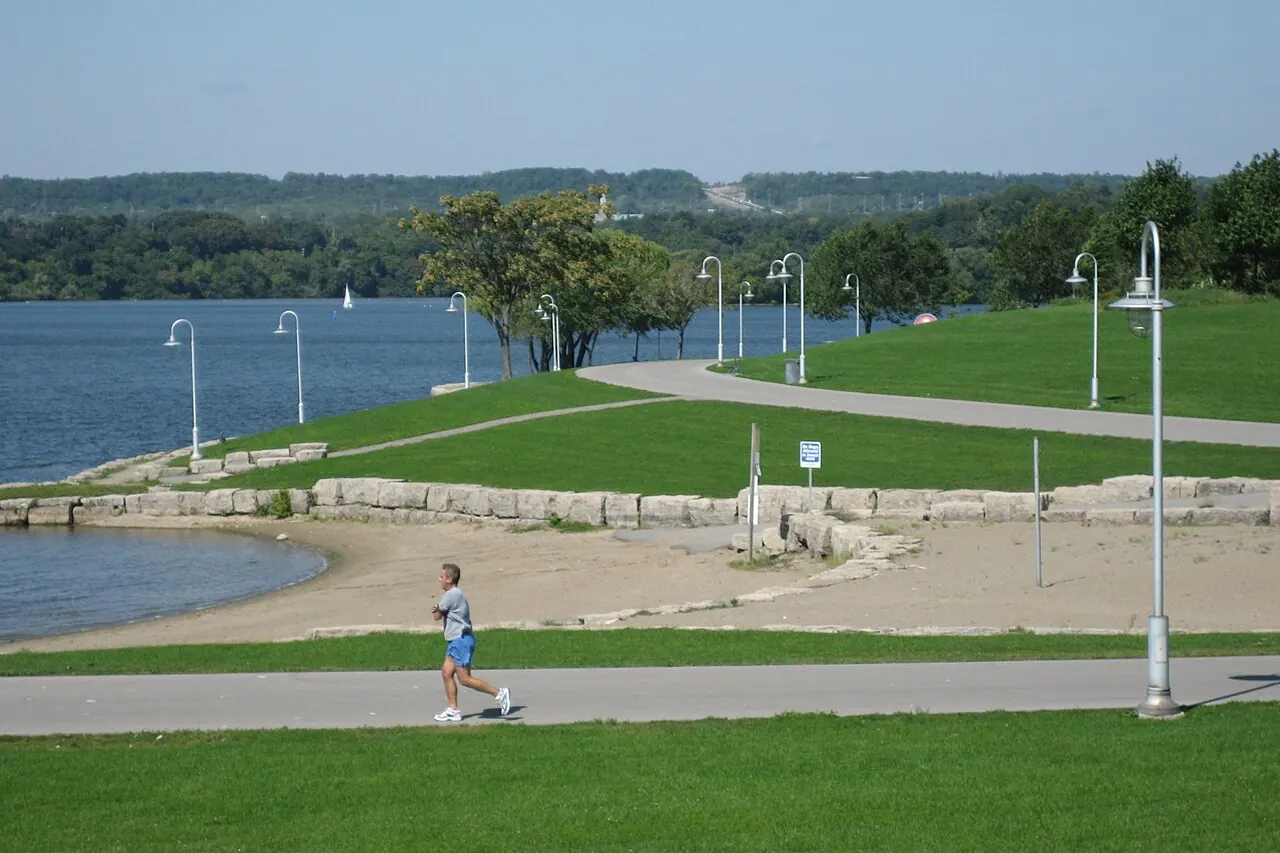
Downtown places Bayfront Park, Bayside Marketplace and the Freedom Tower in the same mainland district, with Frost Science and the Perez Art Museum farther north beside the bay. That makes it useful for a museum-led stay or an event at the Kaseya Center, without making an ocean beach the centre of every day. Bayside provides waterfront dining, while the surrounding business streets have a different character from the beach's continuous leisure strip.
Government Center gives access to Metrorail and the free Metromover loops serving Downtown, Omni and Brickell. From MIA, use the MIA Mover to the intermodal station and check whether the Orange Line runs through or requires an Earlington Heights transfer. Event crowds and the large roads between waterfront attractions affect the feel of a particular address. Choose South Beach for daily swimming, or Coconut Grove for a smaller neighbourhood evening.
Plan it well: Bayfront Park is the map anchor; the northern museum cluster is a separate part of Downtown.
Greater Miami tourism: DowntownBrickell: business connections and high-rise dining
Brickell sits south of the Miami River and is the most straightforward choice when meetings, modern hotels and restaurant evenings are the priorities. Brickell City Centre supplies a concentrated shopping-and-dining destination; the Mary Brickell Village side adds another restaurant cluster. This is a high-rise urban base, with river and bay outlooks in places, not a substitute for an ocean-front hotel. A room described as central Miami can still be several substantial blocks from the station or your evening plans.
Brickell station links Metrorail with the Brickell Metromover loop, making Downtown museums accessible without a cross-bay journey. Airport rail uses the Orange Line arrangement, including the published Earlington Heights transfer periods. Busy junctions and office traffic are the meaningful trade-off, and a bay view does not provide a beach. Choose Wynwood for a street-art-led evening scene, or South Beach when sand should be outside the door.
Plan it well: The area pin identifies Brickell; compare the actual station-to-hotel route rather than a high-rise's view.
Greater Miami tourism: BrickellWynwood: street art and restaurant-led evenings
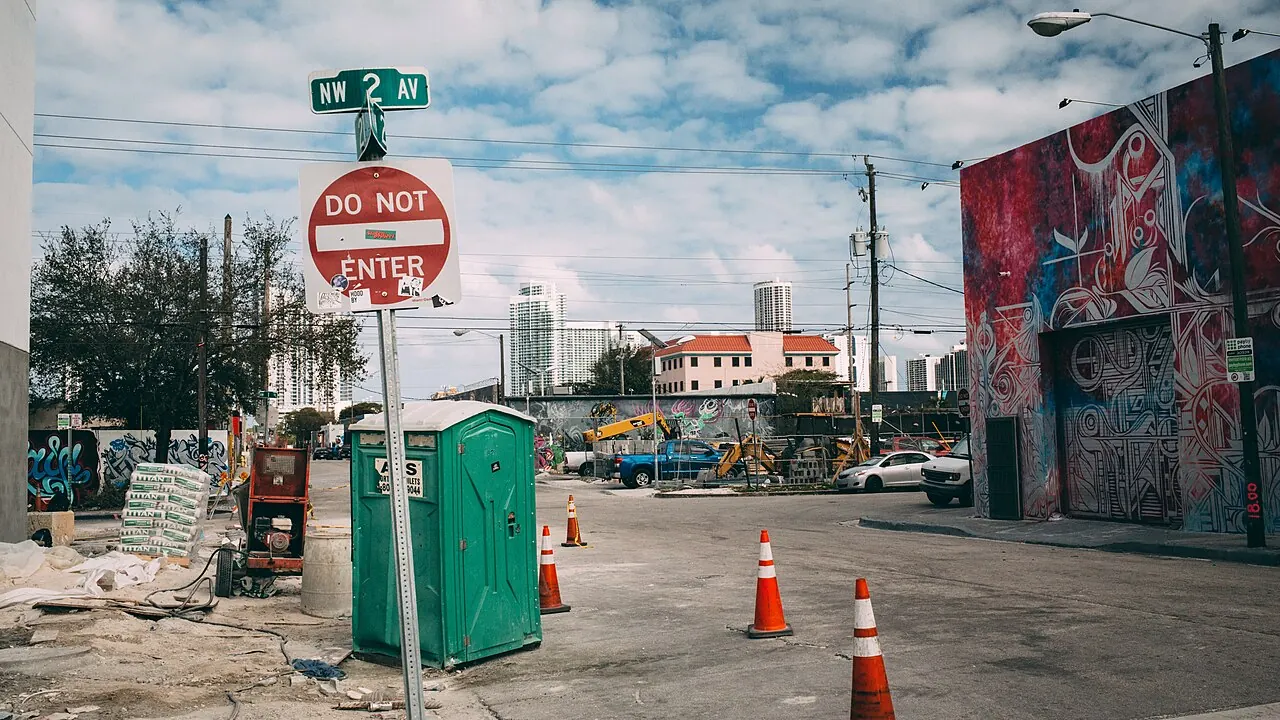
Wynwood is a useful stay when the neighbourhood itself is a major part of the trip. Wynwood Walls and the Museum of Graffiti anchor the art scene, with galleries, breweries and restaurants filling surrounding former industrial streets. Staying here makes it easier to revisit murals at different times and keep an evening local, rather than add a return journey after dinner. The photographs and warehouse frontage give a very different Miami experience from either a bayfront business hotel or an ocean resort.
There is no Metrorail station in the middle of the art district. Airport rail therefore still leaves a road connection to the hotel; city trolley services should be checked for the actual route and operating day. Bars and events make street and room position important for sleep. Choose Downtown or Brickell if rail-led sightseeing matters most, and Mid-Beach if the hotel pool and beach should define the day.
Plan it well: The credited photograph is a location-verified Wynwood streetscape from 2016, not a current image of the ticketed Wynwood Walls.
Greater Miami tourism: WynwoodCoconut Grove: village dining beside Biscayne Bay
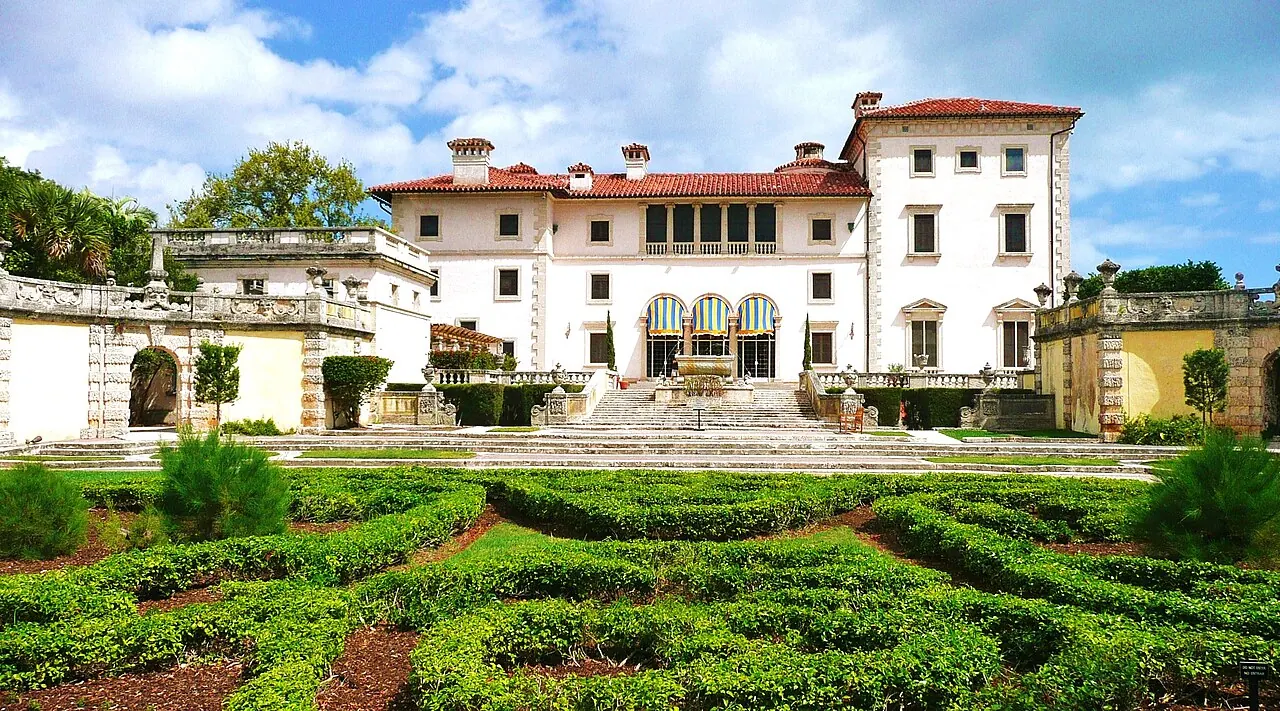
Coconut Grove centres on CocoWalk and the dining streets around Main Highway and Grand Avenue, with Peacock Park and the Barnacle close to the bay. It is an appealing base for travellers who want meals, small-scale walks and a waterfront pause to form the everyday routine. Vizcaya lies in the broader Grove area to the north, but should be planned as its own visit rather than imagined beside CocoWalk. The waterfront here is Biscayne Bay, not an ocean swimming beach.
Coconut Grove Metrorail station is inland from the village centre; Vizcaya has its own station farther north. Both are on the rail corridor used by airport Orange Line services, subject to the operator's transfer periods. A centrally placed village hotel is useful for evenings but not necessarily a short luggage walk from rail. Choose Brickell for station-centred convenience, or Miami Beach for sand rather than marinas and bayfront parks.
Plan it well: The pin and photograph identify Vizcaya, north of the Grove's CocoWalk dining centre; they are not a hotel-cluster pin.
Greater Miami tourism: Coconut GroveCoral Gables: dining streets and historic surroundings
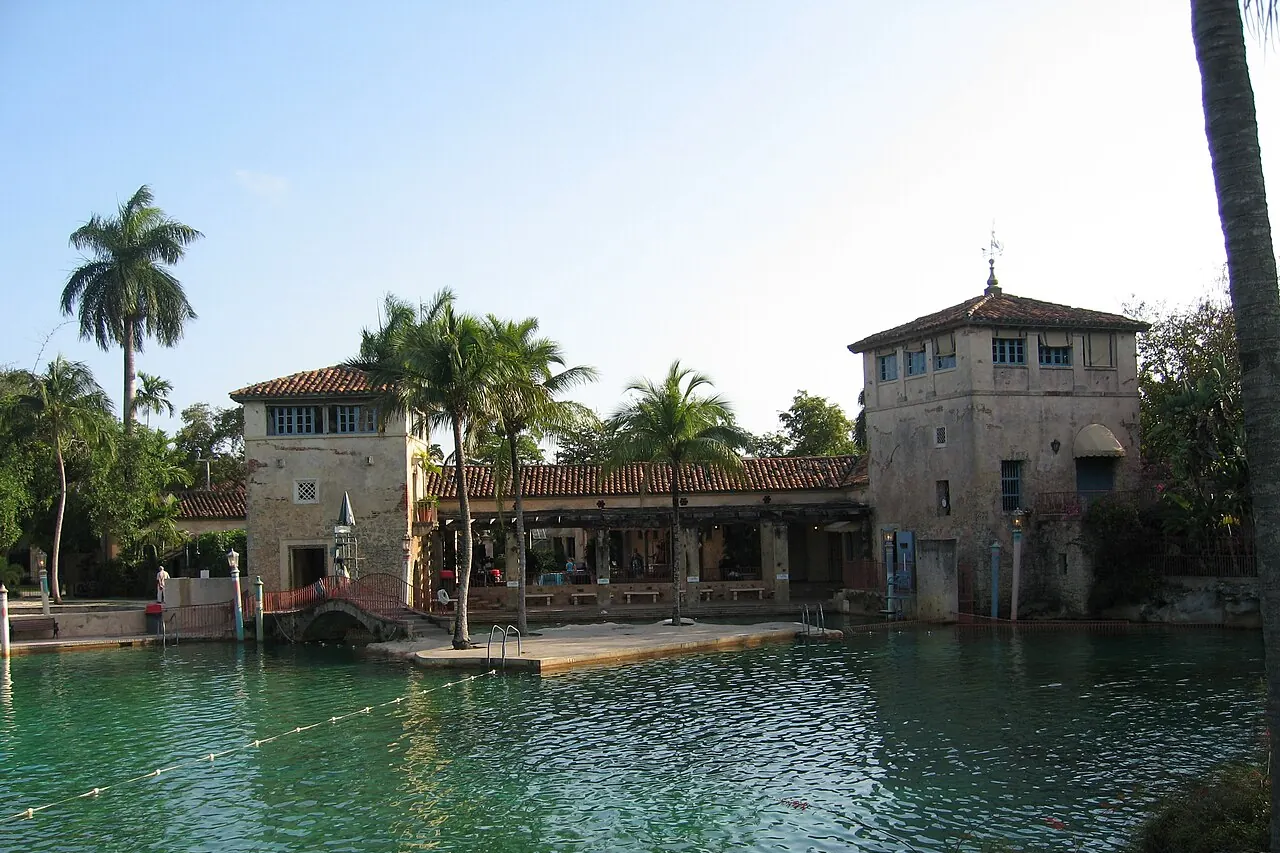
Coral Gables is a separate city whose visitor-friendly centre is the Miracle Mile and pedestrian Giralda Plaza dining area. The Coral Gables Museum adds context between meals, while the Biltmore and Venetian Pool sit farther west among the residential streets. This works well when that mainland setting is an attraction in its own right, rather than a place to sleep before commuting to the ocean. Fairchild Tropical Botanic Garden is farther south again and is an outing, not a walk around the central restaurant district.
Douglas Road Metrorail station connects with the city's Ponce de Leon trolley, giving an airport-rail option followed by a local transfer. The trolley's published schedule excludes Sundays and certain holidays. Central dining can be walkable, but the wider attractions are spread out, so a car-free plan needs more thought than in Brickell. Choose South Beach for continuous beach access, or Downtown for a denser concentration of museums and rail connections.
Plan it well: The map shows Venetian Pool west of Miracle Mile, not the centre of the Giralda Plaza restaurant cluster.
Greater Miami tourism: Coral GablesArrival and local connections
Plan the airport journey around the side of the bay you are staying on. An airport rail stop, a Metromover stop and a beach trolley stop are different parts of the transport system.
MIA terminals to mainland rail
The MIA Mover links the terminals with the intermodal centre. Miami-Dade's current rail guide shows Orange Line airport-through service during part of the week, with an Earlington Heights shuttle transfer on weekends and during the published evening arrangement.
Miami-Dade: current Metrorail guideAirport bus to Miami Beach
Route 150 starts at the airport Metrorail/intermodal station, not at every terminal exit, and serves the 41st Street, Collins Avenue and South Beach corridor. Compare its stop with your particular hotel.
Miami-Dade: MIA Metrobus servicesBeach neighbourhood connections
Miami Beach runs the South Beach Loop, Middle Beach Loop, Collins Express and North Beach trolley routes. Consult the current route and tracker for the journey you need.
City of Miami Beach: trolley routesDowntown and Brickell
Metromover serves Downtown, Omni and Brickell; service interruptions can change the connection. It does not carry you across the bay to Miami Beach.
Miami-Dade: MetromoverCoral Gables last mile
The Ponce de Leon trolley connects Douglas Road Metrorail with the central corridor. The operator lists Monday-to-Saturday operation and no Sunday service.
City of Coral Gables: trolleyFind a Miami hotel in your chosen base
Compare Miami hotels with the neighbourhood decision already made: an ocean-front South Beach room serves a different trip from a station-centred Brickell address. For the Grove or Coral Gables, put the evening dining cluster and the last connection from rail alongside the room facilities.
Explore Miami hotels