
San Francisco city guide
10 things to do in San Francisco
Explore the bay, neighbourhood streets and major museums without treating San Francisco as one long waterfront checklist. These ten stops balance famous views with places worth slowing down for.
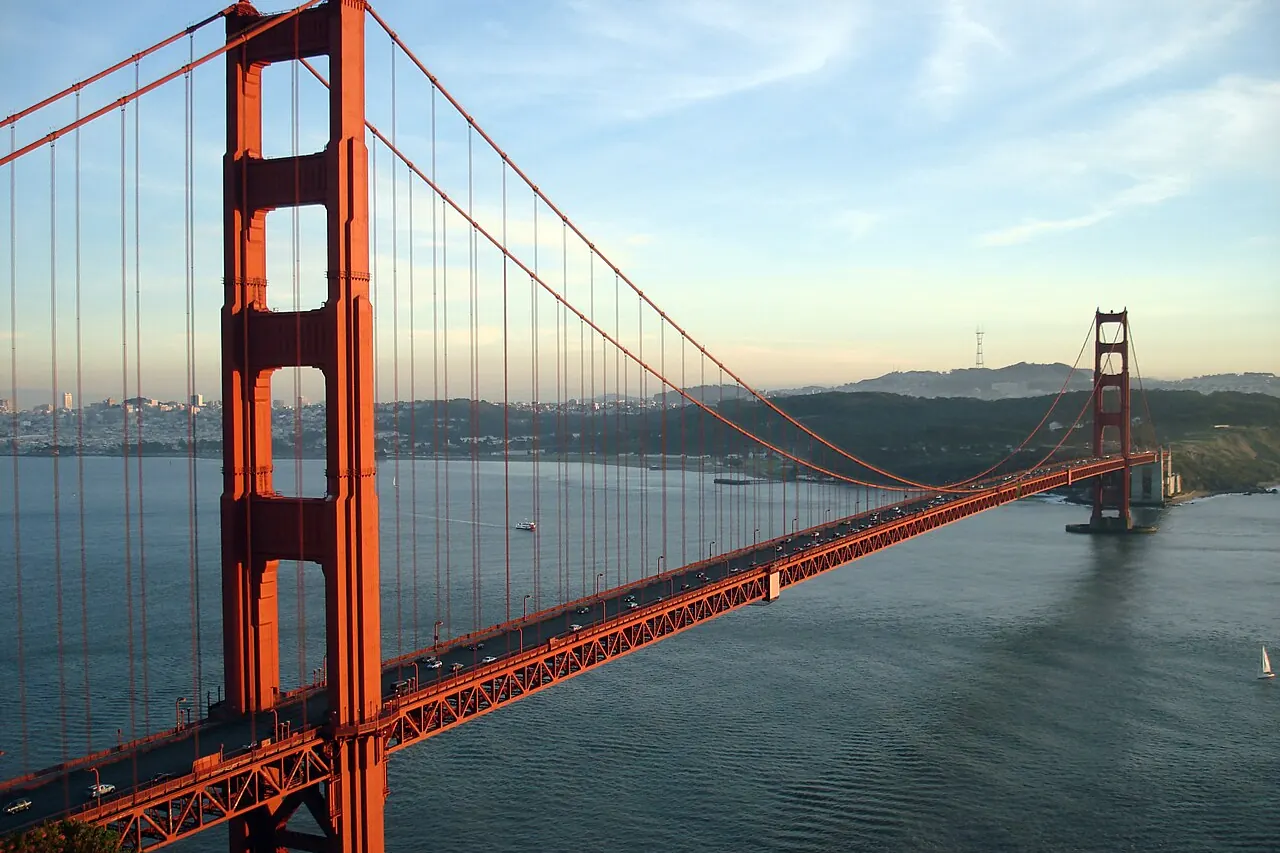
Plan your visit
San Francisco rewards a plan built around neighbourhoods, not a list of pins crossed off in order. The waterfront has several easy combinations, while the Golden Gate Bridge and Golden Gate Park need separate journeys. Hills, wind and museum visits can all make a short-looking route take longer than expected. Choose one major reservation per day, then leave room for a meal and a change of weather. Alcatraz, the Exploratorium and SFMOMA each deserve more attention than a hurried gap between photographs. The two-day route below is deliberately selective; the ten places are alternatives to shape around your interests.
Walk beside the Golden Gate Bridge
The Golden Gate Bridge is most rewarding when you give yourself a little time beside it rather than simply driving across. From the San Francisco end, the towers, suspended roadway and changing light over the strait make a short walk feel quite different from the familiar postcard. You do not need to complete the crossing to appreciate its scale. Choose a turnaround point that suits your energy and leave space for watching the water instead of concentrating on a distance target.
Pedestrians use the east sidewalk, and its access hours and construction notices should be checked with the bridge district before setting out. Cycling follows different arrangements, so do not assume a rental-bike route is also a walking route. Bring an extra layer even when downtown feels warm, keep clear of moving bicycles and secure anything that could blow away. Plan the return journey before crossing; an ambitious walk into Marin can complicate an otherwise relaxed city day.
Plan it well: Check pedestrian closures separately from bicycle access; a short out-and-back is a valid bridge visit.
Golden Gate Bridge district: pedestrian accessGive Alcatraz a proper half-day
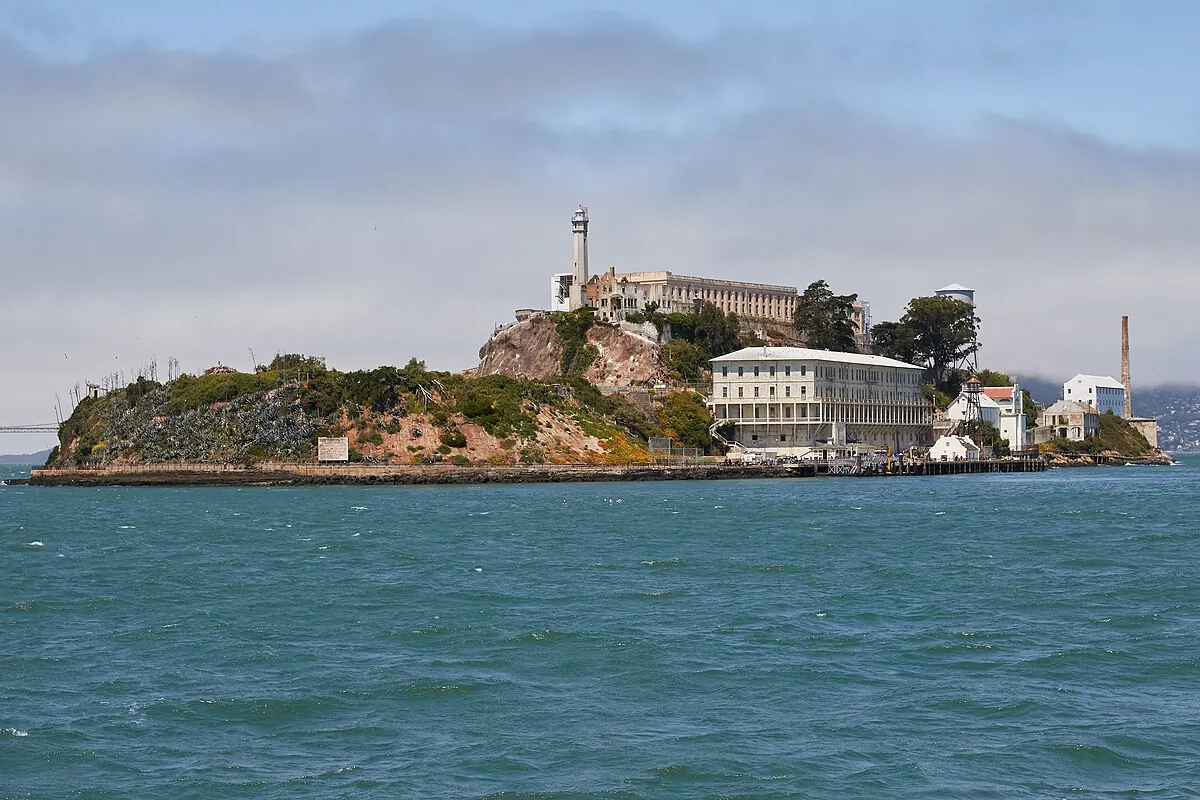
Alcatraz is an island visit, not just a view of the former prison from a sightseeing boat. The approach across the bay introduces the separation that shaped the place, while the buildings and interpretation offer a more complicated story than a collection of escape legends. Allow time to absorb the accounts you encounter rather than rushing through for the best-known cells. Look beyond the prison narrative too: the island has military history and an important place in the history of Indigenous activism.
Start with the National Park Service visitor information and its authorised ferry operator, then build the surrounding day around that departure. A cruise described as passing Alcatraz is not necessarily a landing ticket. Pier 33 is the departure point for island visits, not the Ferry Building or Pier 39. Wear comfortable shoes, check the accessibility arrangements that suit your needs and keep the return sailing in mind. Wind on the crossing and exposed parts of the island is a reason to pack a layer.
Plan it well: Confirm that your reservation includes landing on the island before paying for a bay cruise.
National Park Service: planning an Alcatraz visitMake the Ferry Building a food stop
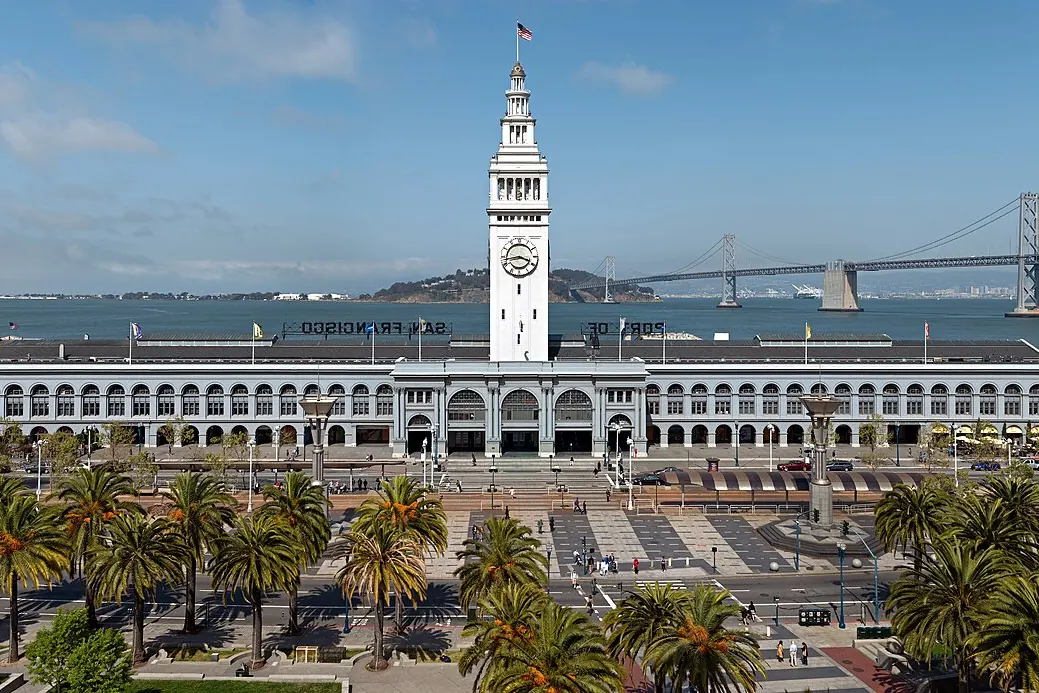
The Ferry Building works best as an unhurried waterfront meal rather than a quick photograph of its clock tower. Explore the marketplace, compare a few counters and pick something you genuinely want to eat before moving on. It is a useful introduction to the city through food, and the working ferry setting keeps it connected to everyday travel around the bay. Step outside afterwards to see how the building sits between the street, the water and the wider waterfront.
Individual businesses and market events have their own schedules, so a building visit does not guarantee that every counter will be serving. Check the marketplace directory if a particular producer is your main reason for coming. This is a convenient starting point for an Embarcadero walk towards the Exploratorium, but do not confuse that stroll with an Alcatraz departure. If you plan to take a commuter ferry, read the operator timetable separately and allow boarding time rather than treating the marketplace clock as your only guide.
Plan it well: Choose your lunch stop first, then check its own opening information rather than assuming uniform marketplace hours.
Ferry Building MarketplaceExperiment at the Exploratorium
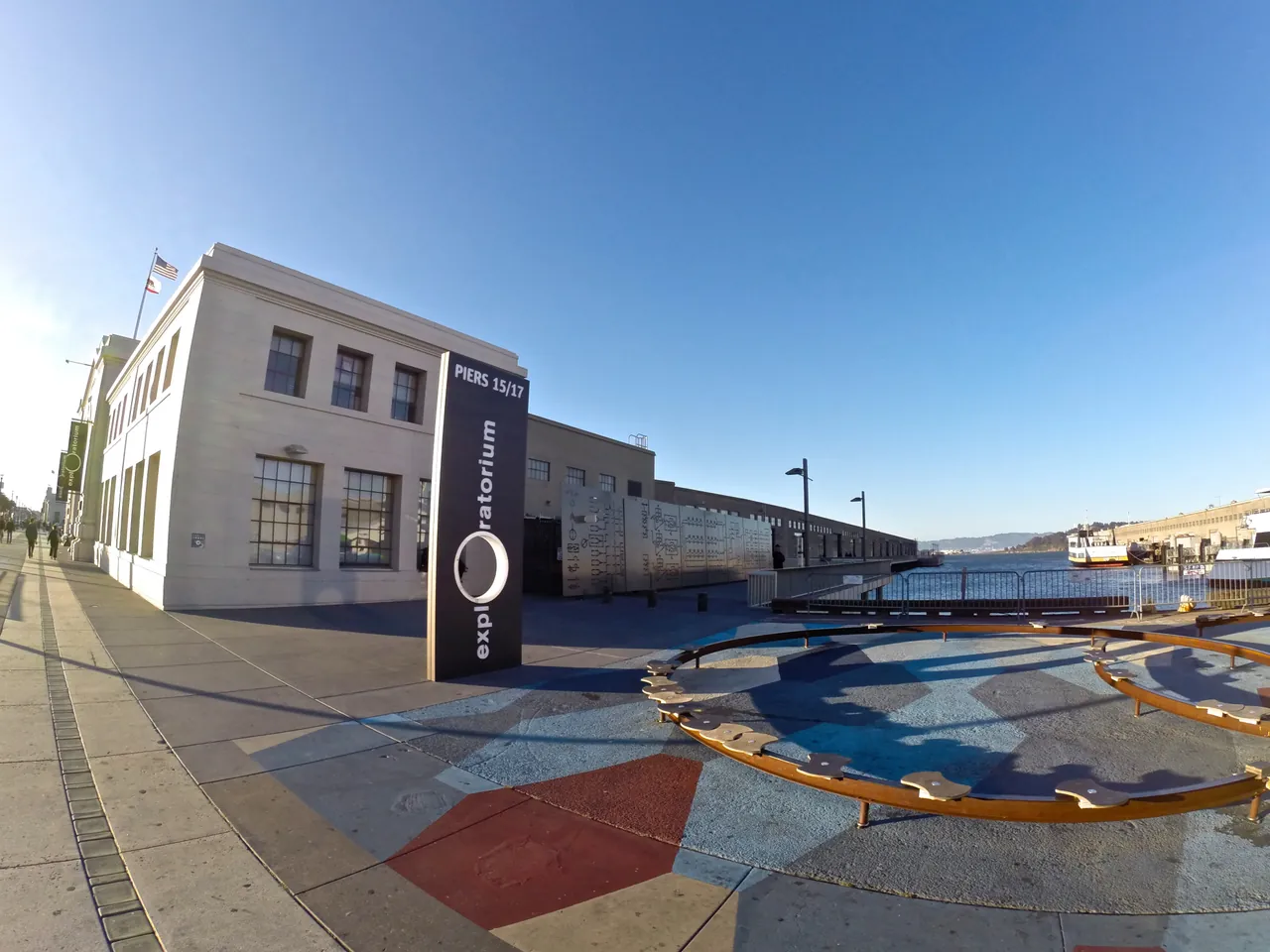
The Exploratorium is a museum for trying things, comparing results and changing your mind. Its appeal lies in the time you spend with an exhibit, not in how many galleries you pass through. Pick something that catches your attention, make a prediction and test it before reading the explanation. That approach works for adults as well as children and can turn a familiar scientific idea into something surprising. A visit is especially satisfying when your group has enough time to discuss what happened.
The current waterfront museum is at Pier 15; old photographs or addresses referring to the Palace of Fine Arts can lead you to the wrong part of the city. Check the museum calendar and admission options before choosing a day, particularly if you are considering an evening programme. Give the hands-on visit its own block of time and take a break when attention starts to fade. The nearby Ferry Building is a practical meal partner, but an ambitious multi-museum afternoon can leave little energy for either.
Plan it well: Use Pier 15 in your navigation and select the admission session that matches everyone in your group.
Exploratorium: visitLook for sea lions at Pier 39
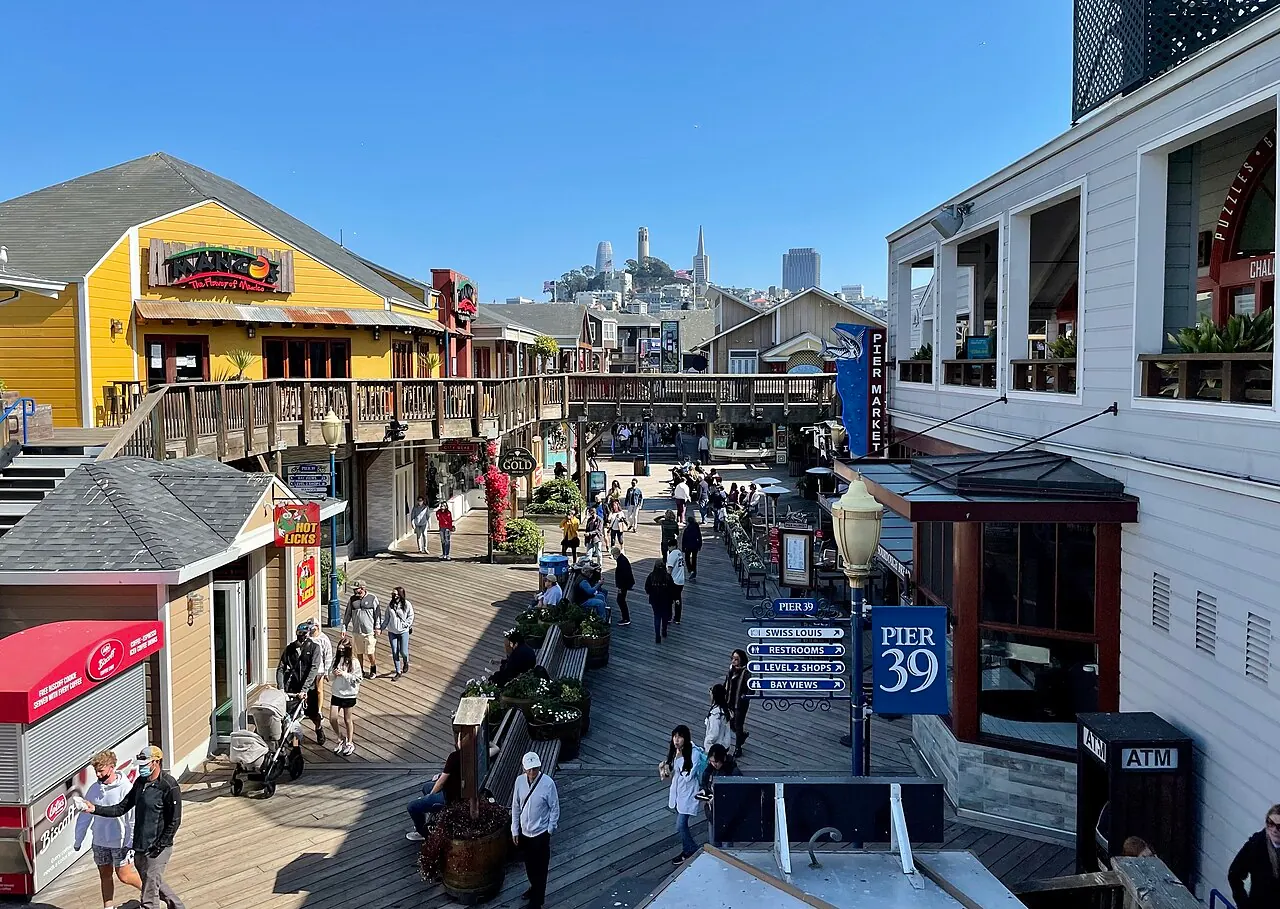
Pier 39 offers a busy, unapologetically visitor-oriented version of the waterfront, with shops, eating places and views over the bay. The sea-lion viewing area gives it a more distinctive reason to stop than souvenir browsing alone. Watch from the designated public areas and let the animals set the pace. The number present can change, so approach it as a wildlife opportunity rather than a guaranteed performance. A brief, attentive look is often more memorable than a long circuit of every shop.
Keep this stop flexible around an Alcatraz visit or a northern waterfront walk instead of reserving an entire day for it by default. Pier 39 and Pier 33 are different locations, and a meal queue can easily consume the time you intended for ferry check-in. Families should agree on a meeting point in the crowds, and anyone travelling with luggage should plan storage elsewhere. For a quieter contrast, step away from the busiest retail passages and spend a little time looking across the water.
Plan it well: Sea lions are wild animals; do not promise children a particular number or try to feed them.
Pier 39: sea lionsExplore Chinatown beyond the gateway
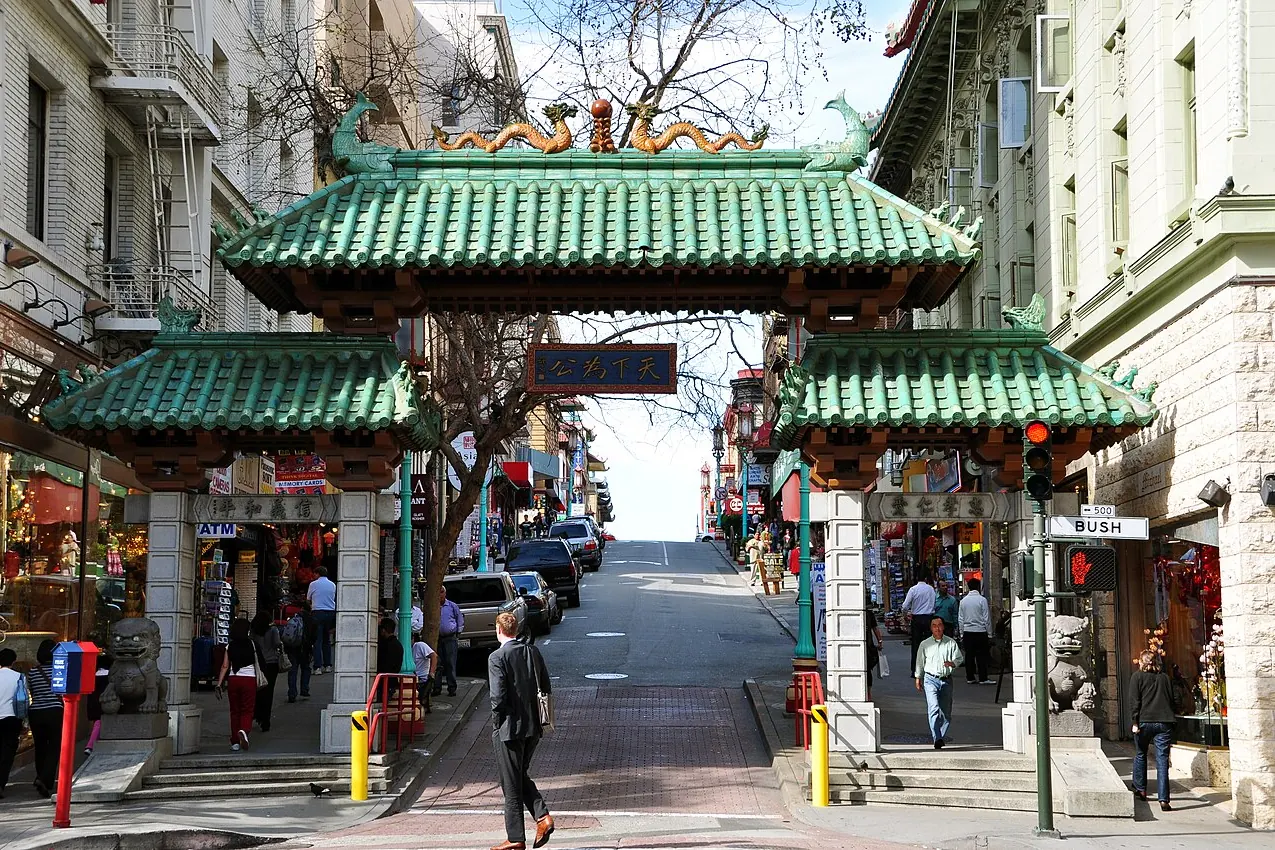
Chinatown is a neighbourhood to explore at street level, not simply a gateway to photograph. Start with a short stretch of Grant Avenue, then let side streets, food shops and everyday businesses broaden the picture. Comparing the visitor-facing main route with the quieter moments nearby makes the walk more interesting than searching for one definitive landmark. Choose a meal or snack according to your tastes and dietary needs, and give the place enough time to feel like part of the city rather than a decorative backdrop.
The route is easy to extend towards North Beach, but San Francisco distances need to be read together with their gradients. Save steep detours for a time when everyone has the energy for them. Businesses are independent, so there is no single neighbourhood opening schedule or guaranteed dining experience. Ask before photographing people at work, avoid blocking shop entrances and use a busy pavement as a reminder to keep bags close. A small purchase from a business you actually enjoy is more useful than treating residents as scenery.
Plan it well: Combine Chinatown with a meal and a manageable North Beach walk; avoid adding every nearby hill.
San Francisco Travel: ChinatownRead the layered history at Mission Dolores
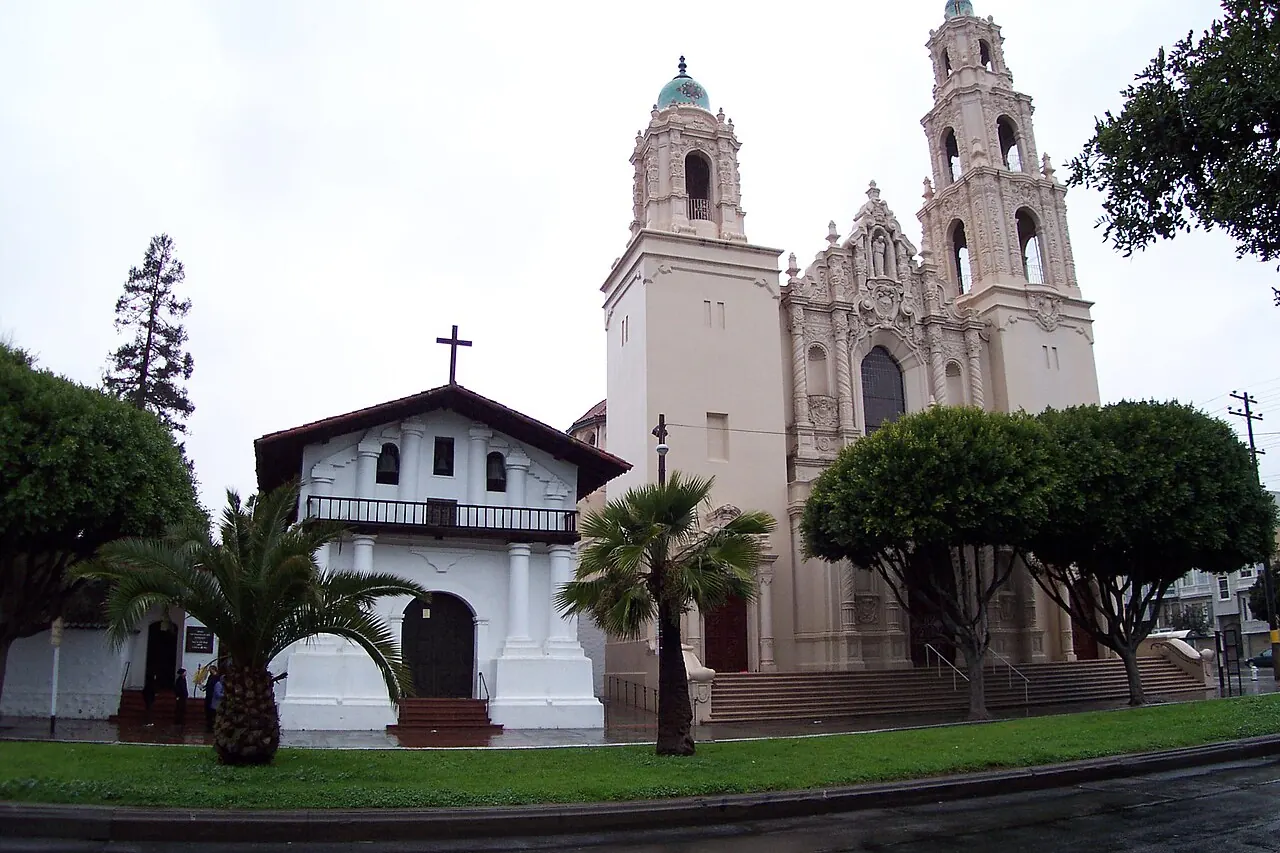
Mission Dolores introduces an older San Francisco beneath the better-known Gold Rush and technology stories. The old mission chapel, neighbouring religious buildings and cemetery invite a visit focused on history rather than scale. Read the interpretation carefully and make room for the Indigenous people whose lives are part of the mission story. A religious monument can be architecturally compelling while also raising difficult questions about colonial power, conversion and loss. That tension deserves more attention than a simple description of a picturesque church.
The parish publishes visitor information separately from its worship schedule, and you should check both before expecting unrestricted access. Treat the cemetery and chapel as places of remembrance, keep voices low and follow photography instructions. The Mission District around them offers an obvious next chapter through its food and street life, but it is worth separating that lively neighbourhood walk from the tone of the historic site. If you want a guided visit, verify availability rather than assuming a docent will be waiting at the entrance.
Plan it well: Read the current tour notice: a self-guided visit and a scheduled guided tour are not interchangeable.
Mission Dolores: Old Mission visitor informationSlow down in the Japanese Tea Garden
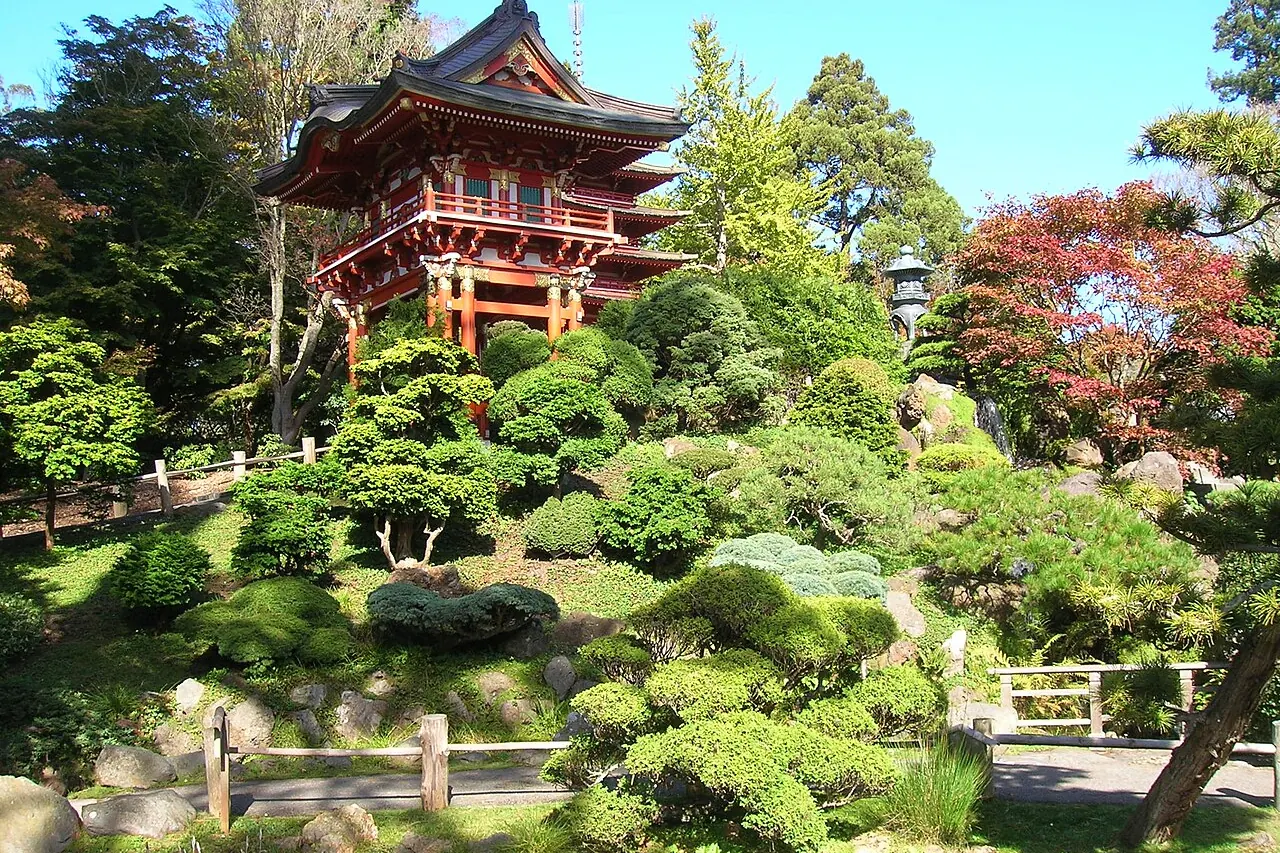
The Japanese Tea Garden is a change of pace from the waterfront and a good reason to spend part of a day in Golden Gate Park. Follow its paths slowly and notice the relationship between planted areas, water, buildings and carefully framed views. Rather than trying to reproduce the most familiar photograph, find a detail that rewards looking for a few minutes. The garden is most enjoyable when it has room in your schedule to be a pause, not merely the final attraction squeezed in before dinner.
Check garden admission through the linked official ticket information; the tea house and gift shop publish their own visitor details. Refreshments are optional and should not be mistaken for an entry reservation. Paths and features vary, so check accessibility information for your group instead of assuming every route is equally straightforward. The Music Concourse area offers other major cultural visits, but choose one additional museum rather than attempting them all. Golden Gate Park and the Golden Gate Bridge are different destinations requiring a deliberate transfer.
Plan it well: Do not navigate to the bridge for a garden visit: the garden is in Golden Gate Park.
Japanese Tea Garden: visiting the tea house and gardenChoose a focused route through SFMOMA
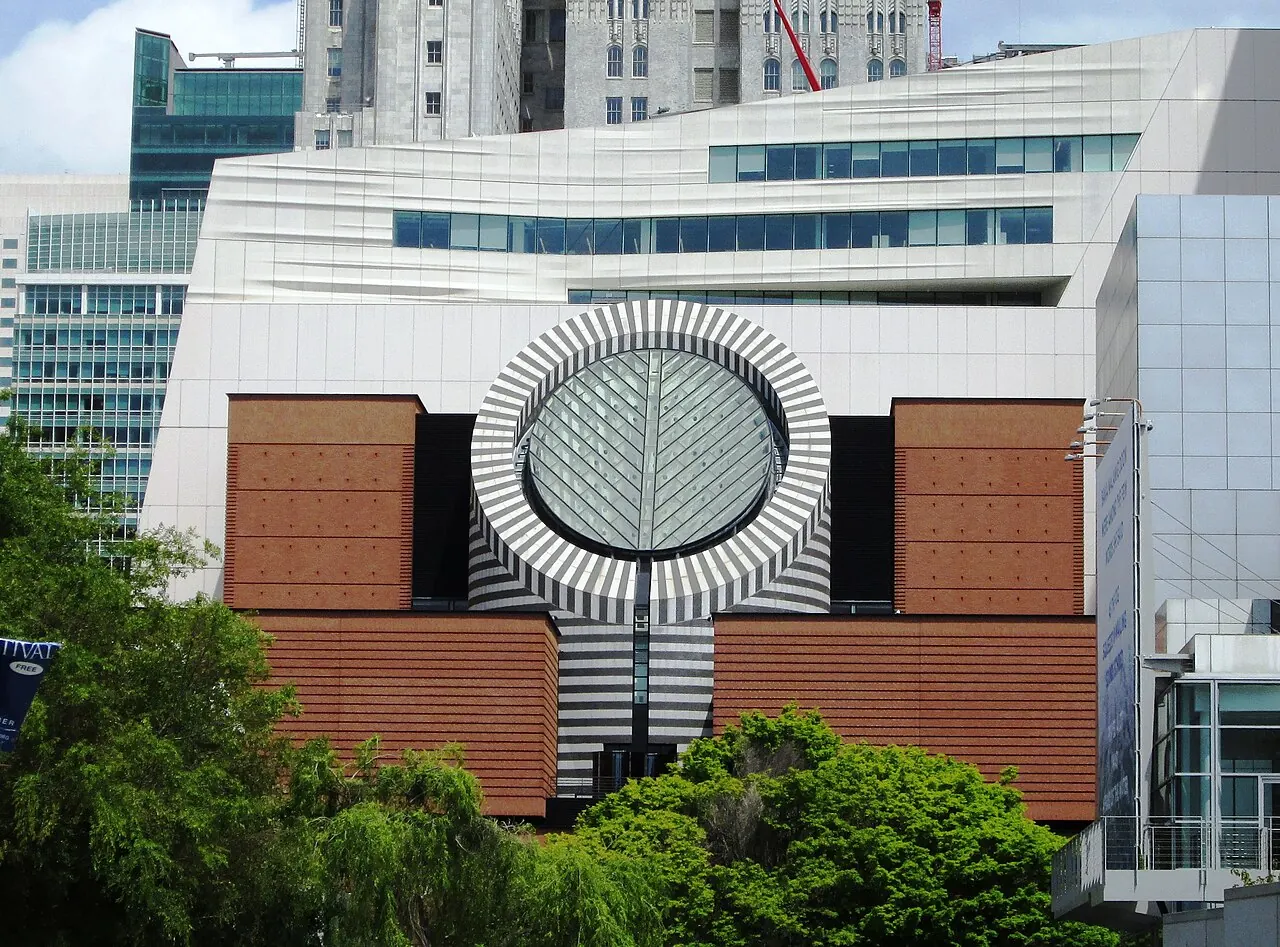
SFMOMA is a strong choice when you want a sustained encounter with art rather than a series of brief cultural stops. Look at the current exhibitions before arriving and choose a few galleries that genuinely interest you. Giving one artwork several minutes can be more rewarding than finishing every floor without remembering much. Modern and contemporary art also makes a useful counterpoint to the city's historic landmarks, asking different questions about materials, representation and the world beyond the museum walls.
Admission arrangements, special exhibitions and available galleries can change, so use the museum's visitor page to plan the visit you actually want. Leave a break between demanding galleries and avoid pairing the museum with another large indoor attraction unless that is the purpose of your trip. The surrounding SoMa area makes it possible to continue with a meal or a short outdoor pause. If your group has different interests, agree on a meeting time and let people spend longer with the work that matters to them.
Plan it well: Select two or three priorities from the current exhibition list instead of planning to see every floor.
SFMOMA: visitClimb towards Coit Tower for a different city view
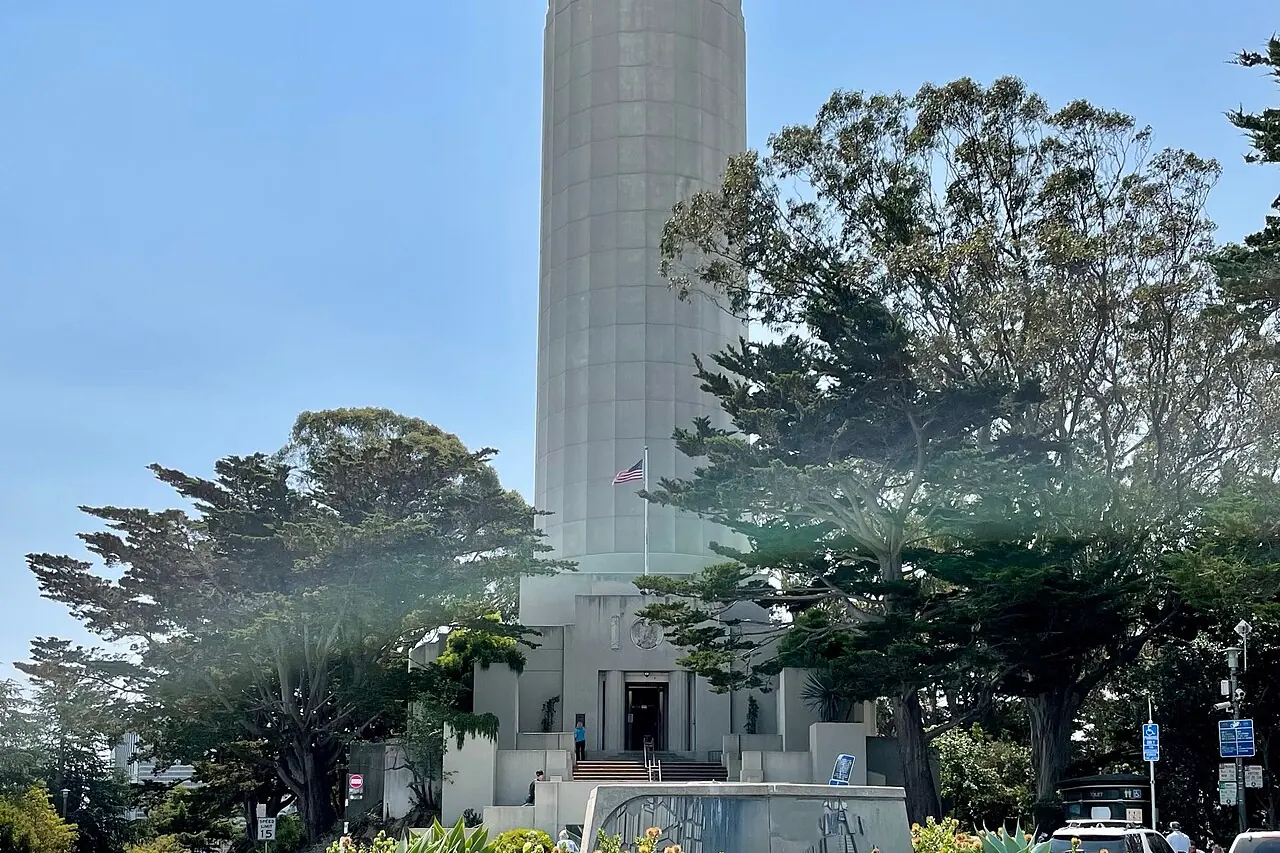
Coit Tower gives the northern city a different perspective from the bay-level attractions. The approach up Telegraph Hill is part of the experience, with streets and steps making the change in elevation tangible. Choose a route that suits your mobility rather than assuming the steepest ascent is the best one. Once at the top, take time to understand the waterfront and neighbourhoods below. The tower's murals give the interior a reason to visit beyond the prospect of another elevated photograph.
Check the parks department's current information for interior admission, lift arrangements and any access limitations. An exterior stop is different from a visit to the viewing level, and neither should be promised on the basis of an old timetable. If stairs are difficult, investigate the available transport approach before committing to a walking route. Keep to public paths through the surrounding residential area, lower voices beside homes and budget time for the descent. Chinatown and North Beach make sensible partners, provided the combined hills do not overwhelm the day.
Plan it well: Plan the uphill approach before selecting the tower as your last stop after a long waterfront day.
San Francisco Recreation and Parks: Coit TowerHow to spend two days in San Francisco
Day 1: the bay, with one main booking
Start with breakfast or browsing at the Ferry Building. Choose either a substantial Exploratorium visit or an Alcatraz landing booked for that day; do not squeeze both into a rushed morning. Continue towards Pier 39 if time allows, then finish with a meal in Chinatown or North Beach. Add Coit Tower only if the hills and remaining daylight suit your group.
Day 2: a western route or an art-and-history route
For an outdoor day, plan transport to the Golden Gate Bridge, then transfer to Golden Gate Park for the Japanese Tea Garden and an unhurried meal. These are separate locations, not one park circuit. Alternatively, give SFMOMA a morning and Mission Dolores an afternoon, using the intervening neighbourhoods for a break. Save the unused option for another visit.
Before you go
Book the visit, not just a boat
Use National Park Service links for an Alcatraz landing reservation and check the departure pier. A waterfront sightseeing cruise may never land on the island.
Plan for hills and bay weather
Bring layers, wear shoes suitable for slopes and compare transit options before committing to a long walk. A sunny downtown forecast does not eliminate wind near the bridge.
Keep the geography honest
Golden Gate Park and the Golden Gate Bridge are different destinations. Allow transfers to western attractions and avoid treating the entire city as a walkable waterfront loop.
Use operator information for each day
Museum sessions, special exhibitions, bridge access notices and ferry departures have different booking rules. Check the primary links again close to the visit.
Travel with less visible luggage
Keep valuables with you and do not leave bags on display in a parked vehicle. Choose practical storage before sightseeing rather than taking all your belongings between crowded stops.
Choose a base that fits your plans
Choose a base by the journeys you expect to repeat. Union Square and nearby central transit connections can suit a museum-led stay, but check the specific street and the last part of the walk to your hotel. Fisherman's Wharf is convenient for the northern waterfront and early Alcatraz plans. SoMa suits SFMOMA and some business stays. Compare transport links, parking costs, noise and accessibility rather than assuming every hotel labelled central is equally useful.
Explore San Francisco hotels