
Toronto city guide
Where to stay in Toronto
Compare Toronto's theatre streets, Old Town markets, Bloor museums, Chinatown food scene and High Park neighbourhoods, with realistic Pearson airport connections.
Plan your visit
Toronto rewards a base near the things you will do repeatedly, not simply an address described as downtown. The theatre district and Old Town sit close to different attractions, Bloor-Yorkville puts museums beside the subway, and the west end makes park days easier. Pearson's UP Express provides useful arrival gateways at Union and Bloor, but the final connection to your accommodation still matters.
Choose your base
Choose the Entertainment District for a short sightseeing trip with evening tickets; Old Town for the market, historic streets and east-downtown dining. Bloor-Yorkville suits museum and shopping days. Chinatown and the Grange put the AGO beside a varied food scene, while High Park is the deliberate west-end choice for greenery and a longer neighbourhood-focused stay. These are different daily routines, not five interchangeable downtown labels.
Entertainment District: shows and first-time sightseeing
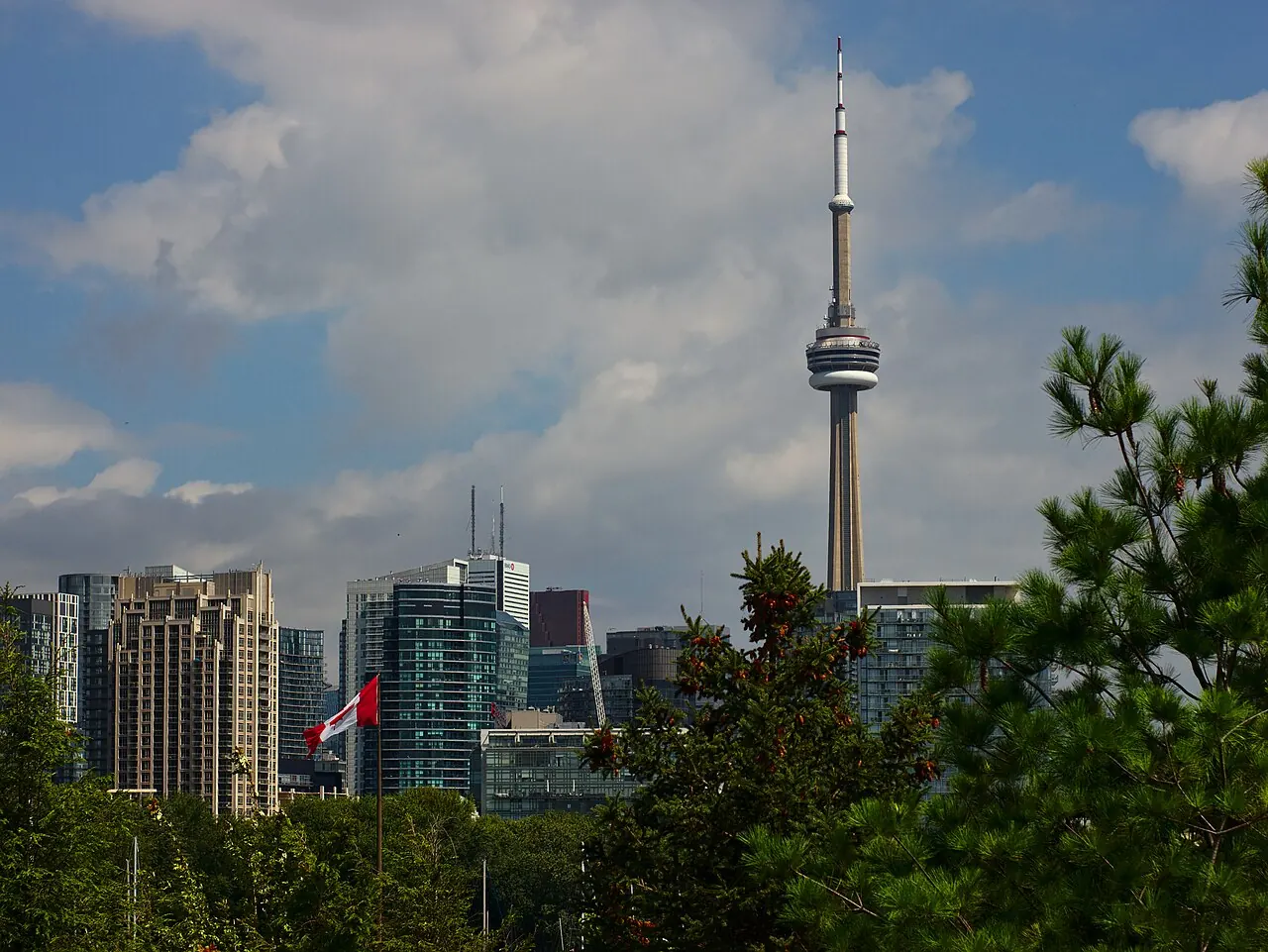
The blocks around King Street West give a short Toronto trip a clear centre of gravity. The Royal Alexandra and Princess of Wales theatres, TIFF Lightbox, CN Tower, Ripley's Aquarium and Rogers Centre sit in this part of downtown. Staying here makes it practical to return between a daytime attraction and an evening performance. Restaurants and bars around King and the surrounding streets provide plenty of dinner choices, although a room facing the busiest stretch is a different proposition from one on a side street.
TTC's Line 1 stations at St. Andrew and Osgoode serve the district; Union is the useful Pearson arrival gateway on UP Express. Pick the station and street entrance that actually fit your address, rather than assuming every hotel with a tower photograph is beside Union. The trade-off is event traffic and an active evening scene, particularly around theatres and the stadium. If your days revolve around the ROM or leisurely park mornings, choose Bloor-Yorkville or High Park instead.
Plan it well: The map pin and photograph identify the CN Tower, a landmark in the district, not your hotel's entrance.
Destination Toronto: Entertainment DistrictOld Town and St. Lawrence: markets and historic downtown walks
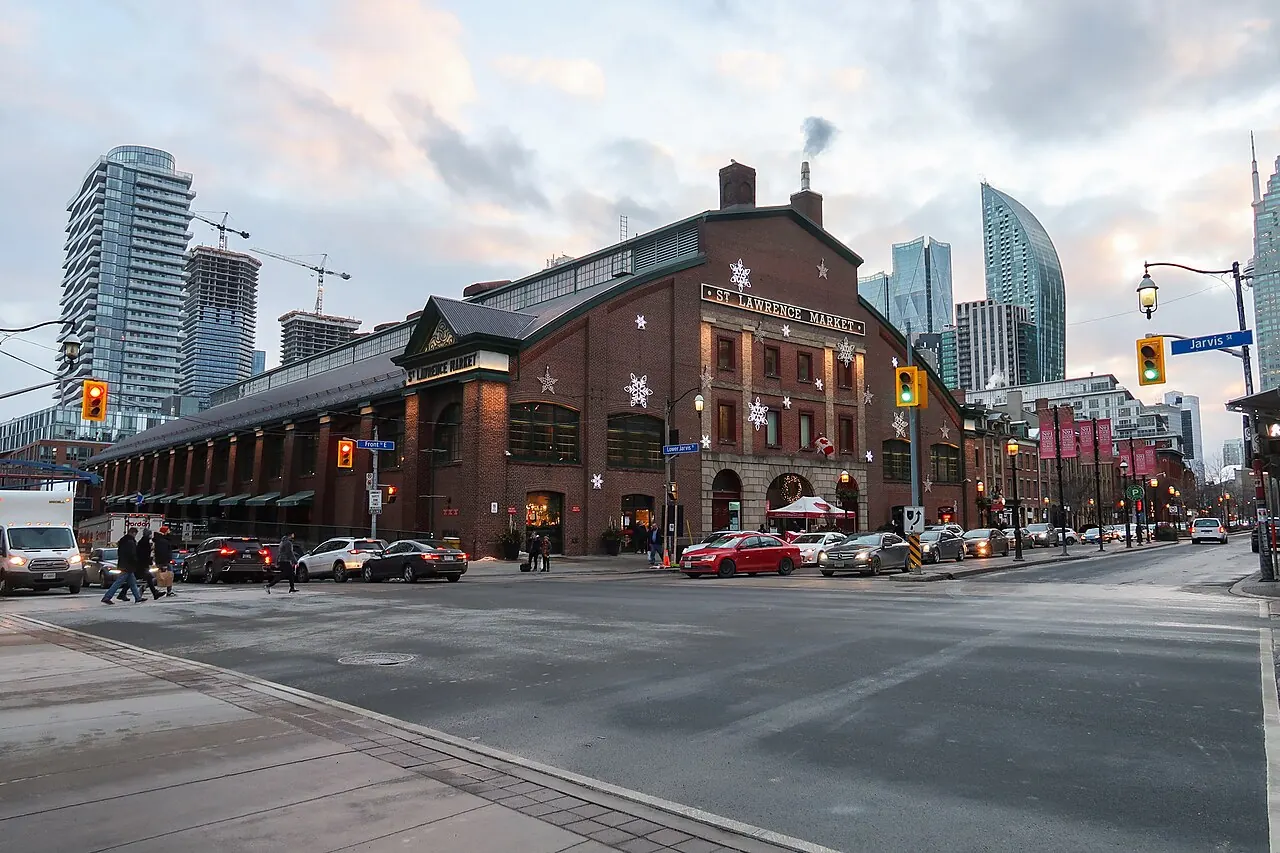
Base yourself around Front Street East, St. Lawrence Market and The Esplanade for a trip built around food and older downtown streets. The market, Gooderham Building and nearby historic blocks give you a more coherent walking circuit than a generic central address. The Distillery District is a separate destination farther east, useful for galleries and dinner but not interchangeable with the market neighbourhood. This base suits visitors who would rather start with breakfast and a street walk than join the theatre district's evening bustle.
King station on TTC Line 1 and Union's rail connections serve the western side of this area. UP Express reaches Union from Pearson, followed by a walk or an onward connection appropriate to the exact address; accommodation farther east changes that last leg. Front Street and The Esplanade offer dining beyond the market itself, whose businesses do not all share the same hours. The downside is distance from the Bloor museums and west-end neighbourhoods. Choose Chinatown for an AGO-heavy itinerary, and do not book beside the Distillery expecting to step directly onto the subway.
Plan it well: The pin marks St. Lawrence Market South; the wider Old Town extends well beyond this building.
Destination Toronto: Old TownBloor-Yorkville: museums and shopping
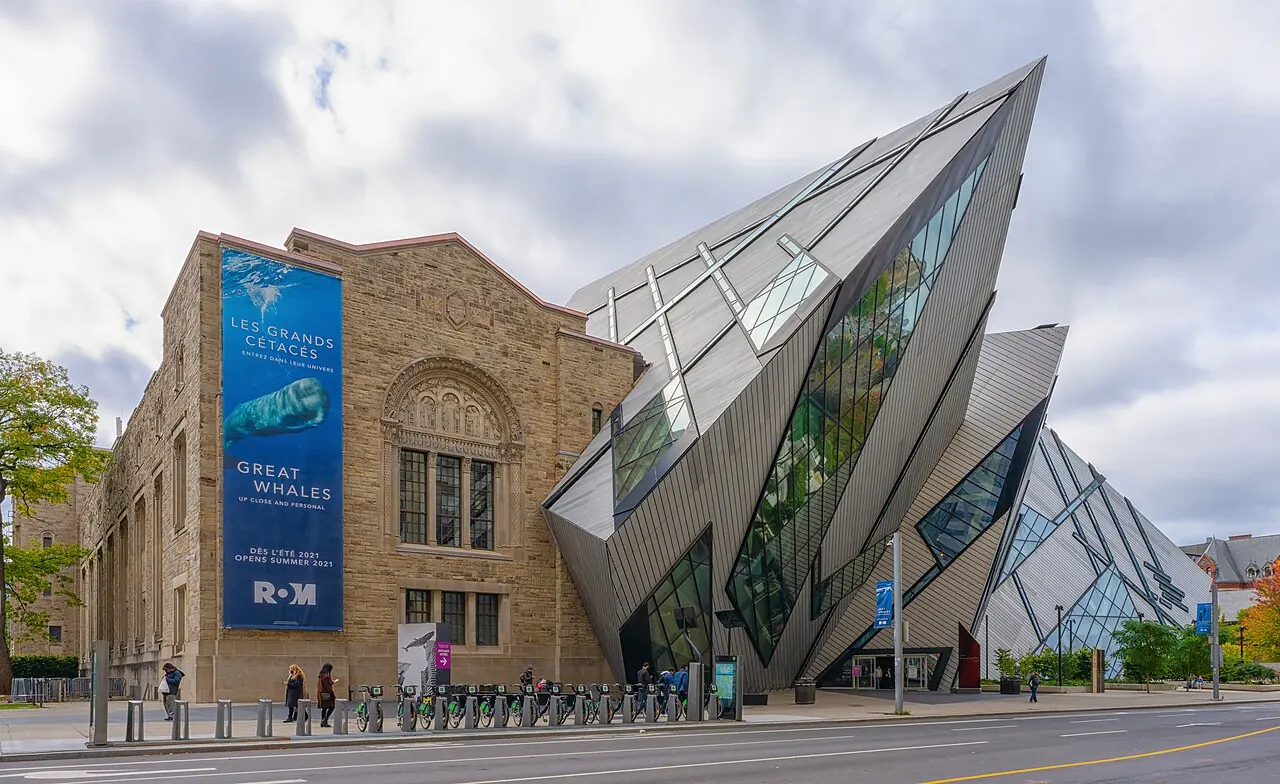
Bloor-Yorkville is useful when the ROM, Gardiner Museum and browsing are central to your visit. The museum edge on Bloor and the smaller streets north of it offer a different daily rhythm from King Street: galleries, boutiques, terrace dining and places to stop between visits. Yorkville Avenue and Cumberland Street are better clues to that setting than a hotel's broad claim to be in midtown. The ROM photograph shows the Bloor museum gateway beside Yorkville, not a promise of a museum view from your room.
TTC Line 2 serves Bay and Bloor-Yonge, while Line 1 also runs through Bloor-Yonge and Museum. For Pearson, compare UP Express to Bloor followed by an eastbound Line 2 connection with arriving at Union and using Line 1; the best choice depends on your entrance and luggage. The compromise is that the waterfront, stadium and Old Town are separate journeys. Yorkville's restaurant-and-boutique focus will not suit everyone either. For a show-led weekend, the Entertainment District avoids repeatedly crossing the centre at the end of the evening.
Plan it well: The map anchor is the Royal Ontario Museum on Bloor Street at the neighbourhood's museum edge.
Destination Toronto: Bloor-YorkvilleChinatown and the Grange: food-led stays and the AGO
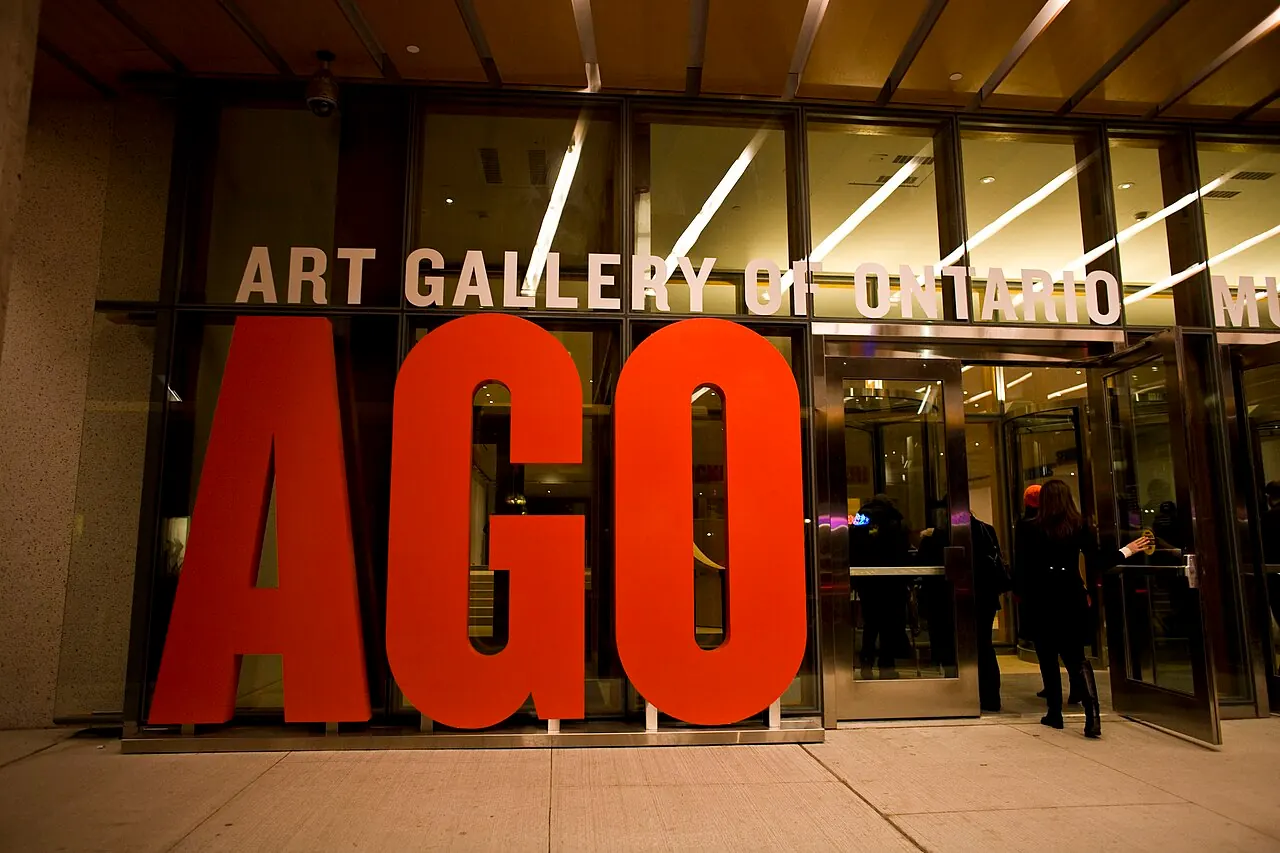
Spadina Avenue and Dundas Street West make downtown Chinatown a strong base for visitors who enjoy choosing meals as they walk. Chinese and Vietnamese restaurants, bakeries, groceries and tea shops give the streets a working neighbourhood character. The Grange side brings the Art Gallery of Ontario and its adjacent park into the same daily circuit; Kensington Market is another outing to the west, not the name of every street here. Choose this area if the attraction is a sequence of food stops and an art afternoon rather than a hotel surrounded by flagship shops.
St. Patrick on TTC Line 1 is a useful subway gateway for the AGO side, and the operator's map shows the Dundas and Spadina streetcar corridors. Check current route notices before depending on a streetcar at your door. Pearson arrivals can use UP Express to Union and continue by Line 1, with a final walk to the actual building. The downside is street activity, deliveries and the distance from the main railway terminal. Old Town is a better match for a market-and-early-train visit, while Bloor-Yorkville fits shopping-led museum days.
Plan it well: The AGO pin and photo identify the Grange-side landmark, not the centre or boundaries of Chinatown.
Destination Toronto: downtown ChinatownHigh Park and Bloor West: park days and a longer west-end stay
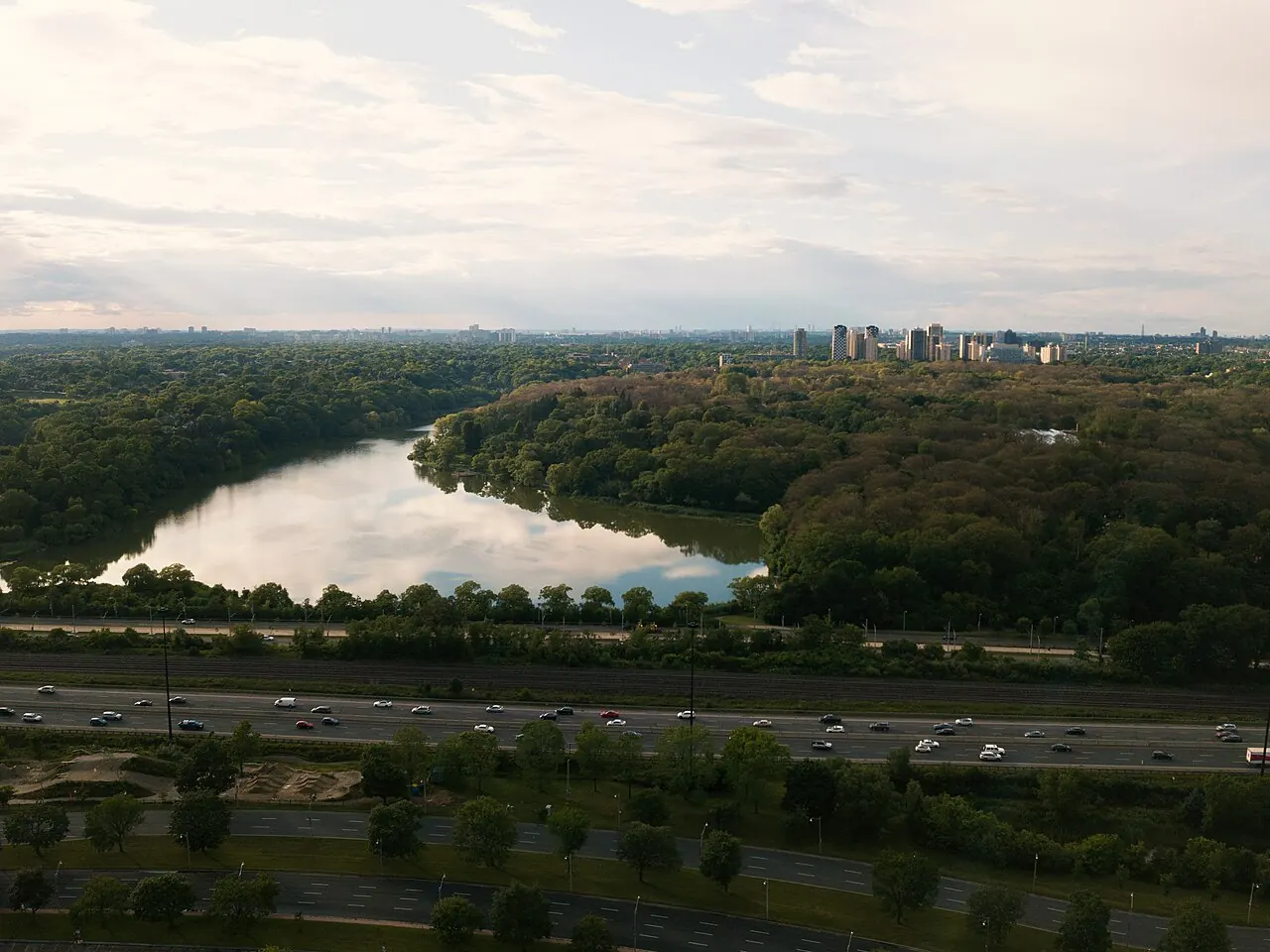
The streets around High Park make sense when green space is a recurring part of the trip, not a single attraction to visit from downtown. Grenadier Pond, woodland paths and gardens provide the outdoor focus; Bloor West's bakeries and neighbourhood restaurants give you places to eat without planning a central-city outing. Roncesvalles is another nearby dining district on the park's eastern side. Decide which edge you prefer before searching: an address beside Bloor has a different transit approach from one near the southern lakeshore.
TTC Line 2 stations at High Park, Keele and Runnymede cover different parts of the northern edge. Pearson's UP Express stops at Bloor, with an outdoor connection to Dundas West station for Line 2; the airport train does not stop at High Park itself. The trade-off is repeated transit for the tower, Old Town or a theatre evening, plus a narrower accommodation choice than downtown. Choose this base for longer stays, family park time or west-end plans. For two packed days of central attractions, the Entertainment District will usually align better with the itinerary.
Plan it well: The pin identifies High Park itself; check your accommodation's park edge and nearest subway entrance separately.
Destination Toronto: High Park neighbourhoodsArriving and moving between bases
Use the right Pearson gateway
UP Express links Pearson Terminal 1 with Union, calling at Bloor, Mount Dennis and Weston. Union suits the southern downtown bases; Bloor can be useful for Line 2 connections. Confirm your airport terminal and check construction notices before selecting the arrival route.
UP Express: stations and routeAccount for the outdoor transfer at Bloor
UP Express Bloor and TTC Dundas West are not the same platform. The operator describes an outdoor pedestrian connection using Bloor Street West and Dundas Street West, relevant when arriving with luggage or in bad weather.
UP Express: Bloor station accessCheck the actual subway and streetcar connection
Use TTC's current subway, streetcar and downtown maps for the nearest entrance and any onward route. Check service advisories for your dates; a route on a map does not establish that it is running unchanged that evening.
TTC: current route maps and schedulesCompare hotels in your chosen Toronto base
Explore Toronto hotels on Roomundo, then compare the actual street with the subway entrance and attractions you expect to use daily. For the Entertainment District, look closely at room orientation near venues; in High Park, prioritise the correct park edge and Line 2 connection over a broad west-Toronto label.
Explore Toronto hotels