
Edinburgh city guide
10 things to do in Edinburgh
Explore the castle and Royal Mile, then make room for paintings, living gardens and the hills that shape Edinburgh. This first-visit plan balances big landmarks with quieter walks.
Plan your visit
Edinburgh rewards a plan that respects its hills. The Old Town gathers history around a narrow ridge; galleries, gardens and riverside streets give you reasons to step away from it. Choose a few substantial visits from these ten, and leave outdoor climbs movable when the weather changes.
Start with the city beneath Edinburgh Castle
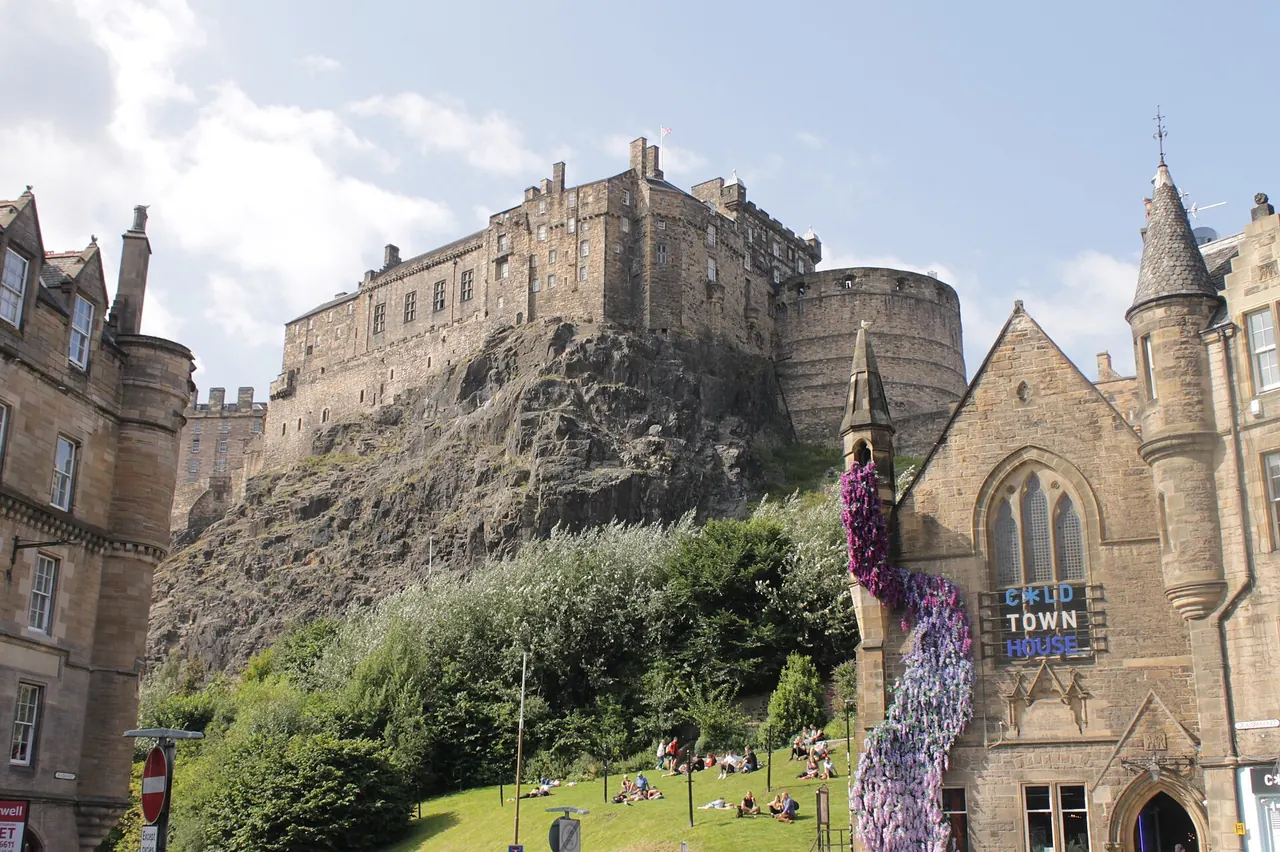
Edinburgh Castle makes sense as an early anchor because it explains the shape of the city below. Approach along Castlehill, then take time to understand the rock, defensive position and layers of buildings before moving between the displays. Choose a few priorities, such as military history or the royal apartments, rather than assuming the entire complex is one room with a view.
Book through the official operator before arriving: a sold-out date is not solved by expecting additional tickets at the gate. Inside, cobbles, inclines and different buildings make the route more demanding than a flat museum visit. Check the accessibility information for your own requirements, and allow a break afterwards before starting the full Royal Mile. If a ceremony or particular display matters to you, confirm its current arrangements rather than planning around an old timetable.
Plan it well: Use your booked entry time as the fixed point; leave the rest of the Old Town walk flexible.
Edinburgh Castle: tickets and entryWalk the Royal Mile by its closes

The Royal Mile is more rewarding when you step away from its shopfront sequence. Follow the ridge between the castle end and Holyrood, looking into the narrow closes that reveal how the Old Town developed around limited space. Church fronts, courtyards and changes in street width give the walk variety, so there is no need to turn it into a shopping exercise.
Choose one direction and a handful of side stops rather than repeatedly crossing the same stretch. Going downhill may suit a day starting at the castle, but the return journey still deserves thought if you are tired or carrying bags. Some closes lead to private homes, paid attractions or steep steps; an open-looking entrance is not permission to explore every doorway. In busy festival periods, give yourself room to pause without obstructing the pavement.
Plan it well: Check the destination at the end of a close before committing to a staircase or private courtyard.
Forever Edinburgh: Royal Mile neighbourhoodLook beyond the exterior at Holyroodhouse

The Palace of Holyroodhouse changes the emphasis from the castle's defensive setting to royal life, ceremony and the personalities attached to particular rooms. It is worth choosing as a proper interior visit rather than arriving only for a courtyard photograph. Read the visitor route first, then decide how much time you want for the apartments and the wider palace setting.
This is a working royal palace, so availability is tied to official use as well as the ordinary visitor calendar. Confirm your intended date before arranging the surrounding day, and check which parts of the grounds or abbey are included or accessible. The palace stands beside Holyrood Park, but a palace visit and an ascent of Arthur's Seat are separate commitments. Pairing them can work in suitable weather if you leave a real rest and food break between them.
Plan it well: A palace ticket is not a guided hill walk; research the park route separately.
Royal Collection Trust: Palace of HolyroodhouseTreat Arthur's Seat as a hill walk
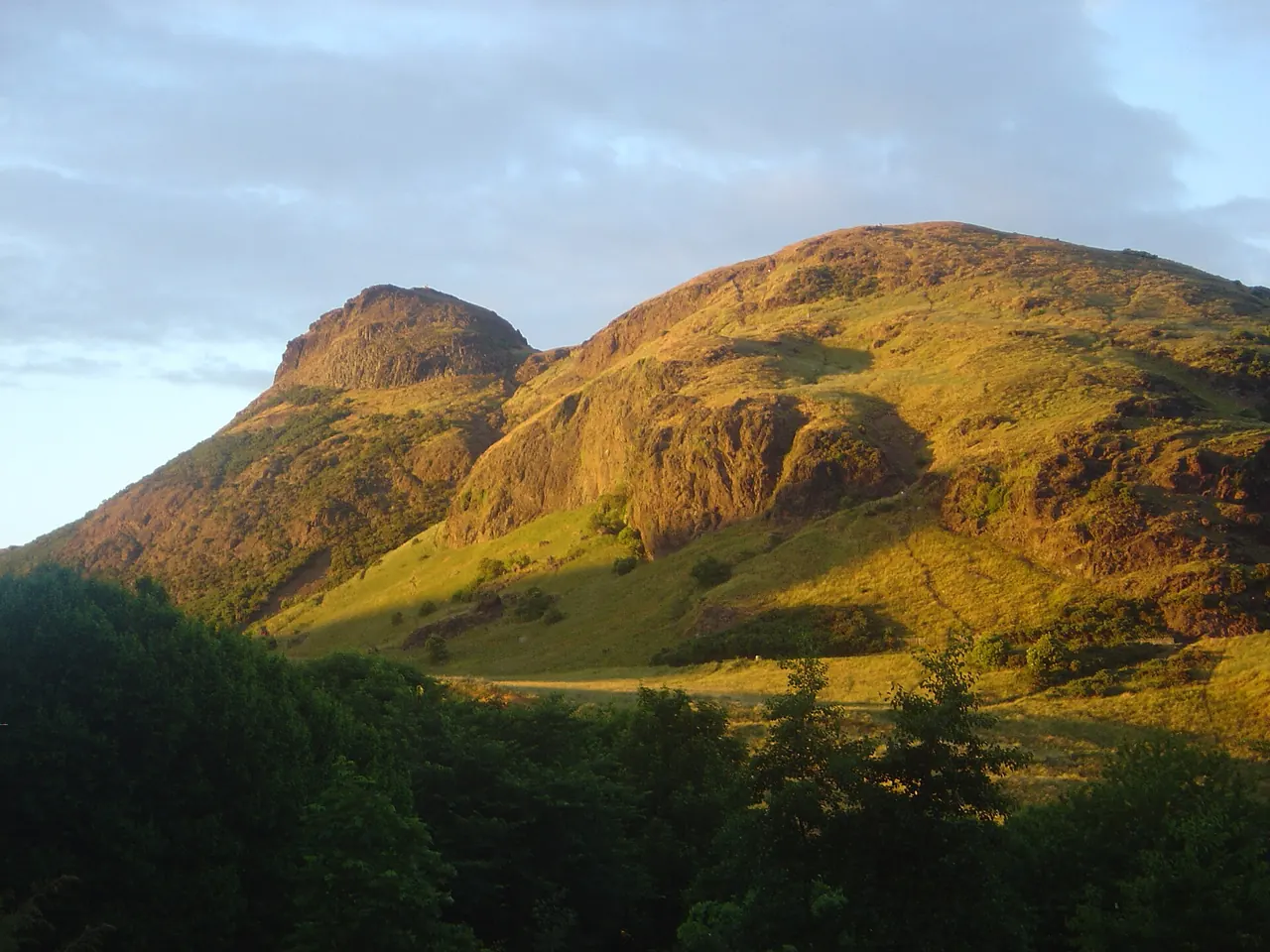
Arthur's Seat gives Edinburgh an unusually immediate connection with rougher landscape. From the city streets you can see the hill; on the ascent, the scale of the Old Town, coastline and surrounding ridges becomes clearer. The reward is not a reason to underestimate the outing. Choose a route that matches your fitness and the conditions, rather than following the steepest visible line.
Wear footwear with grip, carry a layer and water, and leave enough daylight for a measured descent. Wind and wet rock can change the character of a short-looking walk, so a lower-level circuit is a reasonable alternative. Consult Historic Environment Scotland's live park notices: vehicle restrictions and pedestrian access are not the same thing, and some paths may be restricted. Do not assume every route shown on an old map remains available or suitable.
Plan it well: A city-centre location does not make the summit route a paved urban stroll.
Historic Environment Scotland: Holyrood ParkGive the National Museum a focused visit
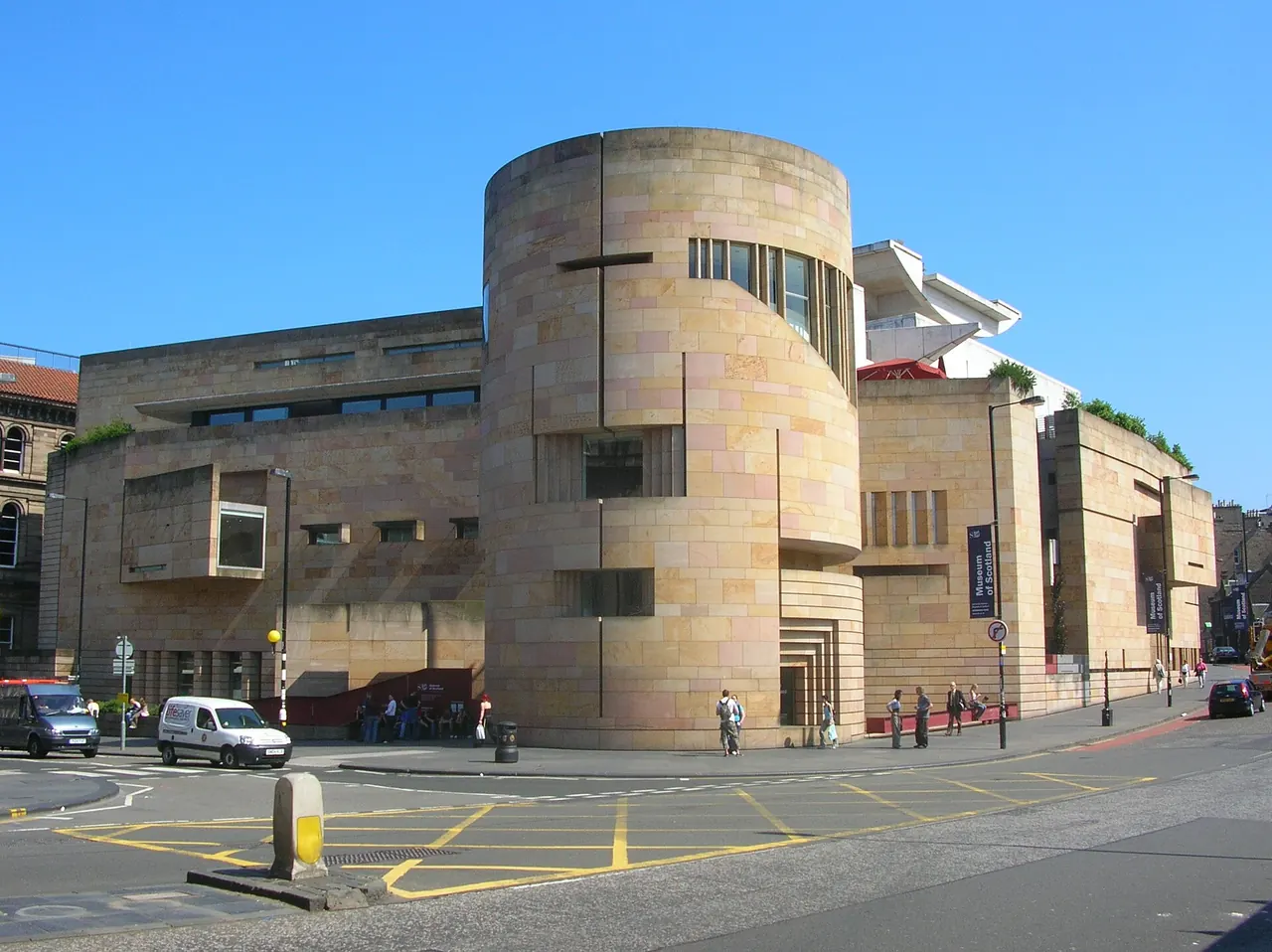
The National Museum of Scotland is an excellent place to connect objects with stories after walking the Old Town. Its collections span Scottish history and much wider subjects, so a first visit benefits from a focus. Decide whether you want to follow Scotland's past, explore natural history or spend time with science and design, then let a few unexpected objects interrupt that plan.
The main museum's general admission is free, while some special exhibitions and events have separate arrangements. Check the current programme rather than assuming a poster describes an included gallery. A wet afternoon is a good reason to linger, but it is also a popular indoor choice for many other visitors. Build in time to find the right gallery, use the facilities and sit down; a museum this broad should not be squeezed into a rushed gap before a distant reservation.
Plan it well: Choose two or three collection areas; the floor plan is more useful than a complete checklist.
National Museums Scotland: National Museum of ScotlandRead Edinburgh's skyline from Calton Hill
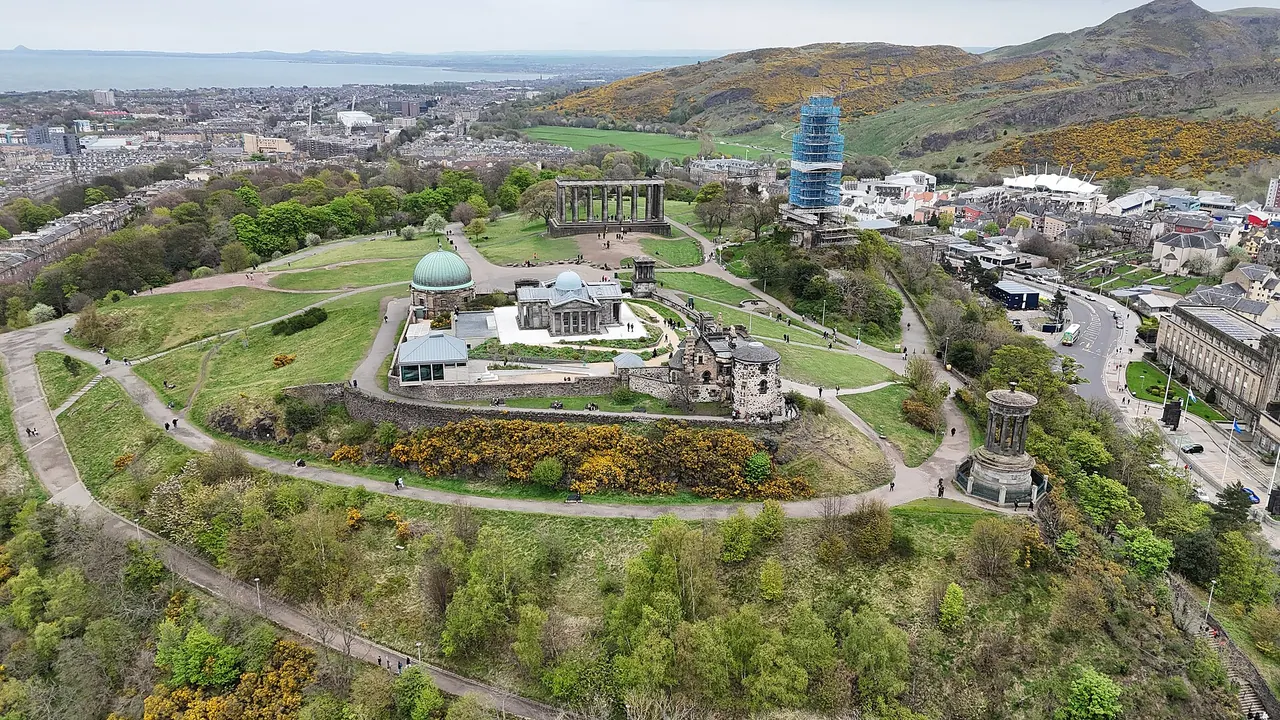
Calton Hill is a compact place to understand Edinburgh through both landscape and monuments. Look across the city before turning to the structures on the hill: the unfinished National Monument and the different memorial forms make this more than a single viewpoint. Walking between them helps you notice how the skyline changes with your position, instead of taking one photograph and immediately leaving.
There is still an uphill approach, even though the hill is close to central streets and transport. Allow time for the return and avoid relying on sunset as a guarantee of clear views. Entry to individual buildings or exhibitions has its own conditions, separate from walking around the hill. Combine the outing with the eastern centre rather than automatically adding it after an exhausting Arthur's Seat ascent; the two offer different experiences but both ask something of your legs.
Plan it well: Public hill access does not imply that every monument or tower is open inside.
Edinburgh Outdoors: Calton Hill monumentsSlow down in the Scottish National Gallery
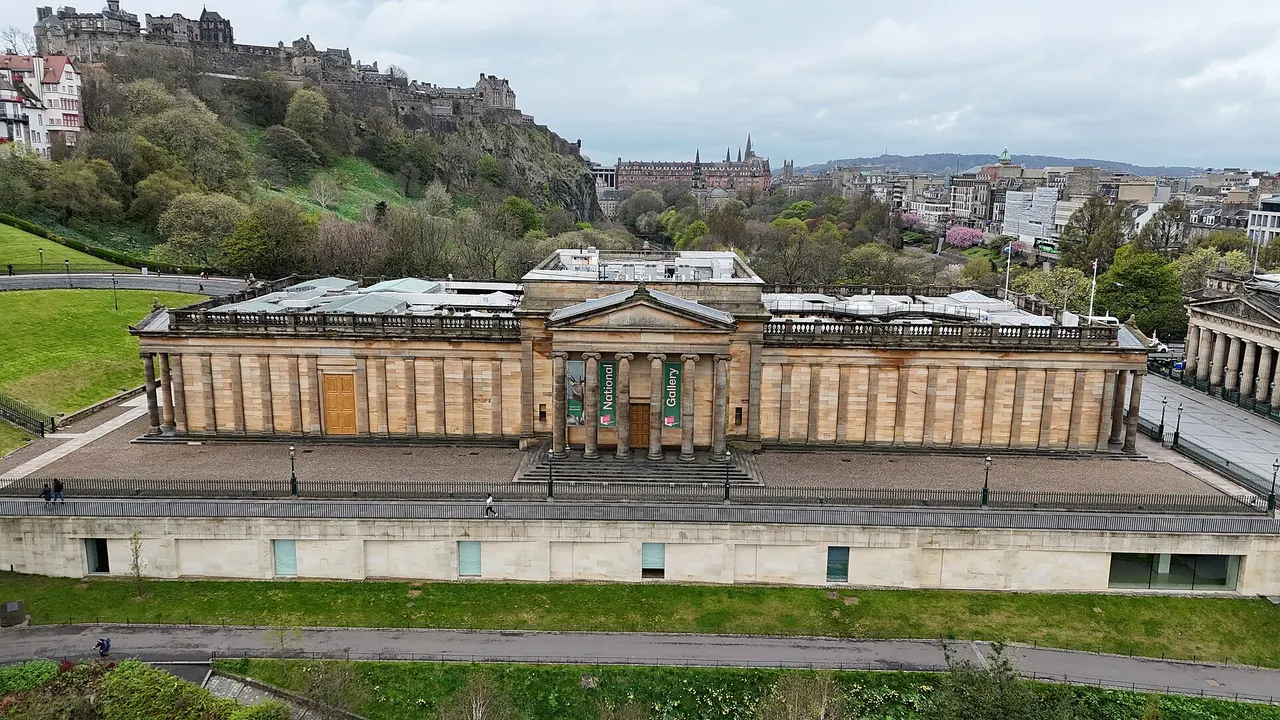
The Scottish National Gallery offers a change of attention from Edinburgh's streets and hilltops. Here, a small group of paintings can hold an entire afternoon if you let them. Look at the collection overview, choose a period or artist that interests you and spend time comparing works, rather than treating the galleries as another corridor to move through quickly.
Make sure you are planning for the National Gallery on the Mound, not the separate modern-art sites farther west. General collection access is free, but special exhibitions may have their own tickets and availability. Consult the official access information when choosing an entrance, particularly if steps are difficult. The gallery pairs naturally with Princes Street Gardens and the Scott Monument, creating a central day with seated breaks instead of a succession of long uphill journeys.
Plan it well: Check the gallery name and address on any exhibition ticket; Edinburgh has several National Galleries sites.
National Galleries of Scotland: Scottish National GalleryFollow a living collection at the Botanics
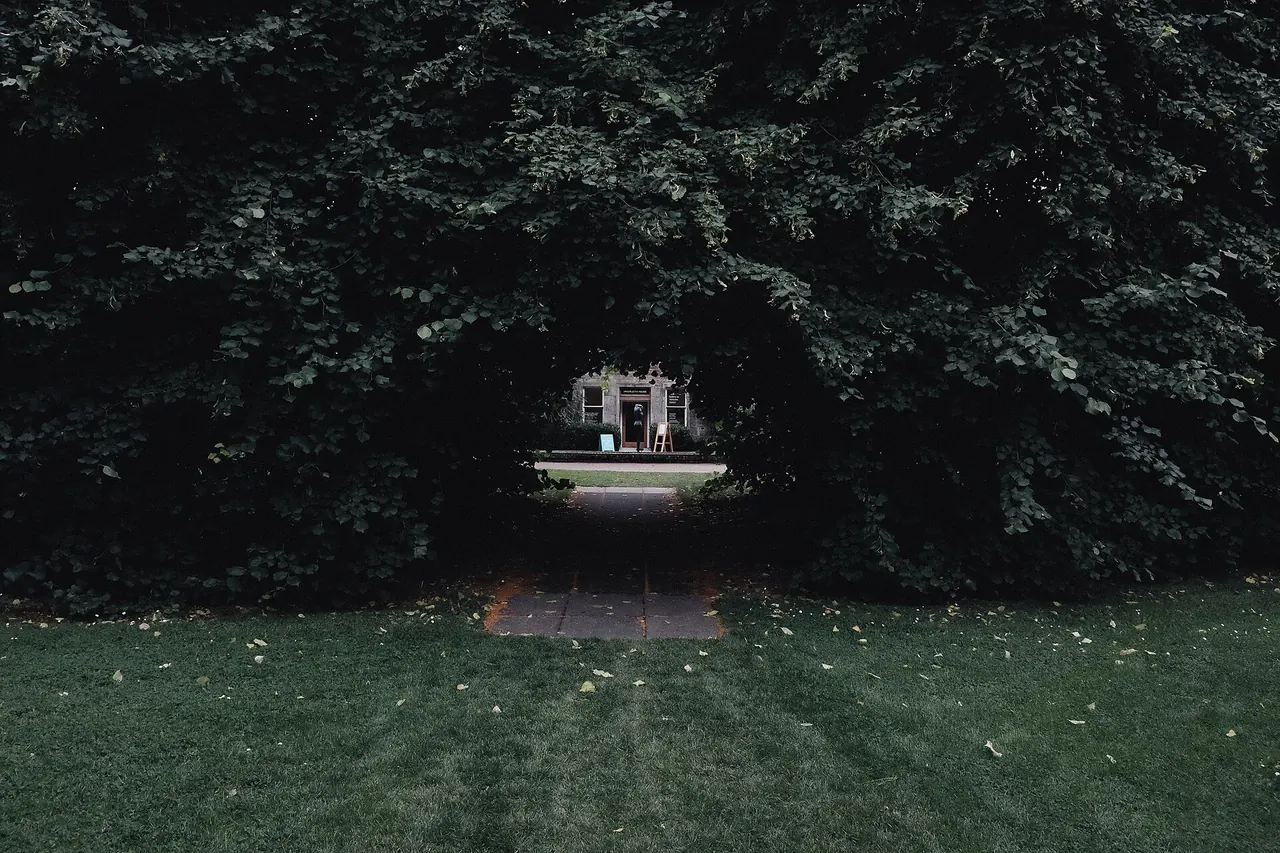
The Royal Botanic Garden Edinburgh invites a different kind of sightseeing: following paths through living collections instead of moving between buildings. Give yourself time to read a few plant labels, notice changes in texture and shelter, and choose a bench where the garden can become a pause rather than another task. It is a useful counterbalance to a dense Old Town itinerary.
Indoor access needs a separate check. At this review, the restored Palm Houses had reopened with timed tickets, while the Front Range glasshouses remained closed. Do not assume that one reopening means the entire glasshouse complex is available. Check current garden notices, your preferred gate and any booked entry point before setting off. Inverleith is outside the tight cluster of Old Town attractions, so allow for the journey and resist squeezing the garden between two closely timed central appointments.
Plan it well: Plan the outdoor garden and any ticketed Palm Houses visit as related but distinct activities.
Royal Botanic Garden Edinburgh: Palm Houses and visitor informationKeep Dean Village a considerate riverside walk
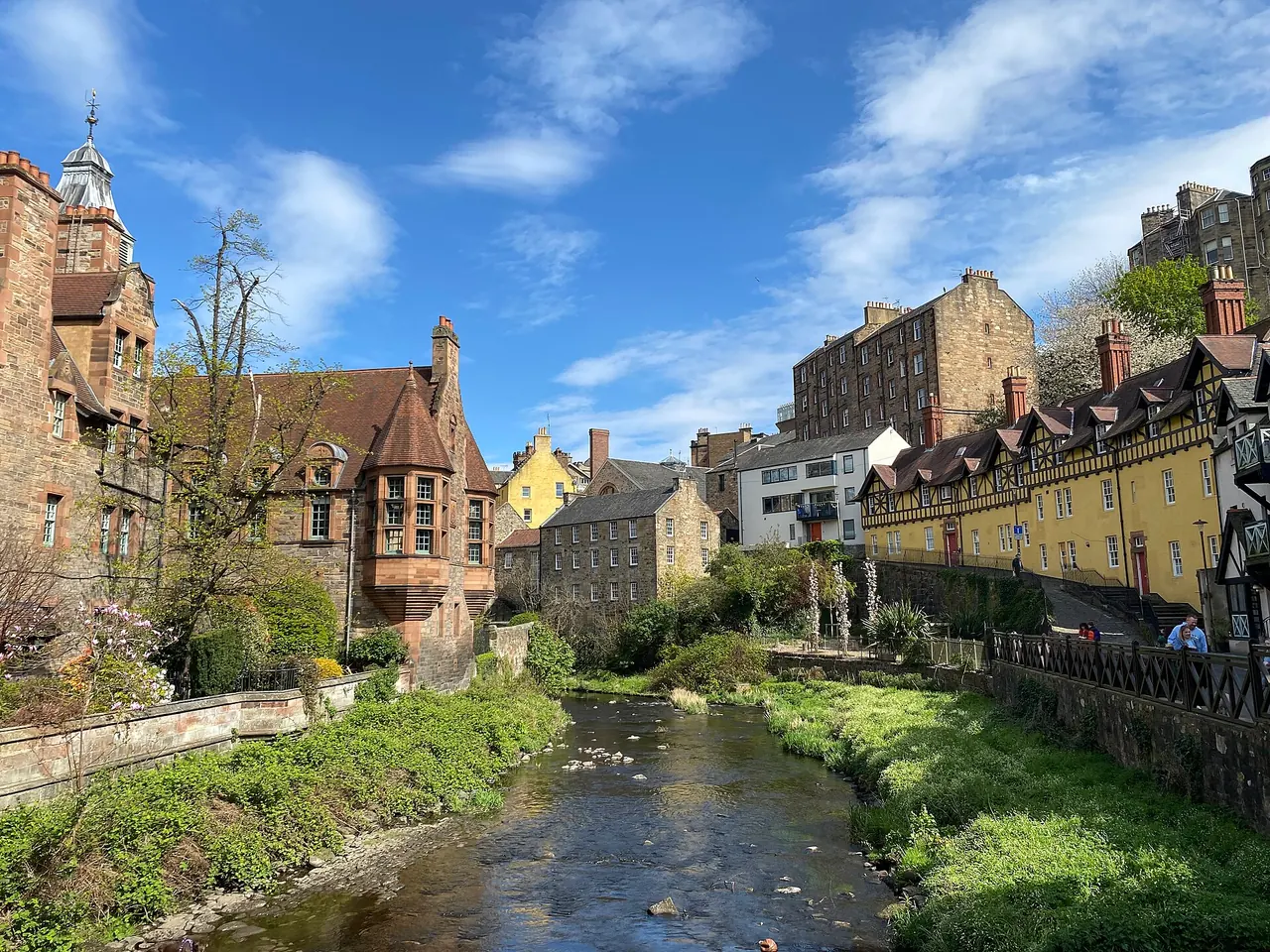
Dean Village shows a quieter layer of Edinburgh beside the Water of Leith. The buildings, bridges and river setting make its former milling character easier to imagine than it would be from a street map alone. Walk slowly enough to notice the relationship between the water and the architecture, rather than looking only for the most frequently photographed angle.
It is also a residential neighbourhood, not a visitor compound. Keep access to doors clear, avoid photographing directly into homes and use public paths rather than following people into private courtyards. A riverside continuation can make a satisfying outing, but check current path conditions and closures before assuming the whole route is straightforward. The climb back towards the centre is worth including in your energy budget, especially after a day already spent on the castle or the city's hills.
Plan it well: Use a public bridge or path for photographs, leaving residential entrances unobstructed.
Dean Village Association: village history and communitySee the Scott Monument at ground level or above
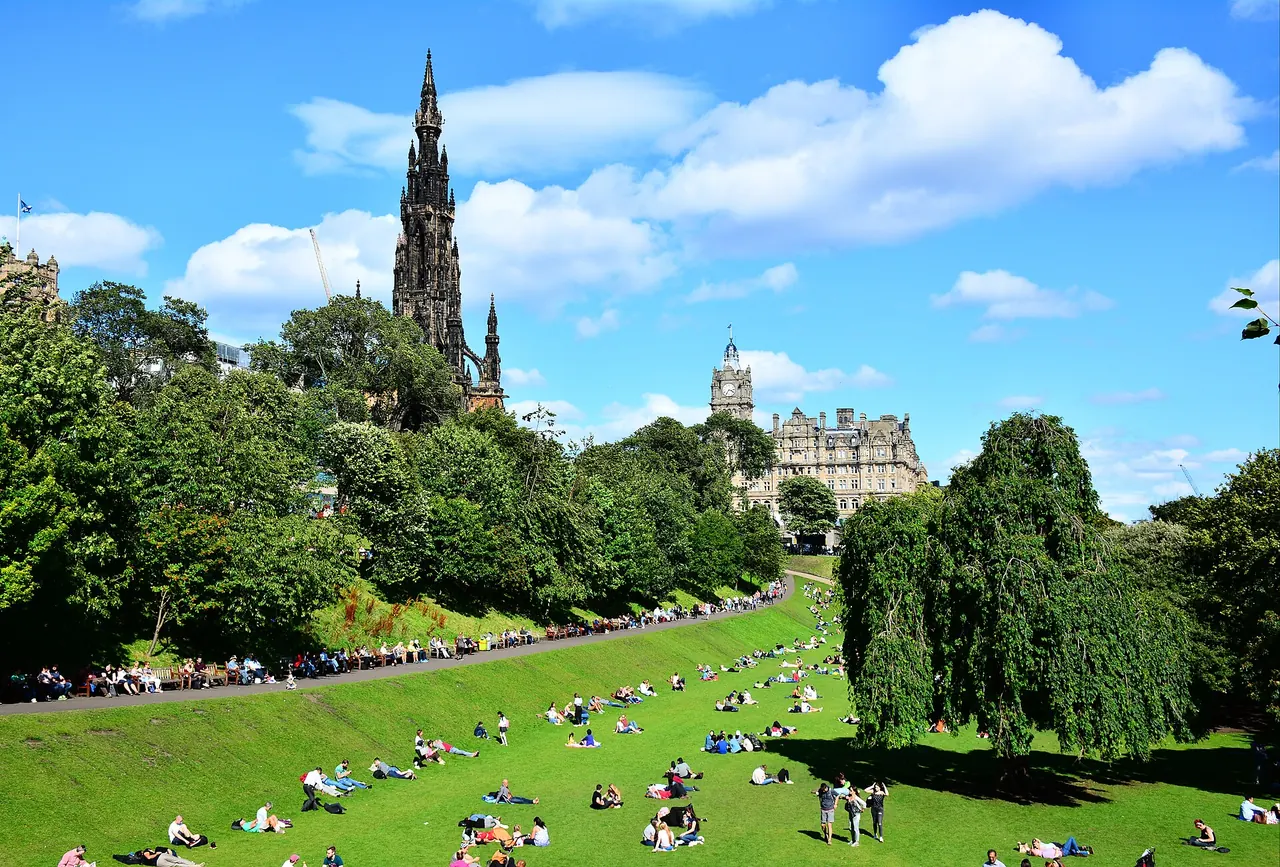
The Scott Monument is an unmistakable point of orientation along Princes Street, but it deserves a closer look than a passing glance from a bus. Its Gothic form and the seated figure of Walter Scott connect the city's public landscape with its literary identity. Begin in the gardens, where you can see how the monument sits between the busy street and the Old Town skyline.
Climbing the tower is a separate decision from enjoying the exterior. Check the current visitor arrangements and consider narrow stairs, height and your comfort with enclosed spaces before committing. A ground-level stop can be just as useful within a relaxed central walk. Pair it with the Scottish National Gallery and a garden break, leaving a tower visit optional rather than making every person in your group follow the same physical route.
Plan it well: Confirm the stair route suits you; the exterior and gardens offer an alternative without a tower ascent.
Culture Edinburgh: Scott MonumentHow to spend two days in Edinburgh
Day one: the Old Town ridge
Use a castle booking as your anchor, then walk downhill along a selected stretch of the Royal Mile. Choose the National Museum or Holyroodhouse for a substantial second visit, with time for lunch and the closes. A palace day can end with a gentle park walk without requiring a summit climb.
Day two: art and a different landscape
Start with the Scottish National Gallery and the Scott Monument area. Choose Calton Hill if you want a central viewpoint, or make an afternoon of Dean Village and the Botanics with appropriate transport. Arthur's Seat can replace that outdoor plan in suitable conditions; it need not be an extra task.
Before you go
Budget for hills, not just distance
A short map route can contain steep closes, cobbles and stairs. Check the actual accessible entrance for individual venues, and avoid choosing accommodation solely by straight-line distance.
Keep an indoor weather alternative
Wind and rain affect hill walks differently from street sightseeing. Move a museum or gallery visit into the exposed part of your day when conditions require it.
Check transport and festival demand
Use current bus information for journeys beyond the centre, and reserve accommodation early for dates when major festivals fill the city. Compare the route to your hotel with the final service you need.
Lothian Buses official journey informationWhere to stay in Edinburgh
The Old Town places historic visits close together but may mean steps, cobbles and evening activity near your room. The New Town suits galleries and central transport, while Haymarket can work for rail arrivals and trips west. Stockbridge offers a neighbourhood setting nearer riverside walks and the Botanics. Check the precise entrance, lift provision and luggage route before choosing a historic building.
Explore Edinburgh hotels