
Ho Chi Minh City city guide
Where to stay in Ho Chi Minh City
Compare seven Saigon bases, from downtown heritage streets and the museum quarter to Cholon food walks and Thao Dien, with the real limits of Metro Line 1.
Plan your visit
A stay beside the Opera House feels very different from one beside Bui Vien, even though both are described as District 1. Choose a street cluster before choosing a hotel. Metro Line 1 helps along the eastern corridor, but it is not a citywide substitute for road journeys. Familiar district names below describe travel areas rather than current administrative boundaries.
Choose your base
For a short first visit, choose Dong Khoi and Nguyen Hue for heritage sights or Ben Thanh for market life and the metro terminus. Pham Ngu Lao puts bars and traveller services close together, with a substantial noise trade-off. The southern District 3 museum streets suit history-led days; Da Kao suits cafes and a smaller-scale northern downtown base. Cholon rewards food and temple interests rather than frequent downtown returns. Thao Dien works best when restaurants and a longer stay matter more than walking to the central monuments.
Dong Khoi and Nguyen Hue: a compact first visit
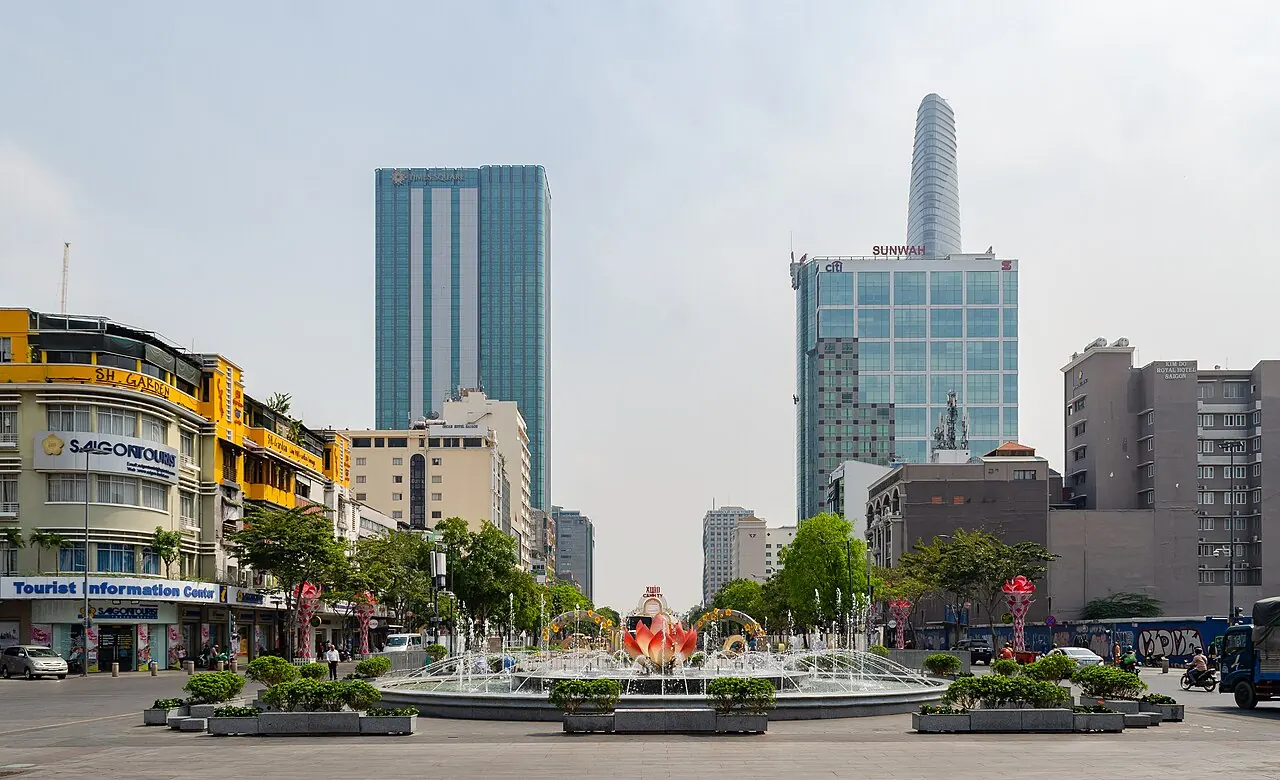
This is the most straightforward base for a first visit built around central landmarks. Dong Khoi links the Opera House area with the cathedral and Central Post Office, while Nguyen Hue opens towards the river. Cafes, hotel restaurants and shops around the walking boulevard make it easy to return to the same area for dinner after sightseeing. A hotel near Lam Son Square suits a performance evening; a river-facing address gives a different setting from a room further inland.
HURC Metro Line 1 serves the Opera House station, named Nha hat Thanh pho on local information, and continues east towards Thao Dien. It does not run to Tan Son Nhat Airport: arrival still needs a road transfer or a bus journey with a final connection. The compromise here is busy traffic around the pedestrian spaces and a visitor-heavy dining environment. Choose District 3 for museum-focused side streets, or Pham Ngu Lao if joining the bar scene is the point of the trip.
Plan it well: The map pin marks Nguyen Hue Boulevard, not the neighbourhood boundary.
Ho Chi Minh City Tourism: downtown District 1Ben Thanh: markets and a useful metro starting point
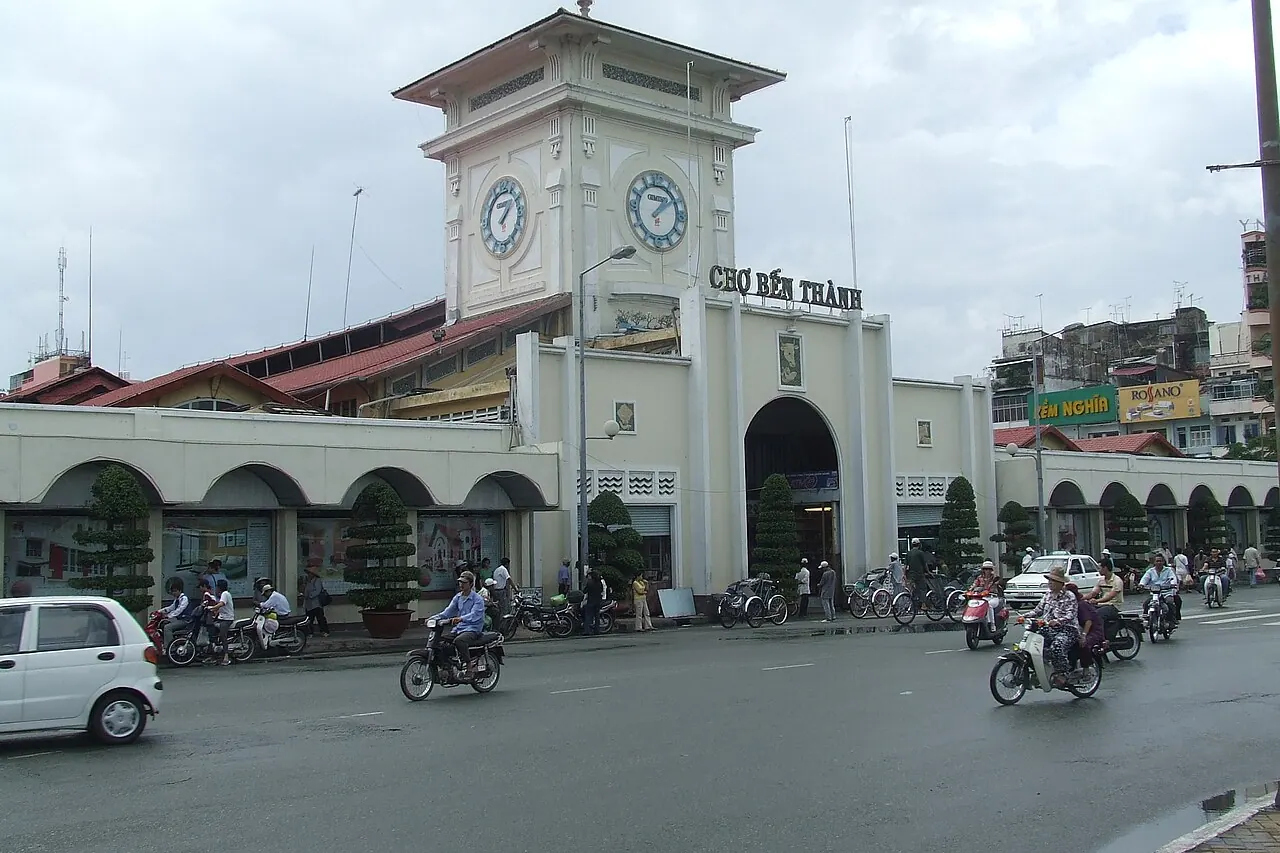
Ben Thanh works well when you want the market to be part of daily life rather than a separate excursion. Look around Le Thanh Ton, Ly Tu Trong and the streets south towards the Fine Arts Museum, checking the exact entrance of each hotel. Market food, small eateries and cafe stops give this area a different rhythm from the grand hotel frontages around the Opera House. It is a practical compromise between the heritage core and the traveller streets further west.
Ben Thanh is the western terminus of HURC Metro Line 1, so this is a useful base for journeys along that line, not for assuming every district has rail access. Airport arrival remains road-based; ask where your transfer can stop rather than expecting a pedestrian route from a station. The market surroundings bring traffic, busy pavements and commercial bustle. Travellers who want evenings overlooking the river should favour Dong Khoi and Nguyen Hue; those prioritising long, cafe-led stays might prefer Thao Dien.
Plan it well: The map pin marks Bến Thành Market, not the neighbourhood boundary.
Vietnam National Authority of Tourism: Ben Thanh MarketPham Ngu Lao and Bui Vien: social evenings, with noise
The streets around Pham Ngu Lao, De Tham and Bui Vien suit travellers who want bars, informal meals and other visitors close to the hotel. This is a real nightlife choice, not simply another name for the whole city centre. Staying on a side lane can change the atmosphere considerably, but the entrance route and room orientation matter: a building near the action may still carry music and street noise into the room. The nearby September 23 Park gives the area a useful daytime reference point.
Ben Thanh station is east of this cluster on HURC Metro Line 1; check the actual walk from your address instead of treating every Pham Ngu Lao hotel as station-side. Airport buses and road transfers require their own stop and terminal checks. The clear downside is the mismatch between a lively evening outside and an early start the next morning. Choose Ben Thanh for a more market-led central stay, or District 3 if museums and daytime cafes matter more than drinking streets.
Plan it well: The map pin marks Bui Vien Street, not the neighbourhood boundary.
Ho Chi Minh City Tourism: Bui Vien quarterDistrict 3 museum streets: history and cafe breaks
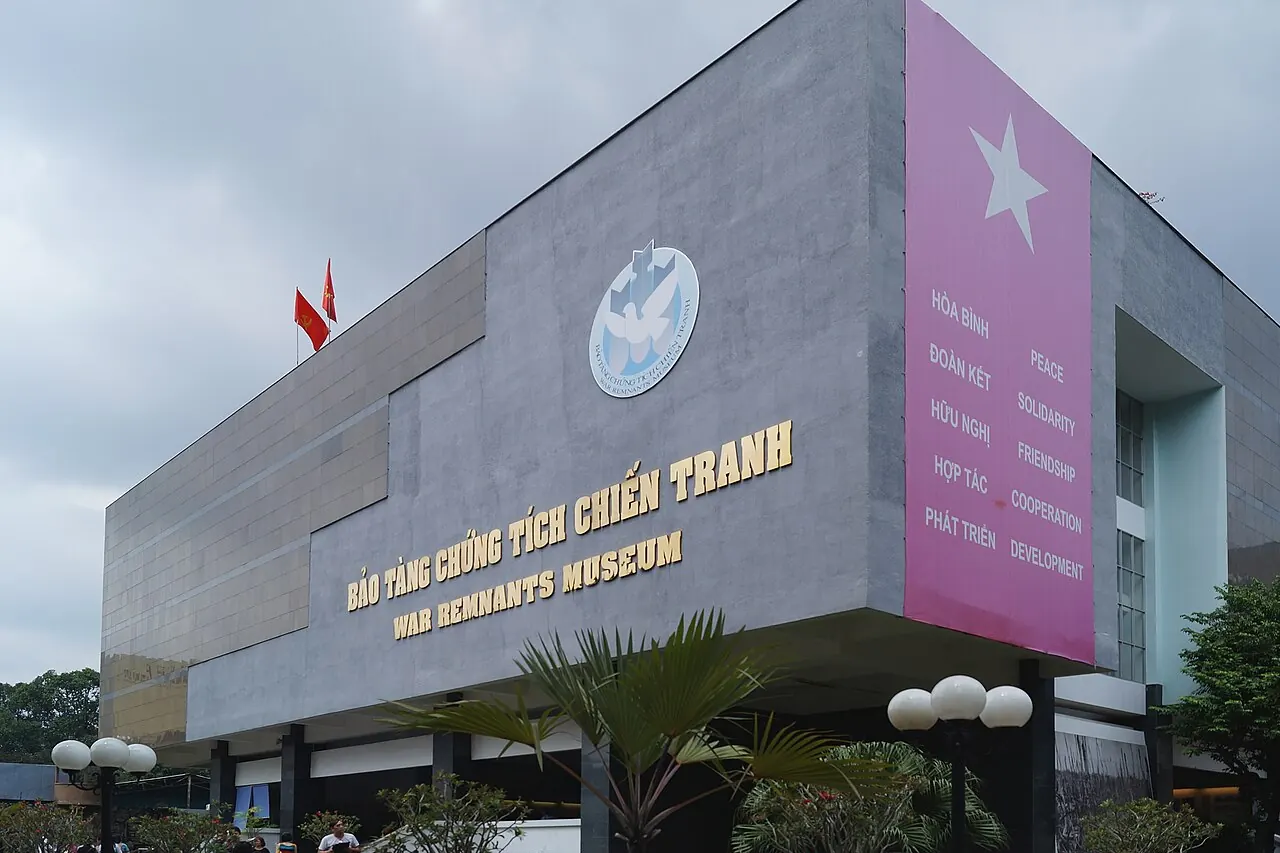
Focus on the southern part of the familiar District 3 area around Vo Van Tan, Nguyen Dinh Chieu and the War Remnants Museum, rather than assuming the entire former district is equally convenient. The museum and nearby Independence Palace make a strong history-led day, while cafe stops and ordinary eating streets support a longer visit without spending every evening on the main downtown boulevard. Turtle Lake offers another food-and-drink cluster towards the eastern side, depending on the hotel address.
This cluster does not have a Metro Line 1 station at the museum. Use the city transport information service or a road journey for trips that are not comfortable walks, including airport arrival; a northern District 3 address is a different proposition from one near Vo Van Tan. Main roads can remain busy, so tree cover is not a guarantee of a quiet room. Choose the Opera House area for station access and evening shows, or Cholon when Chinese-Vietnamese food and temples are the main interests.
Plan it well: The map pin marks War Remnants Museum, not the neighbourhood boundary.
Ho Chi Minh City Tourism: city museum locationsDa Kao: cafes and northern downtown sights
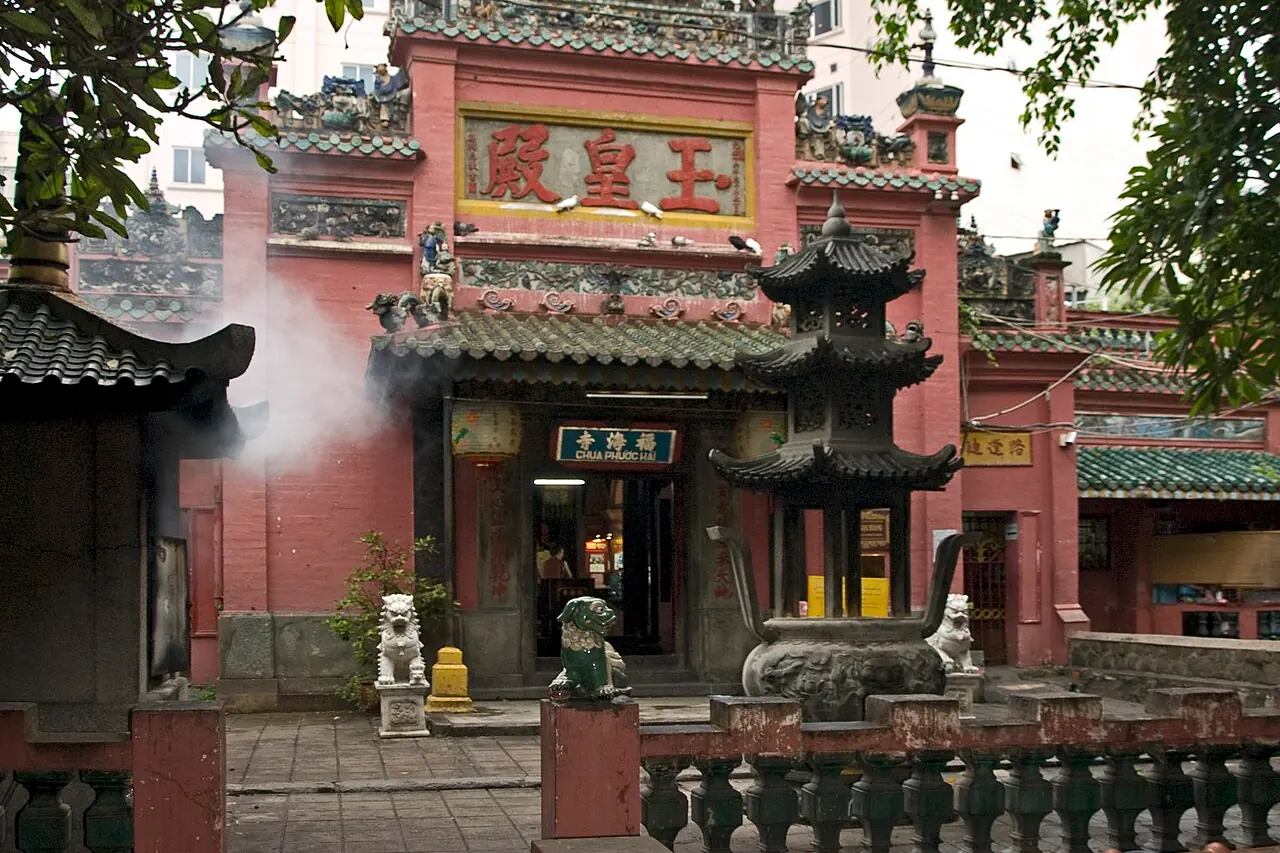
Da Kao is worth considering if you want to stay north of the busiest heritage streets without moving to an entirely different side of the city. Mai Thi Luu and its surrounding lanes put the Jade Emperor Pagoda within the neighbourhood, while Nguyen Dinh Chieu and nearby eating streets offer places to pause over coffee or a meal. The zoo and Botanical Gardens lie further towards the southeastern edge of this wider northern downtown cluster, so compare the hotel location with your own walking plans.
Do not confuse Da Kao with the Opera House station area. HURC Metro Line 1 is useful further south and east, but an address near the pagoda normally needs a bus, walk or road connection to reach it. Tan Son Nhat arrivals also remain road-based. The trade-off is that central riverfront sights and performances are less immediate, and the larger roads are still busy. Choose Dong Khoi for a tightly packed first-visit itinerary; choose Thao Dien for a stronger concentration of international dining over a longer stay.
Plan it well: The map pin marks Jade Emperor Pagoda, not the neighbourhood boundary.
Ho Chi Minh City Tourism: Da Kao and Jade Emperor PagodaCholon: Chinese-Vietnamese food and working markets
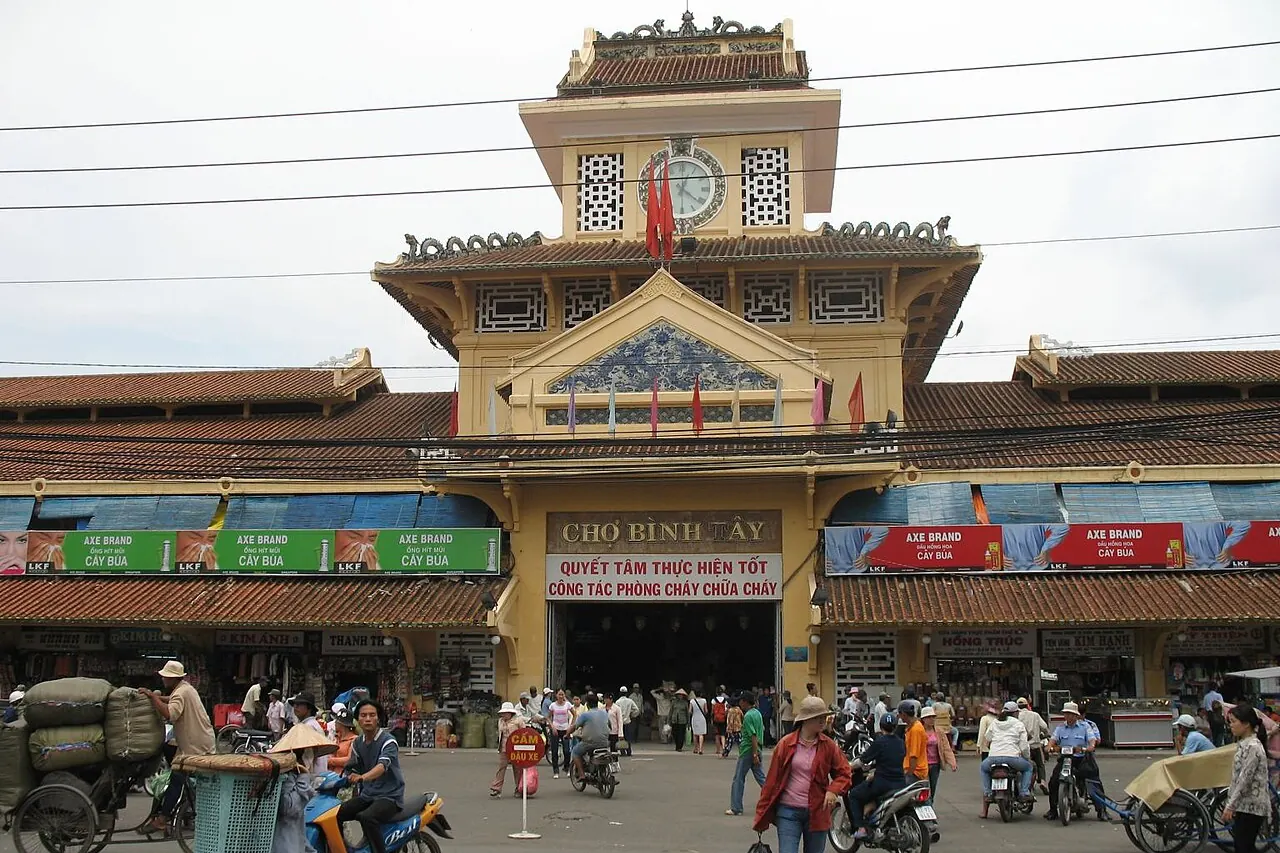
Cholon is a substantial western stay area, not a decorative Chinatown lane beside the downtown hotels. Binh Tay Market, the temple streets around Thien Hau Pagoda and the old housing lanes off Tran Hung Dao give it a strong identity. Dim sum houses and Chinese-Vietnamese food shops make this a particularly useful base for travellers who want meals and market walks to shape the day. The photographed Binh Tay Market is a reference point for the wider Cholon area, not a boundary marker for District 5 alone.
Metro Line 1 does not serve Cholon. Plan buses through the city public-transport information service or road journeys for downtown sights and Tan Son Nhat Airport. Hotels close to different markets can be separated by busy roads and a meaningful distance, so the area name alone is insufficient. The downside is repeated travel when the Opera House, post office and riverfront dominate your plans. Choose Ben Thanh for a short, mixed first visit; choose Cholon when the western neighbourhood itself deserves several unrushed mornings.
Plan it well: The map pin marks Bình Tây Market, not the neighbourhood boundary.
Vietnam National Authority of Tourism: exploring CholonThao Dien: a longer stay built around dining
Thao Dien makes sense for a stay with time to establish a cafe routine, explore restaurants and return to the same neighbourhood between outings. Thao Dien Street, Xuan Thuy and the smaller roads towards Nguyen U Di contain international dining and riverside venues; this is different from staying beside the colonial-era landmarks downtown. A serviced apartment or hotel here can suit a longer trip, provided its own facilities and the route to the restaurants you want are a good fit.
HURC Metro Line 1 connects Thao Dien station with the Opera House and Ben Thanh, but the station is on the southern edge, not outside every residential lane or riverside hotel. Map that final stretch carefully and arrange a separate road transfer from Tan Son Nhat Airport. The main downside is spending more of a short sightseeing visit getting to and from the centre. Choose Dong Khoi or Ben Thanh when central sights fill each day; choose Thao Dien when dining and a slower local routine are reasons to stay.
Plan it well: The pin is Thao Dien station on the southern edge of the neighbourhood; check the onward walk to your hotel.
Ho Chi Minh City Tourism: Thao Dien dining addressesArriving and getting around
Use the actual operating metro, not a future network map
HURC lists Ben Thanh, Opera House, Ba Son and Thao Dien among Metro Line 1 stations. The line follows an eastern corridor and does not reach Tan Son Nhat, Cholon or the District 3 museum streets. Use the operator information for service changes and the final station-to-hotel leg.
HURC: Metro Line 1 stations and passenger informationConfirm the airport terminal before arranging pickup
Tan Son Nhat has separate terminal arrangements, including domestic Terminal 3. Give your flight and terminal to the transfer provider and follow airport signage for the authorised taxi, booked-car or bus pickup. Airport shuttles between terminals are not the same as a downtown service.
Airports Corporation of Vietnam: Terminal 3 and ground transportCheck road journeys from the hotel address
For bases away from Metro Line 1, use the public transport management centre's bus route planner with your actual hotel address, then confirm current service information. Keep airport travel separate from a sightseeing estimate and leave room for traffic rather than relying on a fixed journey time.
Ho Chi Minh City public transport management centre: bus route plannerWhere to stay in Ho Chi Minh City
Compare Ho Chi Minh City hotels in the base that matches your plans. A room near a named station, market or nightlife street is a more useful starting point than a broad District 1 label; check the entrance, room orientation and airport pickup arrangements before booking.
Explore Ho Chi Minh City hotels