
Tokyo city guide
Where to stay in Tokyo
Eight Tokyo bases compared through their actual station catchments, food streets and nearby sights. Choose western evening districts, northern museums, Asakusa's temple streets, central shopping or Shiba's park-and-airport connections without treating the city as one centre.
Plan your visit
Tokyo has several useful centres, not one universal best hotel area. Shinjuku and Shibuya put western Tokyo's restaurants and shopping first; Ueno and Asakusa favour museums and older streets; Ginza and Marunouchi offer two distinct central-city routines. Roppongi is a museum-and-dining choice, while Shiba/Hamamatsucho links parks and temples with a practical Haneda corridor. Choose the station entrance as well as the district.
Choose your base
Choose Shinjuku for a broad western-city base with busy evenings, or Shibuya for shopping and restaurants around the crossing. Ueno is strongest for museums and a Narita arrival via Keisei; Asakusa favours temple streets and the Sumida rather than immediate access to western nightlife.
Ginza suits department stores, dining and Kabukiza; Tokyo Station/Marunouchi suits rail journeys and the station food circuit. Roppongi prioritises art museums and evening meals. Shiba/Hamamatsucho combines Tokyo Tower, temple-and-park walks and the Haneda monorail corridor, with a quieter sightseeing focus than the western shopping hubs.
Shinjuku: western-city connections and busy evenings
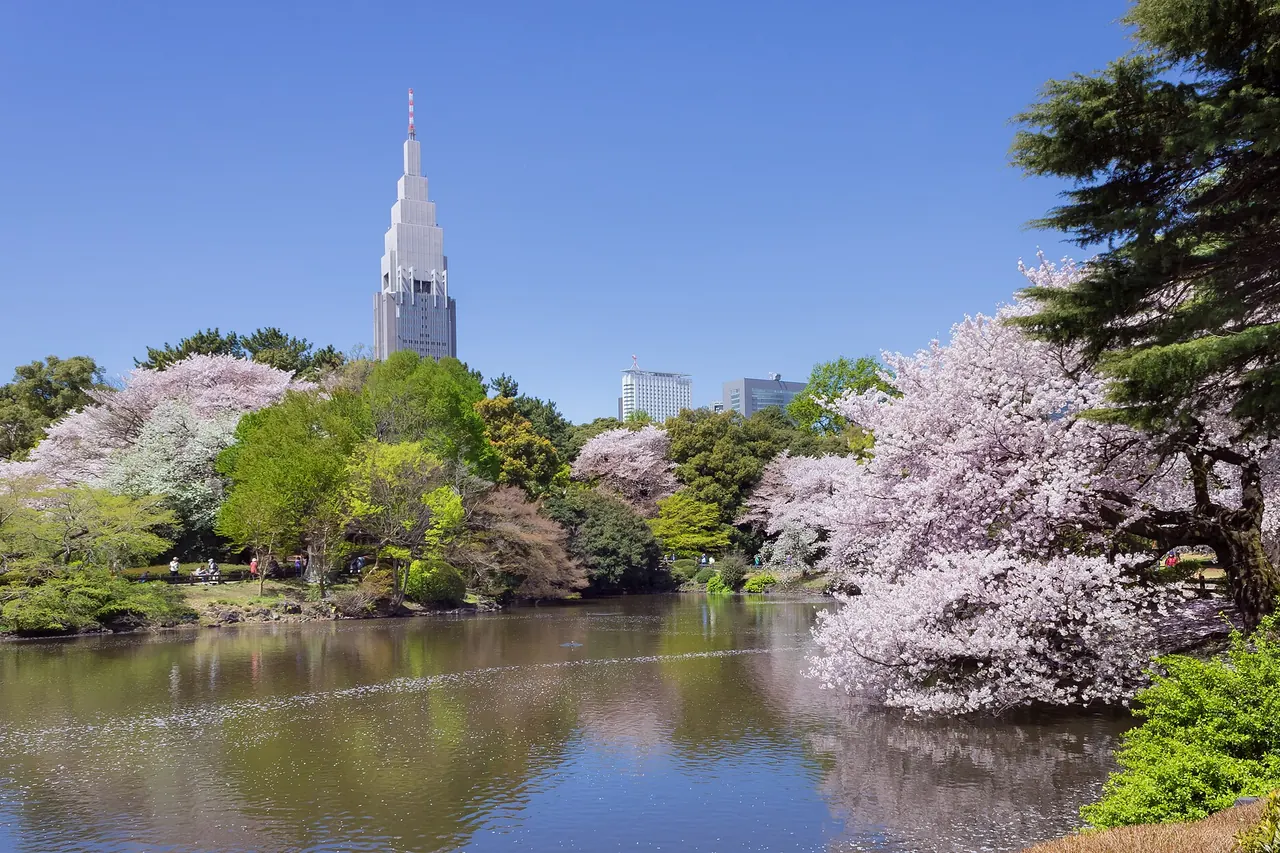
Shinjuku works when you want a large choice of restaurants, department-store food halls and evening activity around a major rail hub. The sectors matter: Nishi-Shinjuku's towers and the Metropolitan Government area feel different from Kabukicho east of the station, while a garden-side stay favours Shinjuku Gyoen. Ramen shops and izakaya give the area a useful everyday meal circuit without making every street an equivalent place to sleep.
JR East serves the main hub, and Tokyo Metro/Toei lines cover several separate station approaches. Narita Express trains can serve Shinjuku, but check the specific train and hotel exit rather than assuming the station is one small concourse. From Haneda, a Keikyu or monorail arrival normally introduces a city-rail transfer for this western base.
The drawback is the scale of the station and the distance between its sectors. An exit on the wrong side can turn arrival into an unnecessarily awkward walk, and an evening district may not suit a restful room. Choose Ueno for northern museums, Tokyo Station for onward rail journeys, or Shiba for parks and a Haneda-focused arrival.
Plan it well: The photograph and pin identify Shinjuku Gyoen on the garden side of the district, not Kabukicho or a Shinjuku station exit.
GO TOKYO: Shinjuku districtShibuya: shopping and dining around the crossing
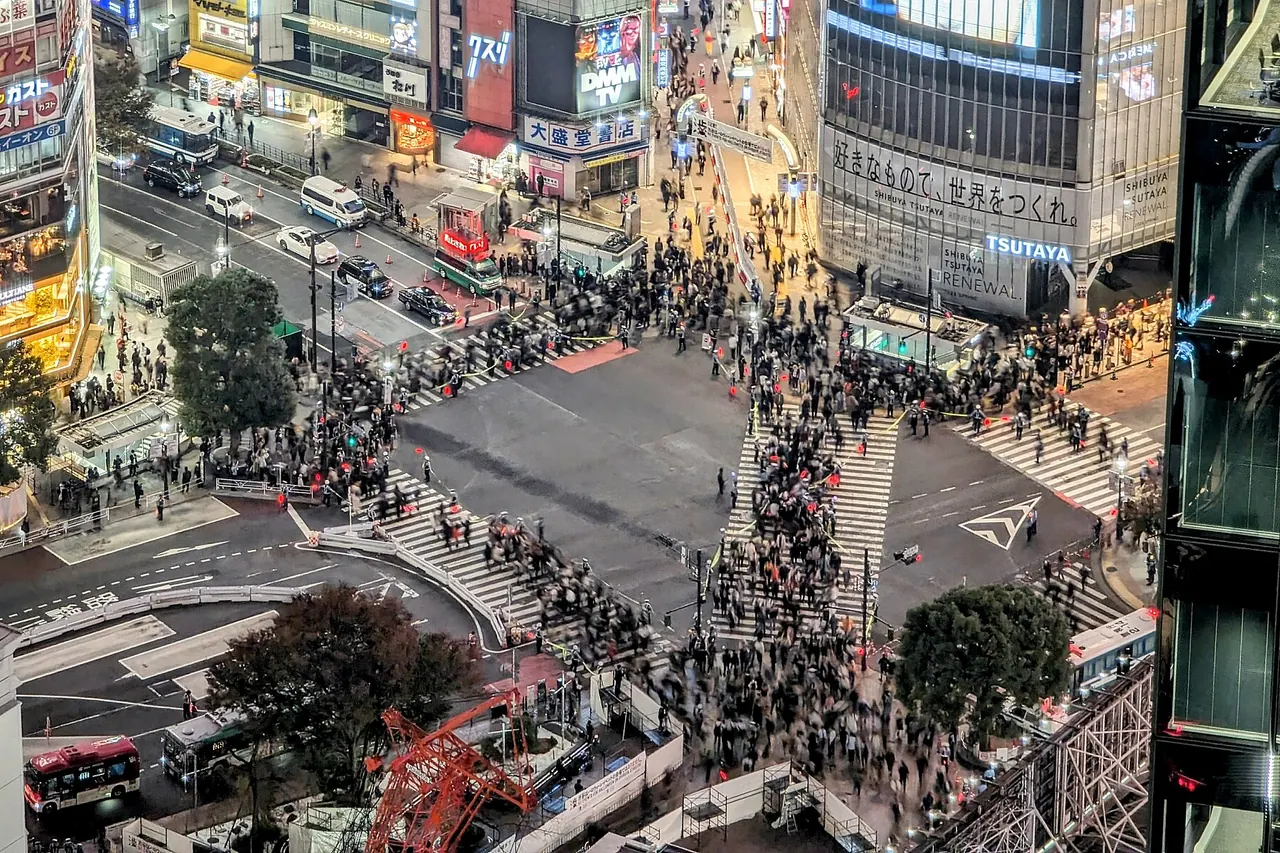
Shibuya suits travellers who want shopping and evening meals to unfold around the hotel. The scramble crossing is the recognisable anchor, but the area extends into Jinnan's streets, the shops around PARCO and the Hikarie side of the station. Cafés and restaurants make it a good base for a contemporary city routine, rather than for temple walks or a cluster of major museums.
JR East and Tokyo Metro serve Shibuya through a large, multi-level station. The Ginza, Hanzomon and Fukutoshin lines offer different city connections; identify the exit for the hotel rather than navigating only by the crossing. JR East lists Shibuya among Narita Express destinations on the relevant service. Haneda arrival generally requires a transfer after the Keikyu or monorail leg.
The compromise is busy pedestrian traffic and a station-to-hotel route that can include slopes or several levels. A fashionable district name does not guarantee a simple luggage walk. Choose Shinjuku for a broader western rail base, Ginza for department stores and Kabukiza, or Asakusa when older streets and early temple visits matter more than shopping.
Plan it well: The photograph and pin identify Shibuya's scramble crossing. Hotels uphill or beyond the station complex have different approaches.
GO TOKYO: Shibuya districtUeno: museums, park time and Narita connections
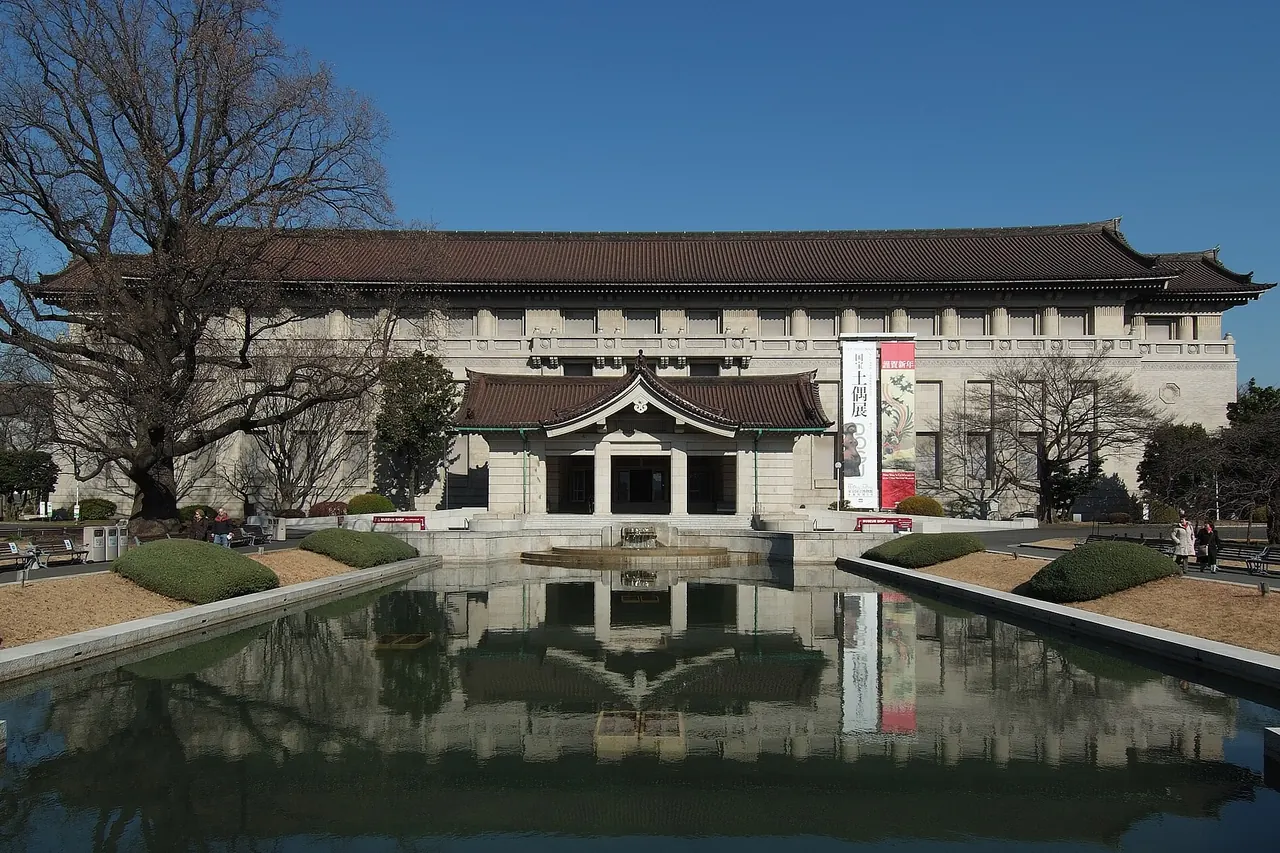
Ueno is an especially useful base when Tokyo National Museum and the other Ueno Park museums deserve substantial time. The park-side streets give a different start to the day from Ameyoko's market and food lanes towards Okachimachi. Those dining streets add casual meals to the cultural programme, but a museum-side hotel and a station-side address do not share the same immediate surroundings.
Keisei's Skyliner connects Narita with Keisei-Ueno and Nippori. Keisei-Ueno is distinct from the JR Ueno complex, while Tokyo Metro's Ginza and Hibiya lines provide city connections from the Ueno area. Match the arrival station to your hotel street; the park and market sectors can sit on different sides of the useful route. Haneda requires a separate Keikyu or monorail-and-city connection.
The trade-off is repeated journeys to Shibuya, Shinjuku or Roppongi when western shopping and dinner plans dominate. It also matters whether you want park surroundings or market activity outside the door. Choose Asakusa for a temple-and-river routine, Tokyo Station for onward rail travel, or Shibuya for a more shopping-led stay.
Plan it well: The photograph and pin identify Tokyo National Museum on the park side. Ameyoko and Keisei-Ueno occupy another part of the base.
GO TOKYO: Ueno districtAsakusa: temple streets and the Sumida river
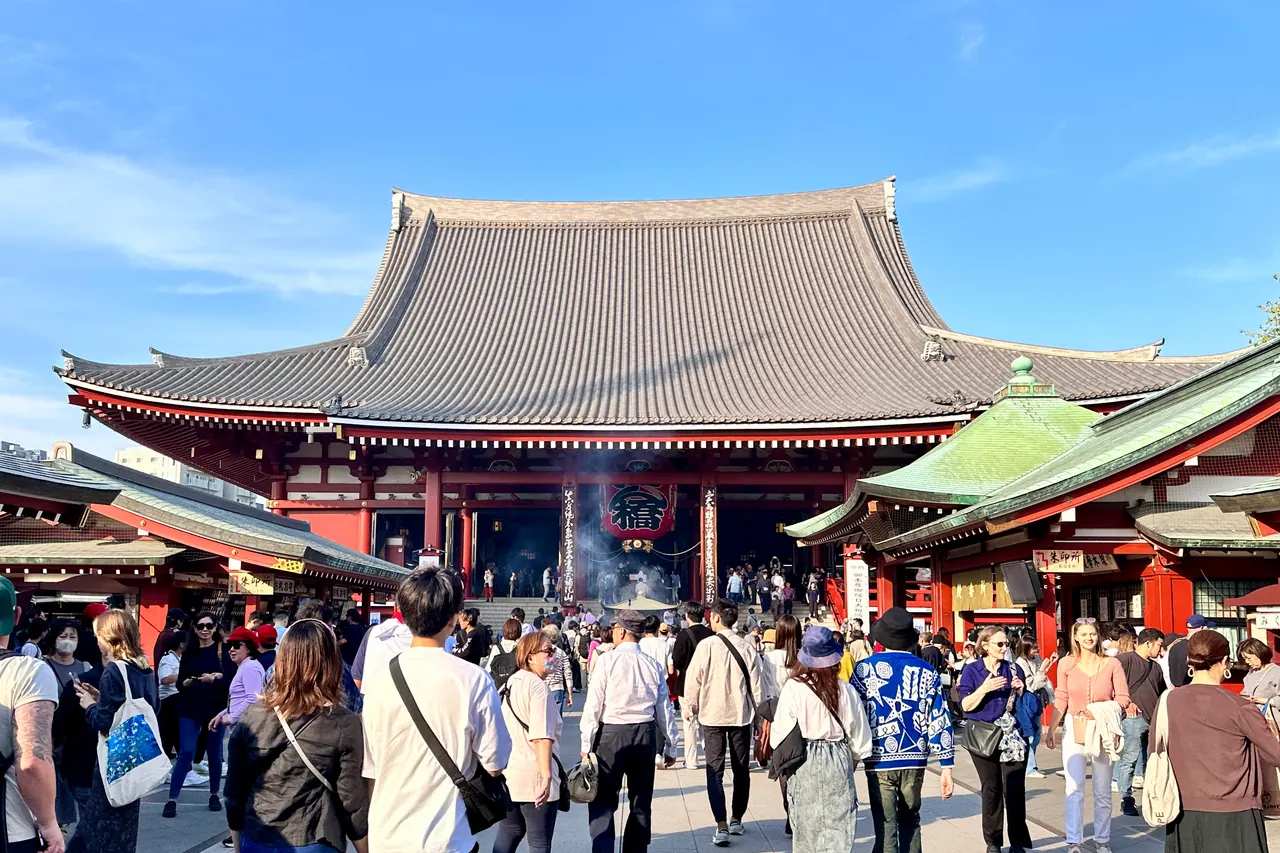
Asakusa is the choice for Sensoji, Nakamise's shopping approach and walks towards the Sumida river. Soba and tempura restaurants give meals an older neighbourhood context than the station malls of western Tokyo. Staying here lets you visit the temple streets at different points in the day, rather than see only the busiest sightseeing interval. Tokyo Skytree is across the river in Oshiage, a separate hotel base.
Tokyo Metro's Ginza Line and Toei's Asakusa Line serve the river-side station cluster, alongside Tobu; Tsukuba Express Asakusa is a different location farther west. Keisei Access Express and Keikyu through services can create airport connections on the Toei corridor, but check the destination and stops of the actual train rather than assuming every departure runs through.
The compromise is more travel to Shinjuku and Shibuya, with visitor activity concentrated on the temple approach rather than a broad late-evening shopping scene. Choose Ueno for museum days and Skyliner arrivals, Ginza for central shopping, or Shiba/Hamamatsucho when the Haneda monorail and park-and-temple walks are the better fit.
Plan it well: The image and map pin identify Sensoji. The Tsukuba Express station is separate from the Ginza/Toei/Tobu station cluster near the river.
GO TOKYO: Asakusa districtGinza: department stores, dining and Kabukiza
Ginza suits a trip centred on department stores, galleries, dining and a planned Kabukiza performance. The main shopping streets offer a polished retail setting, while smaller side streets provide bistros, cafés and another scale of meal. A Kabukiza-side hotel and one towards Yurakucho's rail corridor are different choices, even when both are advertised simply as Ginza.
Tokyo Metro's Ginza station joins the Ginza, Hibiya and Marunouchi lines. Higashi-Ginza adds Toei Asakusa Line access, while Yurakucho provides a separate JR approach nearby. For Haneda or Narita, an appropriate Keikyu/Keisei through service can favour the Higashi-Ginza sector; a Narita Express arrival at Tokyo Station needs a further city connection. Check the actual service rather than assuming an airport train at every Ginza station.
The trade-off is less immediate access to western nightlife and a district whose attractions lean towards shopping and organised dining rather than park time. Hotels near different edges can be inconvenient for the particular station you intended. Choose Tokyo Station for onward trains, Shibuya for a younger shopping circuit, or Ueno for museum-led days.
Plan it well: The pin is a representative Ginza district point, not the entrance to Kabukiza or any of the nearby stations.
GO TOKYO: Ginza districtTokyo Station and Marunouchi: rail journeys and station dining
Tokyo Station is a strong base when arrival, departure or onward trains are a substantial part of the trip. Marunouchi on the western side offers the restored station frontage, office-district restaurants and walks towards the Imperial Palace surroundings. Yaesu on the east provides another hotel and shopping catchment. The station's ramen and ekiben circuit makes meals convenient, but some retail sits behind ticket gates.
JR East's Narita Express serves Tokyo Station, alongside city rail and Shinkansen connections. Tokyo Metro's Marunouchi Line and the adjoining Otemachi network add further approaches. Haneda arrival usually involves Keikyu via Shinagawa or the monorail via Hamamatsucho, followed by the appropriate city train. Decide whether your hotel is on the Marunouchi or Yaesu side before choosing the final exit.
The compromise is a very large station and office-oriented streets rather than a compact late-evening neighbourhood. Proximity to the station name does not mean proximity to your platform. Choose Shinjuku for western-city evenings, Ginza for shopping outside the hotel, or Asakusa for a smaller temple-and-river routine.
Plan it well: The pin identifies Tokyo Station, not a guaranteed entrance, Shinkansen platform or hotel access point.
GO TOKYO: Tokyo Station and MarunouchiRoppongi: art museums and restaurant-led evenings
Roppongi is a focused choice for art and restaurant-led evenings. Roppongi Hills and Mori Art Museum form one cluster, Tokyo Midtown and Suntory Museum of Art another, with the National Art Center adding a separate cultural destination. Dining ranges from the large complexes to surrounding streets. A hotel beside Hills and one towards Midtown or Nogizaka produce different walks, even within this single district.
Tokyo Metro's Hibiya Line and Toei's Oedo Line serve Roppongi through distinct approaches; Nogizaka on the Chiyoda Line suits another edge. There is no JR station directly in this museum district. Airport arrival needs a city connection: a Haneda monorail route via Hamamatsucho/Daimon is one shape, while Narita Express arrivals require a transfer from a served JR station.
The trade-off is less straightforward access to the JR-based onward journey you might need, plus busy evening streets around some addresses. Choose Tokyo Station for intercity trains, Shinjuku for a wider rail hub, or Shiba for parks, temples and the Haneda corridor rather than a late-dining focus.
Plan it well: The pin identifies the Roppongi Hills complex, not the whole district or the Tokyo Midtown station approach.
GO TOKYO: Roppongi districtShiba and Hamamatsucho: parks, temples and the Haneda corridor
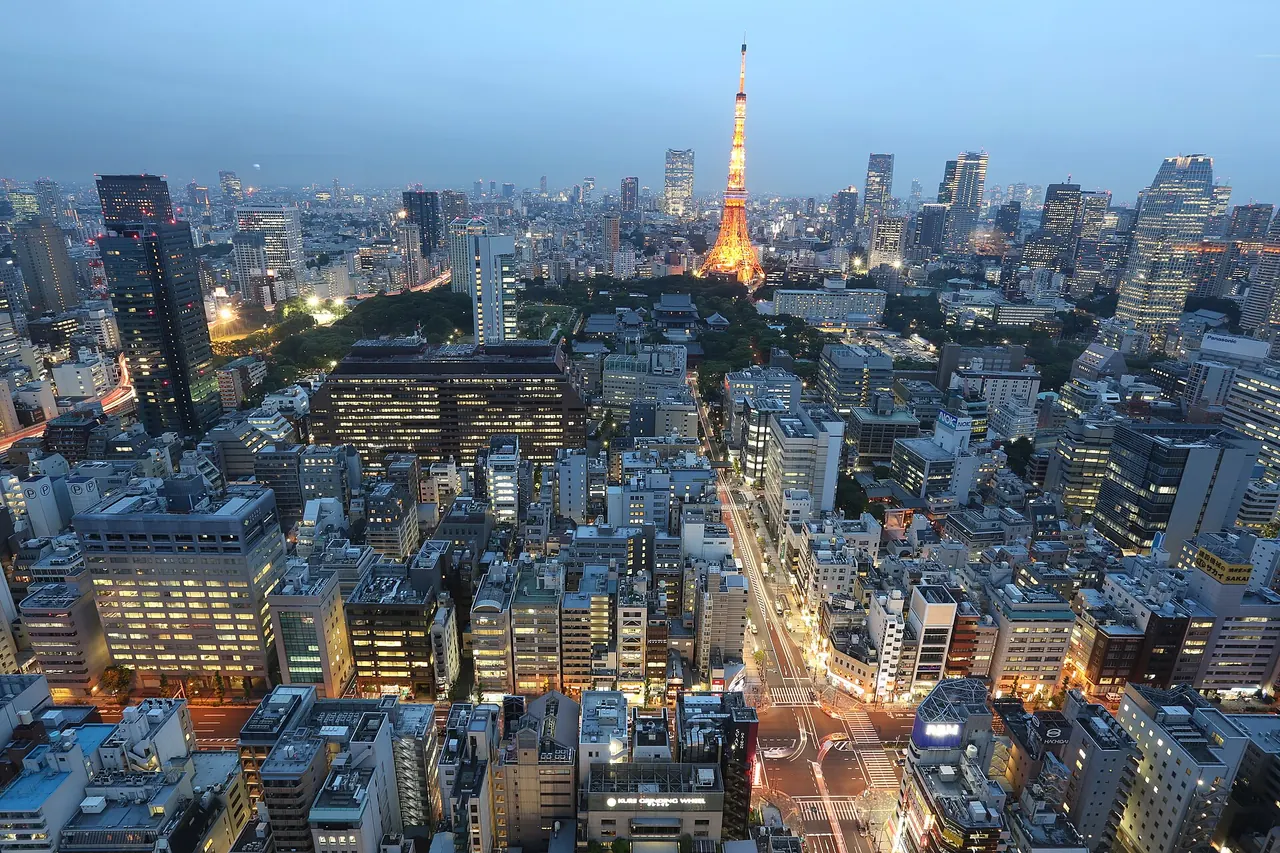
This base combines Tokyo Tower and Zojoji's temple setting with Shiba Park and the station streets towards Hamamatsucho. Kyu-Shiba-rikyu Gardens offers another green stop near the rail side. Meals around Shiba Daimon include business-district restaurants, izakaya and bistros, giving a tower-and-park itinerary somewhere practical to end the day without moving into Roppongi's evening circuit.
Tokyo Monorail connects Haneda's terminals with Hamamatsucho, where JR city lines provide onward connections. Daimon serves Toei's Asakusa and Oedo lines; tower-side hotels can instead favour Akabanebashi or a Mita Line approach. These are distinct walks, so compare the entrance rather than treating Tokyo Tower as an airport-rail stop. From Narita, an express arrival at Tokyo Station can be followed by the relevant JR connection.
The compromise is a spread-out base: a tower-view or park-side hotel may be less convenient for the monorail than a station-side one. It is also not Tokyo's main shopping district. Choose Ginza for department stores, Ueno for museums, or Shibuya when shopping and a busy western-city evening scene matter more than parks and Haneda access.
Plan it well: The photograph and pin identify Tokyo Tower by Shiba Park. Hamamatsucho station and the monorail terminus are farther east, not at the tower.
GO TOKYO: Hamamatsucho districtAirport arrival and the useful station exit
Tokyo's airport routes favour different bases. Pick the service for the hotel sector, then check the platform-to-exit and final street route.
Narita Express serves several city hubs
JR East lists Tokyo, Shinagawa, Shibuya and Shinjuku among its Narita Express destinations. Check the actual train and stopping pattern; the nearest useful hub still leaves a hotel-side exit or local connection.
JR East: Narita ExpressSkyliner favours Ueno and Nippori
Keisei's Skyliner serves Keisei-Ueno and Nippori. Keisei-Ueno is a separate station from the JR Ueno complex, so plan the onward walk against the hotel address.
Keisei: Skyliner routeThrough services need checking
Keisei Access Express routes can connect into the Toei Asakusa corridor. Check the train's destination and stops for Asakusa or Higashi-Ginza rather than assuming every airport departure provides the same connection.
Keisei: Access ExpressHaneda via Keikyu
Keikyu connects Haneda with Shinagawa and suitable Toei Asakusa through services. Use the route information for the train you intend to take, then add any city transfer for a western or museum-side base.
Keikyu: Haneda routesHaneda via Tokyo Monorail
Tokyo Monorail's route map lists the airport terminal stations and Hamamatsucho terminus. A Hamamatsucho-side hotel has a different final approach from a Tokyo Tower-side one.
Tokyo Monorail: official route mapMetro and Toei maps are not the whole JR network
The official subway map distinguishes line interchanges and station names. Check the relevant operator map for JR journeys too; similarly named stations and multiple exits do not always share an easy hotel approach.
Tokyo Metro: subway network mapFind a Tokyo hotel around your chosen station
Compare Tokyo hotels by the station entrance, local streets and airport route, not only the district name. Pay particular attention to Shinjuku's sectors, Marunouchi versus Yaesu, Ueno's park versus market sides, and Hamamatsucho station versus the Tokyo Tower edge.
Explore Tokyo hotels