
Edinburgh city guide
Where to stay in Edinburgh
Compare seven Edinburgh bases by hills, evening plans and arrivals: castle-side Old Town, Holyrood, New Town, West End, Stockbridge, Leith and the university Southside.
Plan your visit
Edinburgh's hotel map is easy to misread: a short line between Waverley and a Royal Mile room can conceal a steep approach, while Leith's distance from the castle does not mean an awkward airport arrival. Choose the part of the city that serves your repeated journey, whether that is a castle visit, a university event, a garden walk or dinner beside the Shore. These seven bases distinguish the two ends of the Old Town and the different neighbourhood routines beyond it.
Choose your base
Upper Old Town suits the castle and historic closes; Canongate and Holyrood suit the palace and park. New Town is the central shopping-and-transport compromise. West End works for Haymarket, while Dean Village is its distinct riverside alternative. Stockbridge and Inverleith favour meals and gardens. Leith suits harbour dining and repeat visits; Southside and Newington suit university and festival plans.
Upper Old Town: the castle and historic lanes at your door
Choose the upper Old Town when Edinburgh Castle, the Royal Mile's closes and the Grassmarket should shape your days. Lawnmarket and Victoria Street connect sightseeing with small shops, pubs and meal stops, while Chambers Street gives the National Museum of Scotland a place in the same wider walking circuit. This is the strongest choice for seeing Edinburgh's historic streets before and after the busiest sightseeing hours, without turning every outing into a bus journey.
The ridge sits above Waverley and the Princes Street transport corridor. An airport tram arrival means a further walk from a city-centre stop, and some appealing shortcuts use stairs or steep cobbled lanes. Check the route with luggage, not just the distance from the station. Grassmarket pubs and festival activity can keep the street lively below your room; old-building accommodation also deserves a lift-access check. Choose New Town for more straightforward airport-stop access, or Canongate and Holyrood when the palace and park matter more than the castle end.
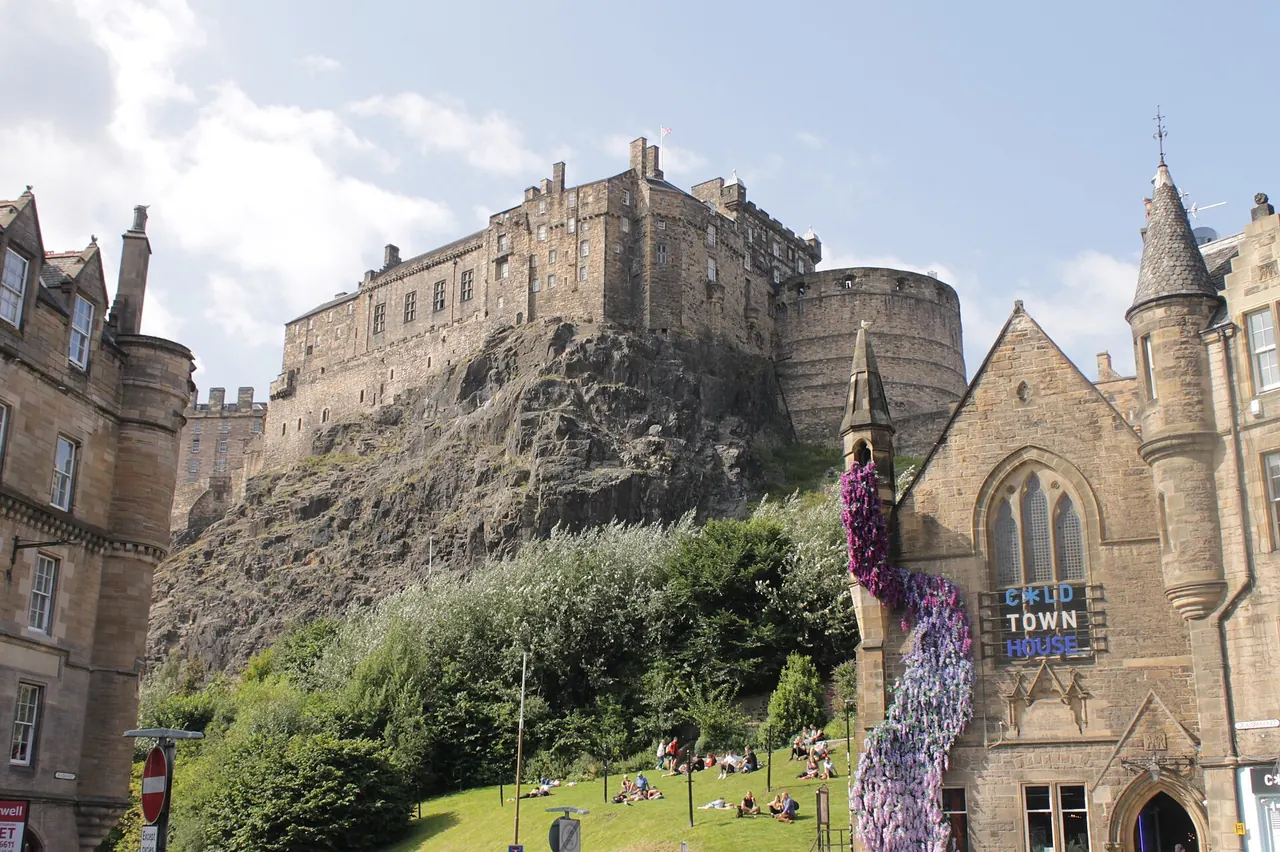
Plan it well: The image and pin show Edinburgh Castle above the Grassmarket, anchoring the western Old Town.
Forever Edinburgh: Royal Mile neighbourhoodCanongate and Holyrood: the palace and park end of the Old Town

Canongate and Holyrood are a deliberate alternative to the castle-side Old Town, not a different name for the same hotel cluster. The lower Royal Mile brings Canongate Kirk and the Museum of Edinburgh into your walks; the palace and Scottish Parliament mark the eastern end. Holyrood Road and the Canongate offer food stops without requiring every evening to revolve around the Grassmarket. The park is the main advantage when a short outdoor walk should fit between booked visits.
Lothian buses are useful for the eastern Old Town, while the airport tram still requires a city-centre connection or a walk from the northern corridor. A Waverley arrival can suit this side, but the station exit and accommodation approach matter. The castle is uphill in the other direction, so a daily return along the entire Royal Mile is a real trade-off. Palace access can also change for royal use; park proximity does not make Arthur's Seat a flat stroll. Choose the upper Old Town for castle-heavy plans, or New Town for rail-and-airport convenience.
Plan it well: The photo and pin identify the Palace of Holyroodhouse, not a hotel entrance or an Arthur's Seat trailhead.
Royal Collection Trust: Palace of HolyroodhouseNew Town: Georgian streets with strong arrival connections
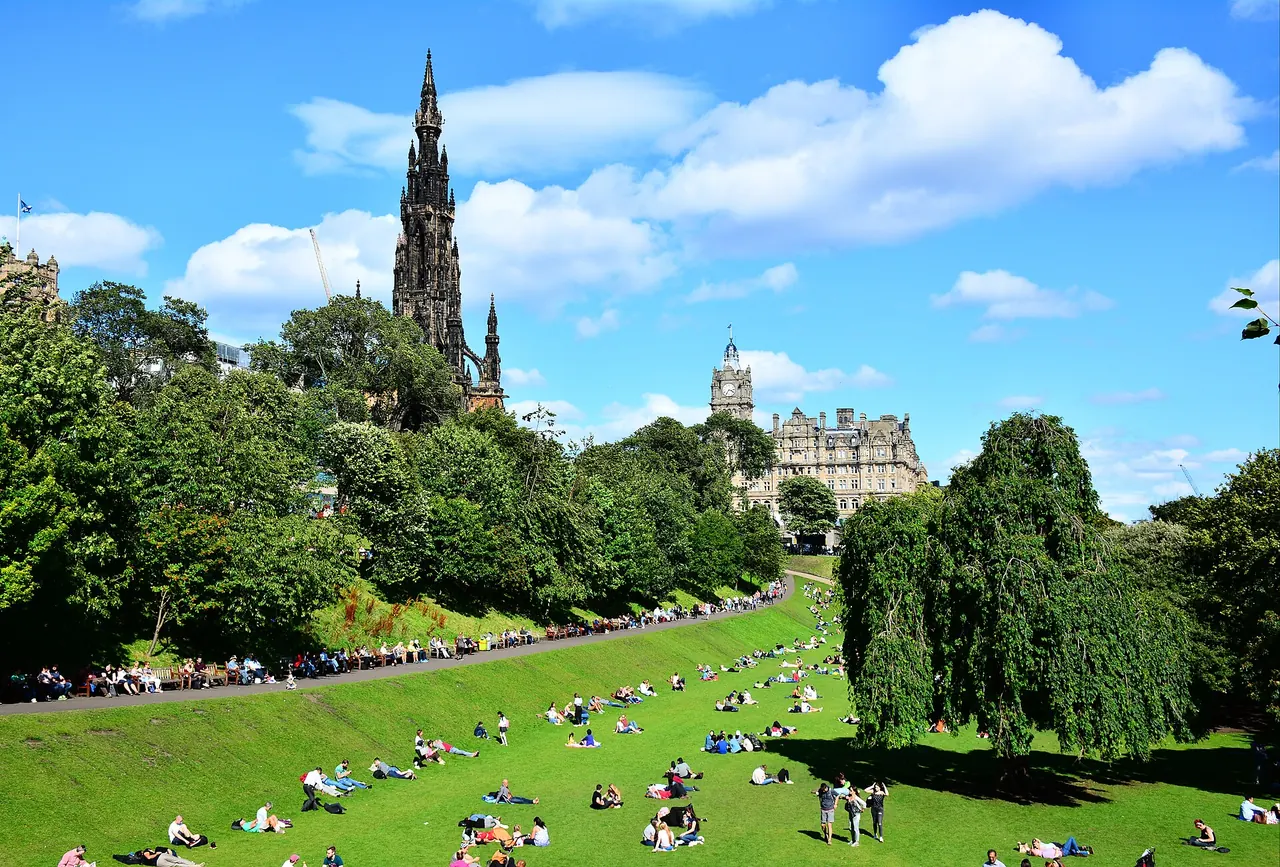
New Town suits travellers who want a central base with broader streets and several directions to explore. Princes Street Gardens and the Scott Monument make an obvious southern edge; George Street, Rose Street and St Andrew Square supply shopping, restaurants and places for an evening drink. The galleries around the Mound and Queen Street provide cultural alternatives to a castle-and-Royal-Mile day. The regular street layout can make everyday orientation easier than the Old Town's maze of closes.
Edinburgh Trams links the airport with Princes Street and St Andrew Square, and Waverley is convenient to the eastern end. That advantage fades as an accommodation listing moves north towards the lower New Town, so compare the actual door with the stop. Buses and traffic on major streets, and bars on Rose Street, can matter more than a Georgian exterior suggests. This is not a guarantee of flat walking throughout the district: the streets slope towards Stockbridge. Choose Upper Old Town for medieval surroundings, or West End if Haymarket rail access is more useful than Waverley.
Plan it well: The Scott Monument photo and pin sit in East Princes Street Gardens at New Town's southern edge.
Forever Edinburgh: New Town neighbourhoodWest End and Dean Village: rail convenience or a riverside retreat
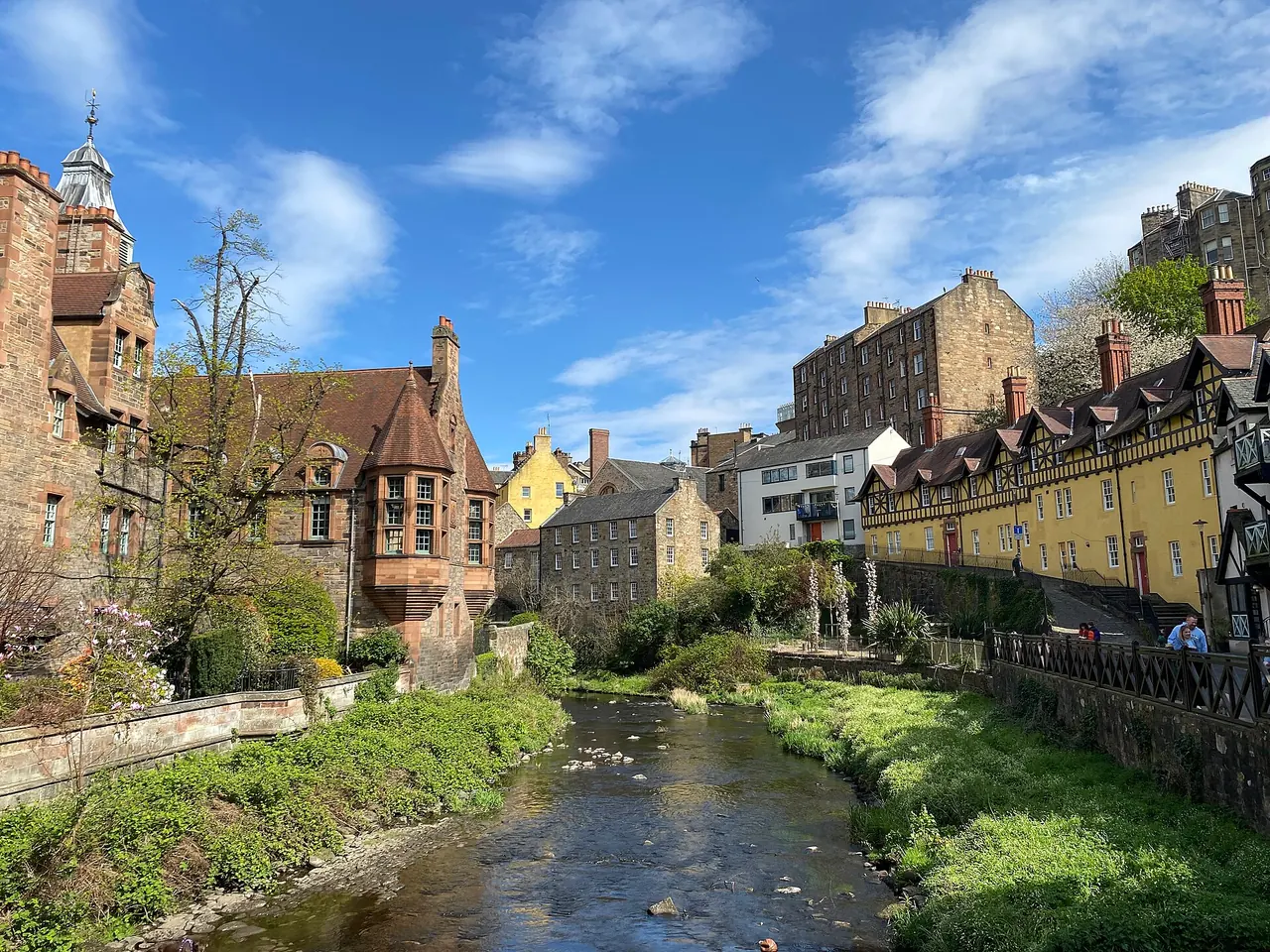
The West End's William Street and Stafford Street give you independent shops, pubs and meal stops behind the busier Shandwick Place corridor. This is a useful western-centre choice for visits involving Haymarket, theatre evenings towards Lothian Road or repeated trips out of town. Dean Village is the separate riverside pocket to the north, with photogenic former milling buildings along the Water of Leith. Choose between them deliberately: a West End street and a village-side address offer quite different daily approaches.
Haymarket combines rail with the airport tram, and West End is another stop on that same tram route. Dean Village does not have its own airport tram stop; its appeal comes with a climb back towards the main transport corridor and fewer immediate dining choices. The village's residential lanes should not be treated as a service-filled resort. Conversely, an address directly on Shandwick Place can bring traffic even when nearby side streets feel settled. Choose New Town for eastern-centre connections, or Stockbridge for a fuller neighbourhood food routine near the river.
Plan it well: The photo and pin identify Dean Village, the riverside pocket rather than the West End tram stop.
Forever Edinburgh: West End neighbourhoodStockbridge and Inverleith: neighbourhood meals and garden days
Stockbridge puts Raeburn Place's food shops, cafes and restaurants into an ordinary morning routine. Circus Lane and the Water of Leith provide small walks, while adjoining Inverleith adds the Royal Botanic Garden and larger green spaces. The two parts serve slightly different stays: Stockbridge puts more meals and shops close to the room, while an Inverleith address can make garden visits easier. This northern choice rewards spending time in the neighbourhood rather than leaving immediately for the Royal Mile each day.
Lothian buses provide the practical city-centre connections; use the operator's live map for Raeburn Place or the relevant garden-side street. The airport tram corridor is farther south, so a flight arrival needs an onward walk, bus or taxi. Returning uphill towards Princes Street is the important everyday trade-off, particularly after a long day or with luggage. A garden-side room can also be farther from your preferred restaurant cluster than the district name implies. Choose New Town for the central galleries and tram stops, or Old Town for repeated castle and Royal Mile visits.
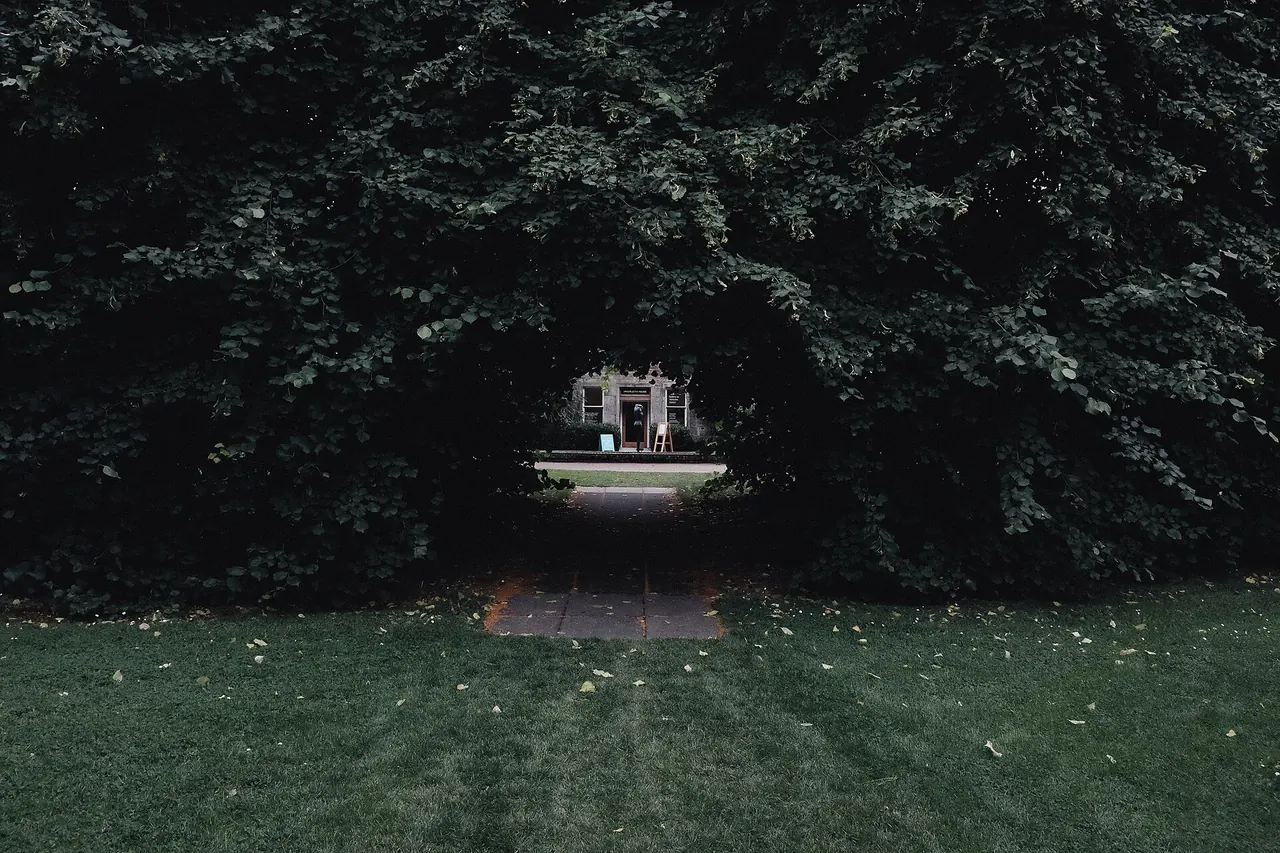
Plan it well: The photograph and pin show the Royal Botanic Garden in adjoining Inverleith, not Stockbridge's Raeburn Place.
Forever Edinburgh: Stockbridge neighbourhoodLeith: a food-led stay with direct airport tram access
Leith is a substantial district, so first decide between a Leith Walk address and the Shore's waterfront setting. The walk gives you everyday shops and a long sequence of cafes and restaurants; the Shore and Constitution Street put more emphasis on harbour character, dining and the Water of Leith's final stretch. Ocean Terminal and the Royal Yacht Britannia are another distinct destination, not the same place as every Shore hotel. This is a strong base when meals and local streets deserve their own time.
Edinburgh Trams now connects the airport directly with Leith stops, including Foot of the Walk and the Shore, continuing towards Ocean Terminal and Newhaven. Match the hotel to the relevant stop rather than merely searching for Leith. The castle and main Old Town sights remain a separate journey, so a short, monument-heavy visit can involve repeated tram or bus rides. Busy dining streets can also produce noise despite the waterfront setting. Choose New Town for a more evenly central short break, or Stockbridge when gardens and a smaller neighbourhood scale better fit your plans.
Plan it well: The pin identifies Leith; Leith Walk, the Shore and Ocean Terminal are different accommodation approaches.
Forever Edinburgh: Leith neighbourhoodSouthside and Newington: university visits and festival-focused days
Southside and Newington suit stays involving the university, George Square or the venues around Nicolson Street rather than repeated arrivals at Waverley. Cafes, international restaurants and everyday shops line the southward streets, while the Meadows and the approaches towards Holyrood Park provide outdoor alternatives. The northern Southside keeps the Old Town close; a guesthouse farther down Newington changes the daily walking distance considerably. Make that distinction before treating all southern listings as equally central.
Lothian buses are the main public-transport tool along this corridor. An airport tram arrival requires a further city-centre connection, whereas staying in West End or New Town can put the airport route much closer to the room. Student life, traffic and festival crowds can make the most convenient streets lively; a garden-facing room may be a different proposition from one overlooking the bus route. Choose this base when your actual programme is south of the Royal Mile. Choose Leith for harbour dining, or Canongate when palace-and-park access matters more than university venues.
Plan it well: The map anchor is McEwan Hall at the university's northern Southside, not the centre of every Newington stay.
Forever Edinburgh: Southside neighbourhoodPlan the arrival as carefully as the view
Use the full airport tram route
Edinburgh Trams links the airport with Haymarket, West End, Princes Street, St Andrew Square and Leith. A direct route can favour New Town, West End or a correctly located Leith hotel; consult current operating hours and alerts for your arrival.
Edinburgh Trams: route map and stopsMatch bus access to the neighbourhood
Use Lothian's current maps and journey planner for Stockbridge, Inverleith, Holyrood and Newington rather than borrowing an old route number. Include the connection from the airport corridor and the return after your evening event.
Lothian Buses: network maps and timesDistinguish Waverley from Haymarket
Haymarket sits on the tram route in the west; Waverley serves the eastern city centre near St Andrew Square. Check the station exit, gradients and final hotel approach. A close-looking Old Town property may involve a more demanding luggage walk than a New Town one.
Edinburgh Trams: rail connectionsFind your Edinburgh base
Compare Edinburgh hotels against the neighbourhood you intend to use each morning and evening. Check a Royal Mile room's lift and approach, a Leith address's exact tram stop, and whether a Stockbridge or Inverleith property is nearer the dining streets or the gardens.
Explore Edinburgh hotels